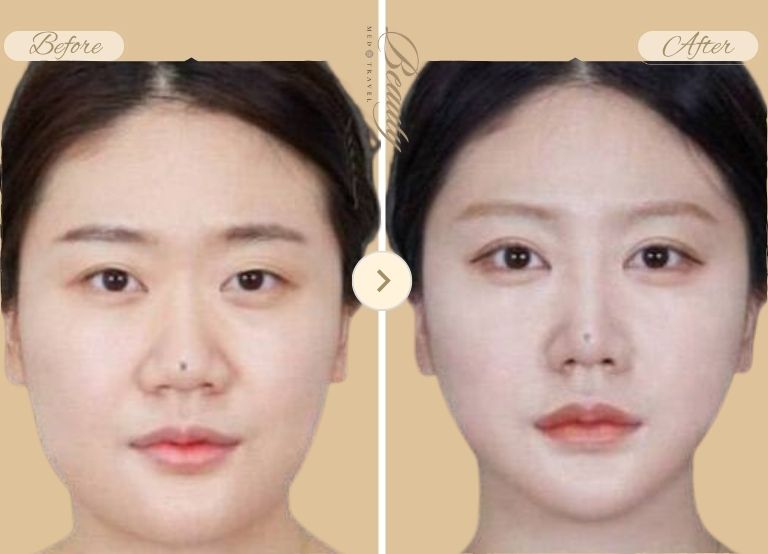
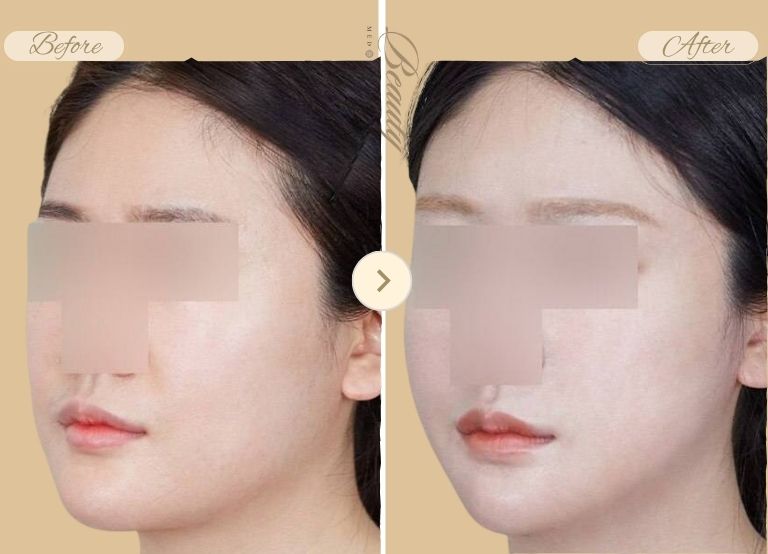
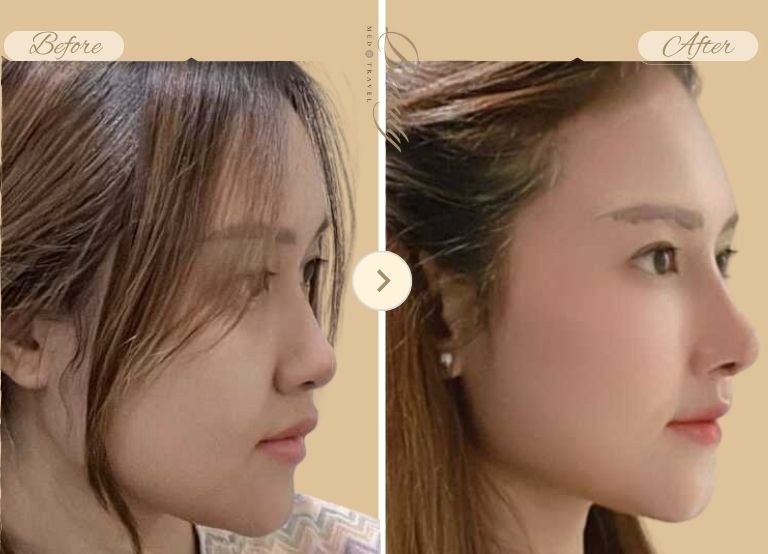
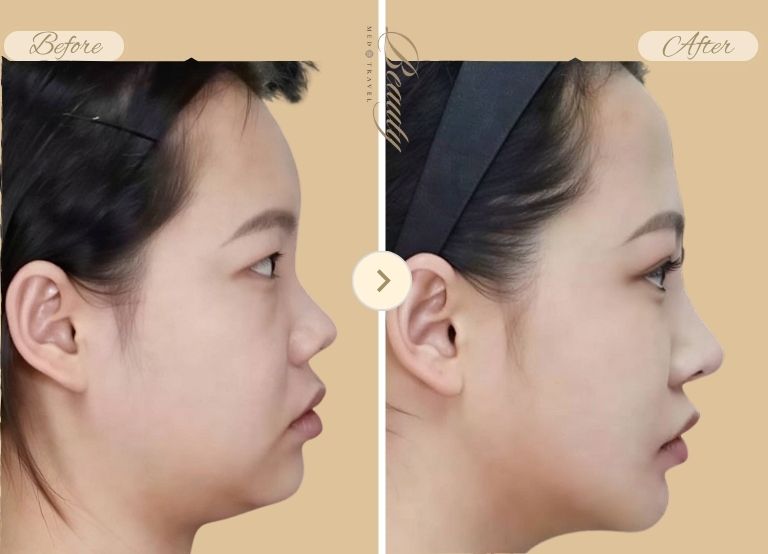
Rhinoplasty
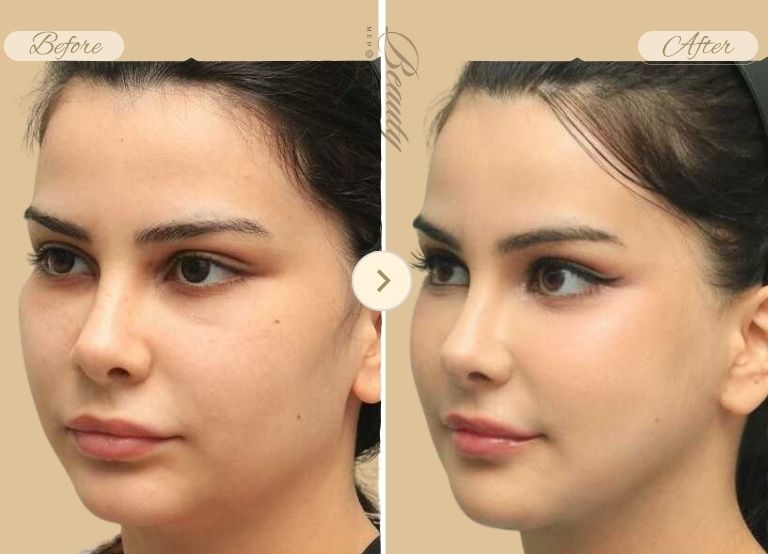
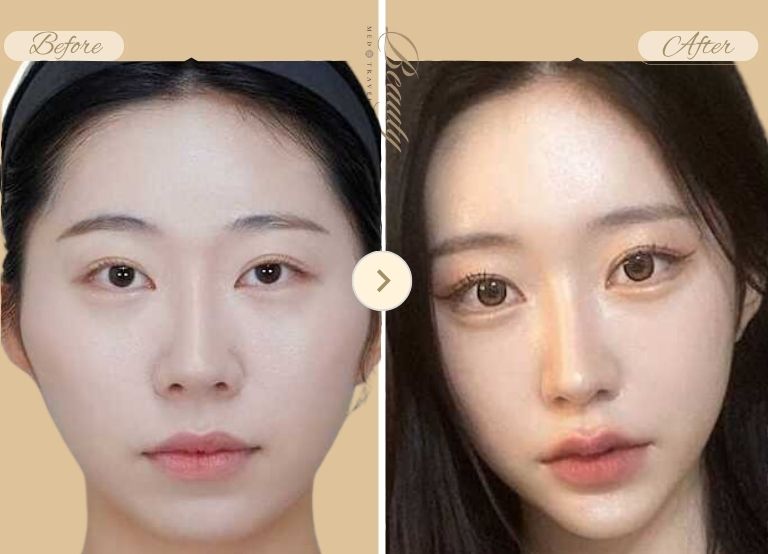
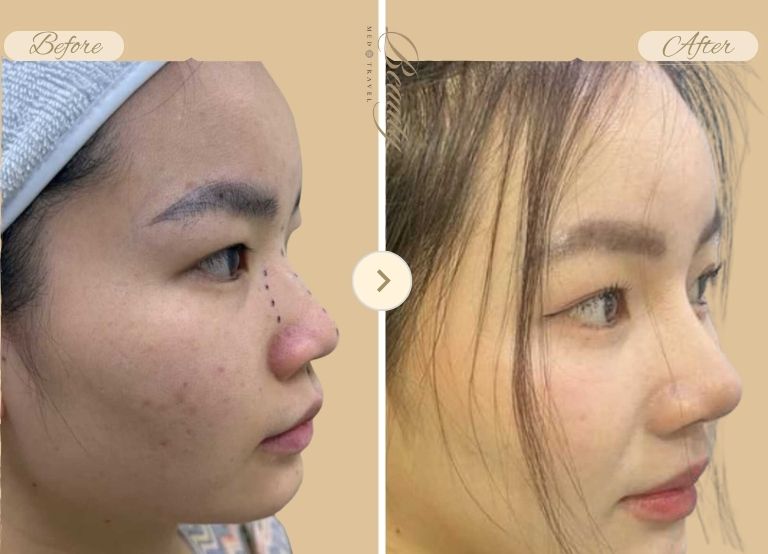
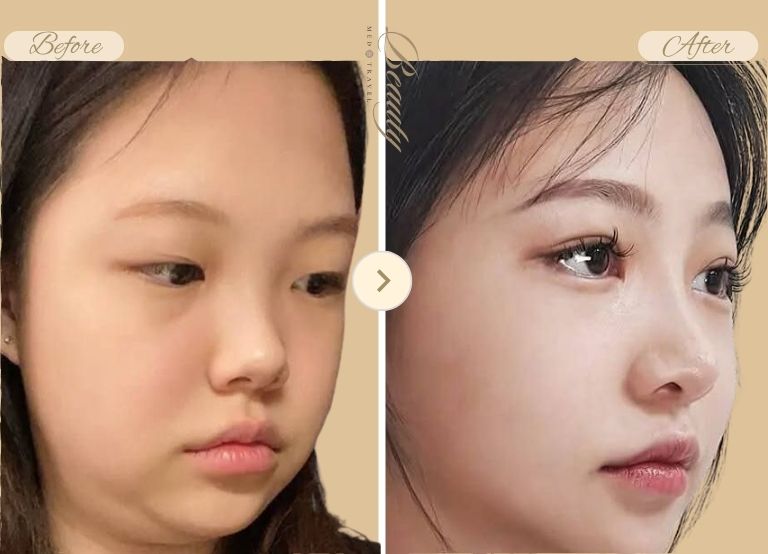
Wonjin Plastic Surgery offers rhinoplasty to correct concerns such as a low nasal bridge, uneven nose shape, poor facial balance, or breathing-related issues. It has 3D scanners and CAD-based medical planning that map your facial structure before surgery. This helps surgeons design a nose that fits your proportions rather than relying on standard shapes.
The surgeons also choose between open and closed incision techniques depending on the level of required correction. Closed methods avoid visible scars, while open methods give better visibility for detailed correction.
To increase nasal height, refine shape, or improve structural support, the surgeons at Wonjin use either implant-based materials or autologous tissue taken from your own body.
Implants
- Ultra-SoftSilicone: Custom-made for each case, this implant creates a smooth, natural nasal shape. It stays flexible while still providing structure, so your nose looks defined without appearing stiff.
- Gore-Tex: This material is suitable for thinner skin. It blends into your tissue due to its porous structure, so the result feels softer and more natural.
- Sili-Tex: This combines the strength of silicone with the softness of Gore-Tex. It works well for thicker skin or cases where you need both durability and a natural finish.
Autologous Tissue (Your Own Tissue)
- Septal Cartilage: Taken from inside your nose, this is the most common option. It provides strong natural support for the nasal tip with minimal risk of complications.
- Rib Cartilage: Used in more complex or revision cases, this provides strong structural support.
- Ear Cartilage: This adds flexibility and works well for shaping the nasal tip. It helps create a softer, more natural contour without making the nose look stiff.
Facial Contour
At Wonjin Plastic Surgery Clinic, surgeons perform facial contouring to reshape the overall bone structure of your face. They first analyze your full facial ratio using 3D CT scans and virtual simulation. This helps them plan precise bone reduction lines while protecting key structures like nerves and maintaining natural balance.
Here are some of the common facial contouring procedures offered at Wonjin:
Square Jaw Reduction Surgery
Square jaw reduction is performed to soften a wide or angular lower face. However, removing too much bone can make the jawline look unnatural or overly narrow. To avoid this, the clinic’s surgeons carefully determine the right reduction angle based on your facial proportions.
Front Chin Reduction Surgery
Front chin reduction focuses on correcting a protruding or overly wide chin. The surgeons perform a T-shaped osteotomy, where the bone is carefully cut and repositioned. Before this step, they study your chin structure and nerve pathways using 3D imaging. This allows them to choose safe incision points and reduce the width without affecting sensation or stability.
Cheekbone Reduction Surgery
If you have wide cheekbones, the clinic’s surgeons perform cheekbone reduction surgery. Instead of simply reducing volume, the surgeons reposition the cheekbone. They reduce the outer width while maintaining or slightly enhancing the front cheek area. This creates a smoother transition across the face and avoids a flat or hollow look.
Breast Augmentation
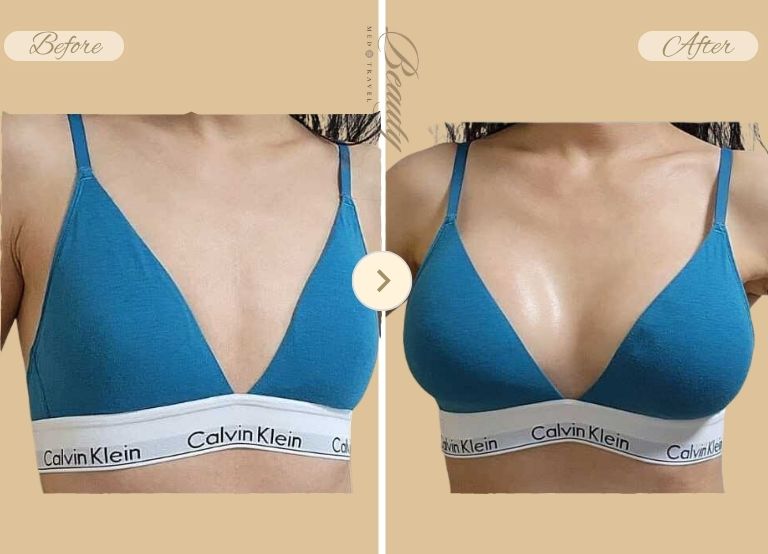
Wonjin Plastic Surgery Clinic offers breast augmentation to increase volume, correct asymmetry, and restore shape when the breasts lose fullness. Surgeons first assess your chest width, skin tension, and existing tissue. This helps them decide how much volume your body can support without looking stretched or artificial.
After this assessment, they plan the surgery by combining three key elements: implant type, incision location, and placement depth.
Implant Selection
- Round implants add clear upper fullness and create a more defined cleavage. They are suitable in cases where volume and projection are required.
- Motiva Ergonomix implants focus on natural behavior. They shift with body position, so the breast looks softer when lying down and more projected when standing.
Incision Approach
- The breastfold incision provides direct access to the breast pocket where the implant is placed. It works well when surgeons need more control, especially in larger or revision cases.
- The areola incision blends with the natural color transition, making the scar less noticeable.
- An armpit incision avoids any scar on the breast. The surgeons use an endoscope to guide implant placement and reduce damage to surrounding tissue.
Implant Placement
- In dual-plane placement, the surgeon positions part of the implant under the muscle and the other part under the tissue. This creates a smoother upper contour and stable lower fullness.
- In submuscular placement, the implant is fully placed under the muscle. This works better when natural tissue is limited.
- During subglandular placement, they place the implant above the muscle. This only suits cases with enough existing volume and thickness.
Hair Loss Treatments
Hair loss can show up as thinning hair, a receding hairline, or visible gaps across the scalp. These changes affect how your face frames and can make features look less defined. To address these concerns, Wonjin Plastic Surgery Clinic offers targeted hair loss treatments tailored to the stage and pattern of hair loss.
The clinic offers three main treatment approaches:
Incisional Hair Transplant
The clinic’s surgeons perform this method when hair loss is more advanced or permanent. They remove a strip of hair-bearing scalp, extract healthy follicles, and implant them into thinning or bald areas. The surrounding hair later covers the donor area, so the scar stays hidden.
Non-Surgical Hair Loss Treatment
They use this approach in early-stage hair loss when hair becomes thinner but has not fully disappeared. At this stage, they combine medication and regenerative treatments like W-ell to strengthen existing follicles and slow further loss.
Hairline Contouring
Surgeons use this method to reshape the hairline, especially in cases like an M-shaped pattern or a wide forehead. They fill empty areas with transplanted hair to create a more balanced frame and give the face a sharper, more defined appearance.



 Korean
  English