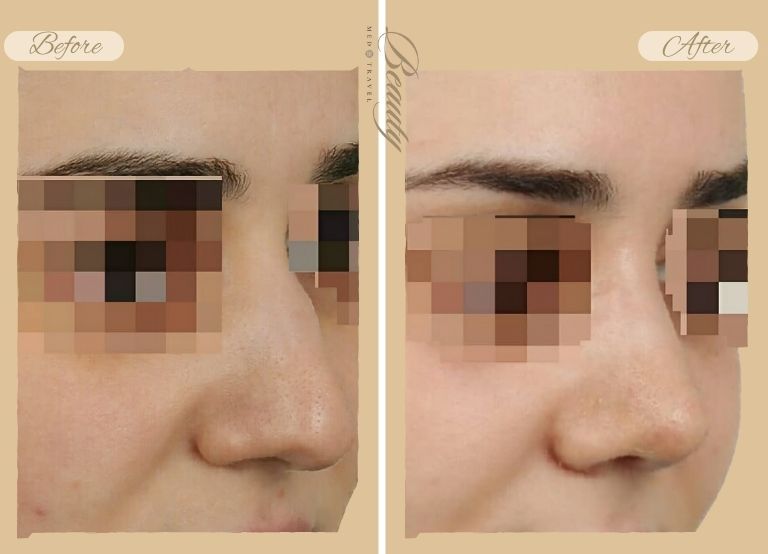
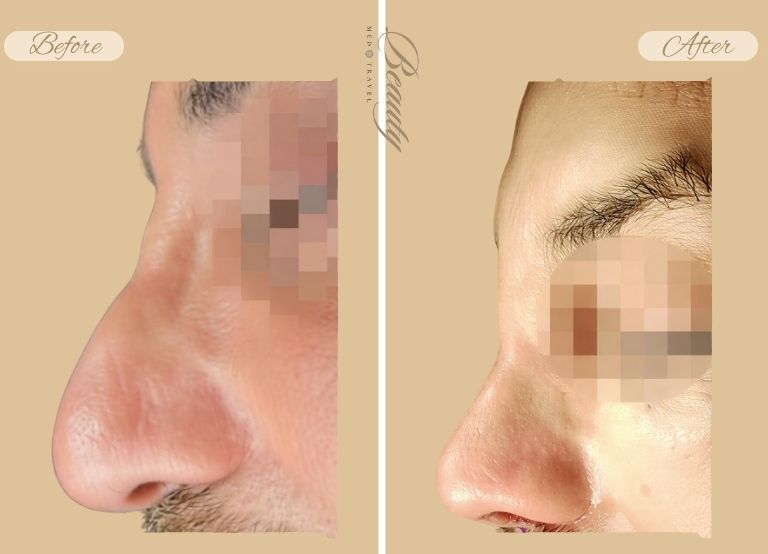
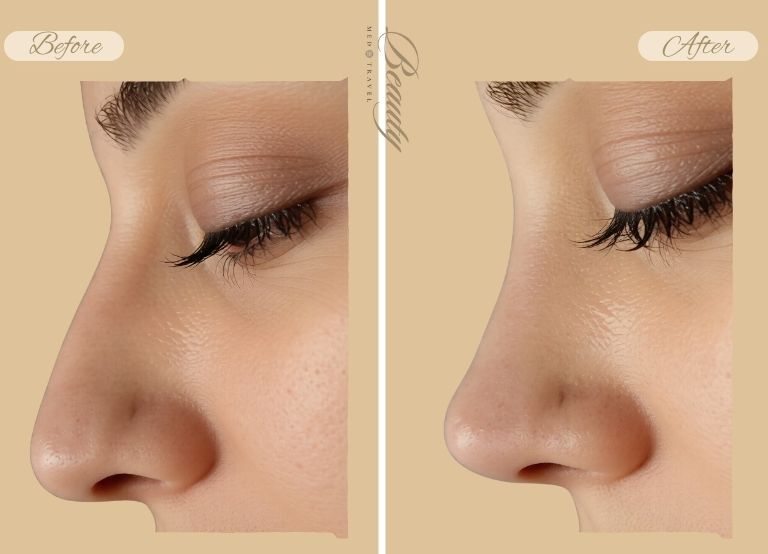
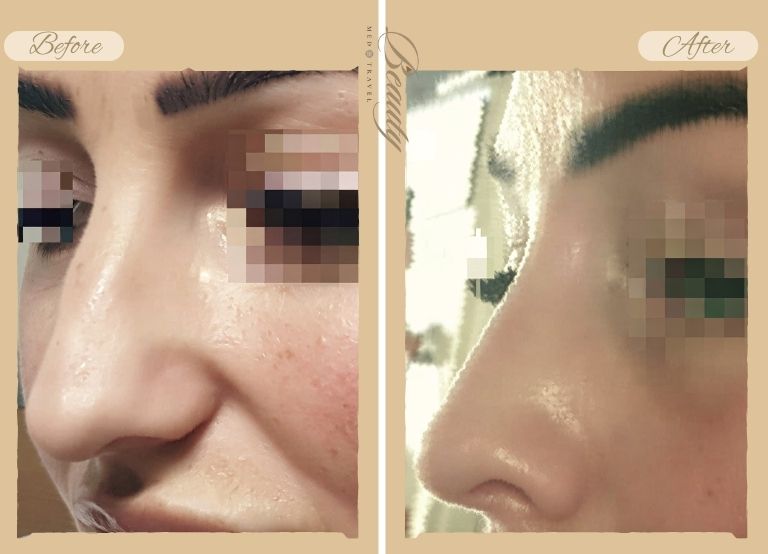
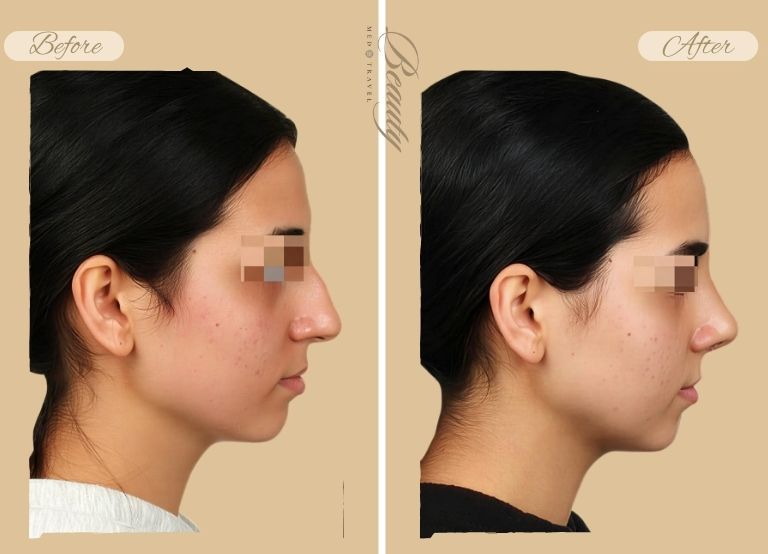
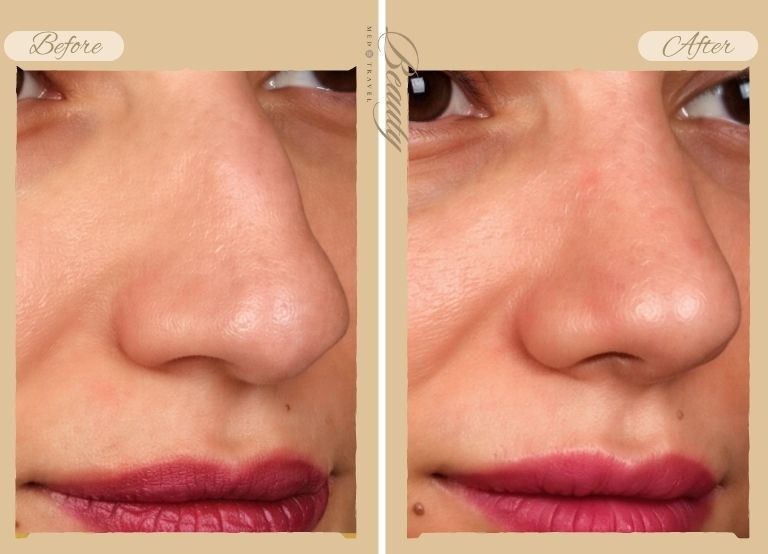
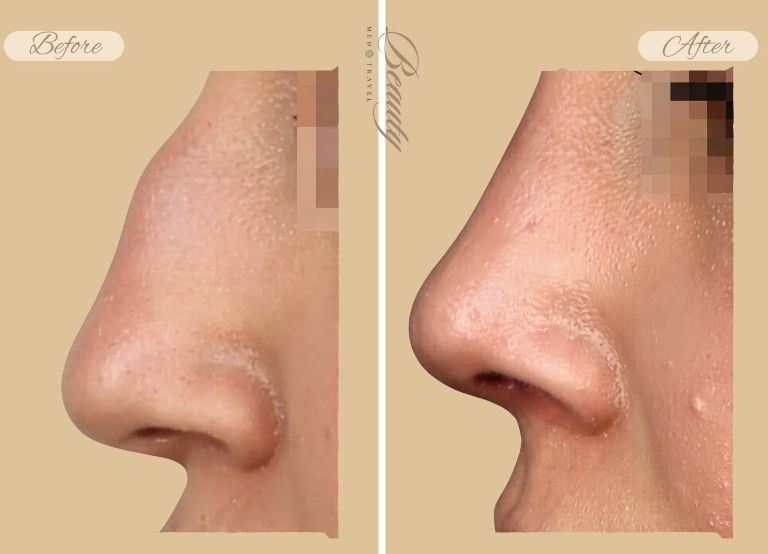
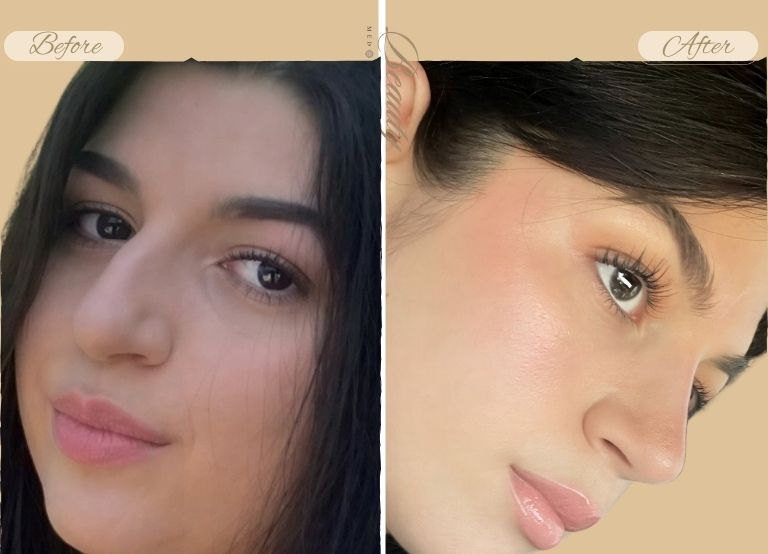
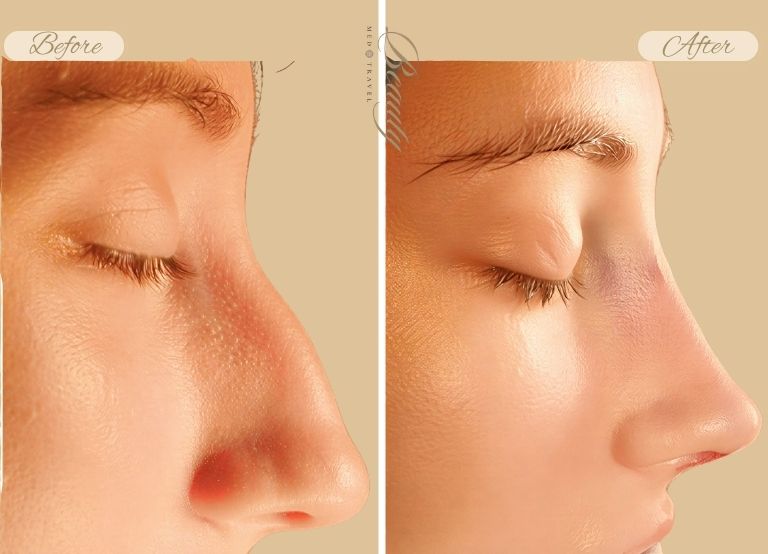
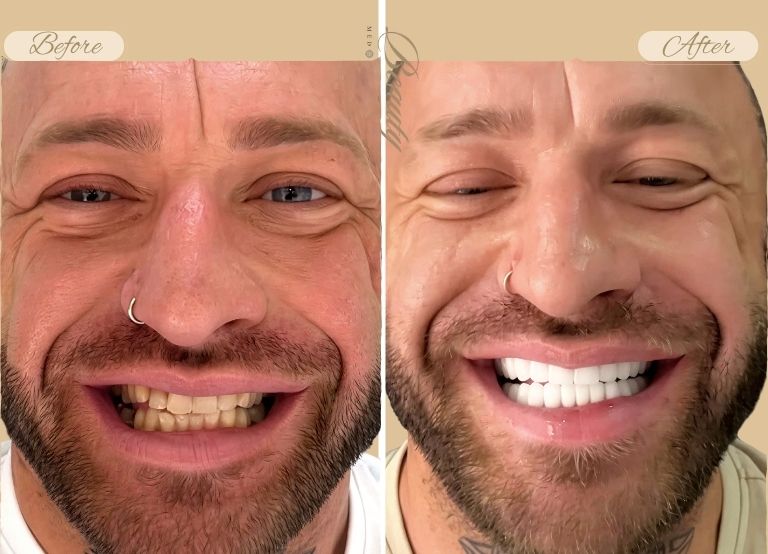
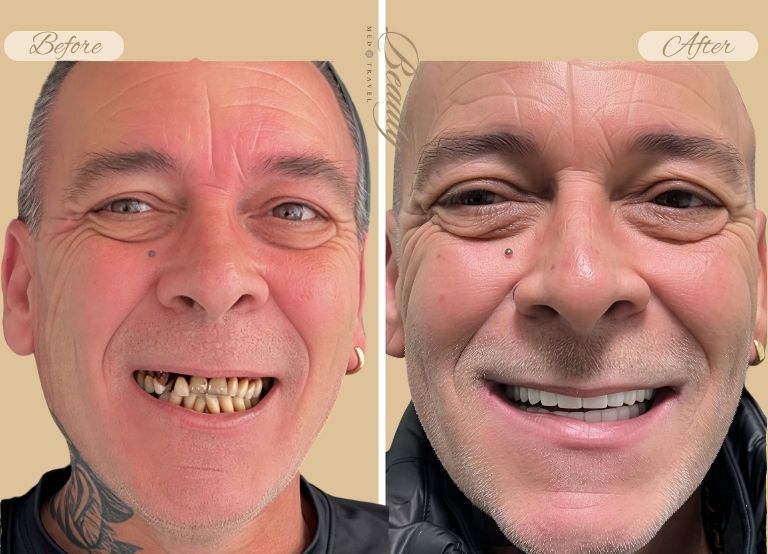
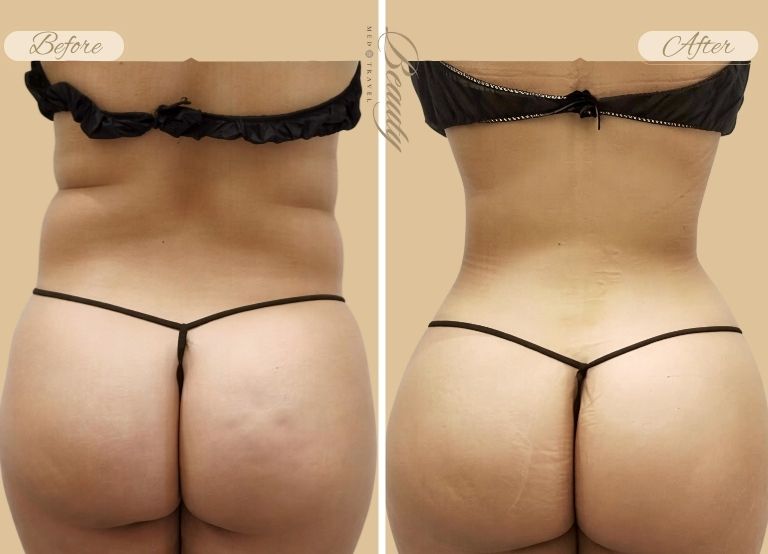
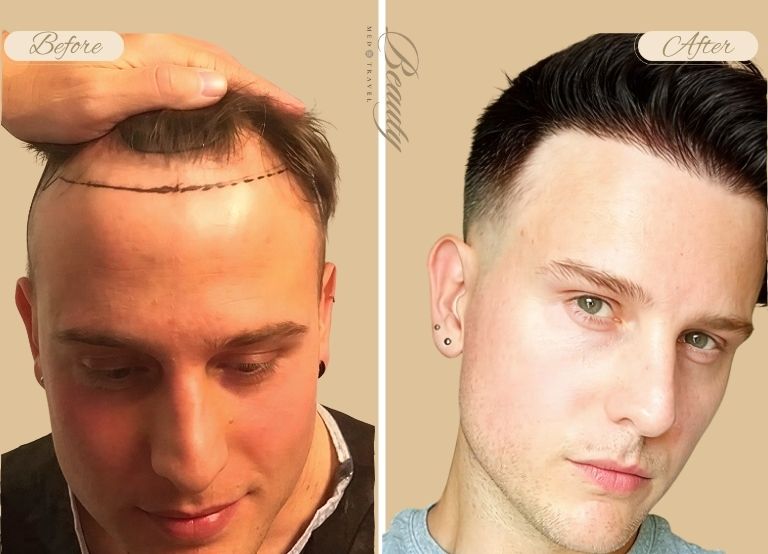
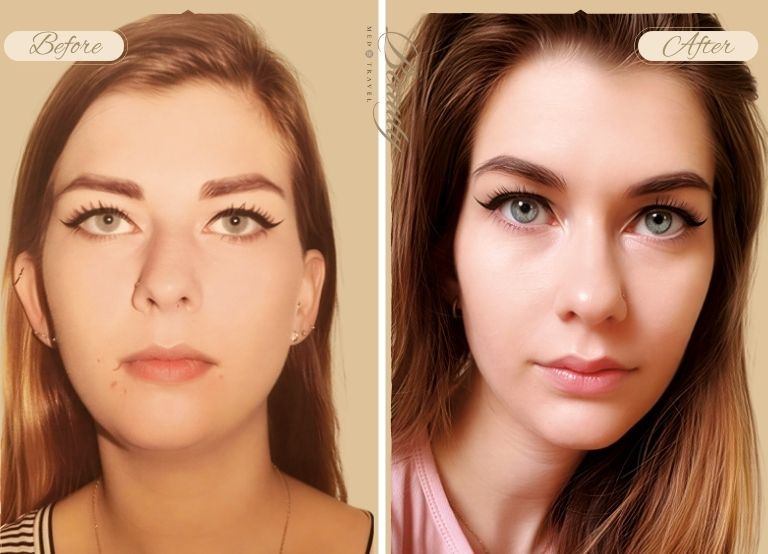
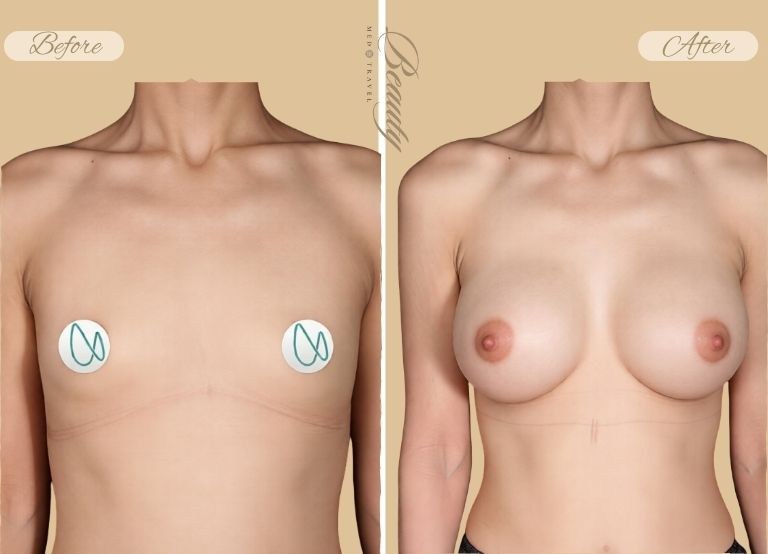
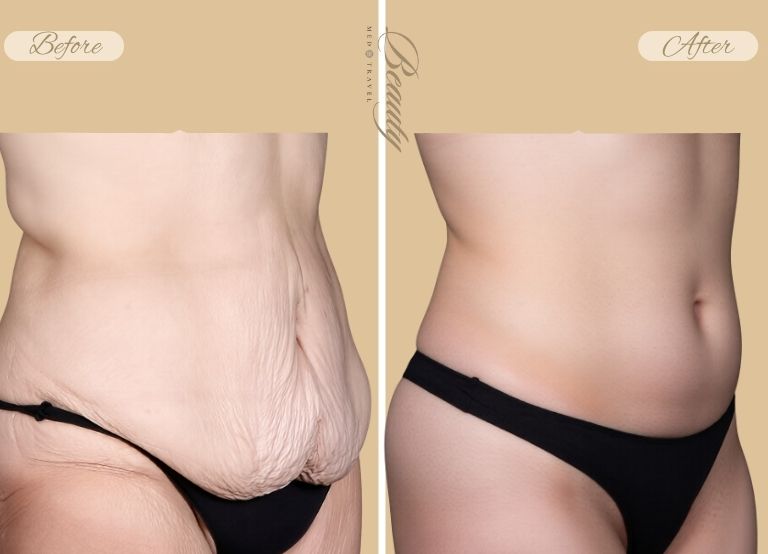
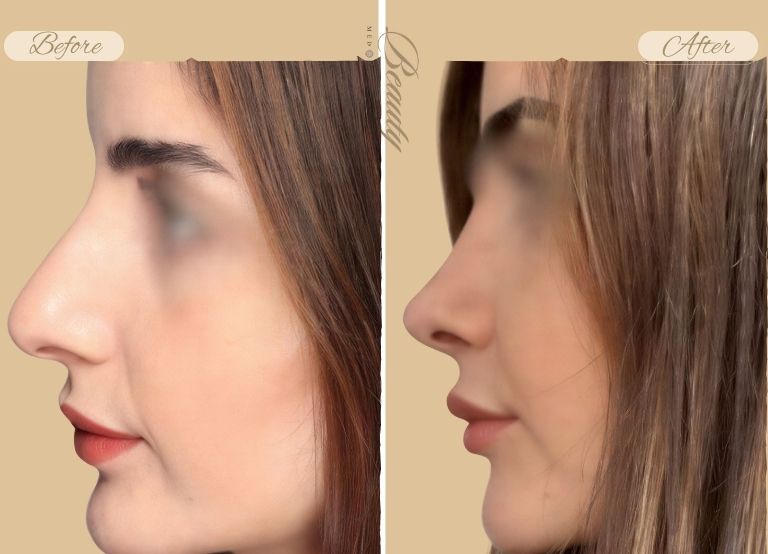
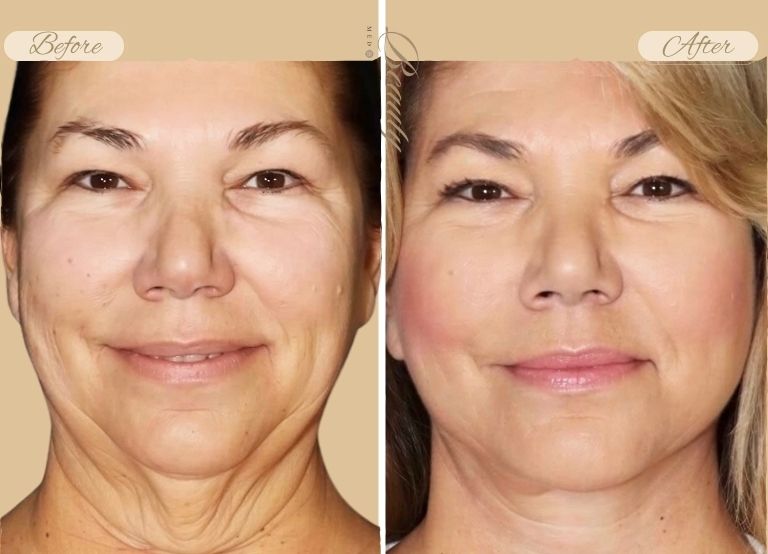
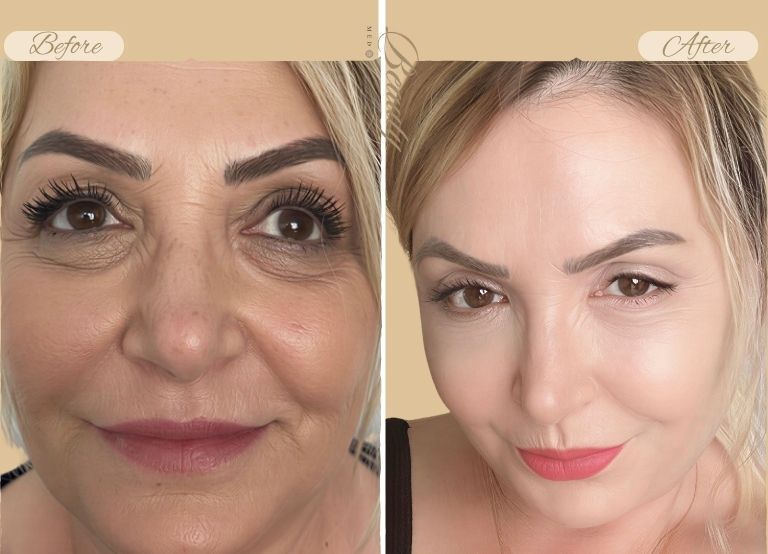
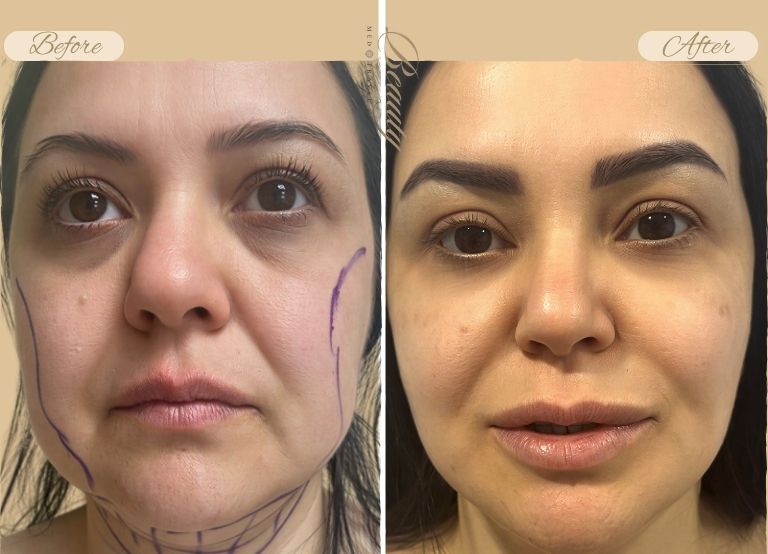
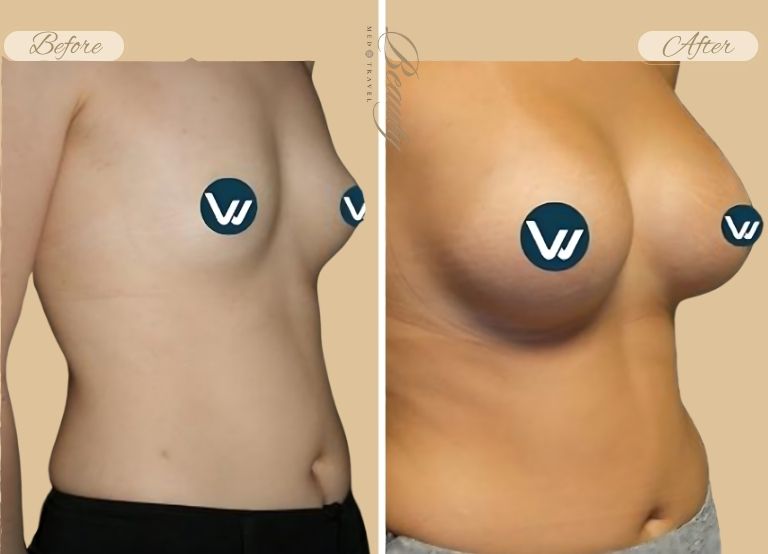
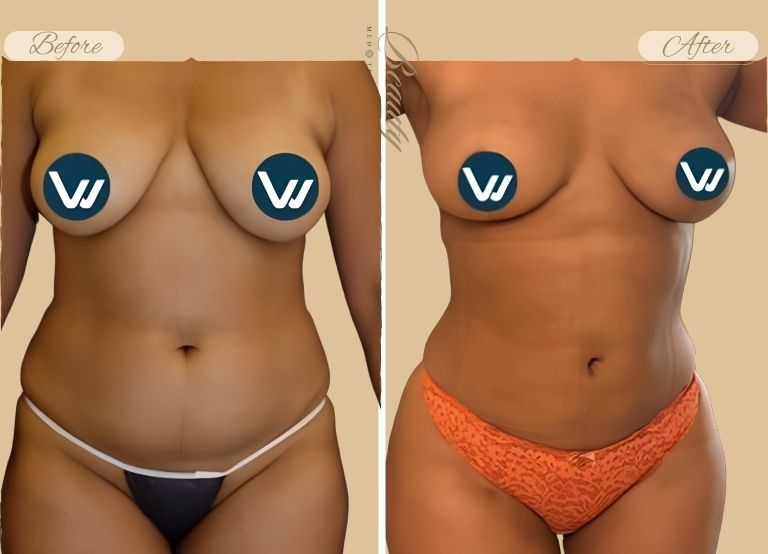
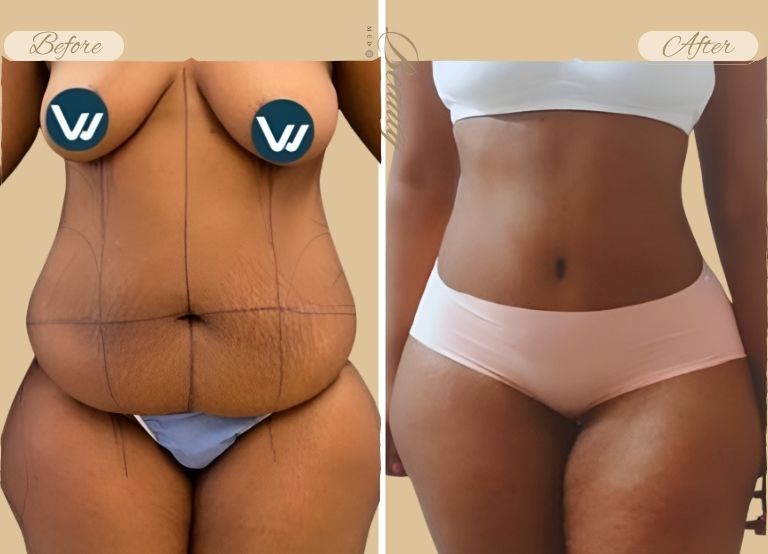
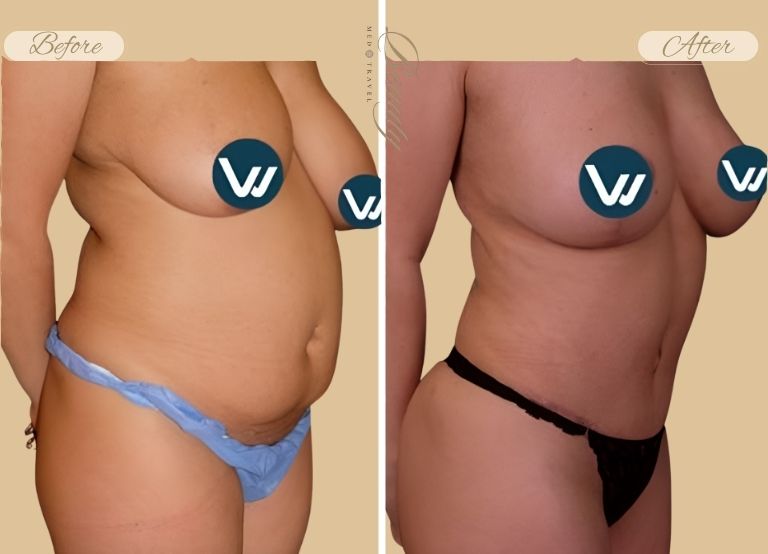
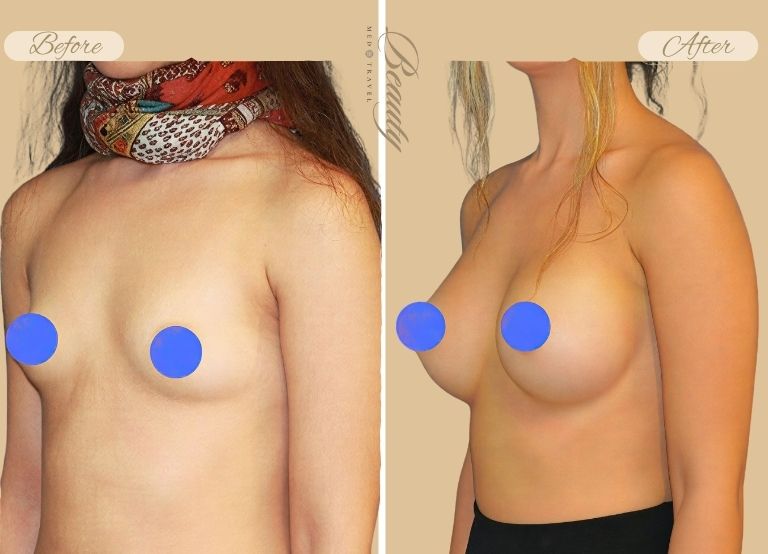
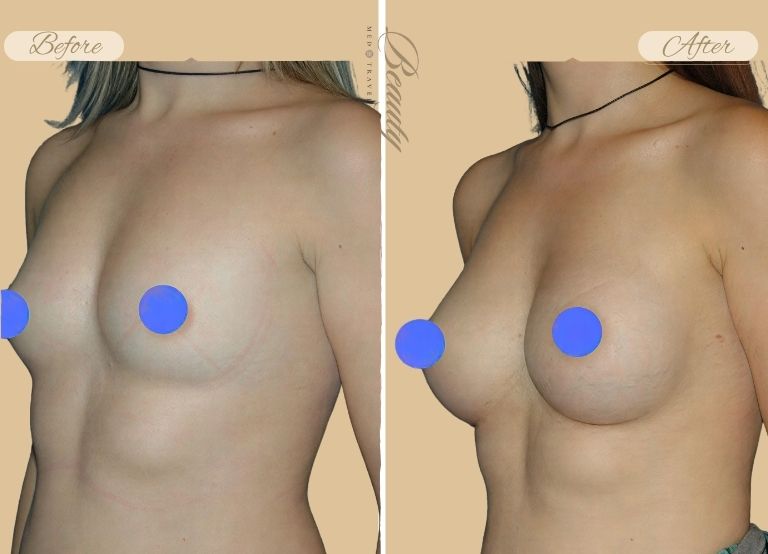
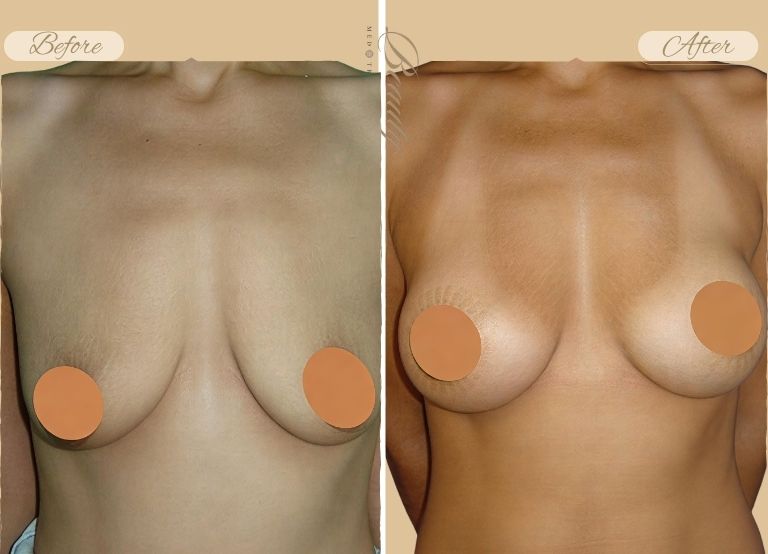
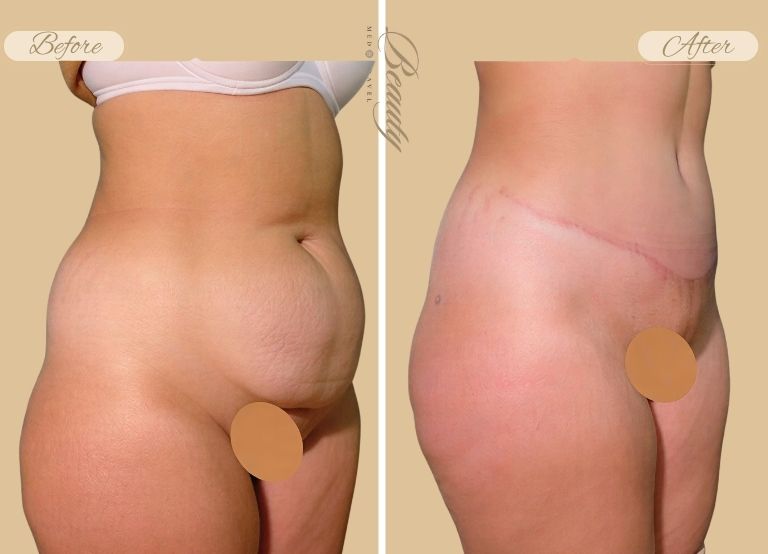
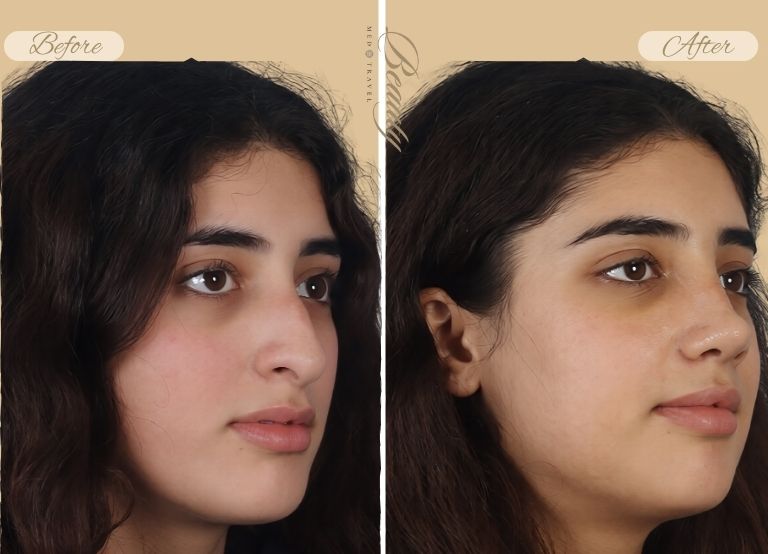
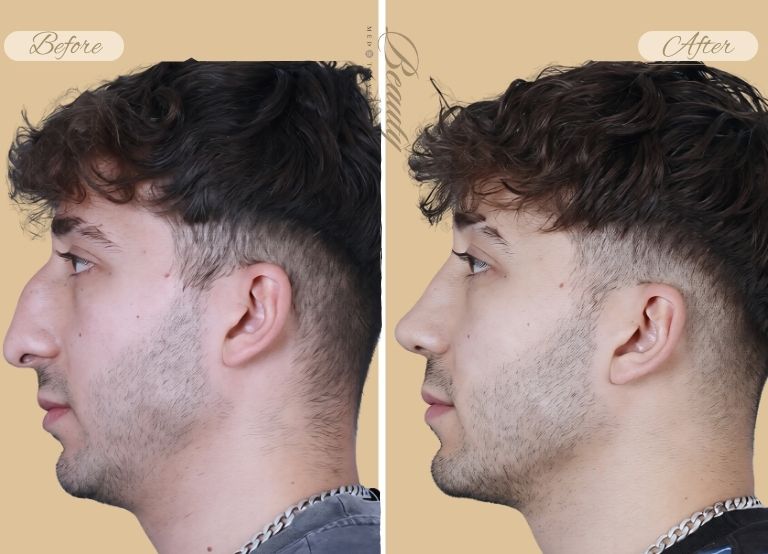
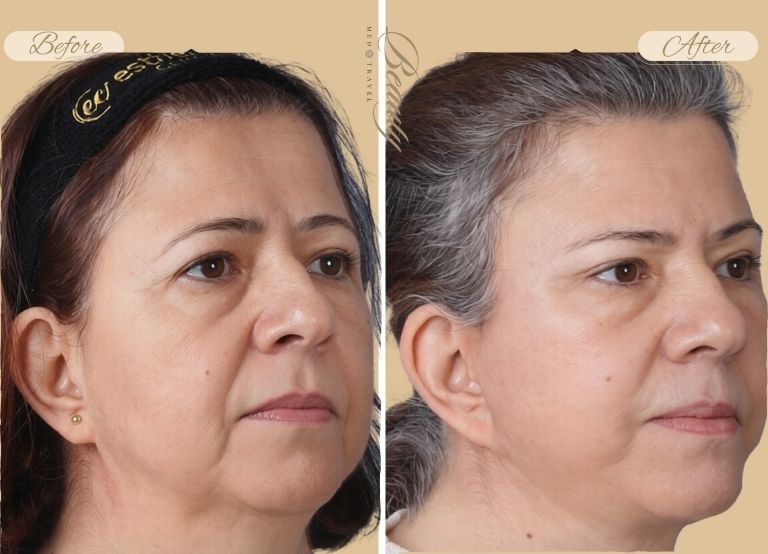
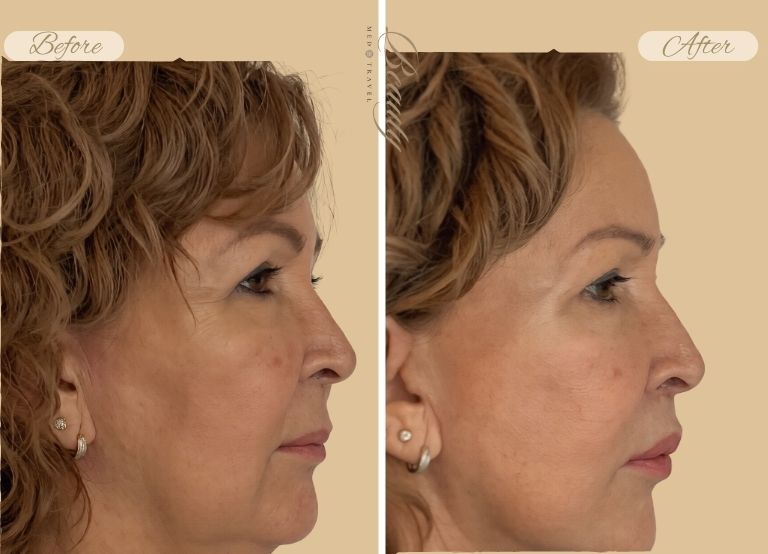
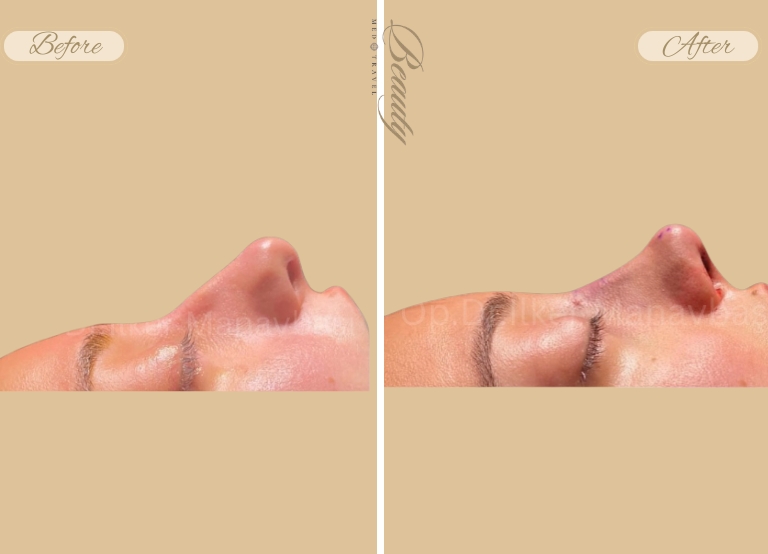
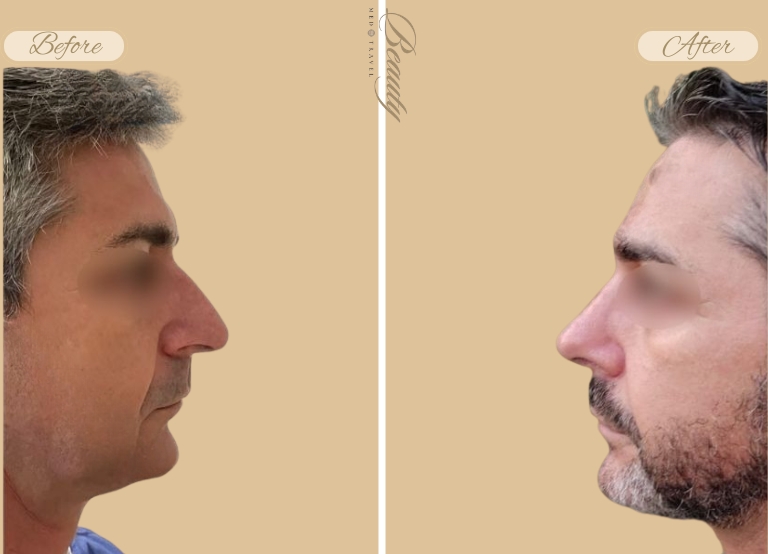
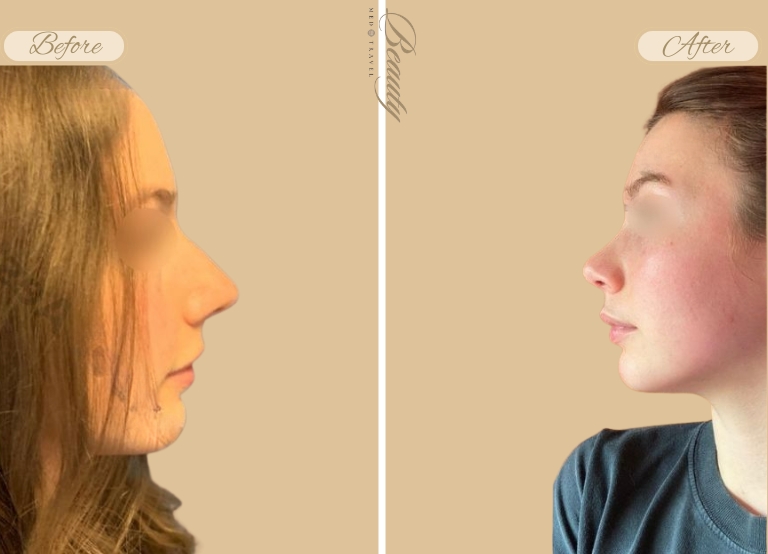
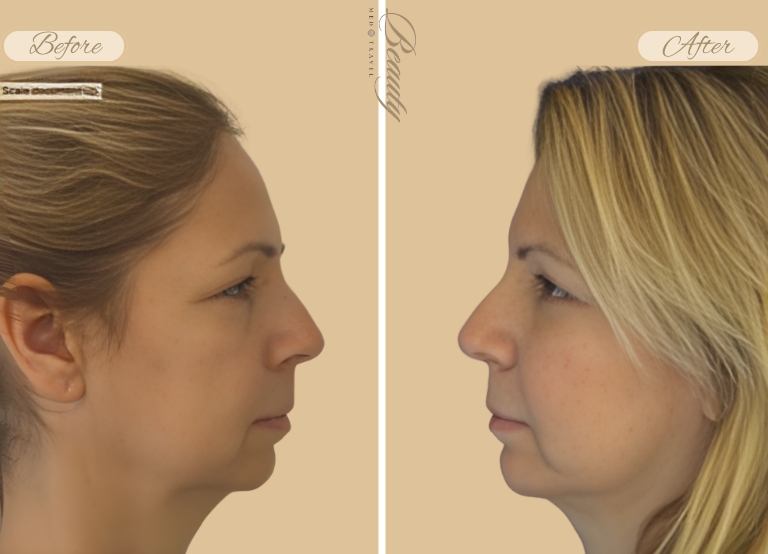
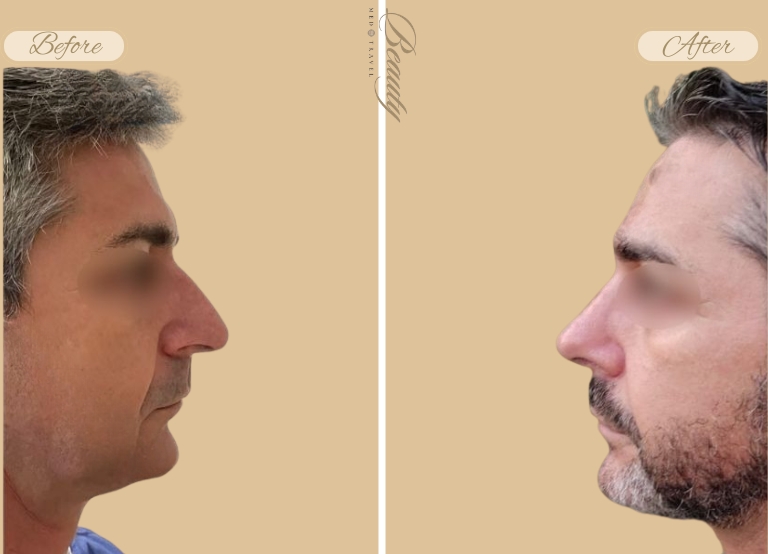
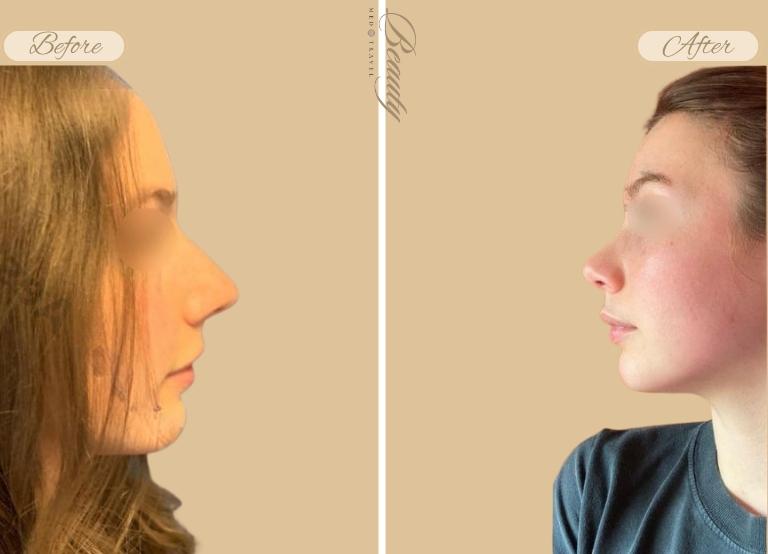
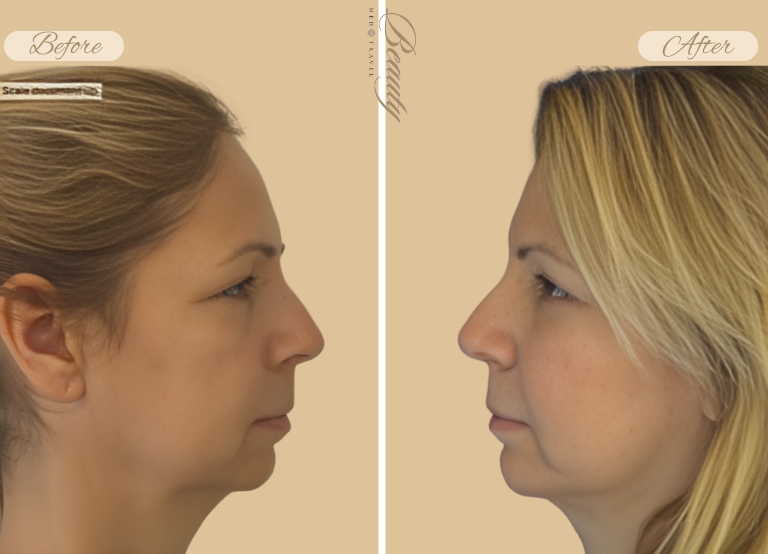
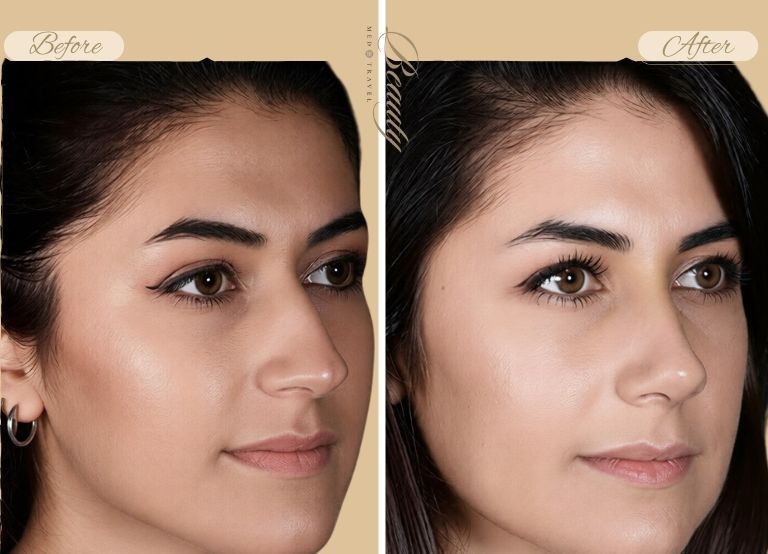
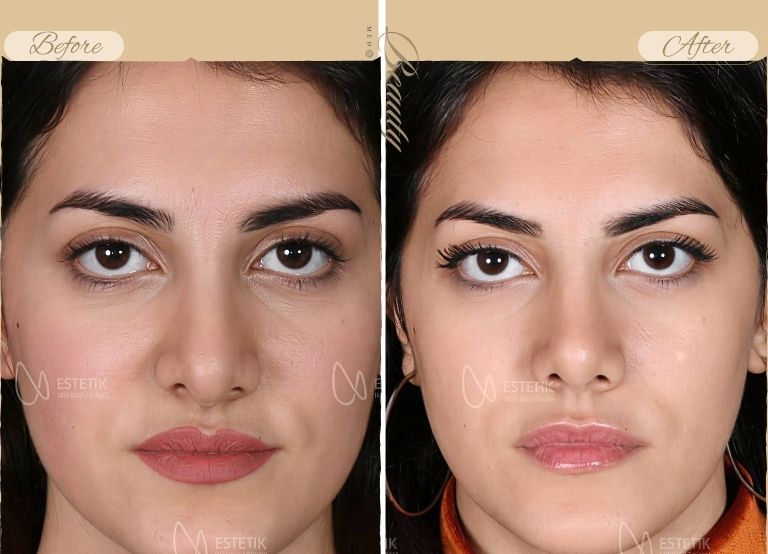
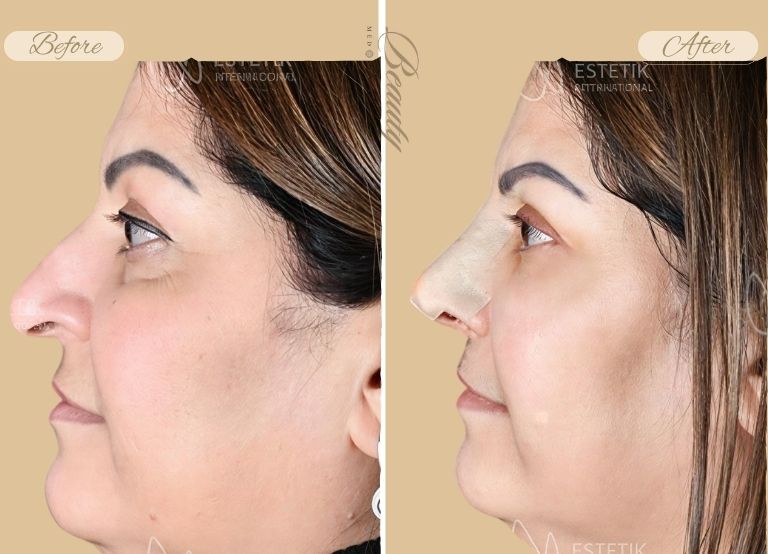
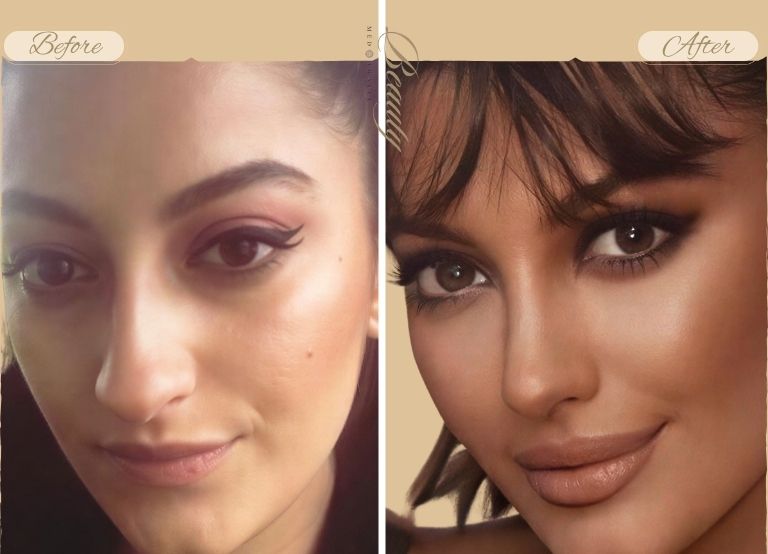
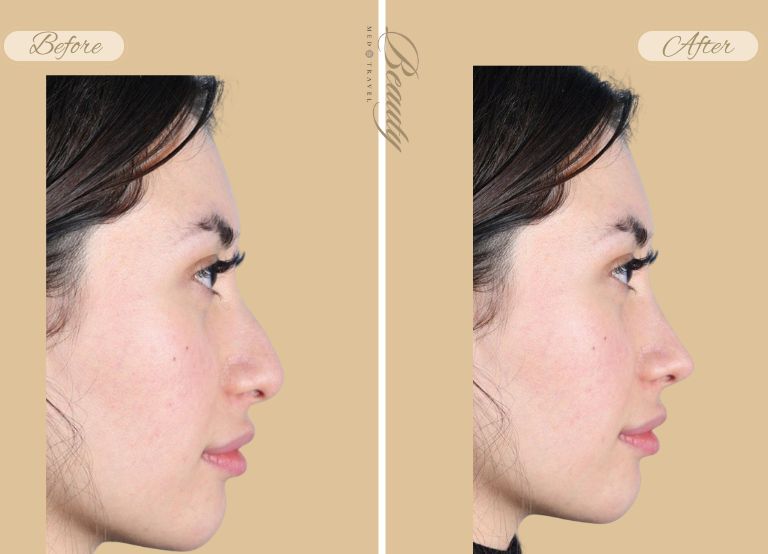
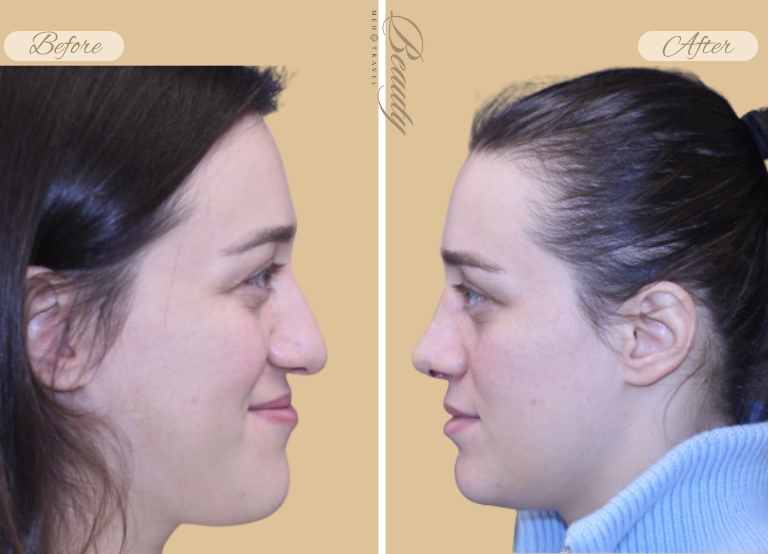
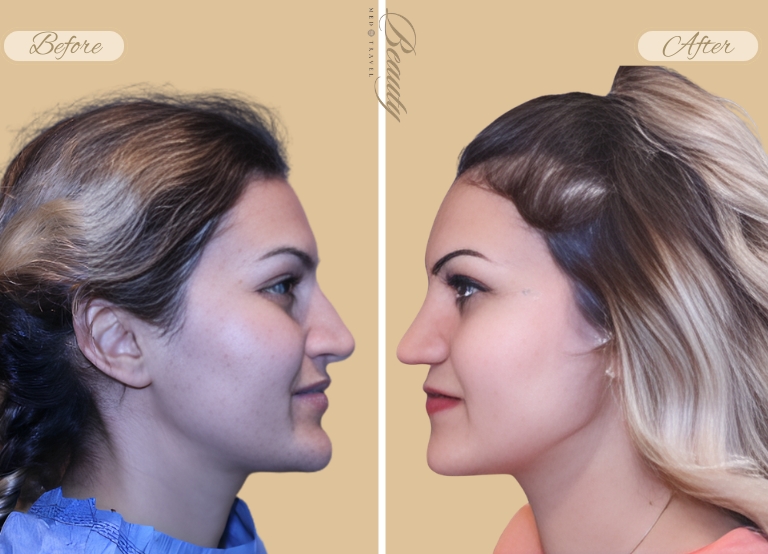
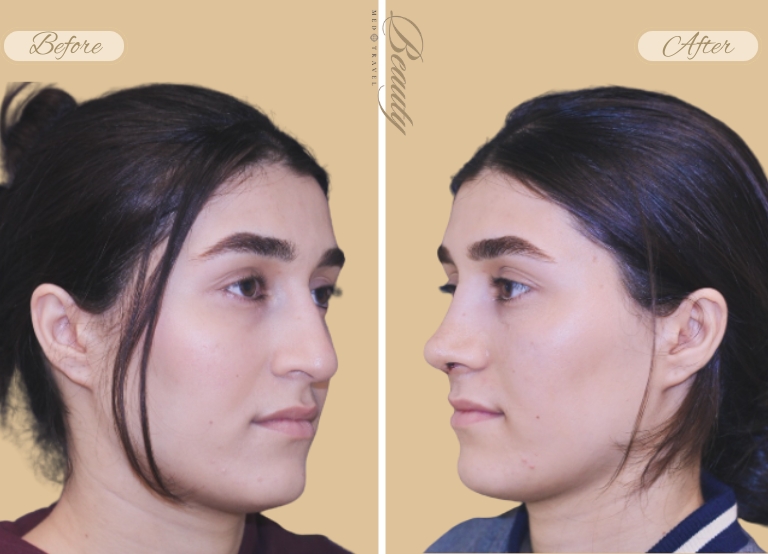
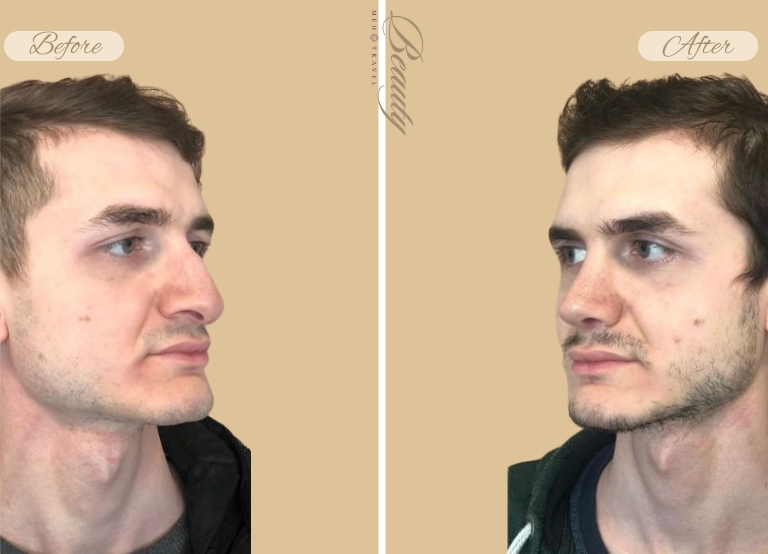
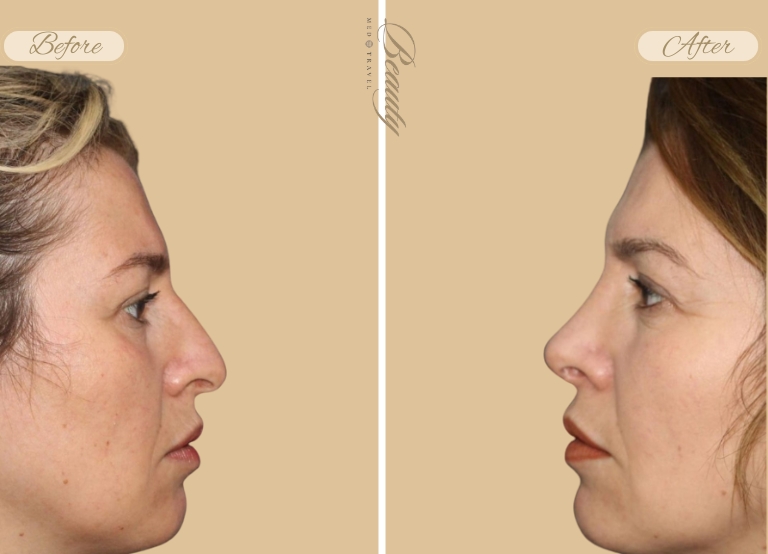
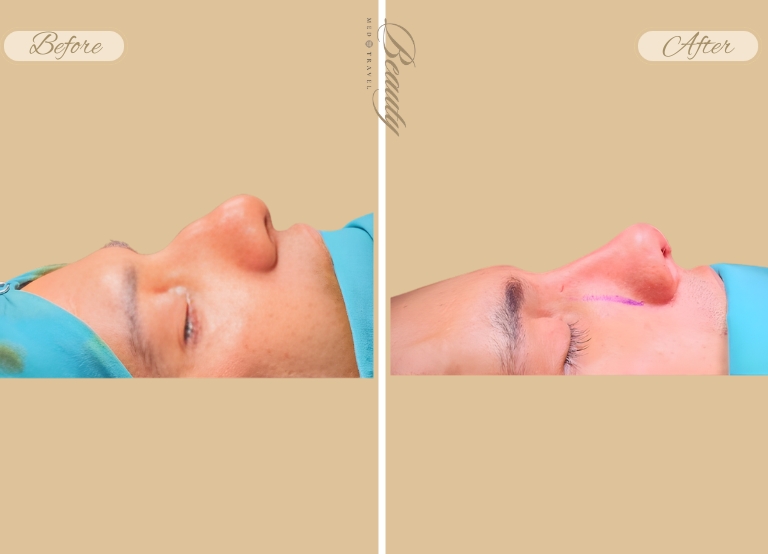
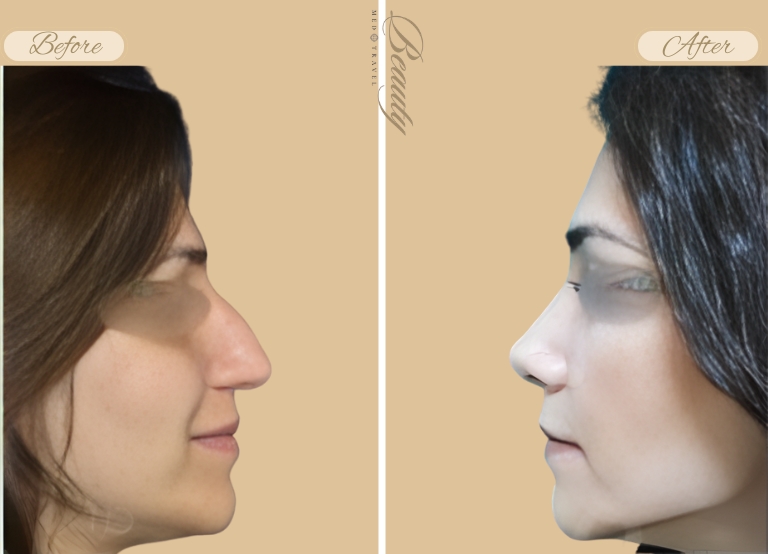
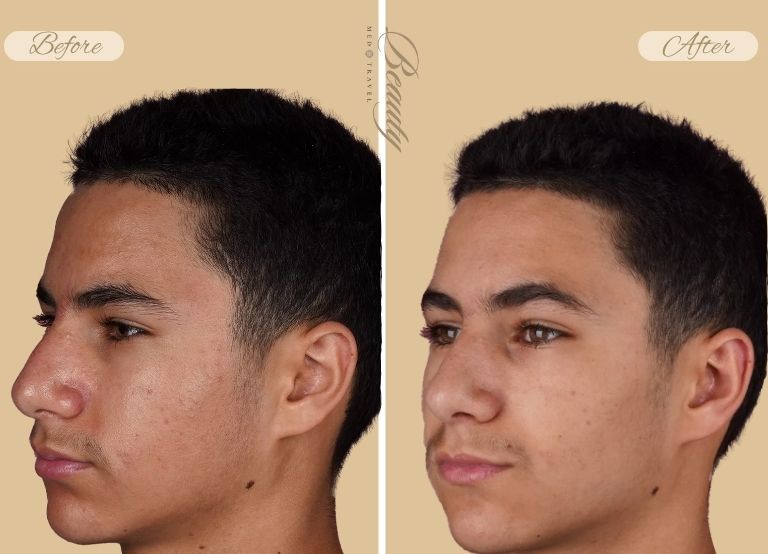
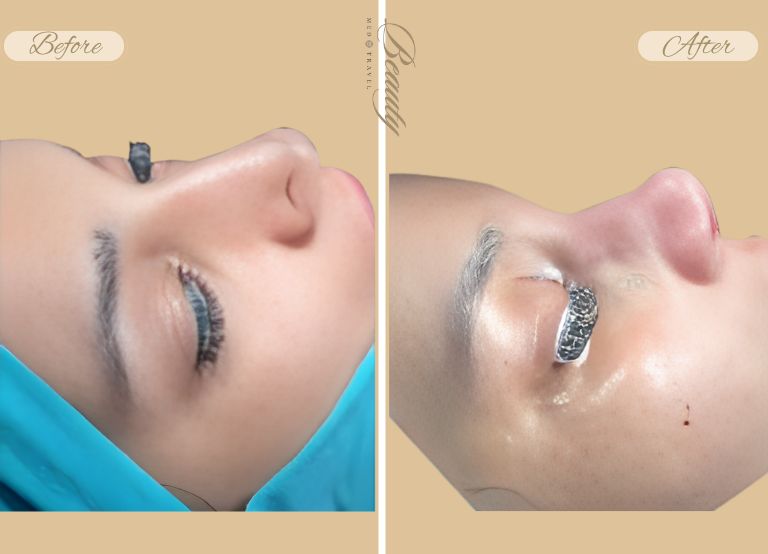
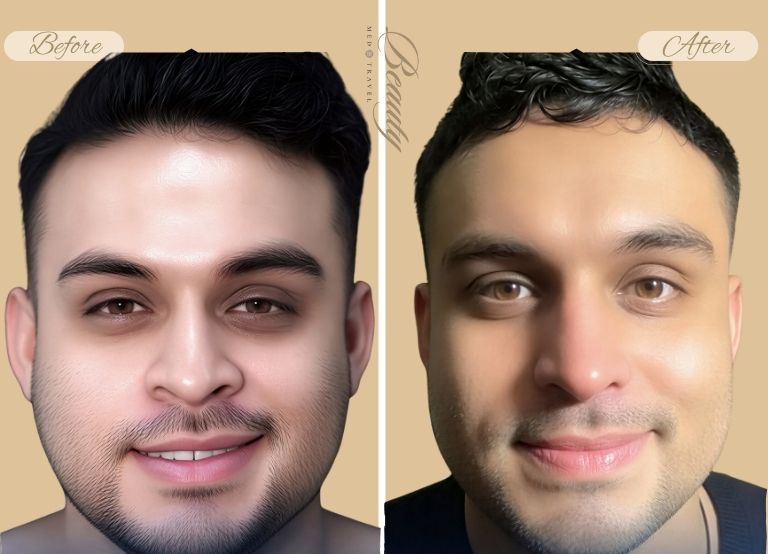
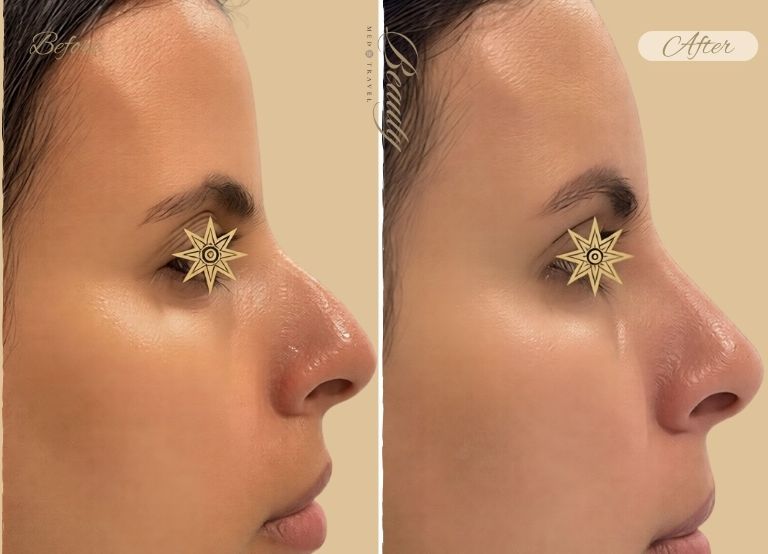
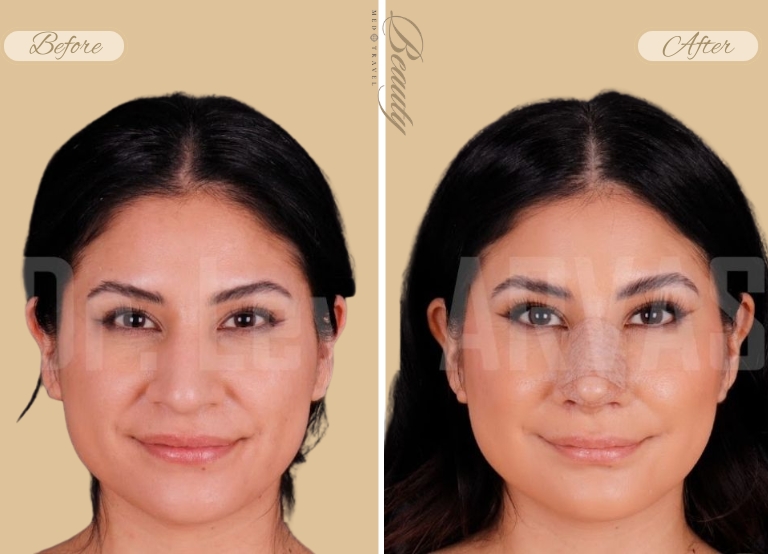
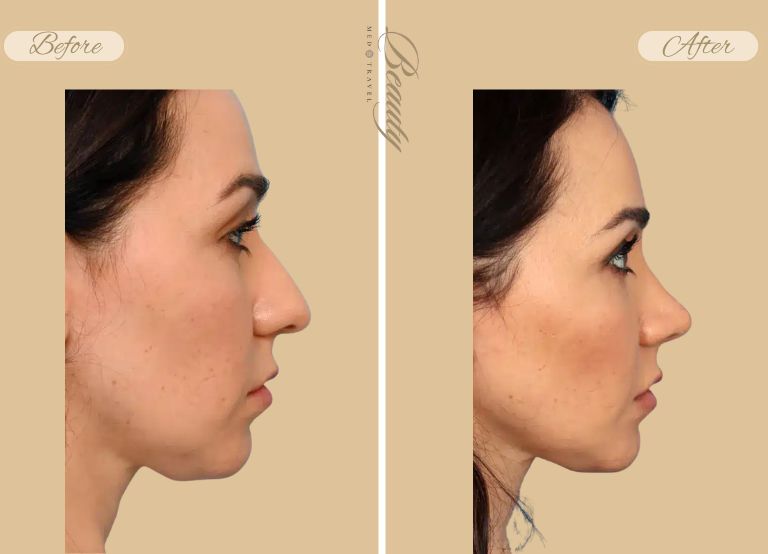
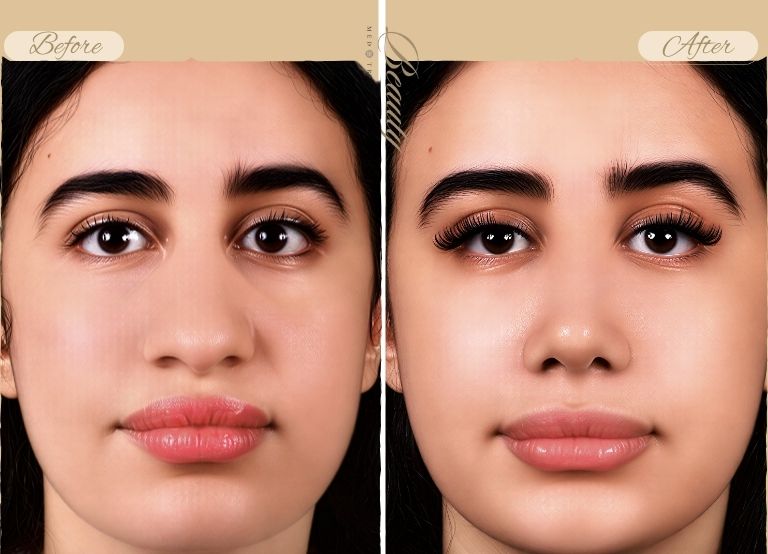
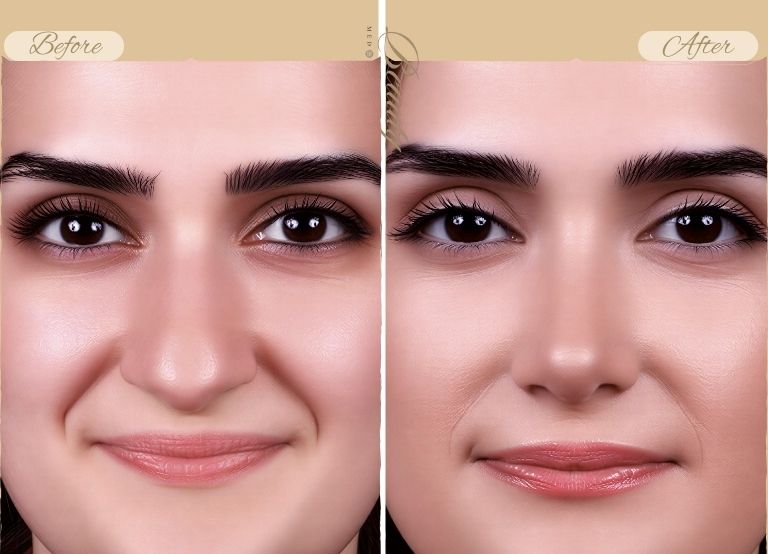
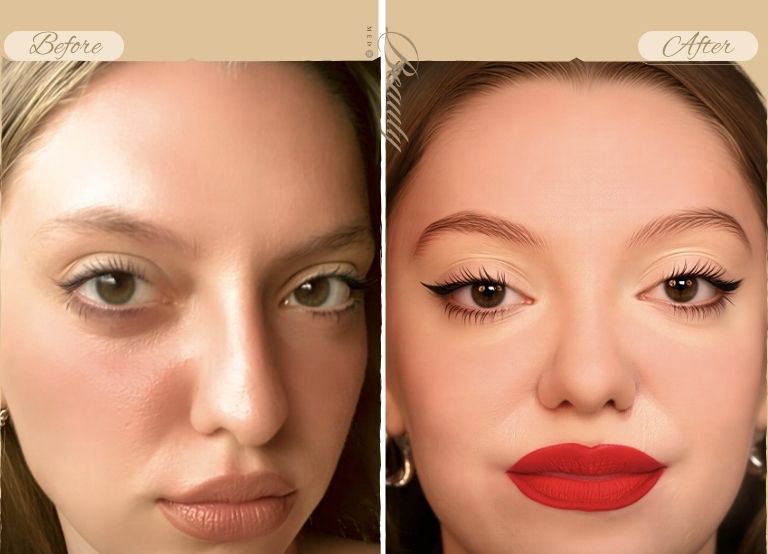
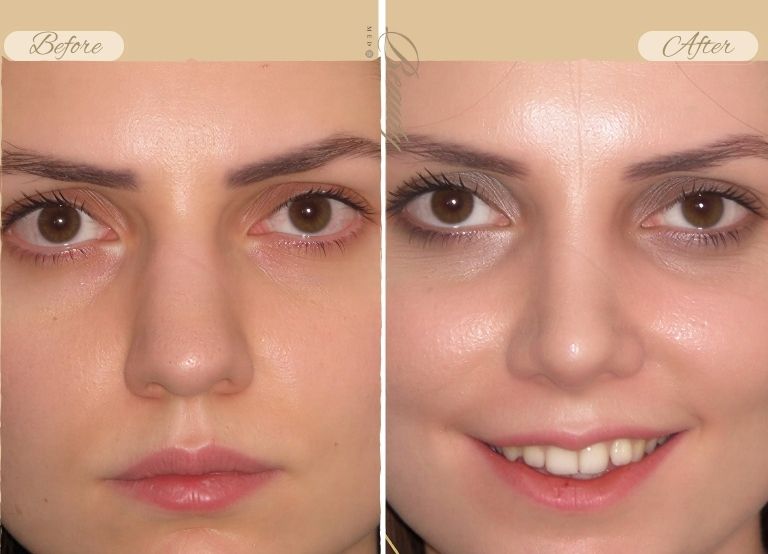
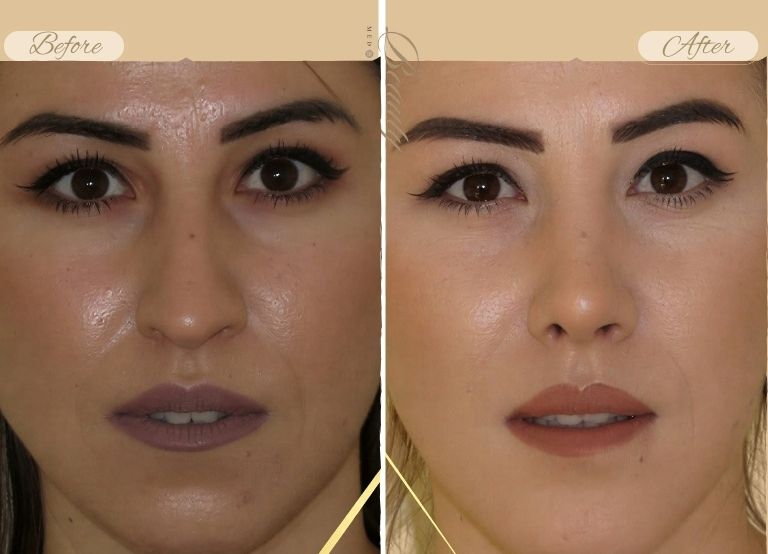
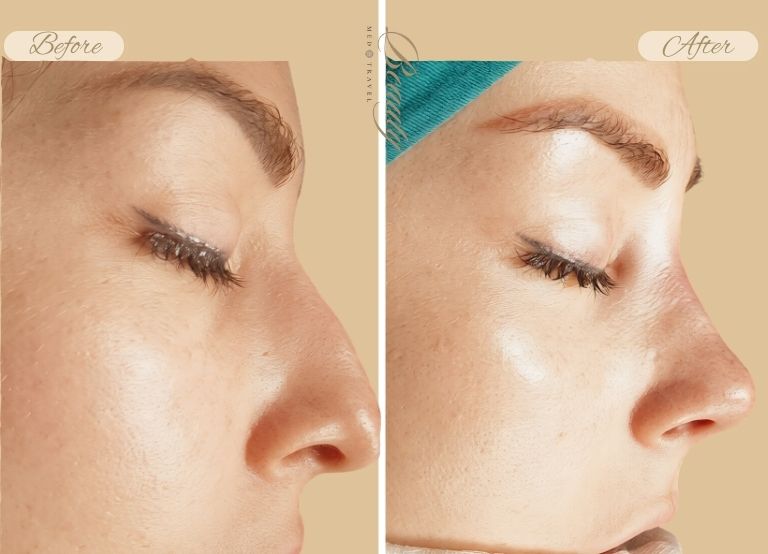
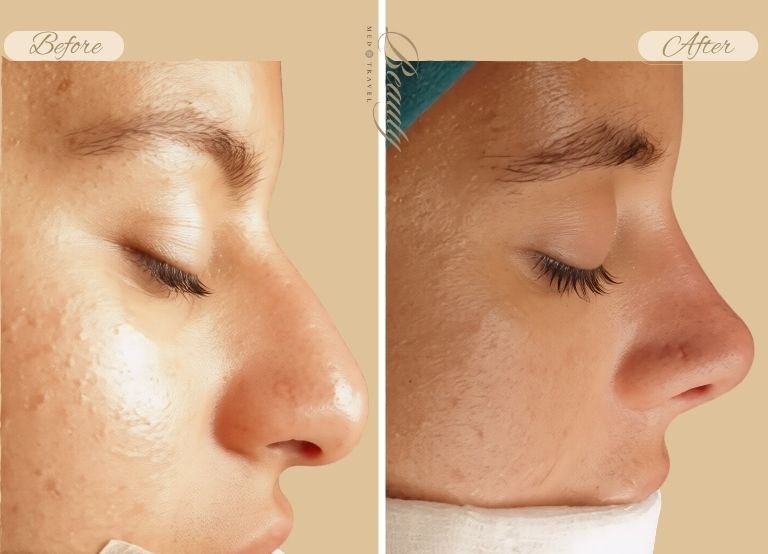
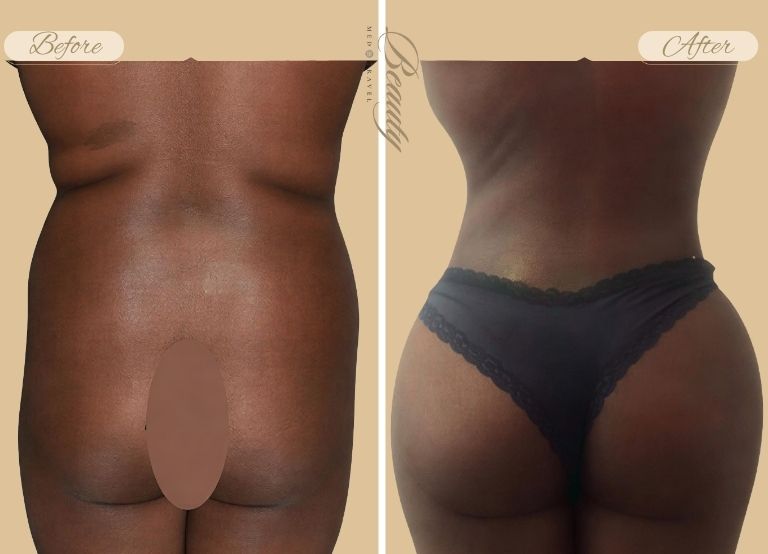
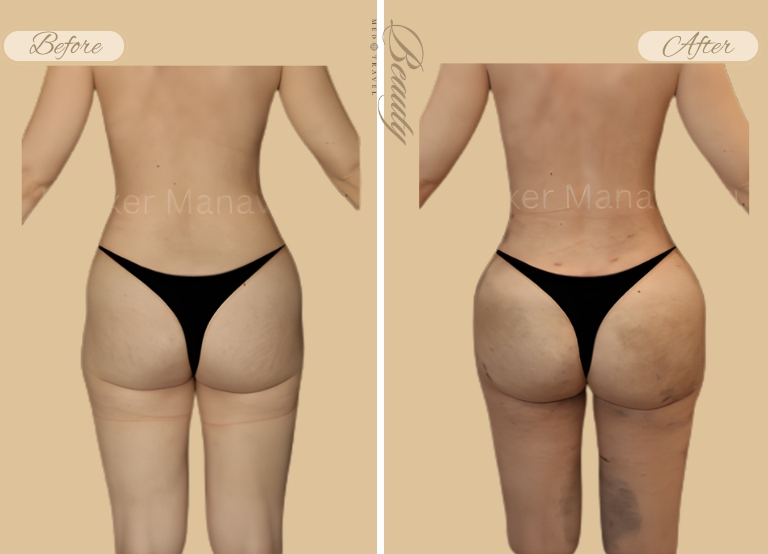
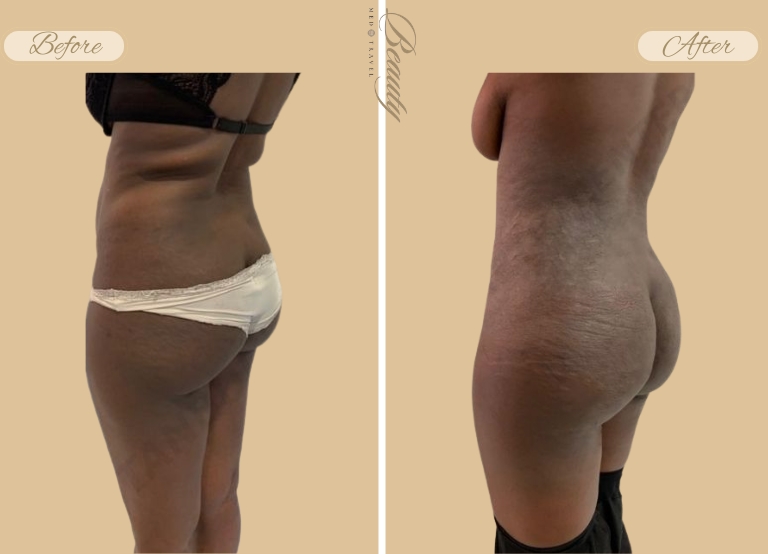
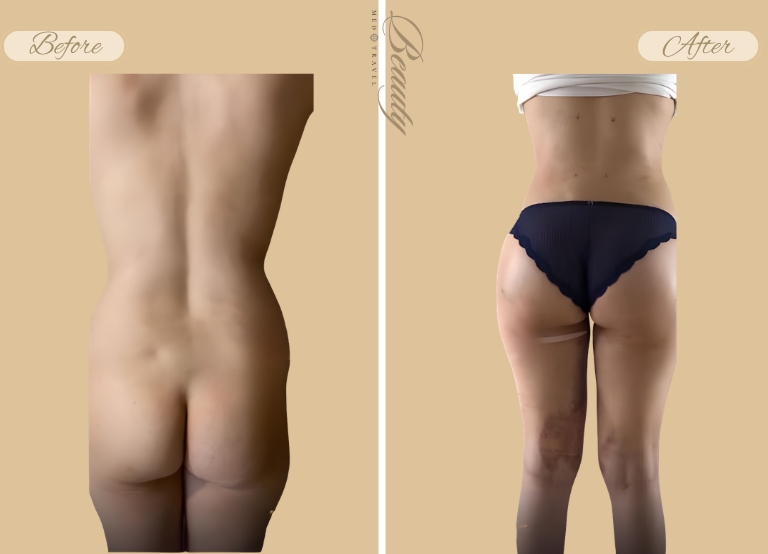
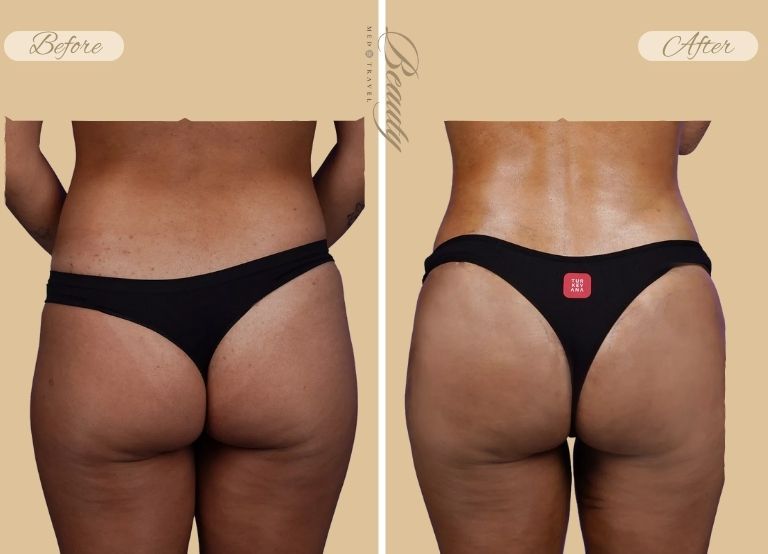
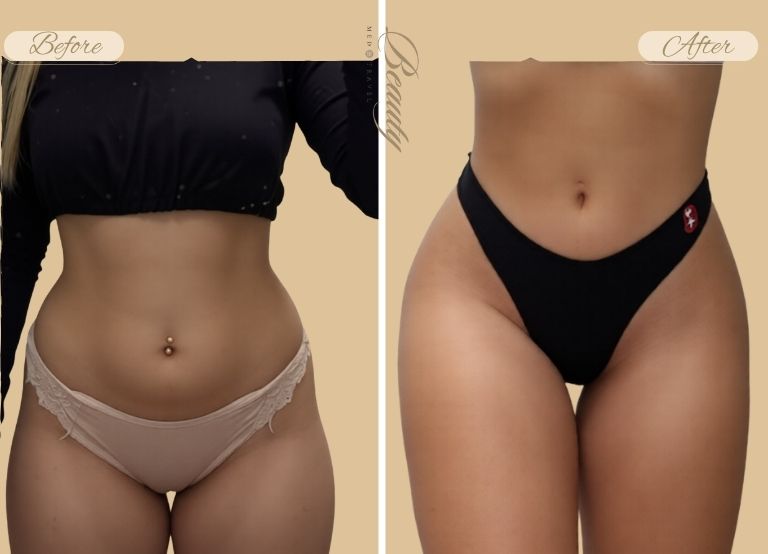
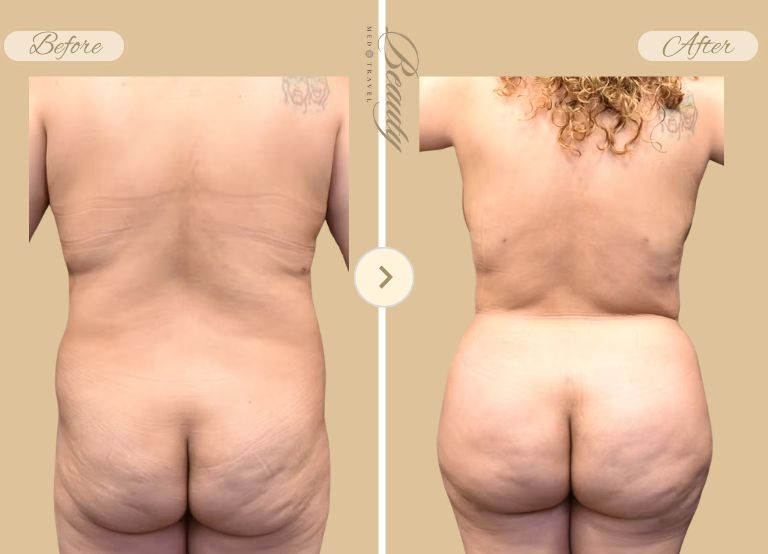
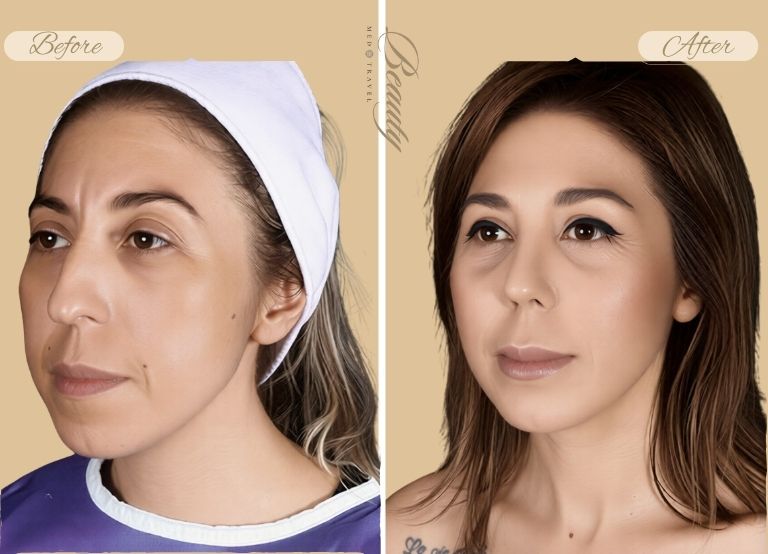
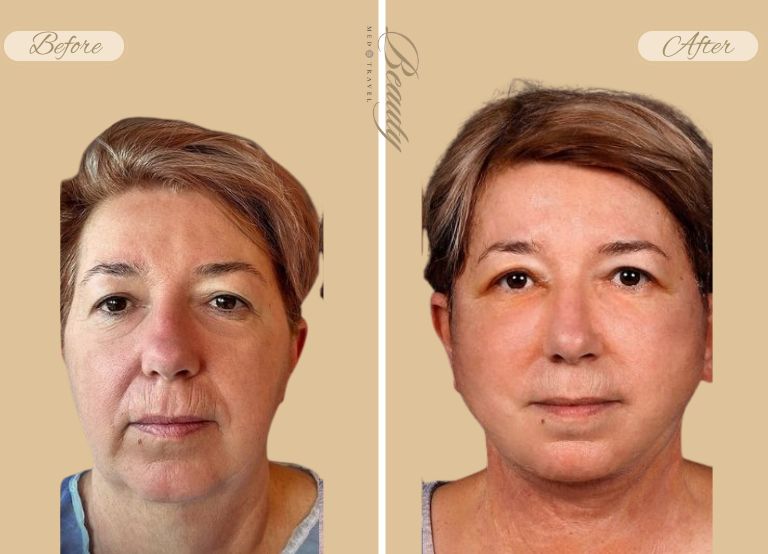
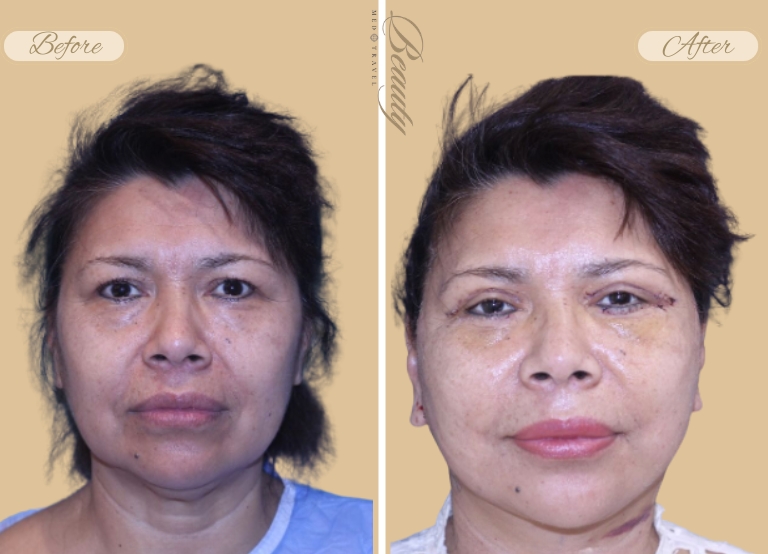
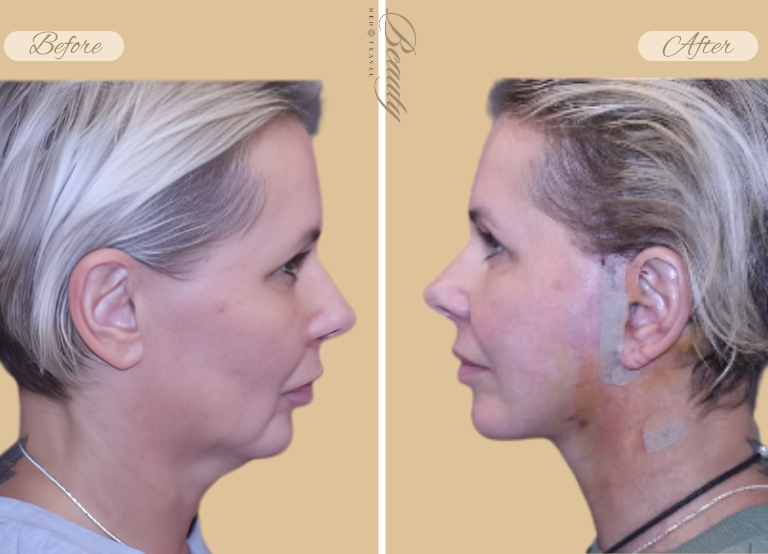
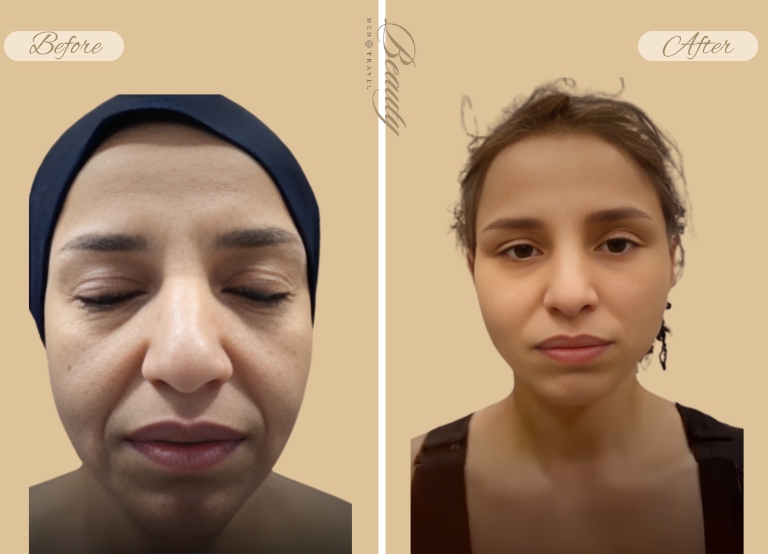
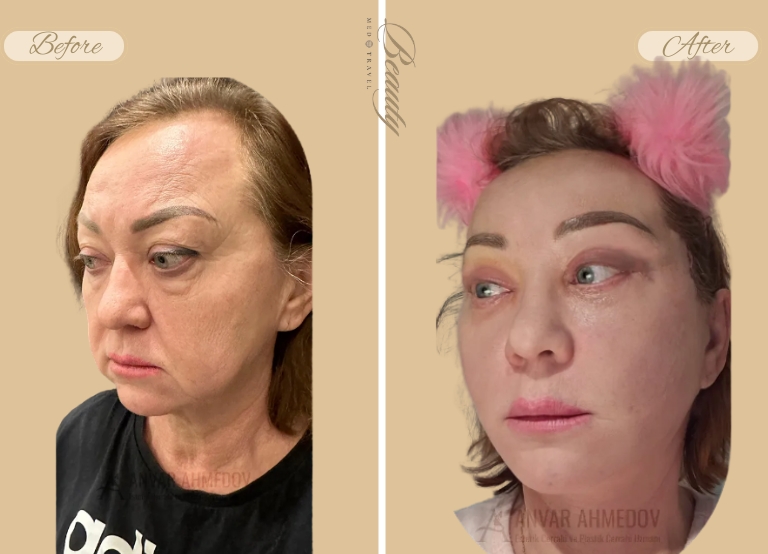
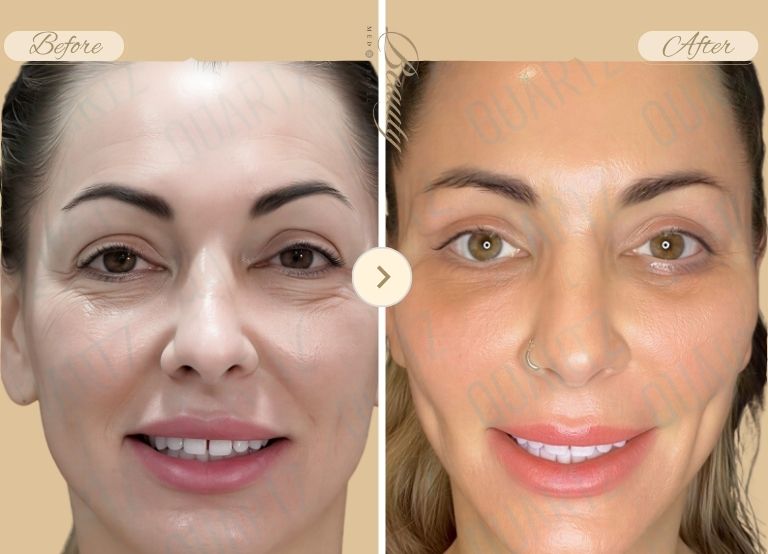
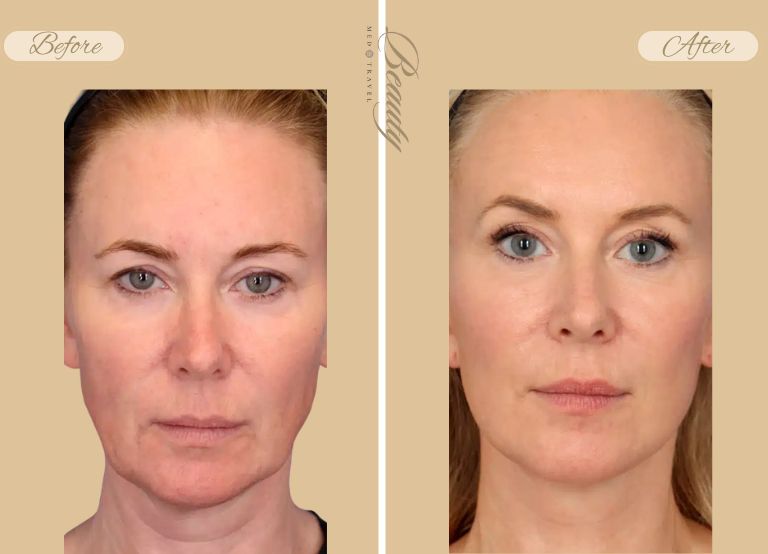
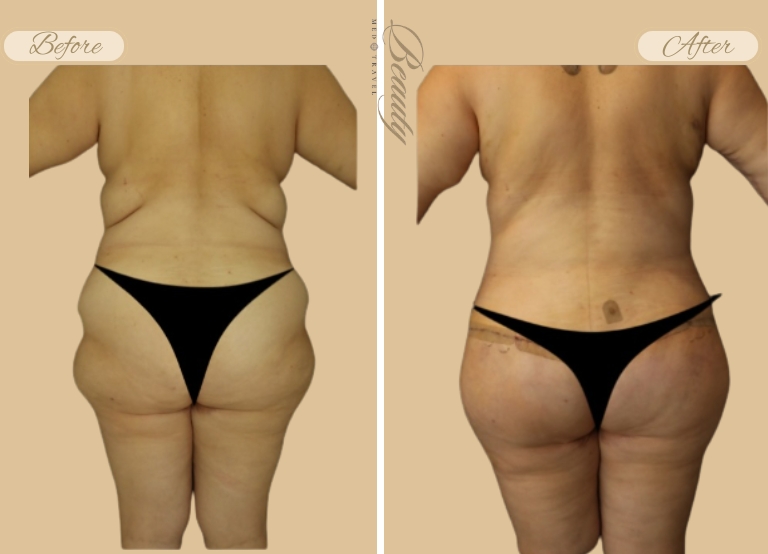
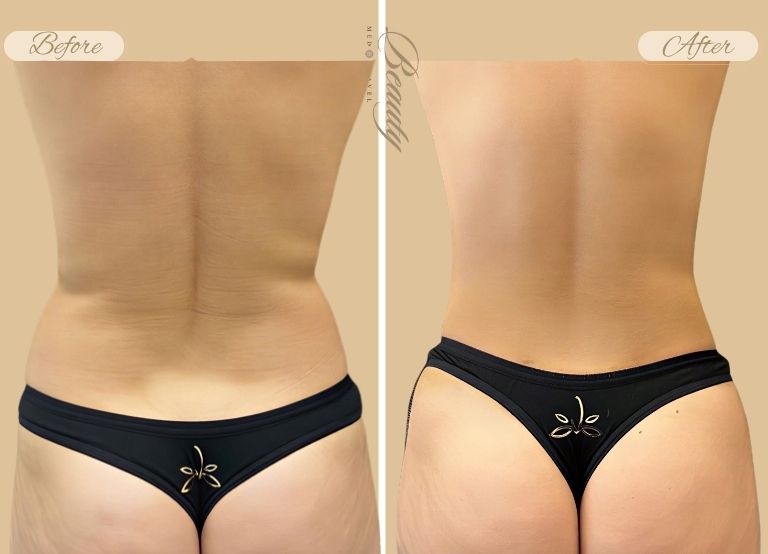
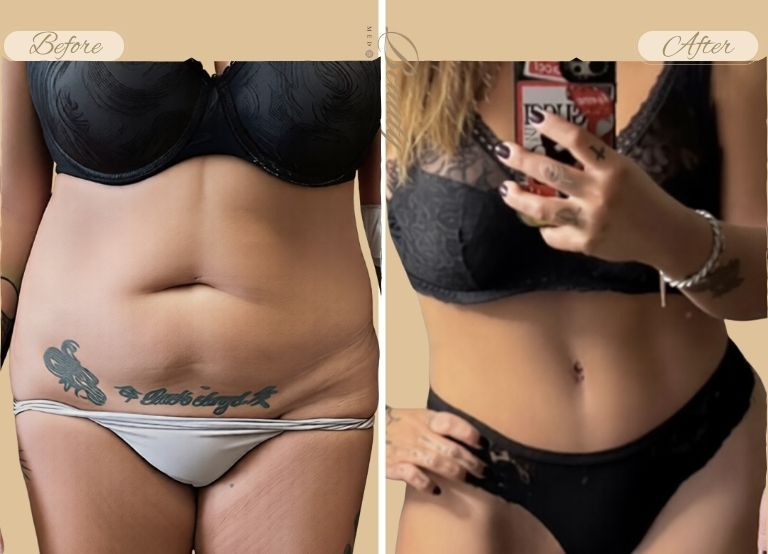
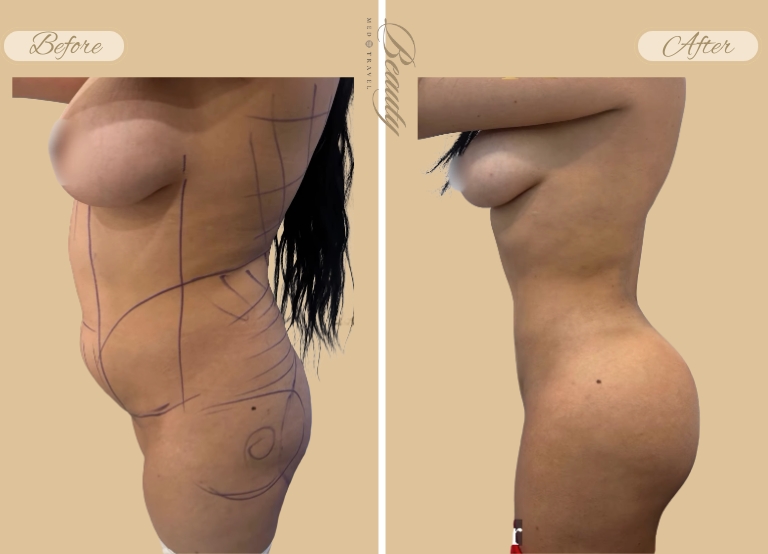
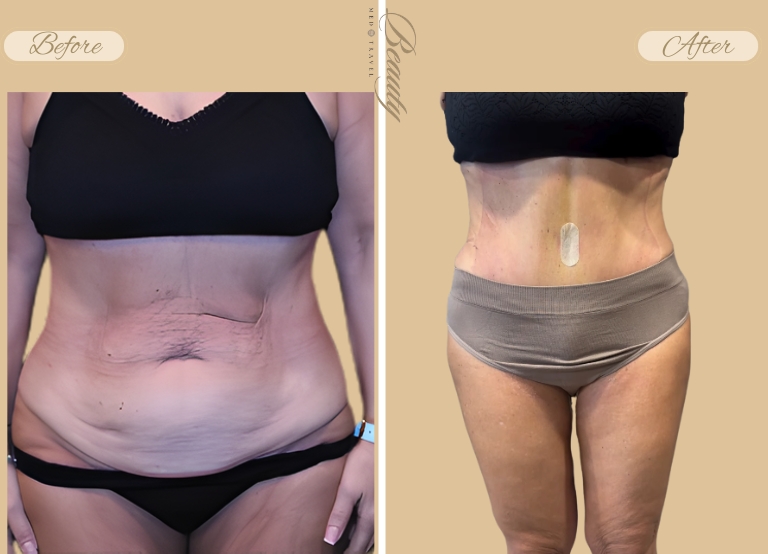
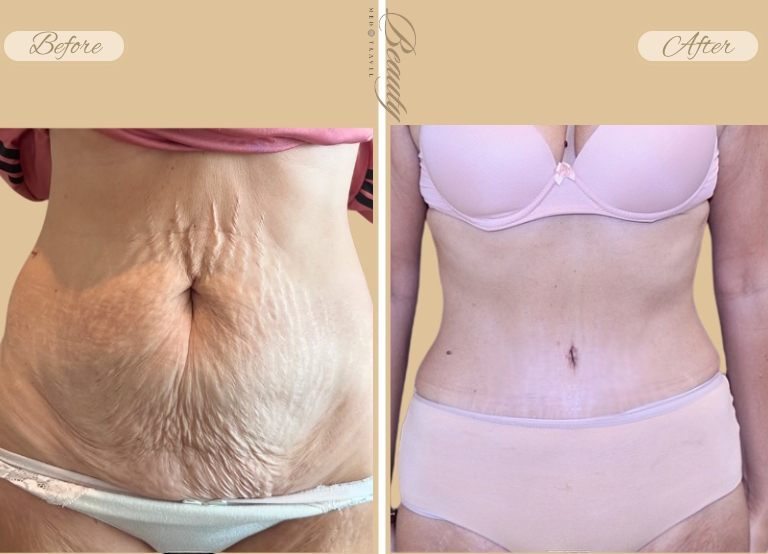
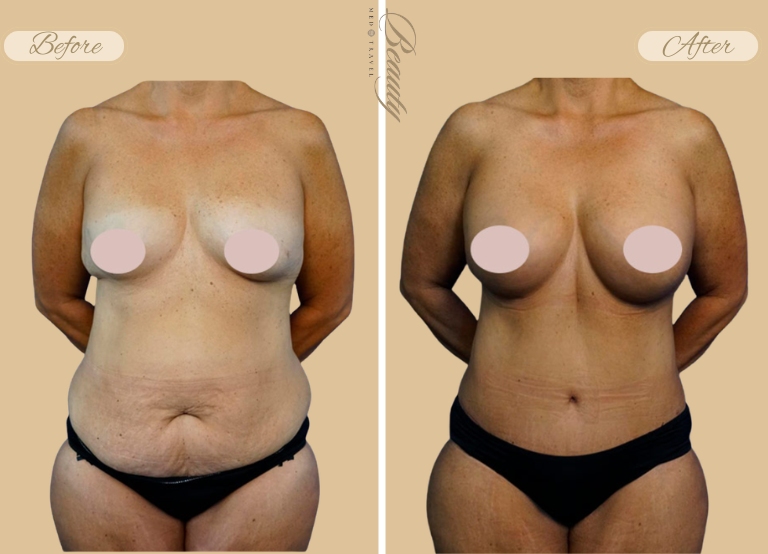
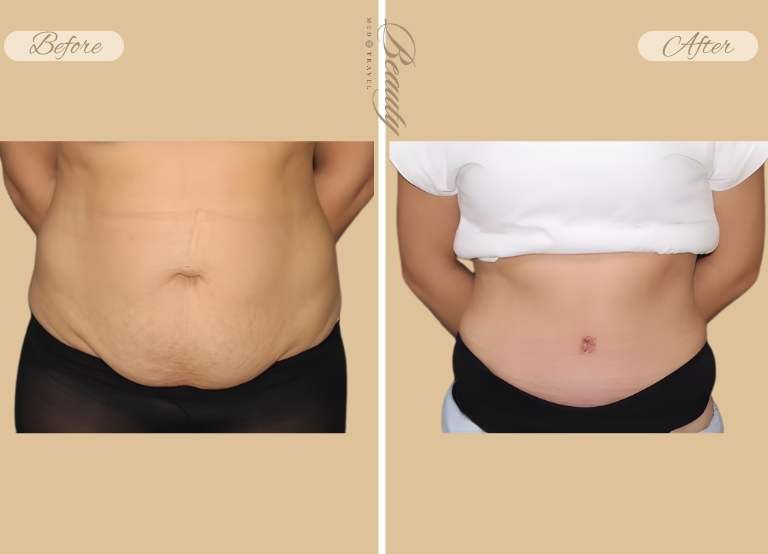
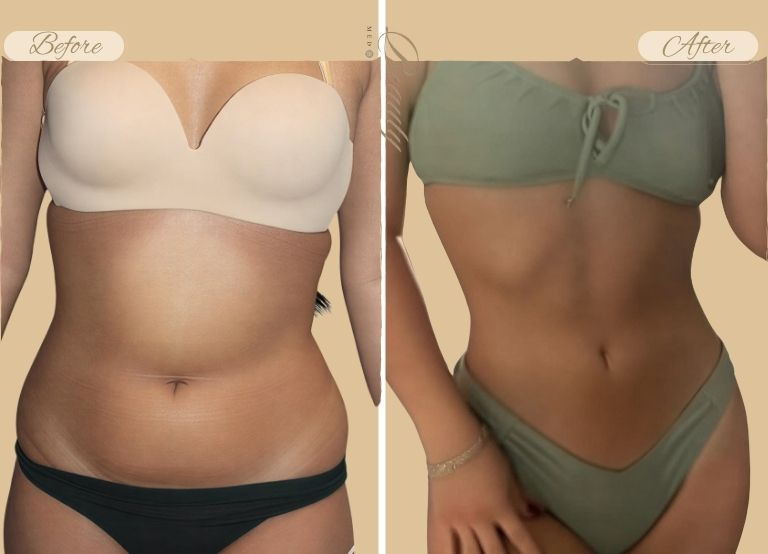
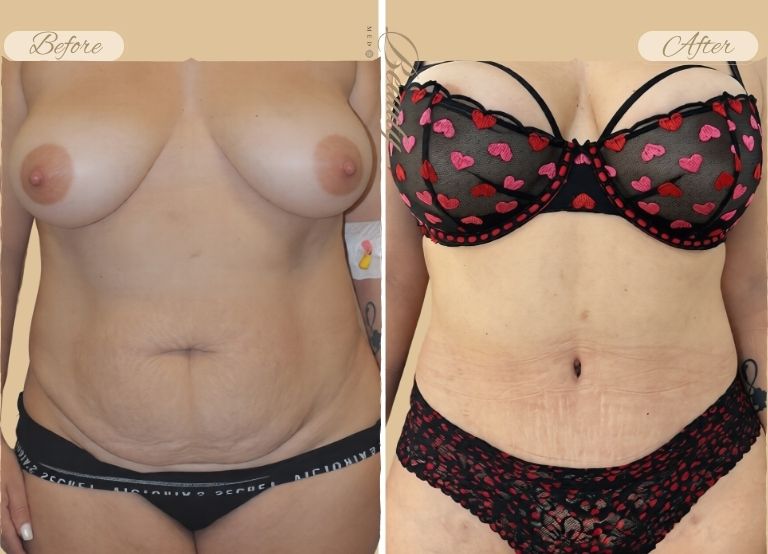
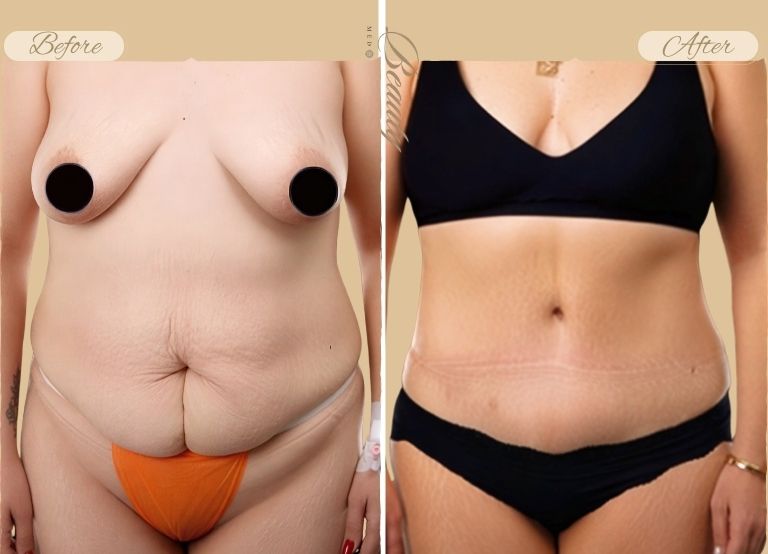
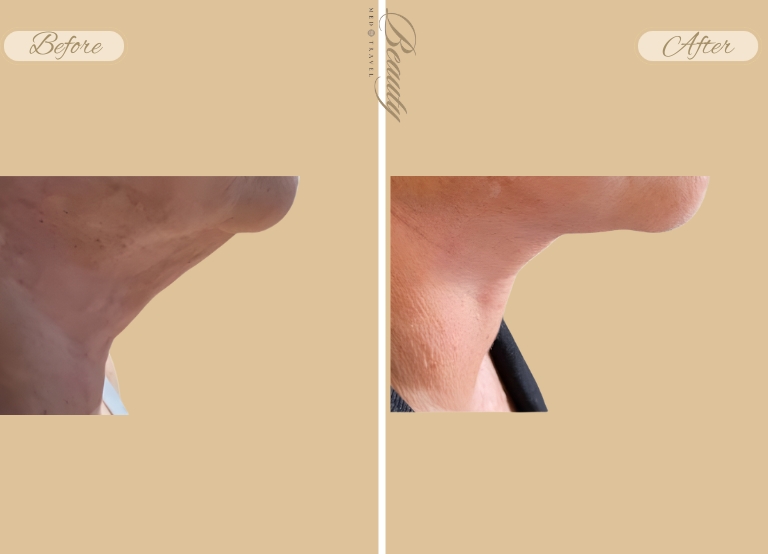
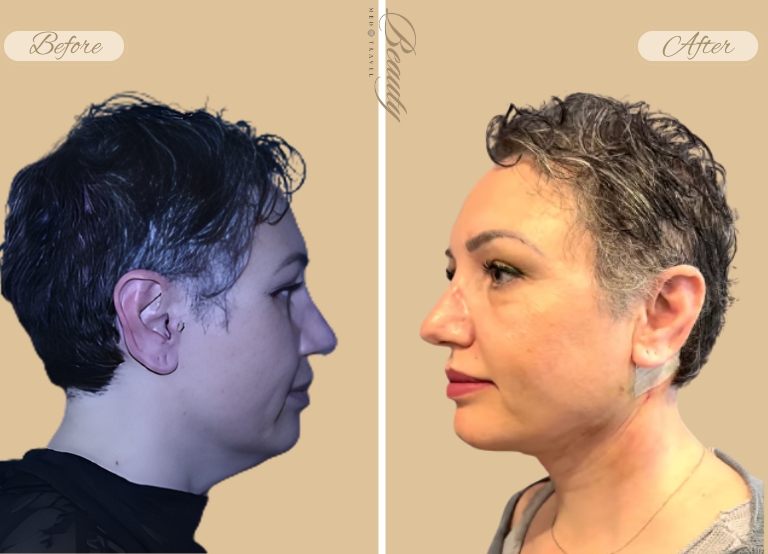
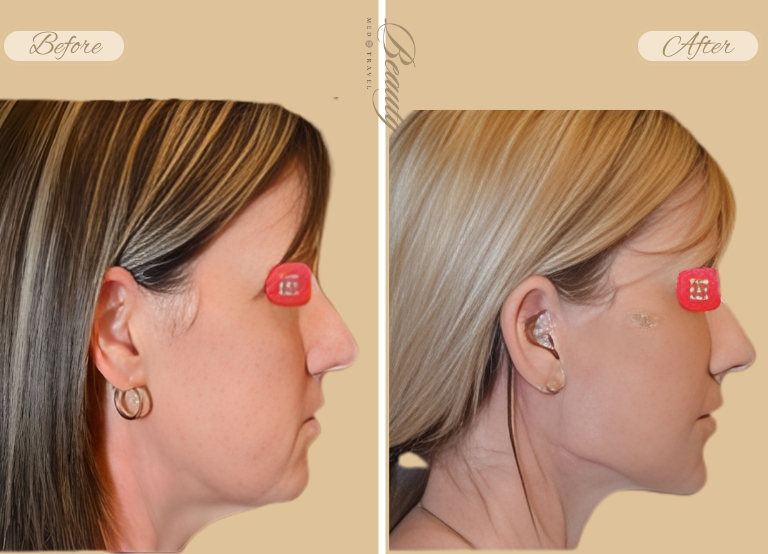
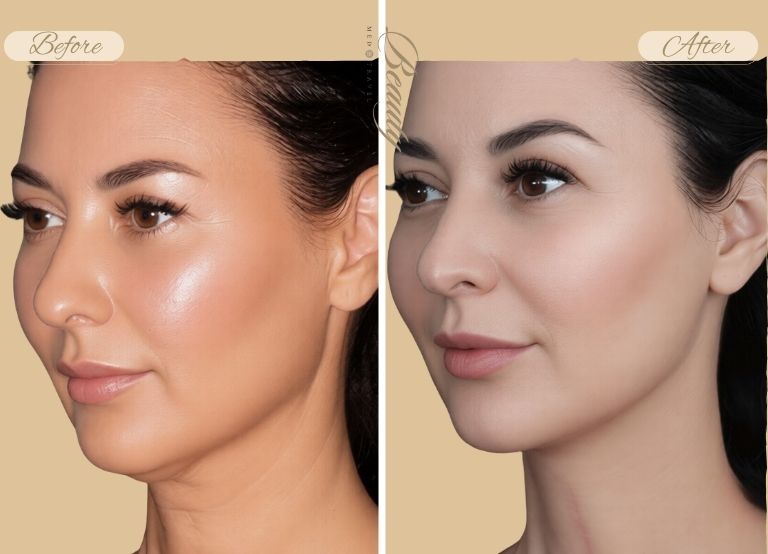
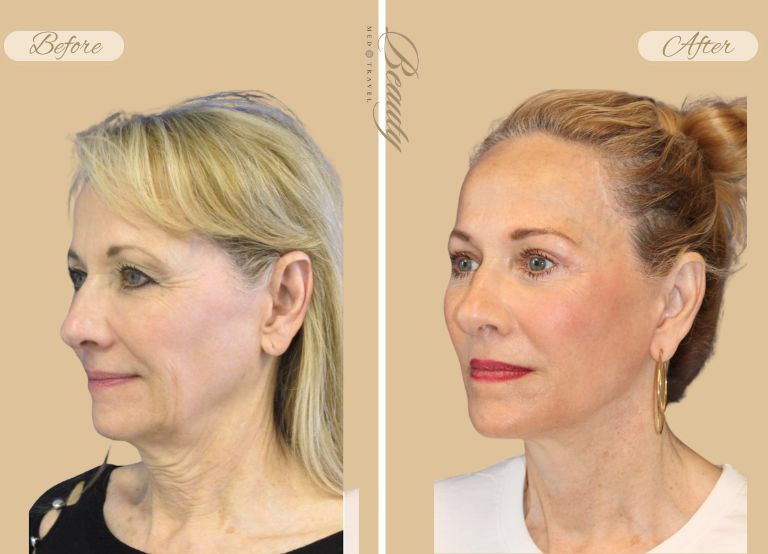
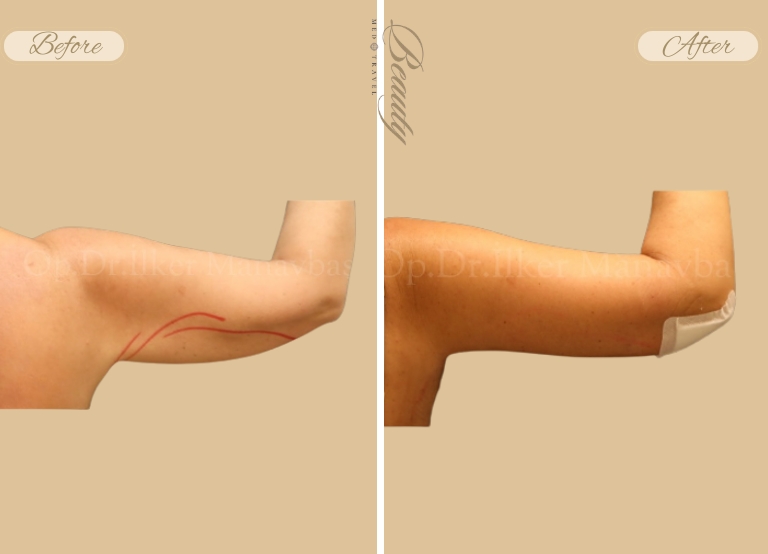
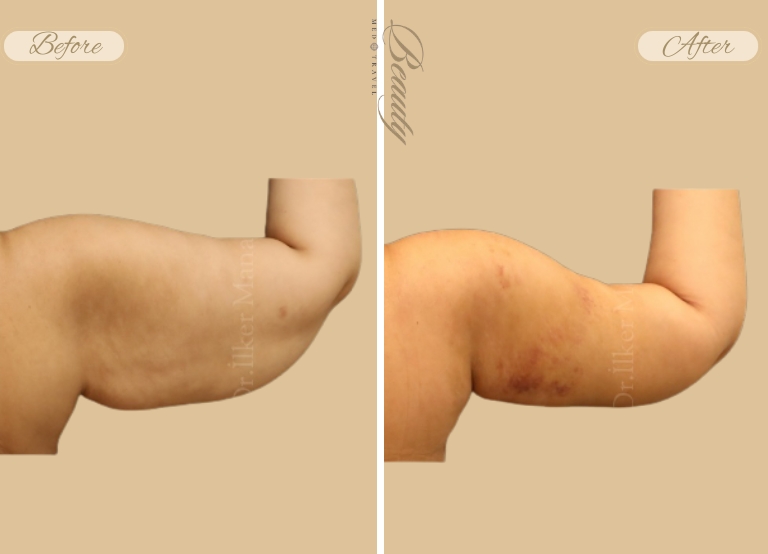
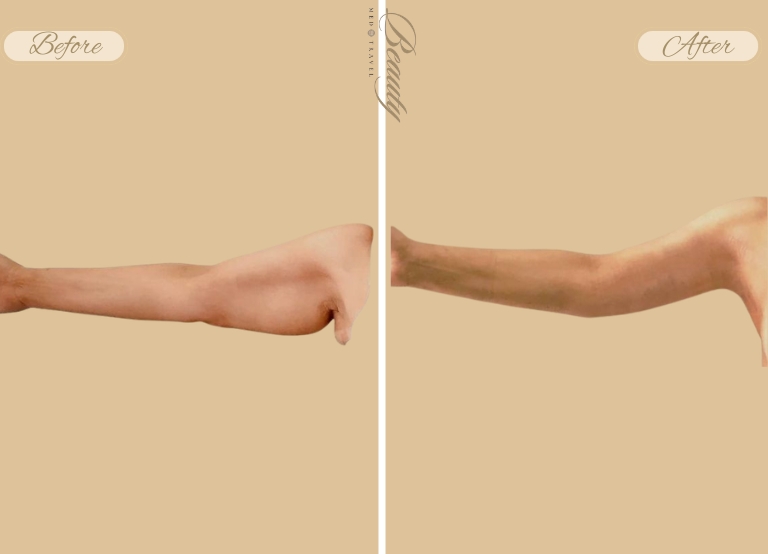
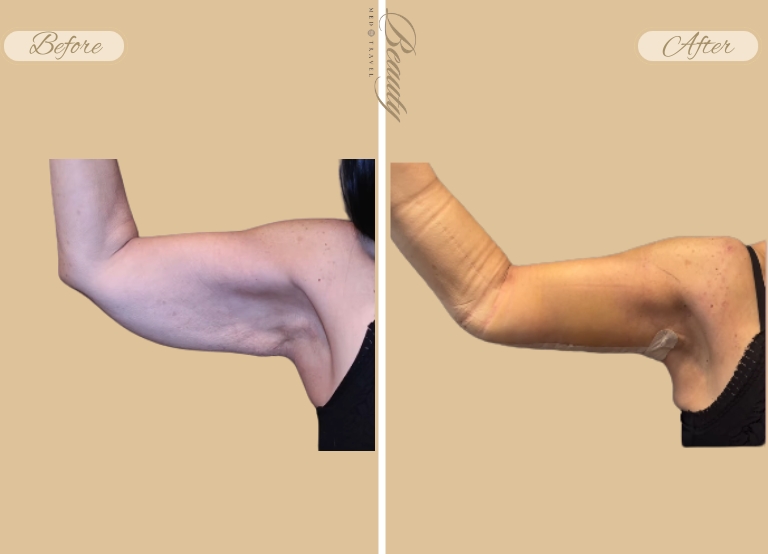
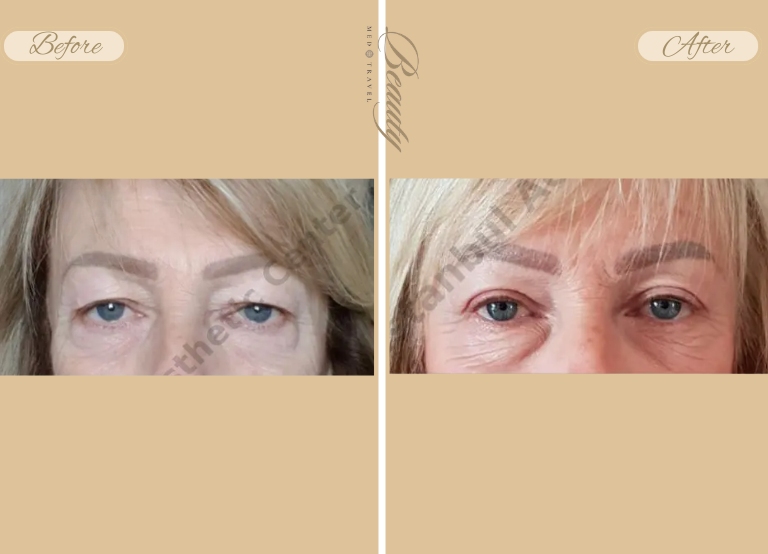
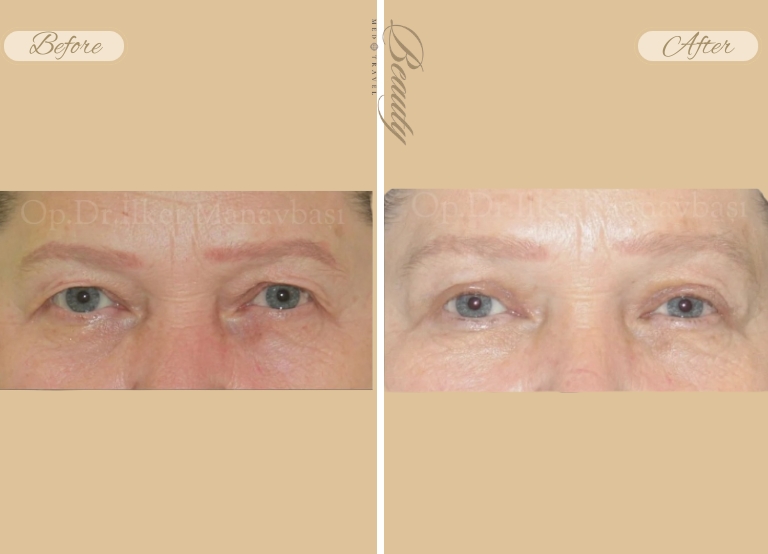
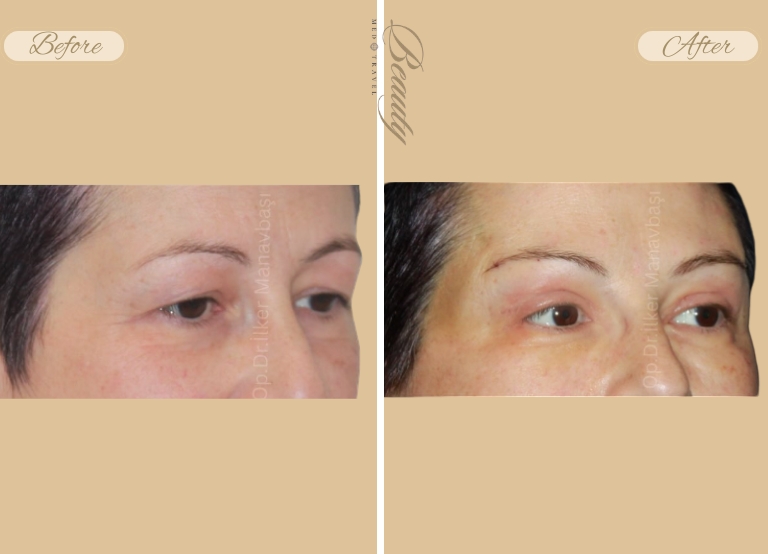
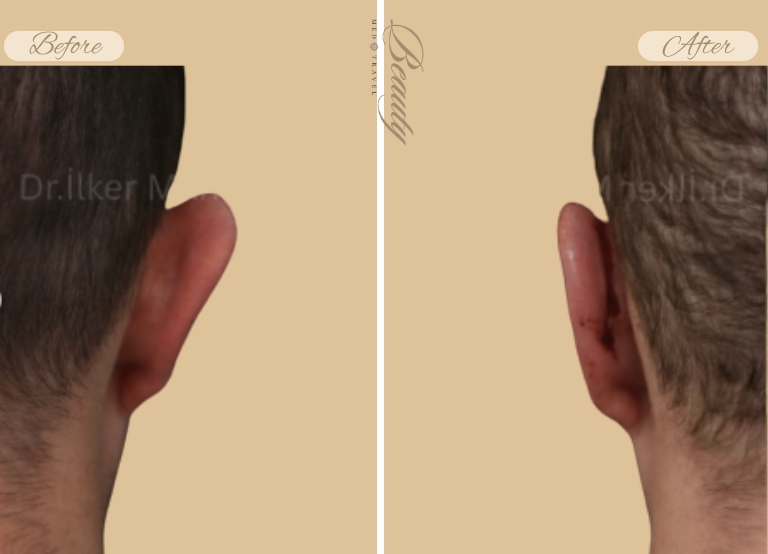
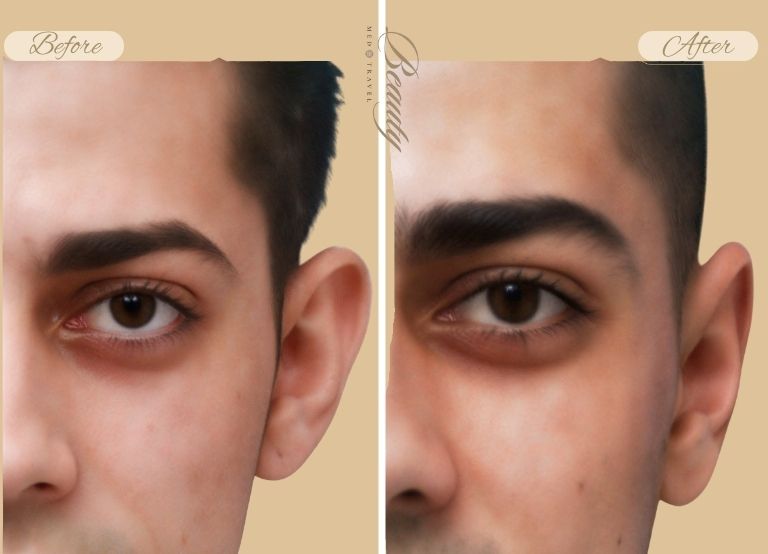
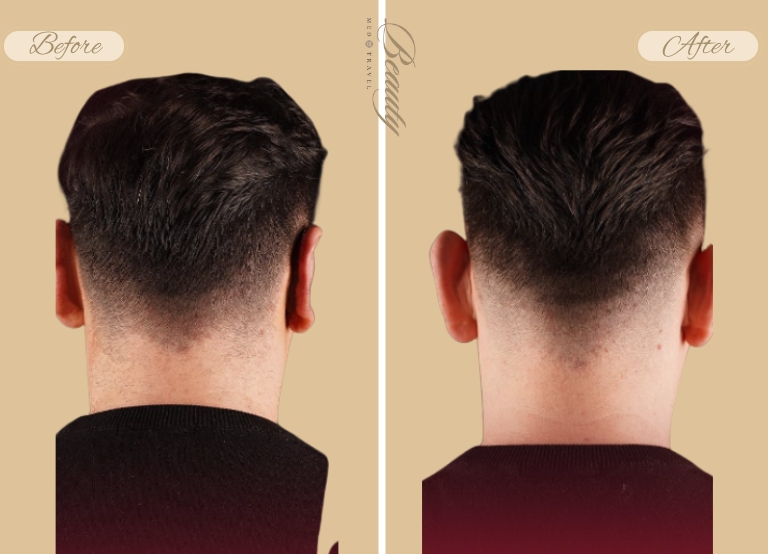
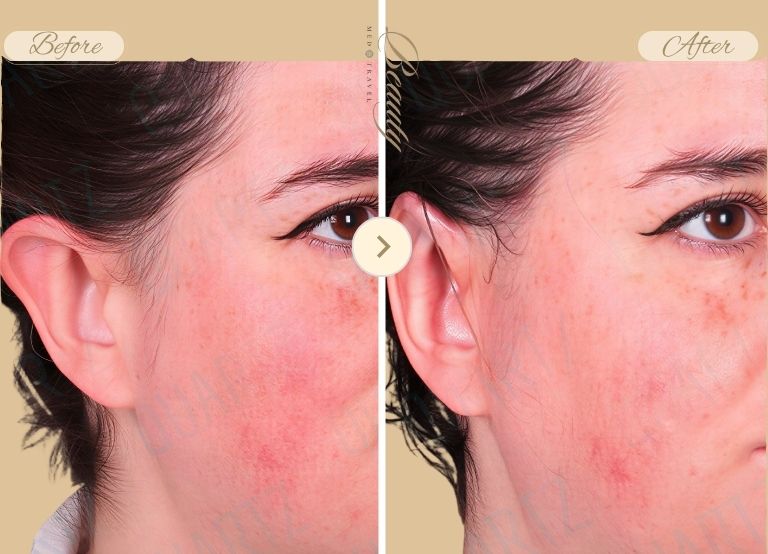
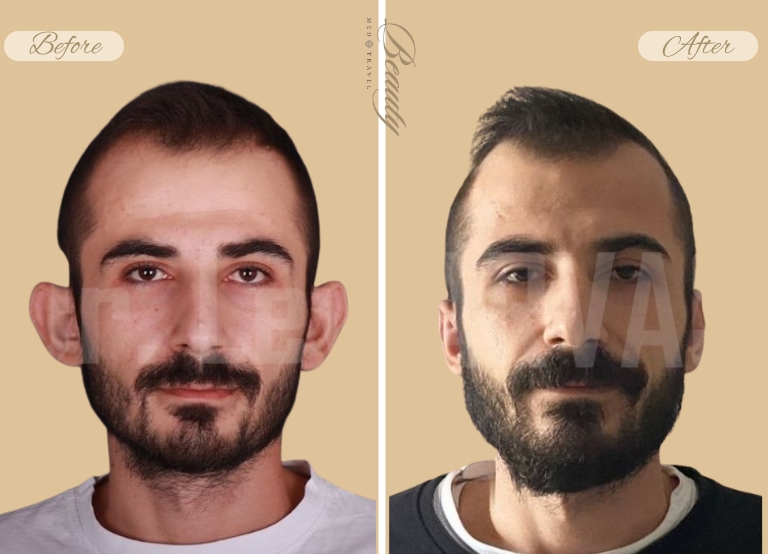
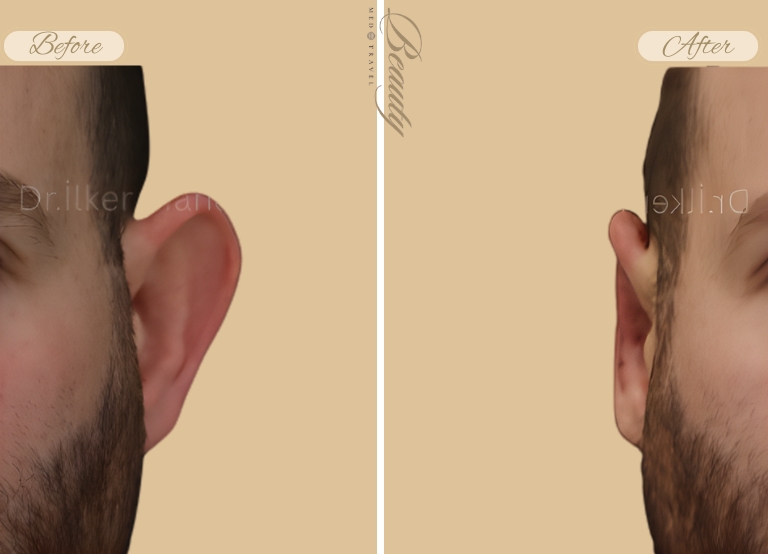
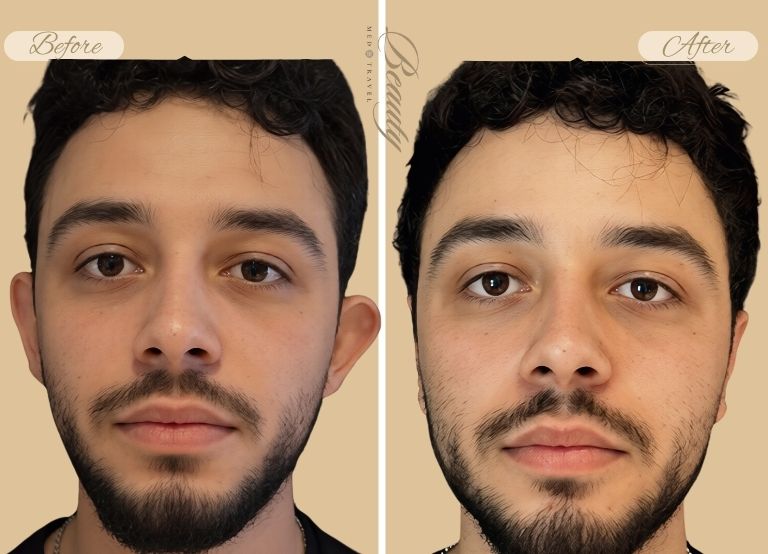
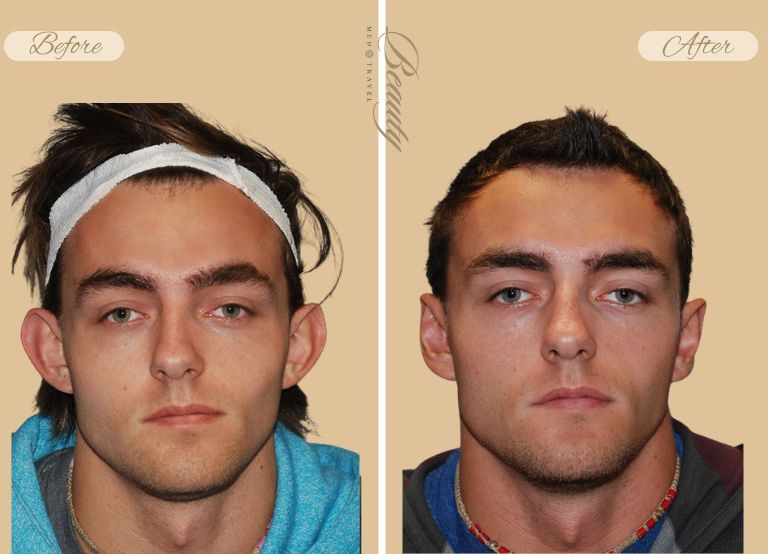
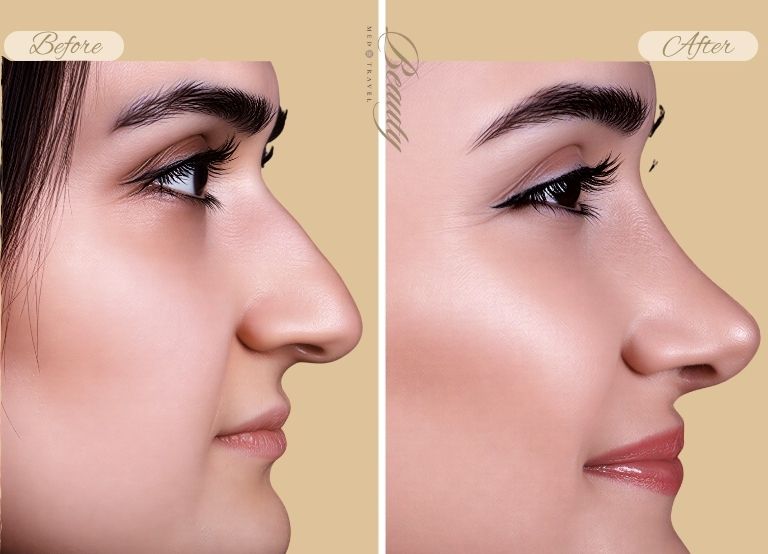
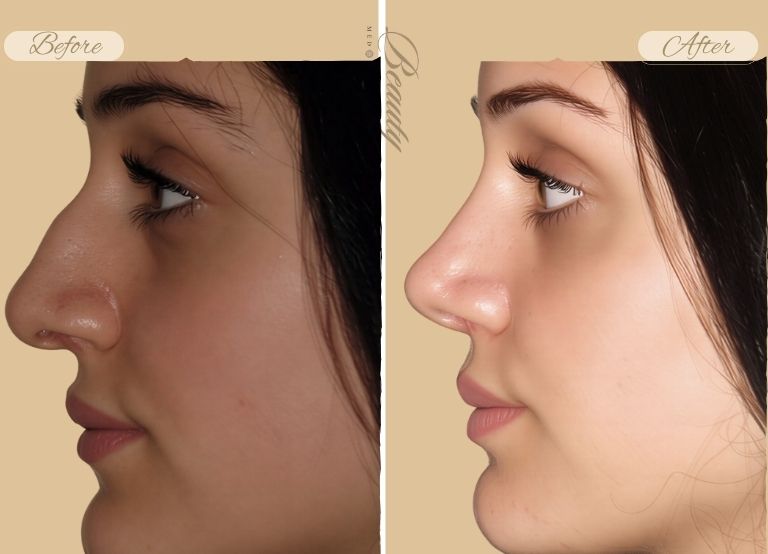
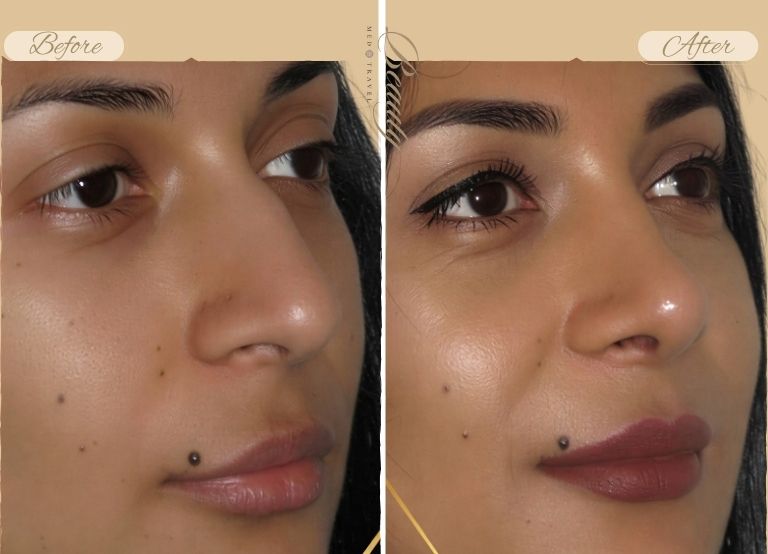
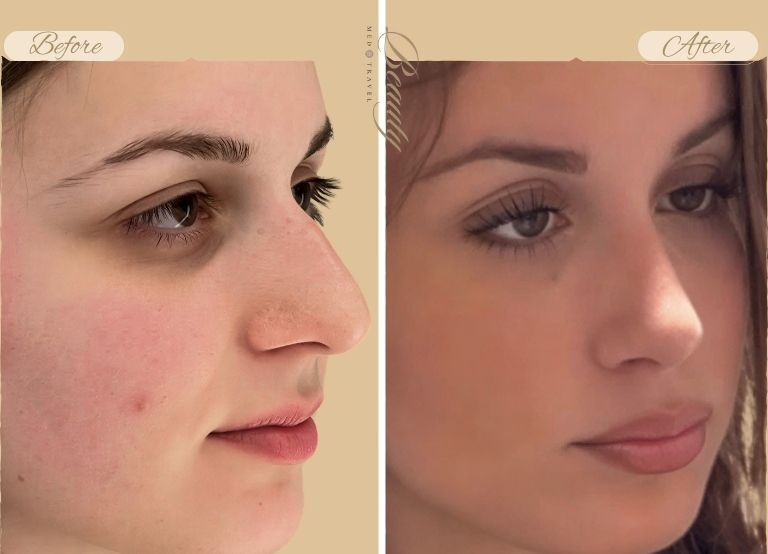
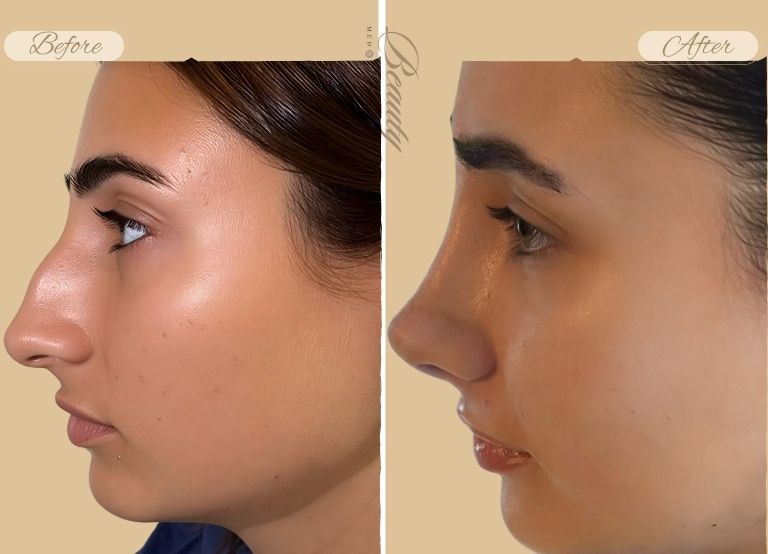
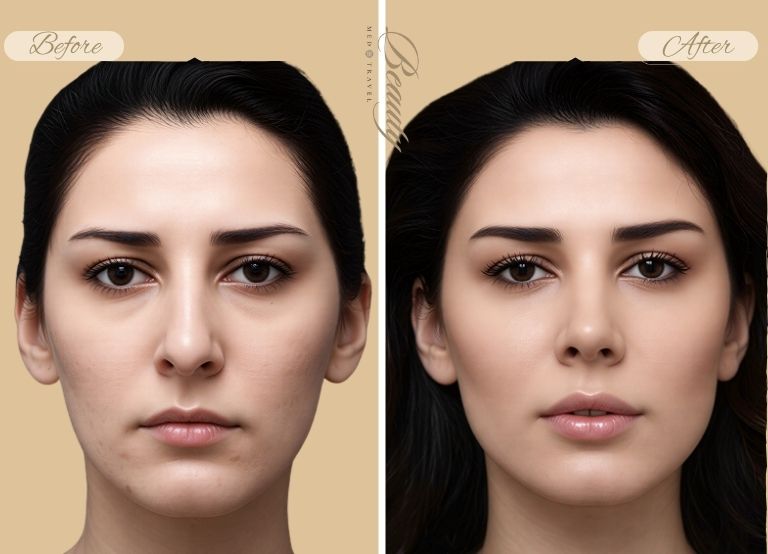
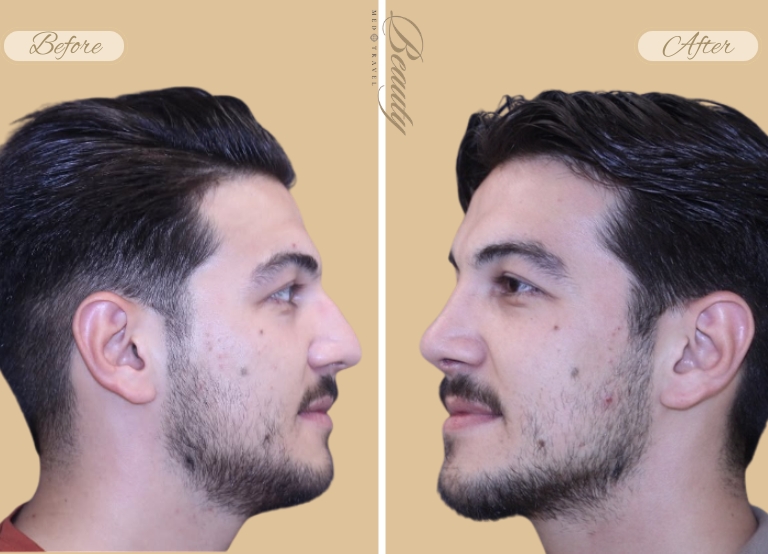
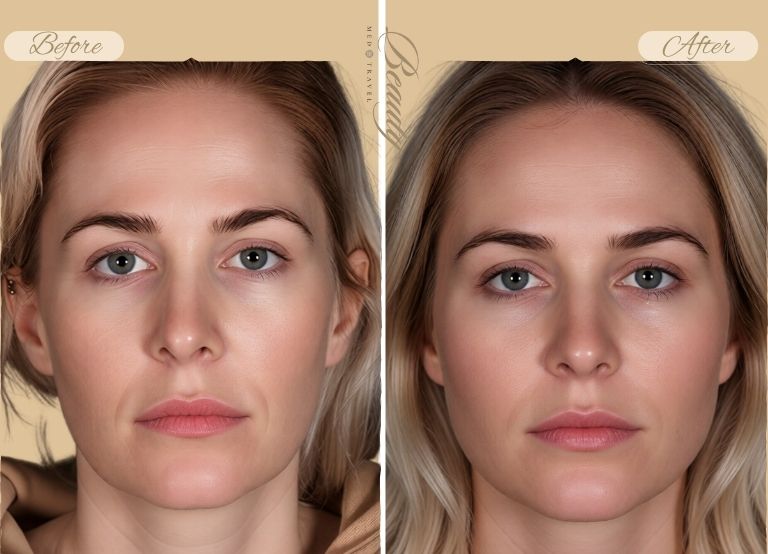
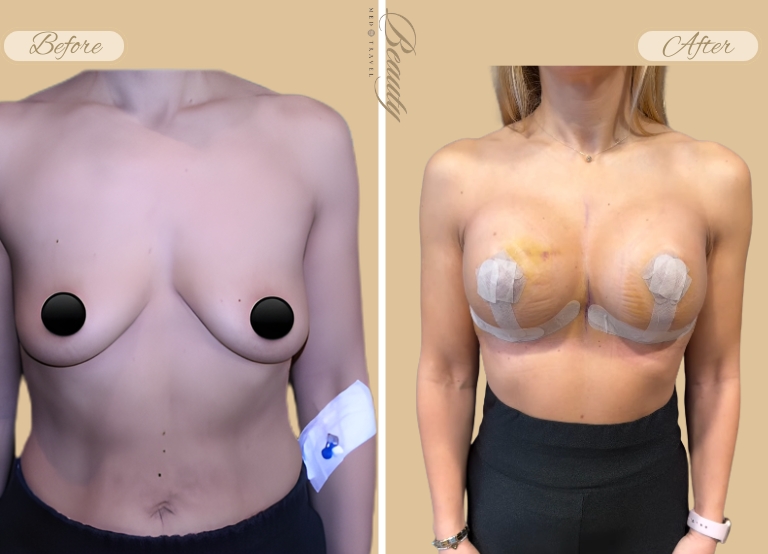
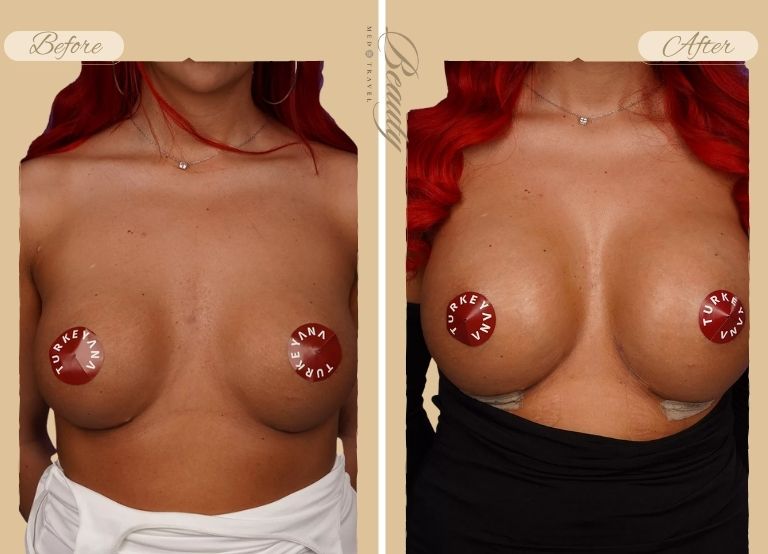
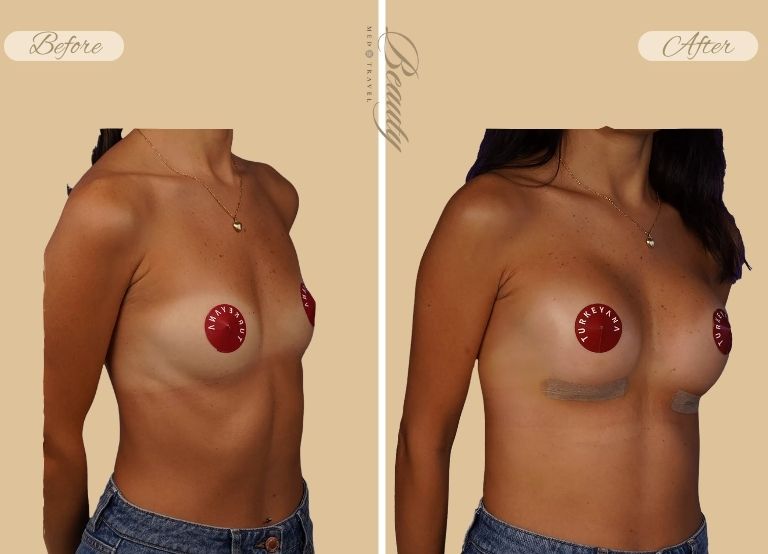
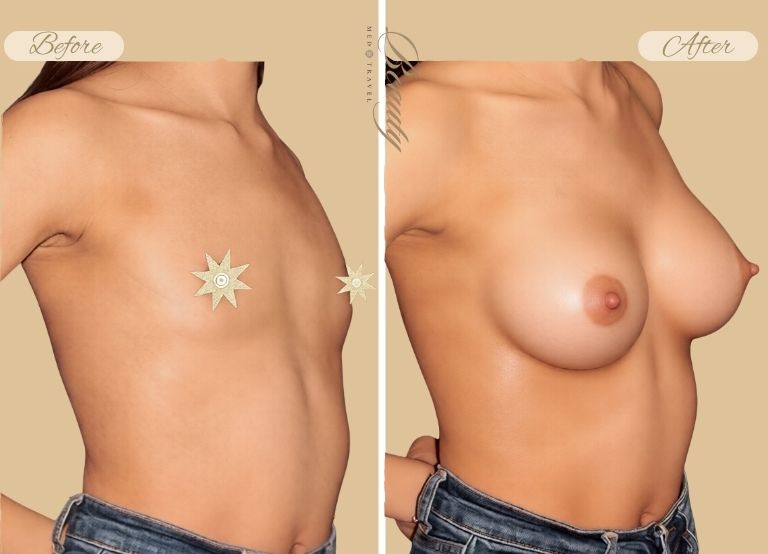
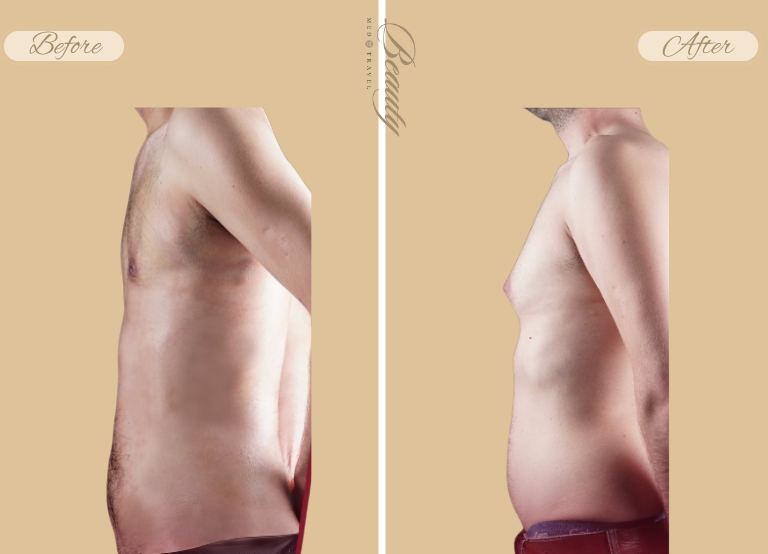
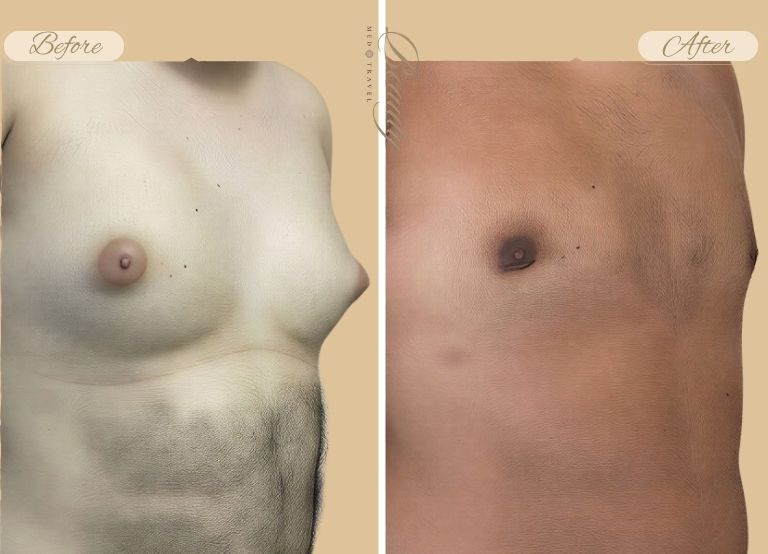
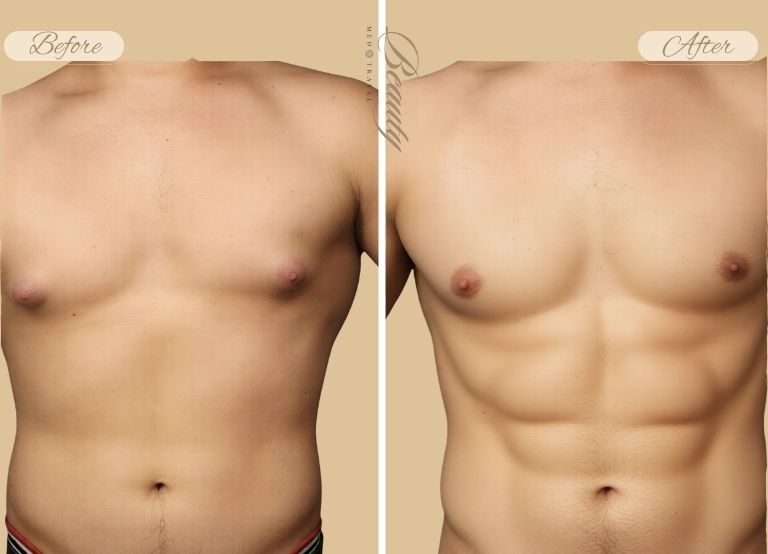
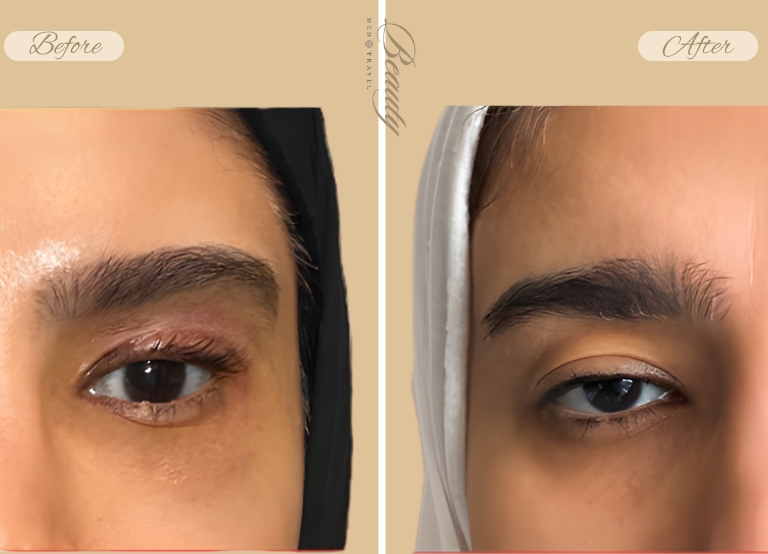
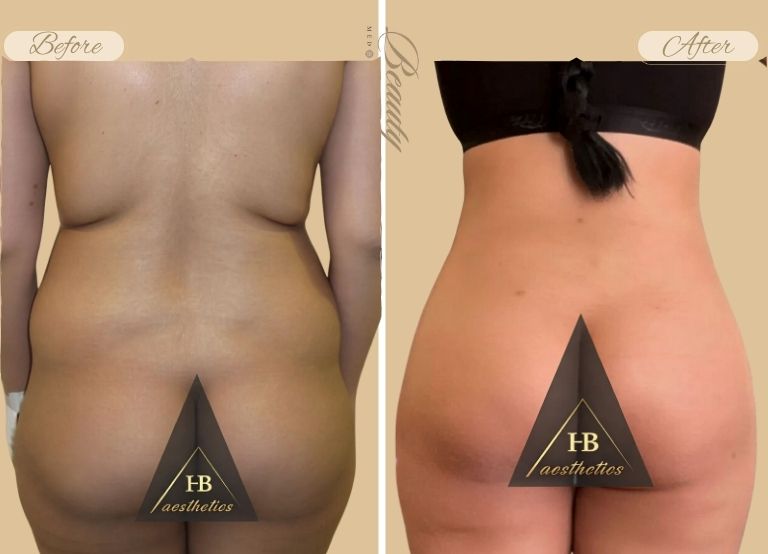
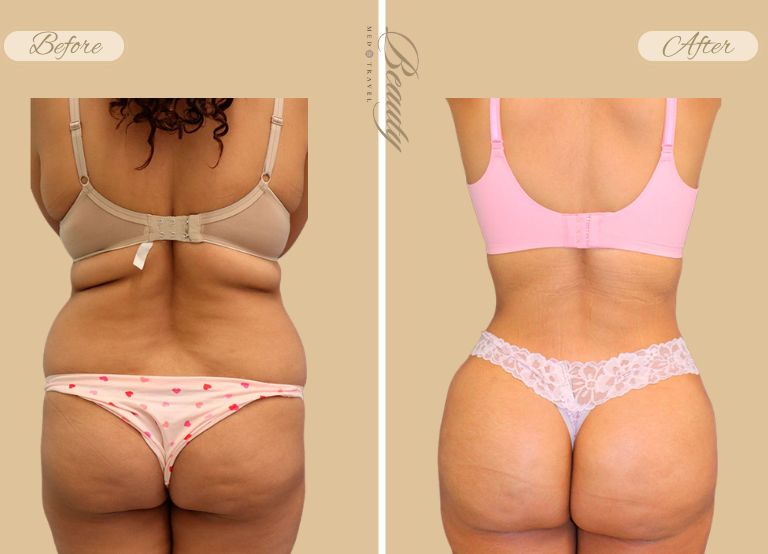
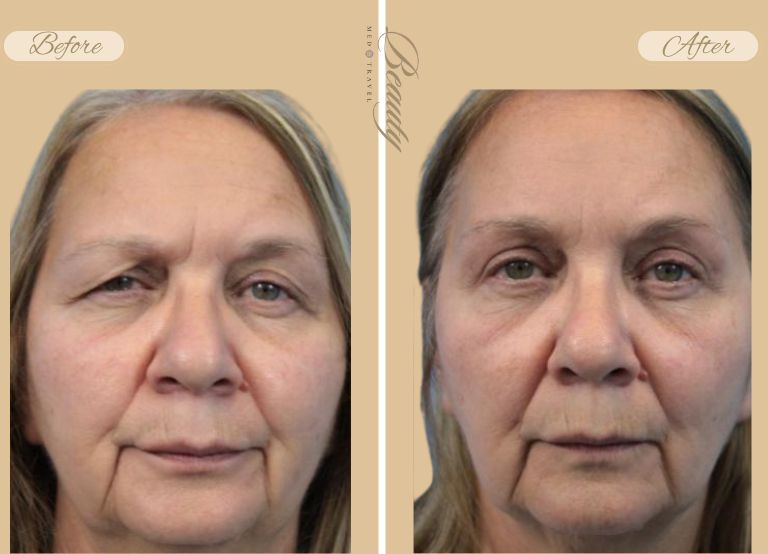
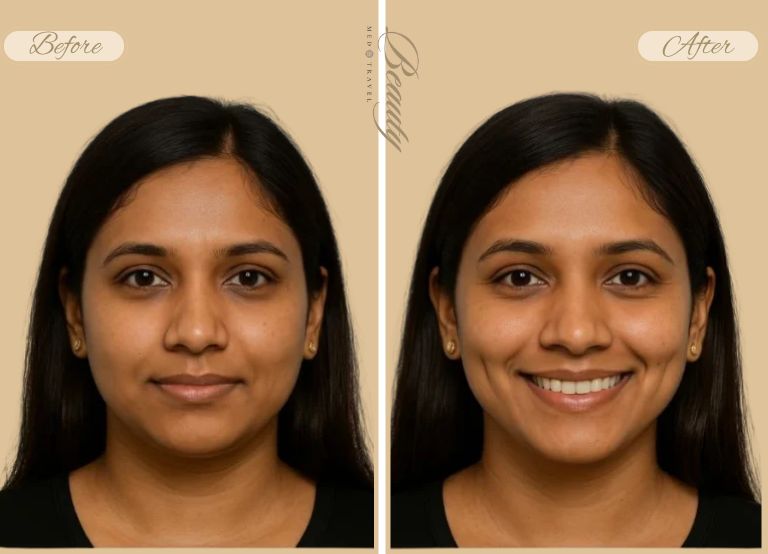
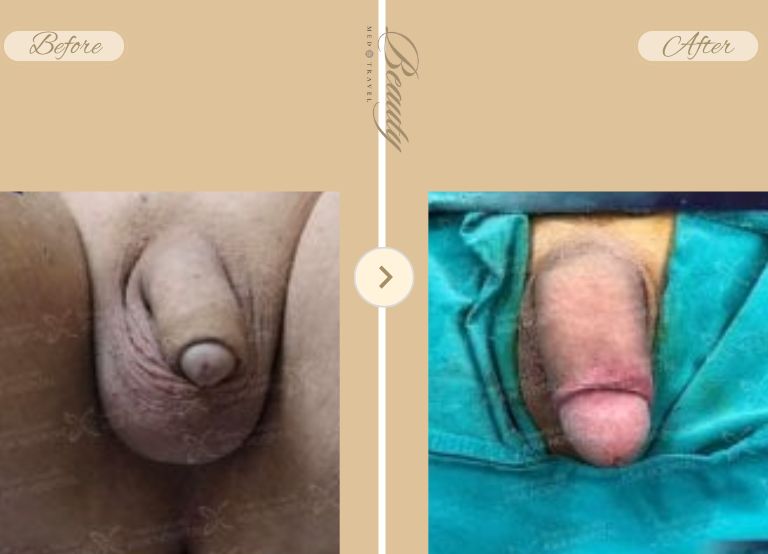
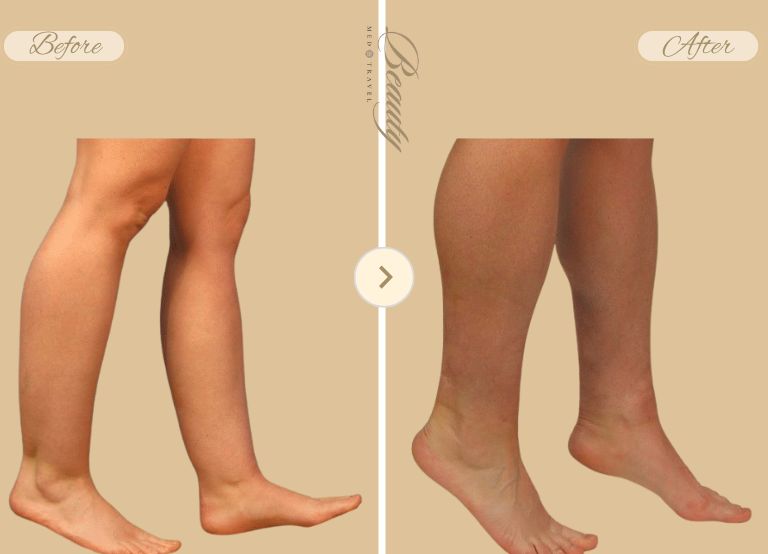
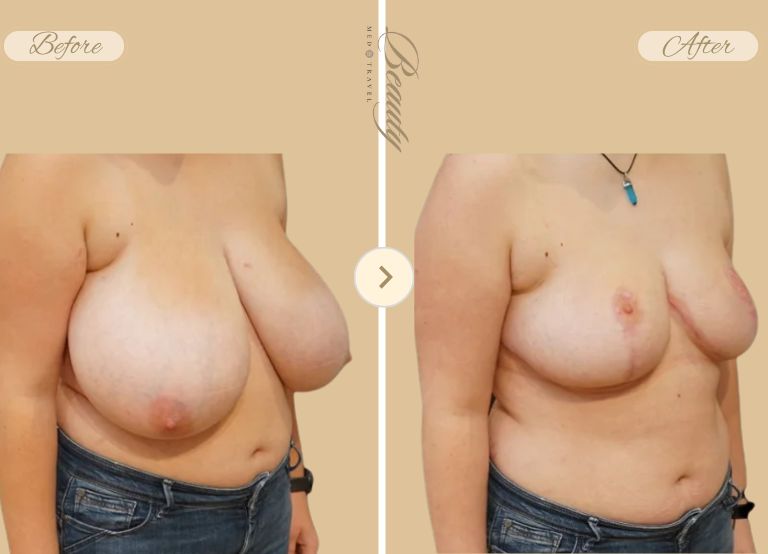
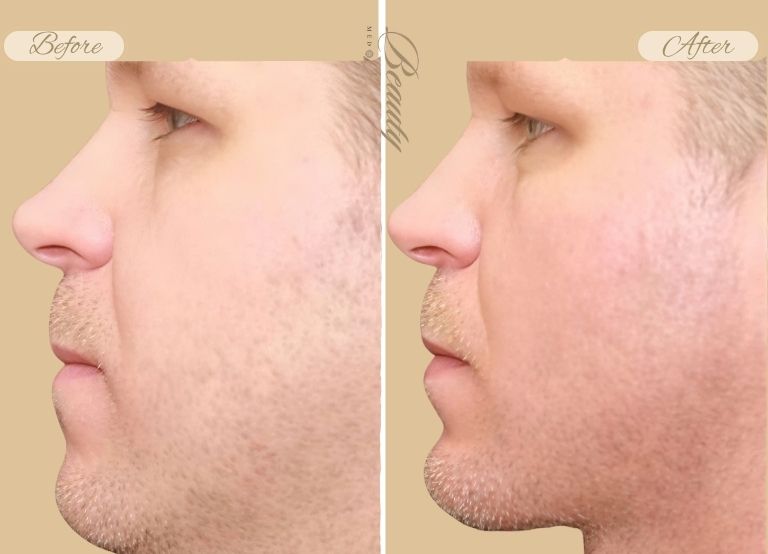
Why is Turkey a Popular Destination for Plastic Surgery?
Lower Cost
Turkey is widely known for offering plastic surgery at significantly lower prices compared to countries like China, the United States or the United Kingdom. This cost difference is largely due to lower labor expenses for surgeons, nurses, and support staff, as well as reduced operational costs such as facility rent and administrative overhead.
Additionally, favorable currency exchange rates allow international patients paying in stronger currencies to benefit from greater purchasing power. Clinics also frequently offer bundled packages that include accommodation, airport transfers, medications, and follow-up care, which further lowers the total cost of treatment and travel.
High Surgical Volume
Turkey’s established medical tourism industry leads to a high number of cosmetic procedures being performed each year. Some of the best plastic surgeons in Turkey frequently work with both local and international patients, resulting in extensive practical experience.
This high procedural volume helps surgical teams refine their techniques, streamline operating room efficiency, and improve post-operative care protocols. Repeated exposure to similar procedures also enhances familiarity with potential complications and their management, which leads to more consistent outcomes.
Experience in Body Procedures
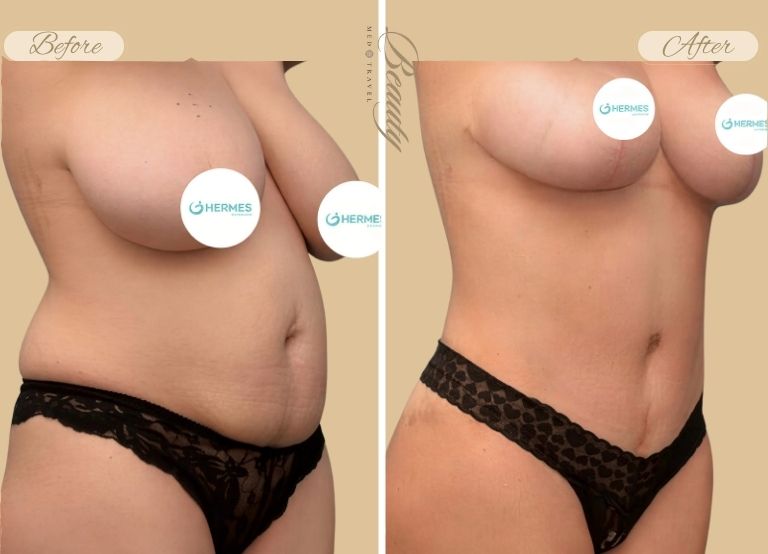
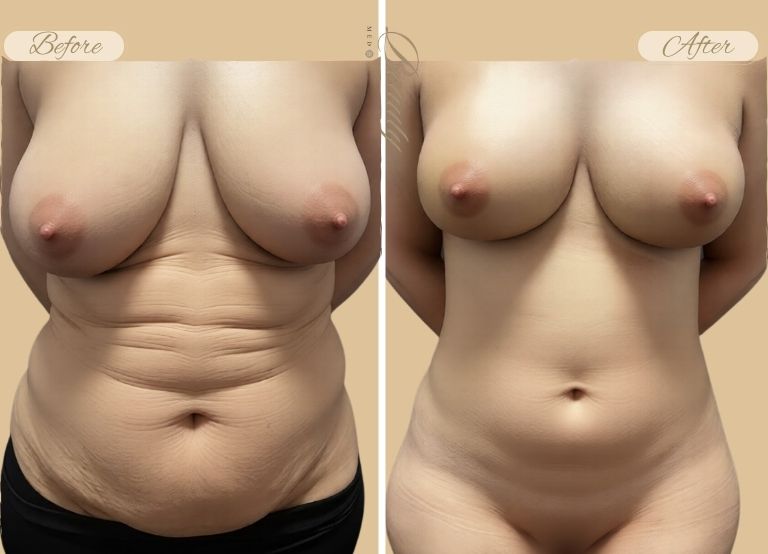
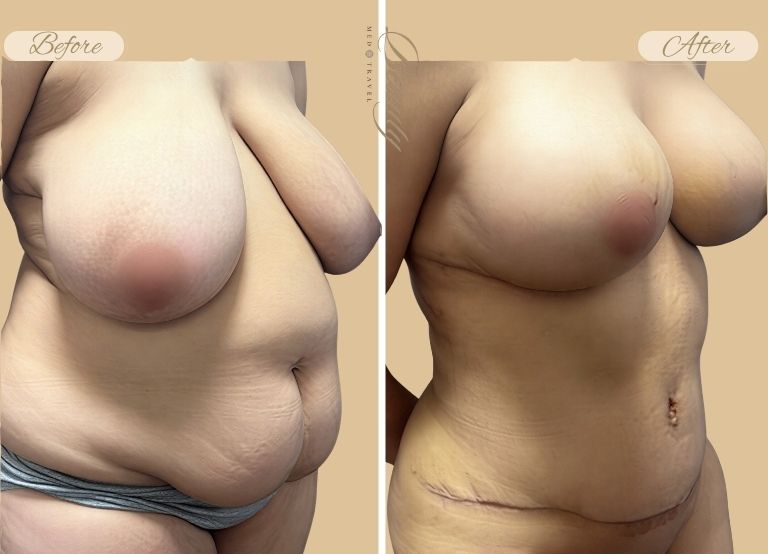
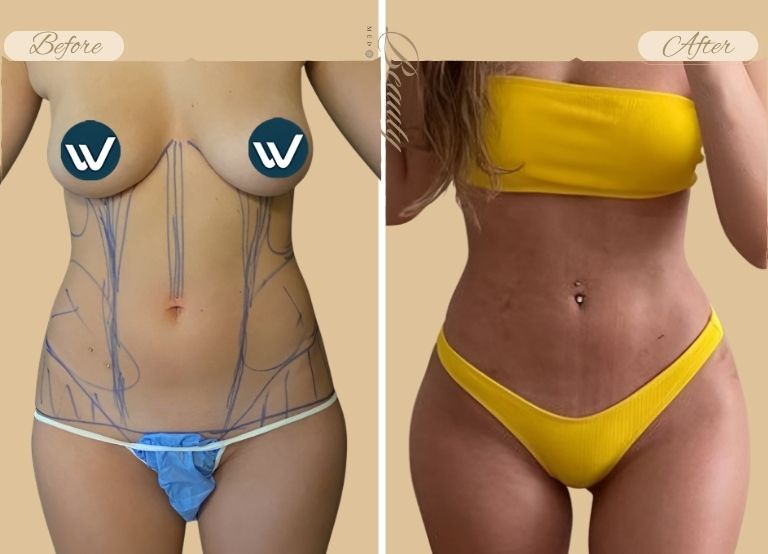
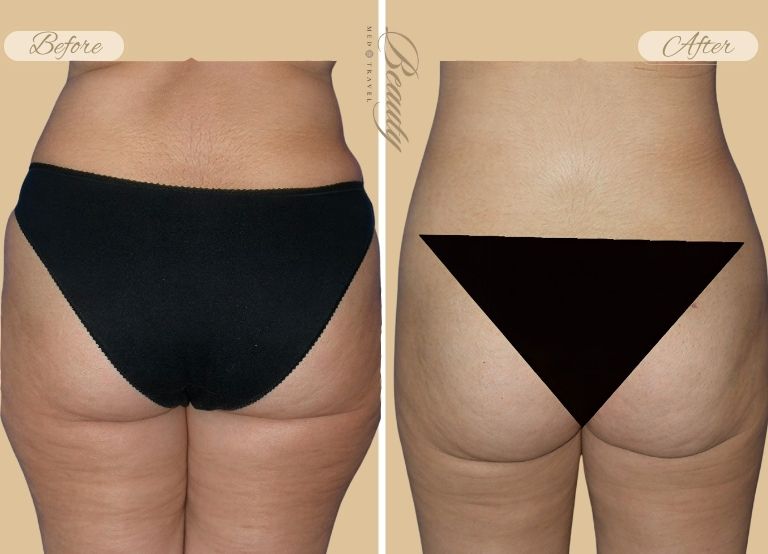
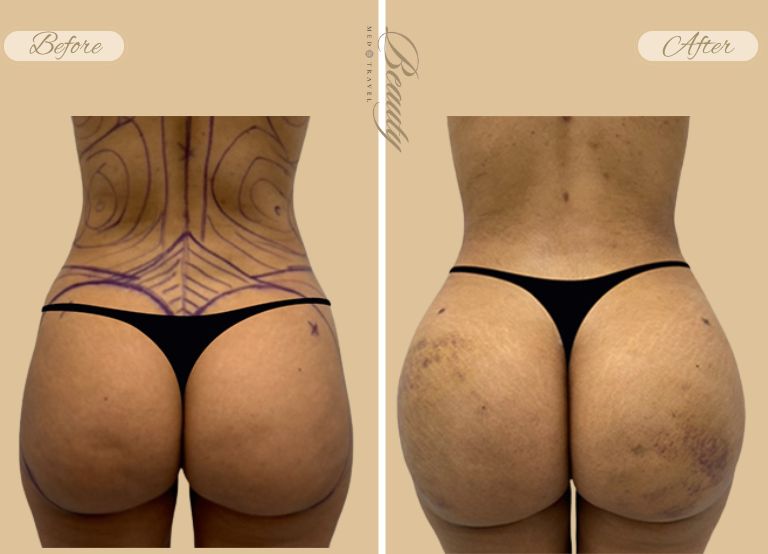
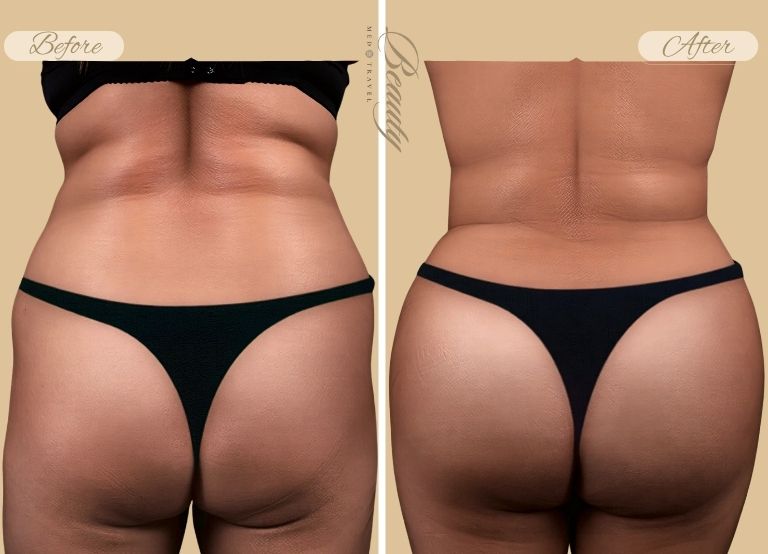
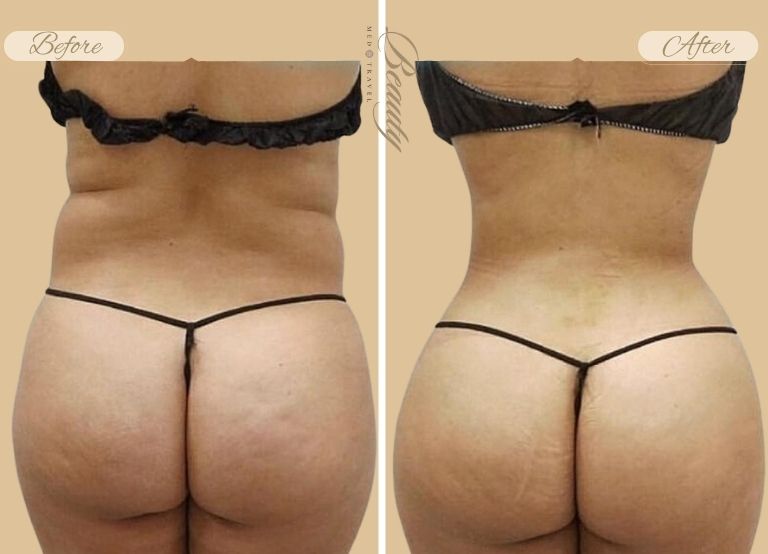
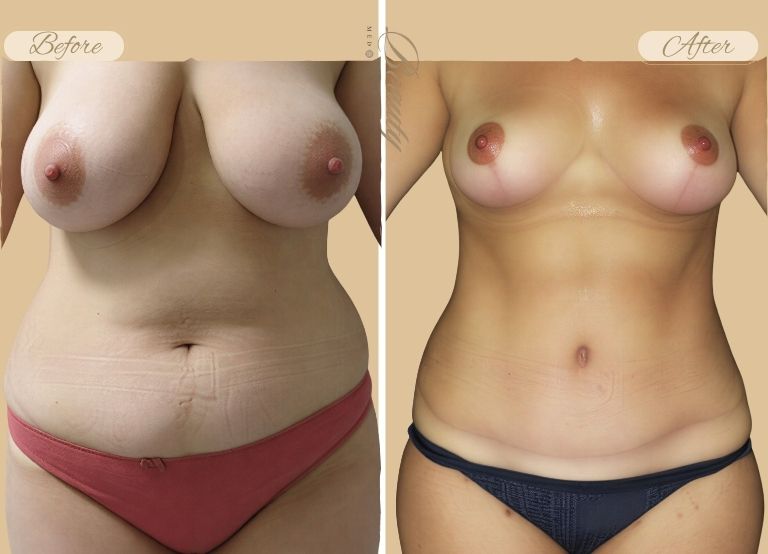
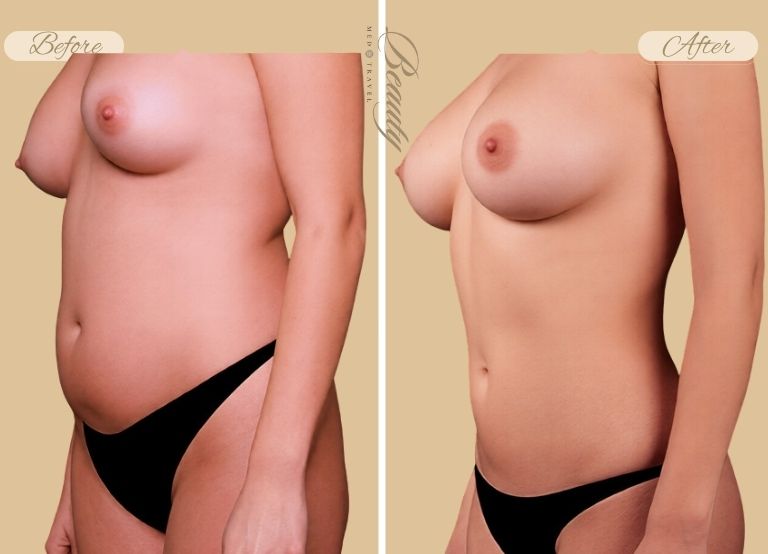
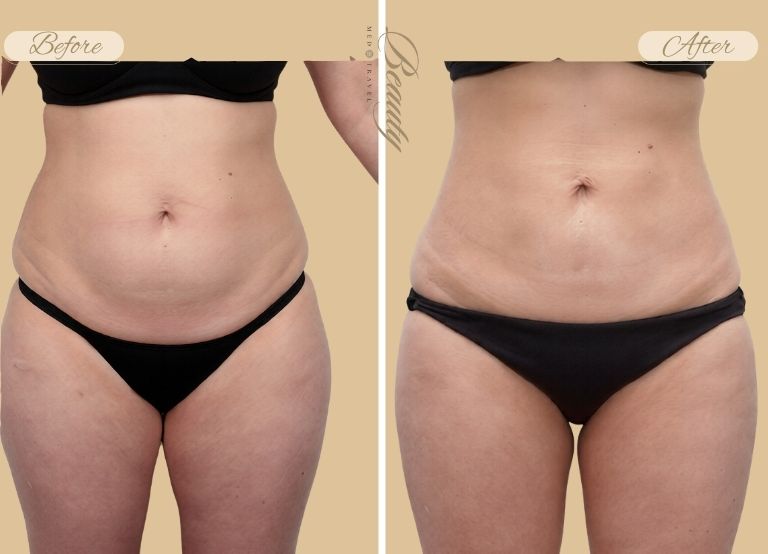
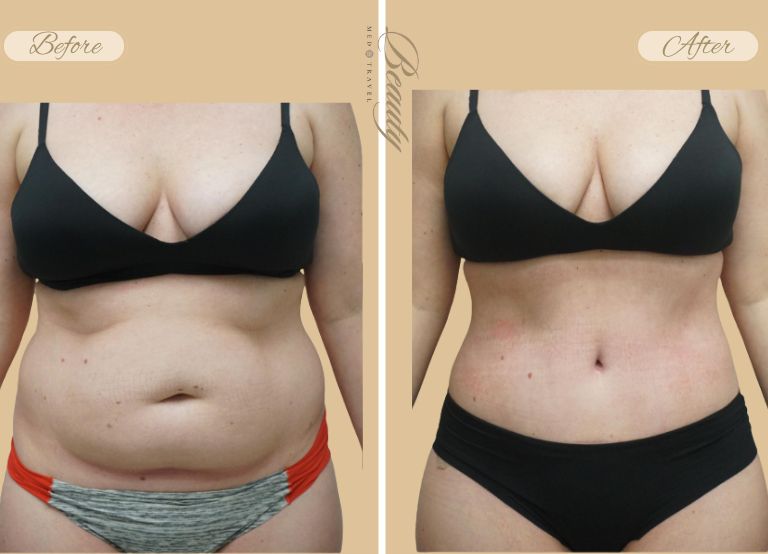
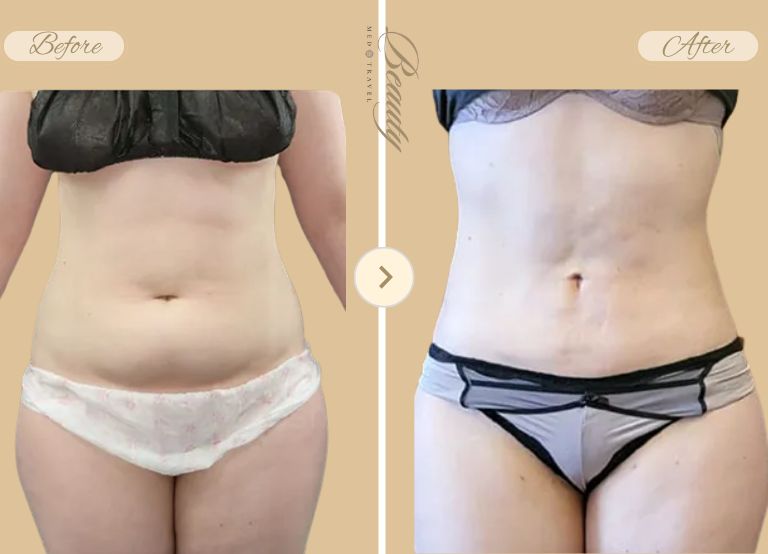
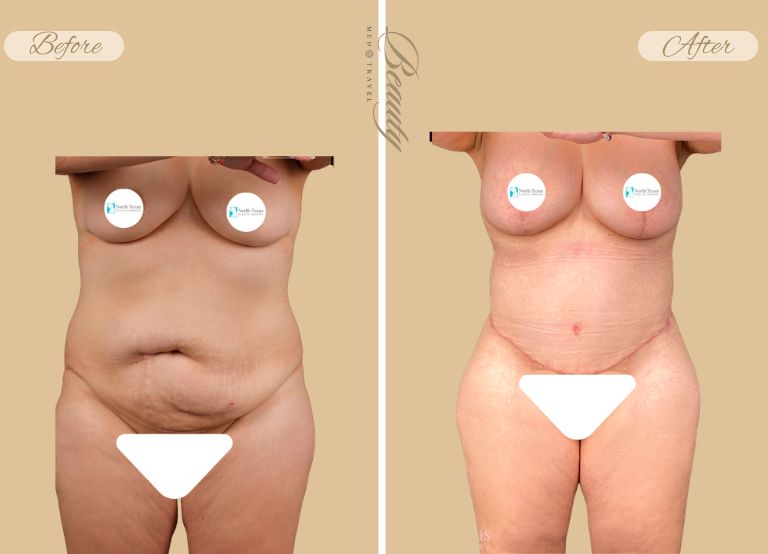
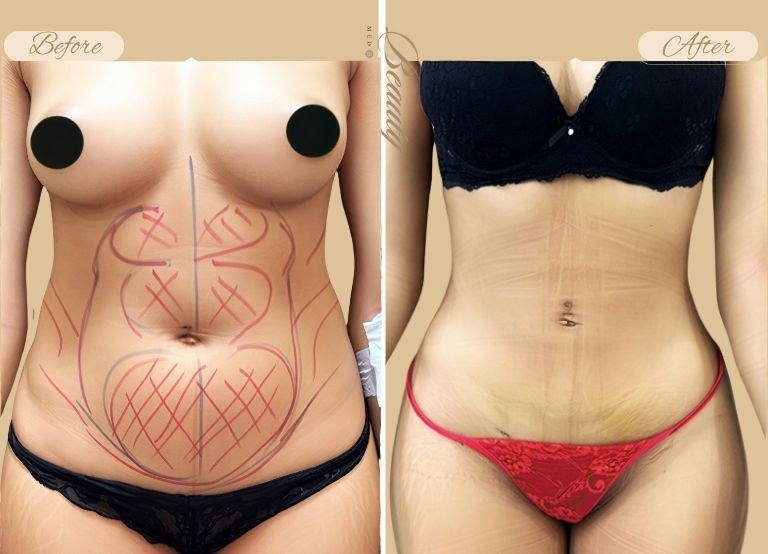
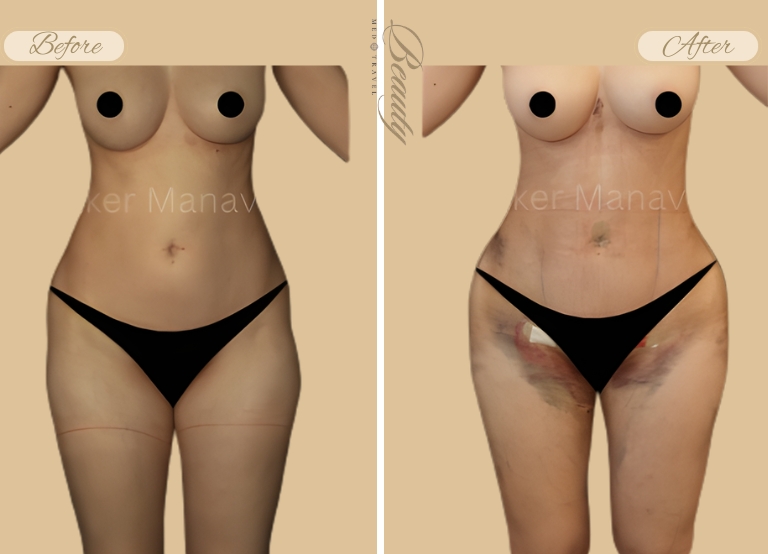
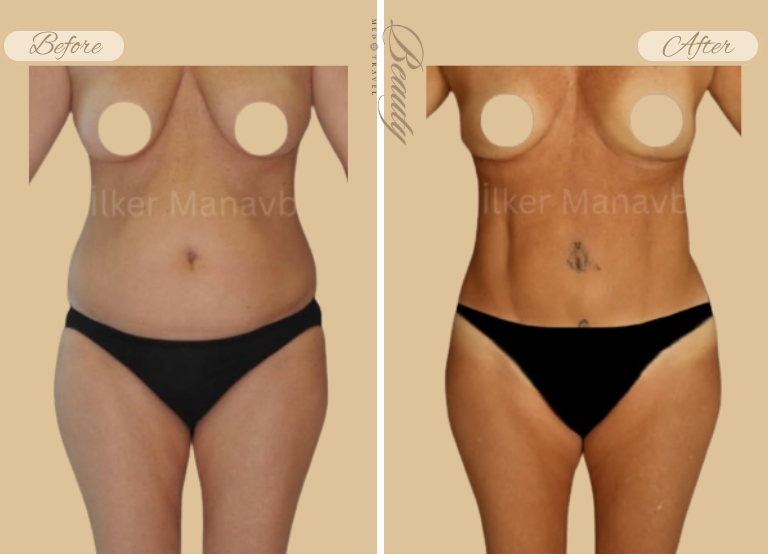
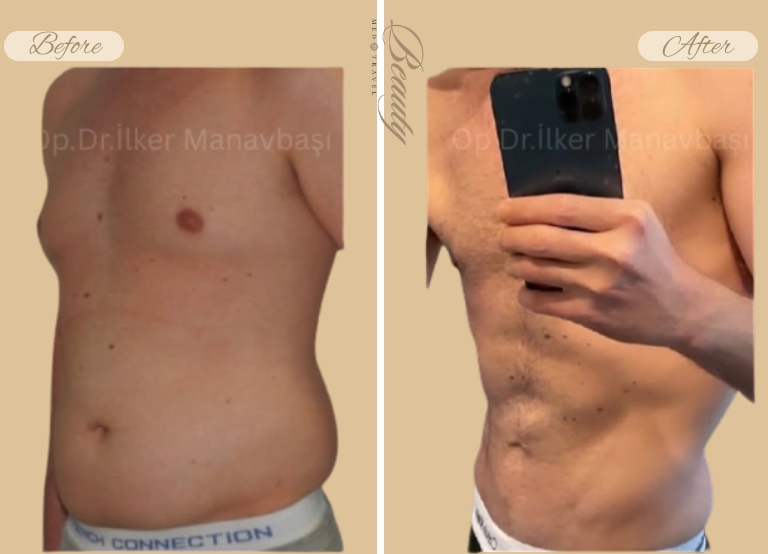
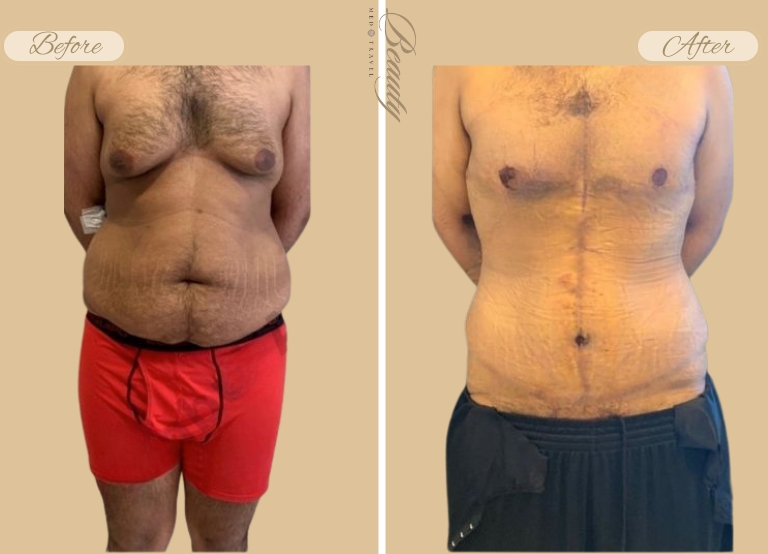
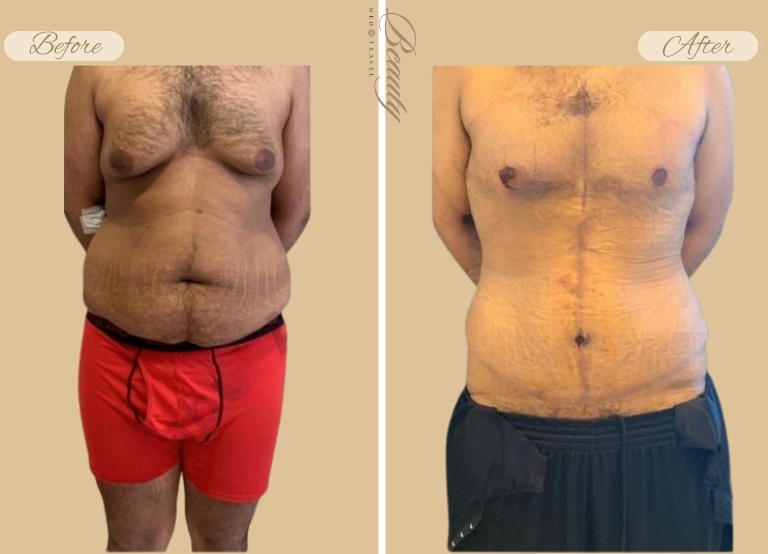
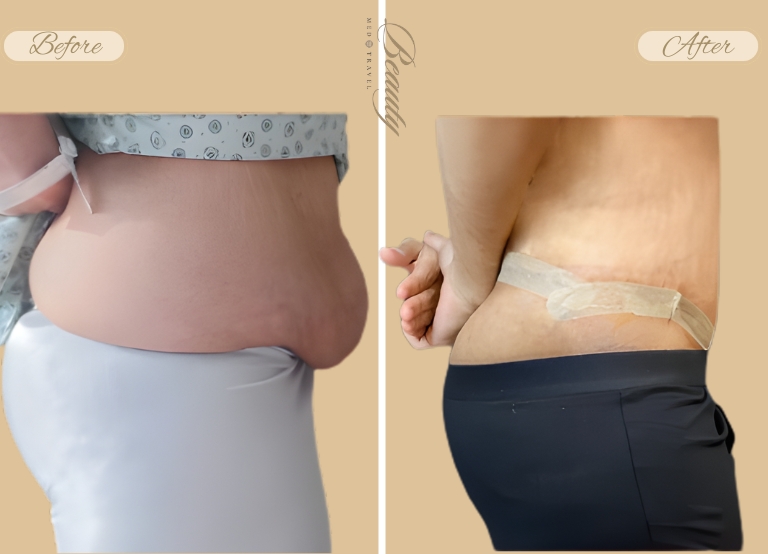
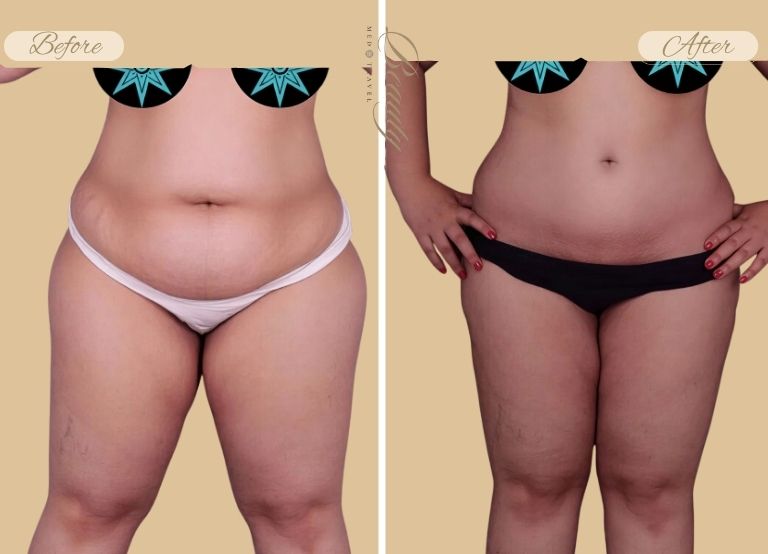
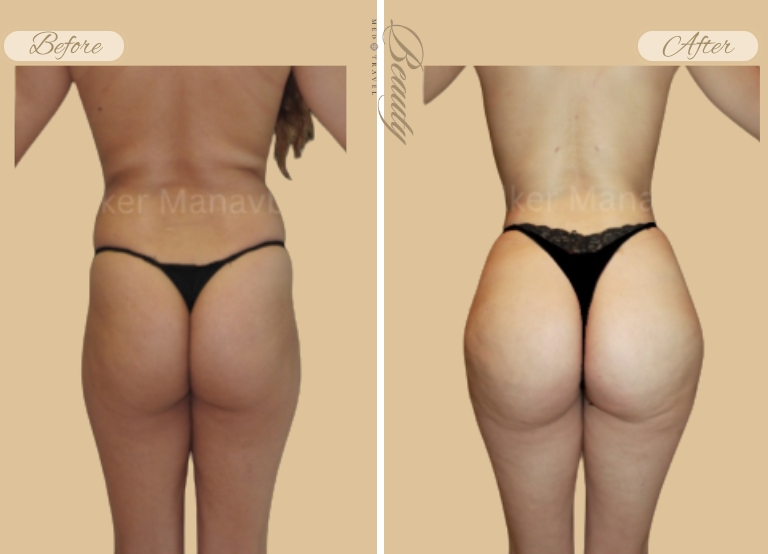
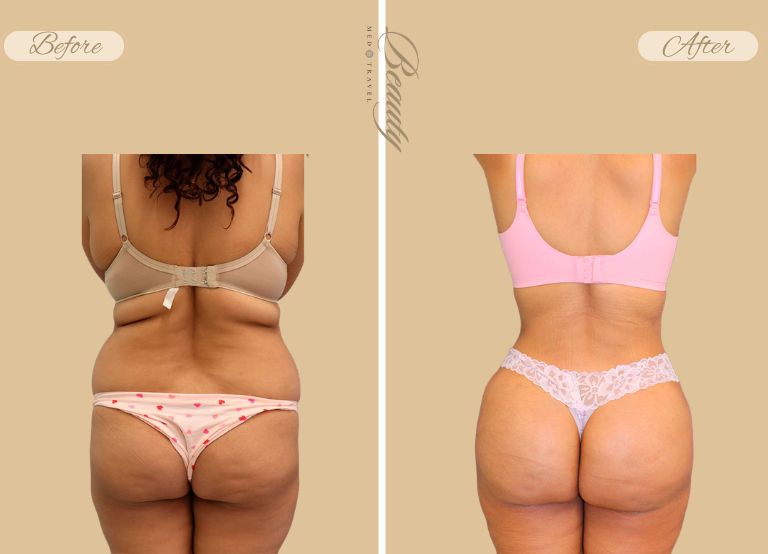
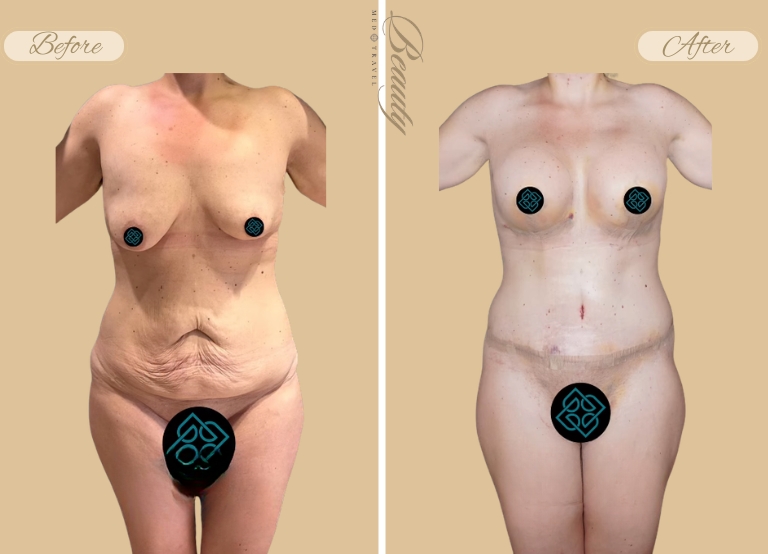
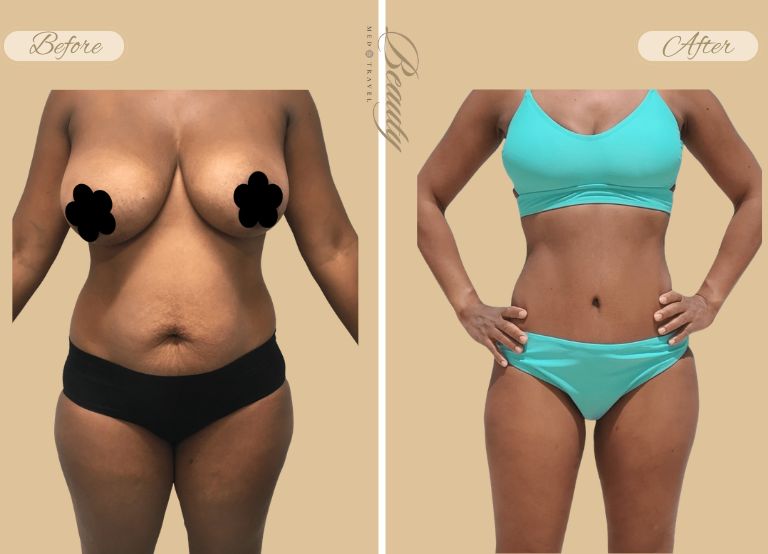
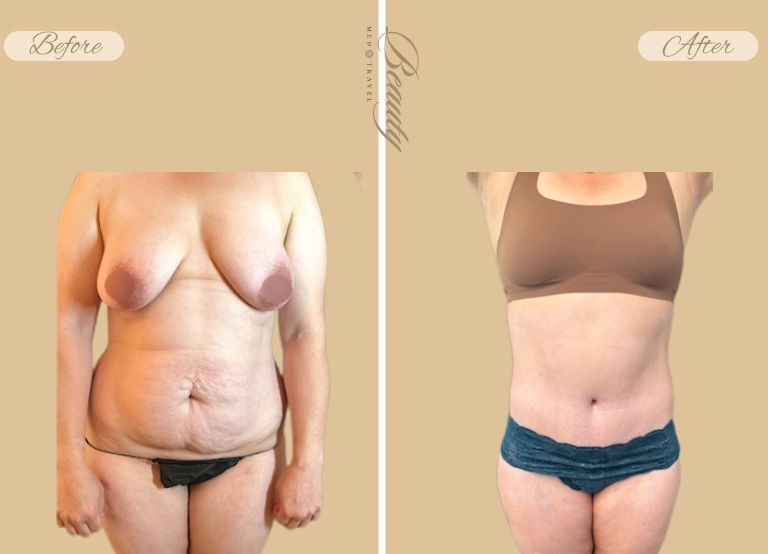
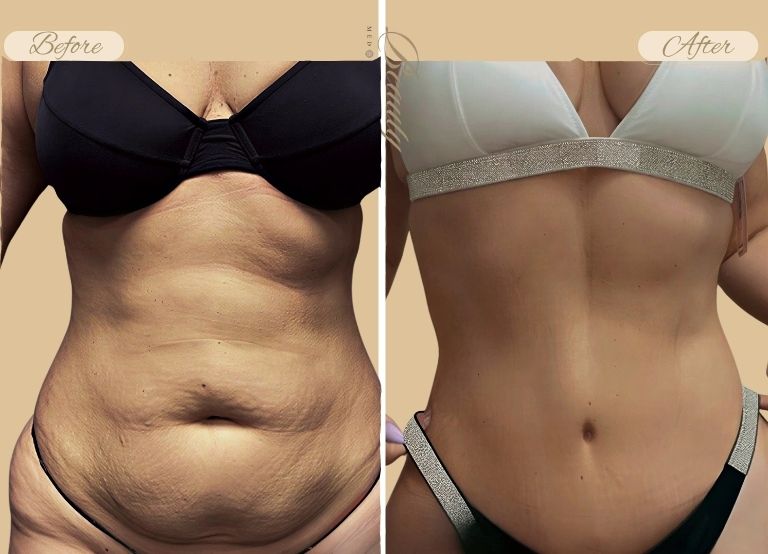
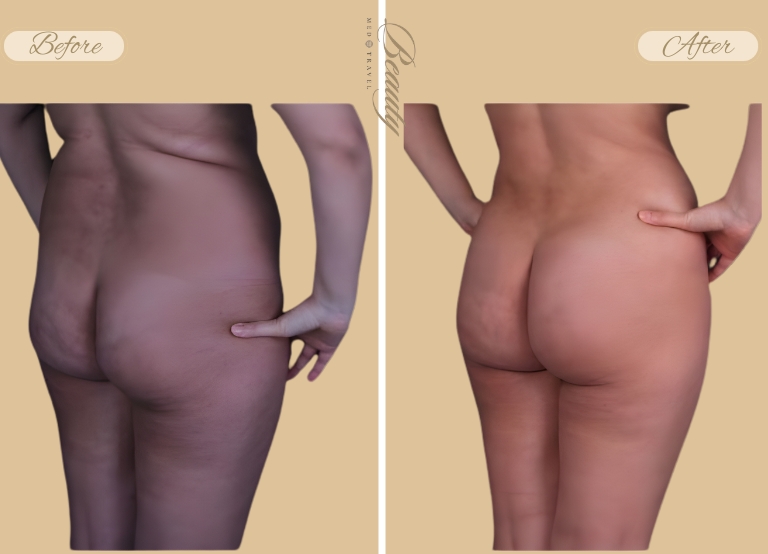
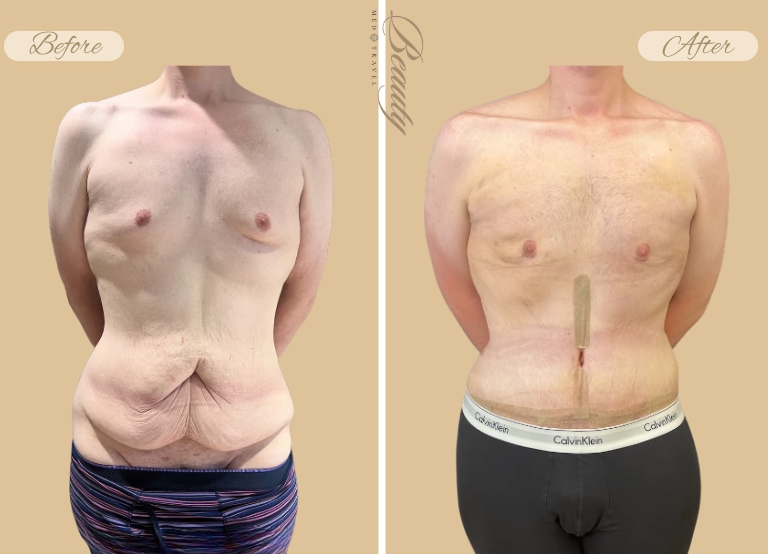
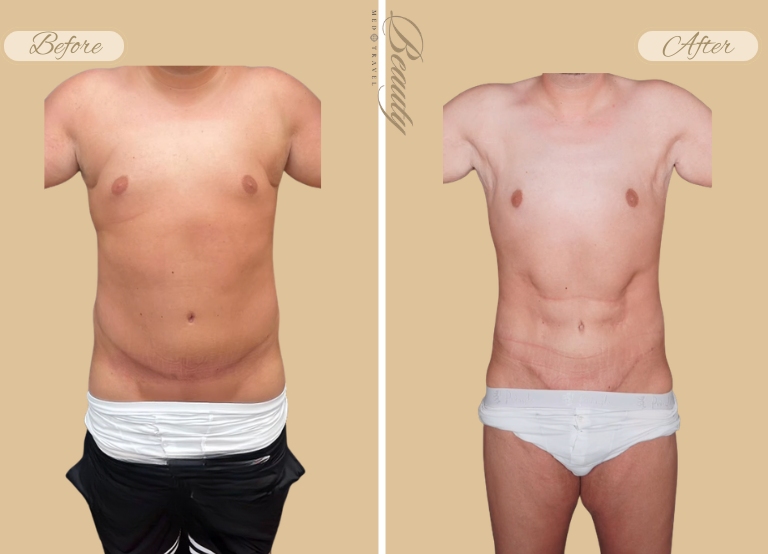
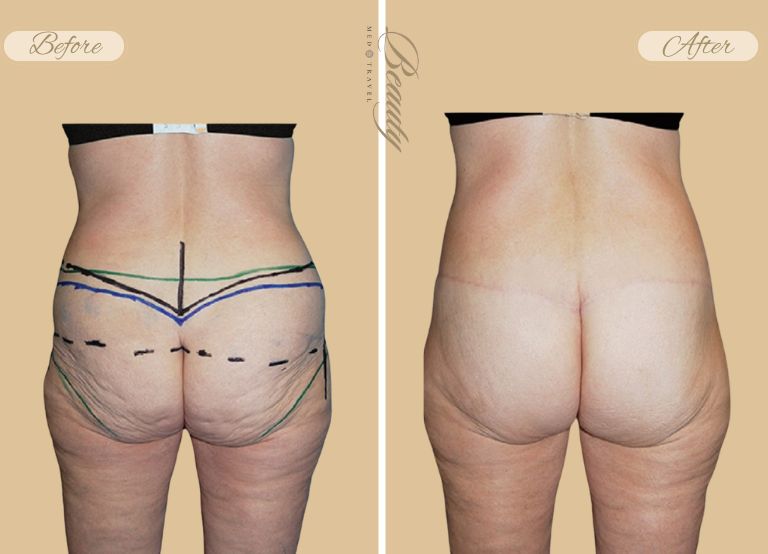
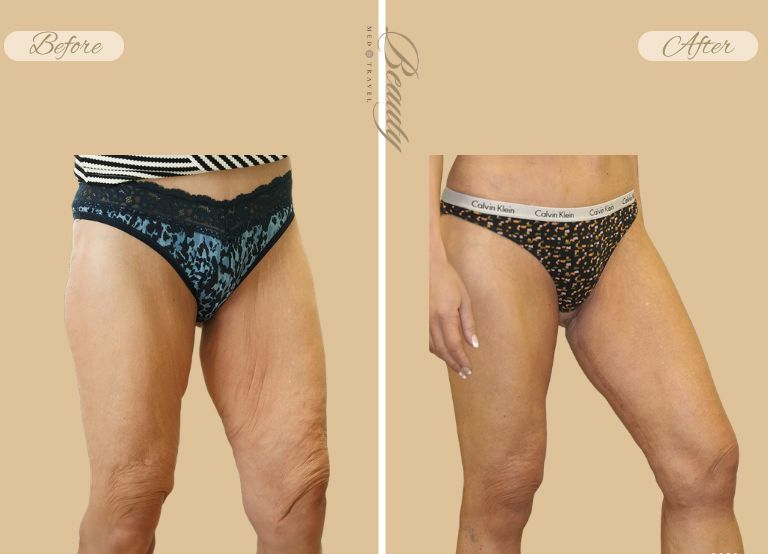
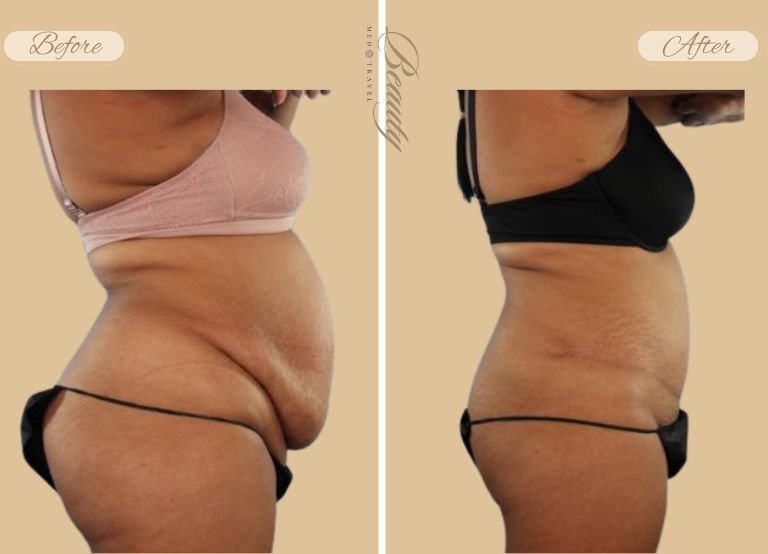
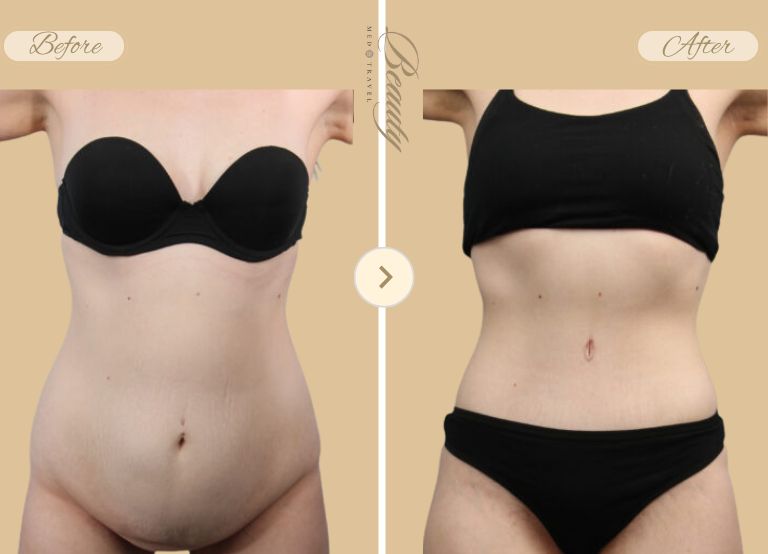
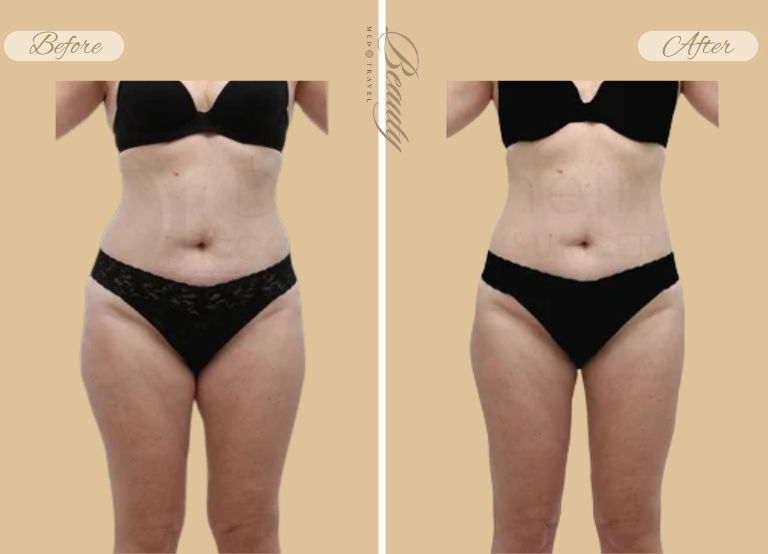
Turkish surgeons are often recognized for their extensive training and professional credentials in body-contouring procedures, such as liposuction and tummy tucks. In fact, in 2023, approximately 149,447 total body and extremities procedures were performed in Turkey.
This high procedural volume, combined with formal residency training, specialized fellowships, and ongoing participation in international workshops, allows surgeons to refine their techniques and achieve lasting results.
Limitations of Plastic Surgery Procedures in Turkey
Inconsistent Quality
The rapid growth of medical tourism in Turkey has led to a large number of private cosmetic surgery clinics entering the market. While many facilities maintain high standards, the wide variation in accreditation, surgeon experience, and post-operative care protocols can result in inconsistent quality across providers.
Some clinics may rely heavily on marketing rather than verifiable credentials. This can make it difficult for you to accurately assess qualifications, safety measures, and complication management practices before choosing a surgeon.
Over-commercialization
Strong competition for international patients has contributed to commercialization in parts of the cosmetic surgery sector. Clinics may advertise aggressive discounts, “limited-time” package deals, or multiple procedures in a single trip to attract clients. This business-driven approach can sometimes prioritize volume and speed over personalized medical assessments.
What Procedures is Turkey Best Known For?
| Procedure |
Annual Volume (Turkey) |
Why Turkey Leads |
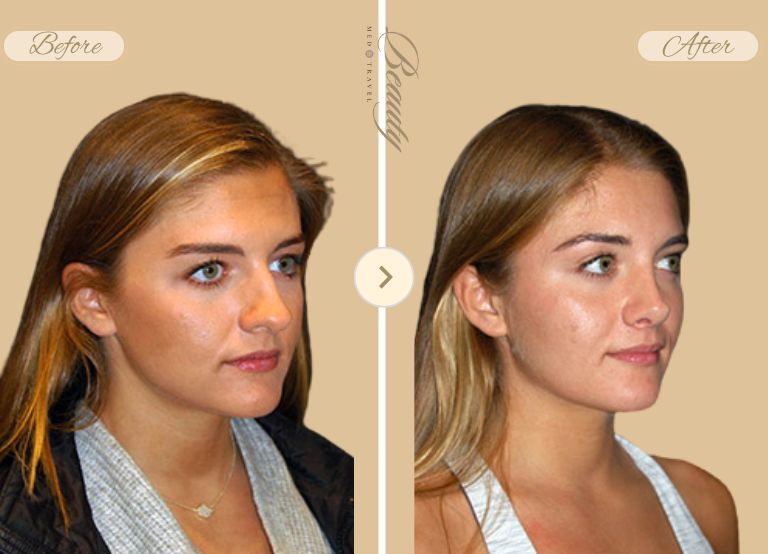
| Rhinoplasty (Nose Surgery) |
83,146 procedures |
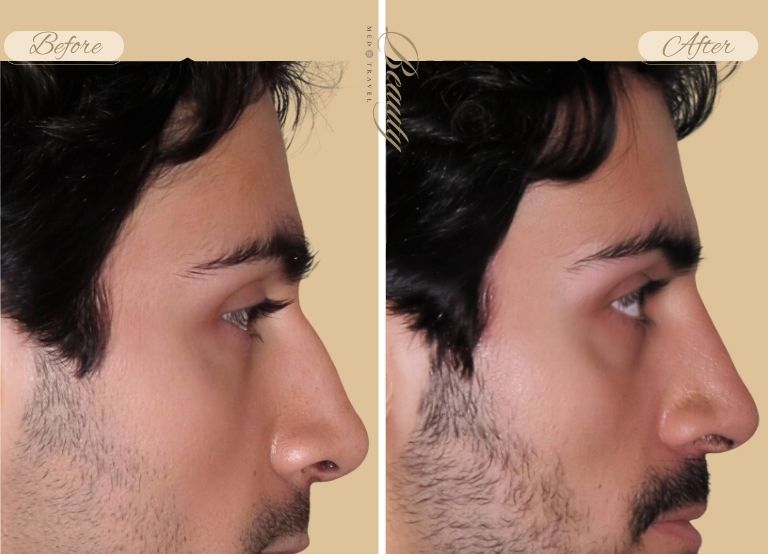
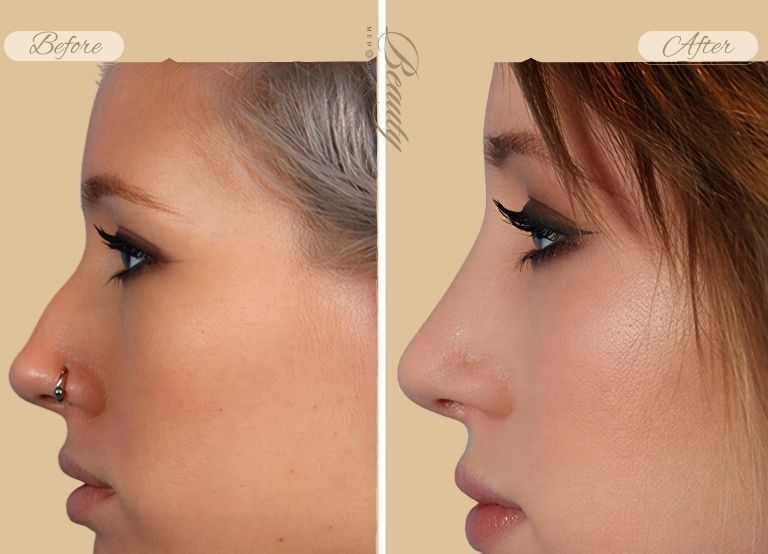
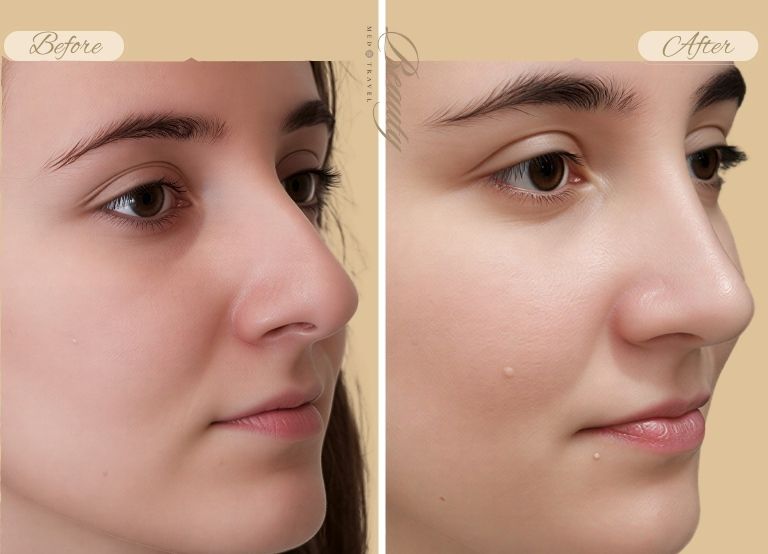
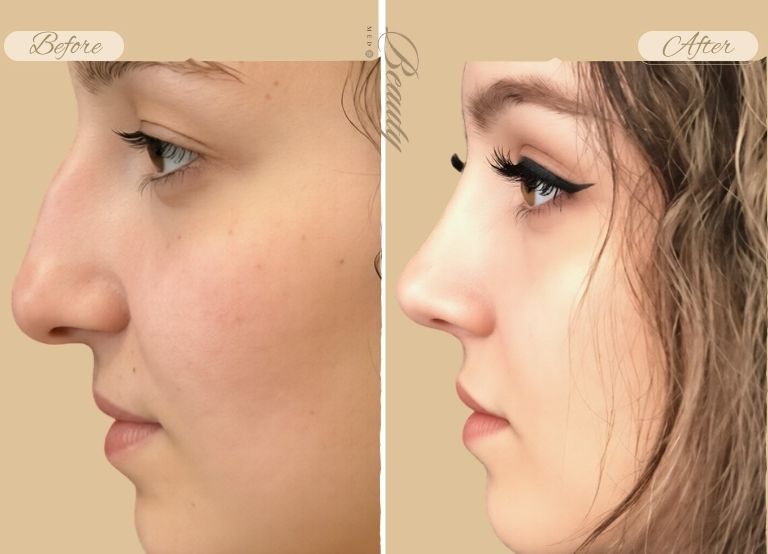
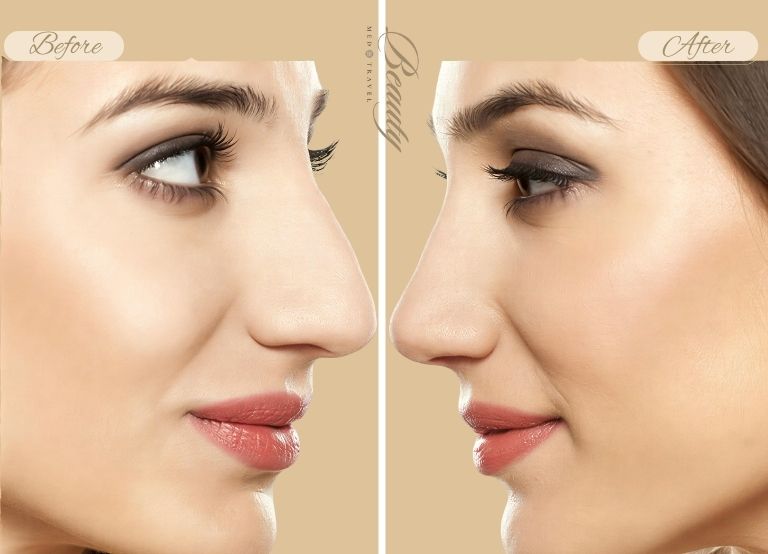
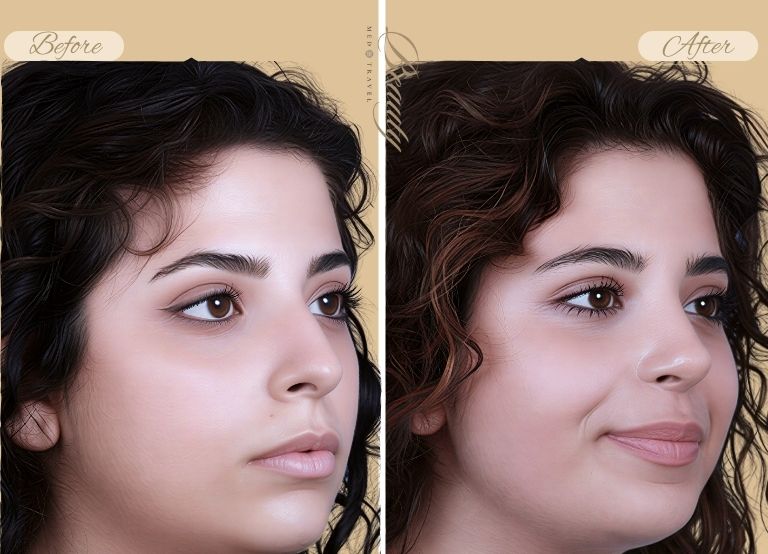
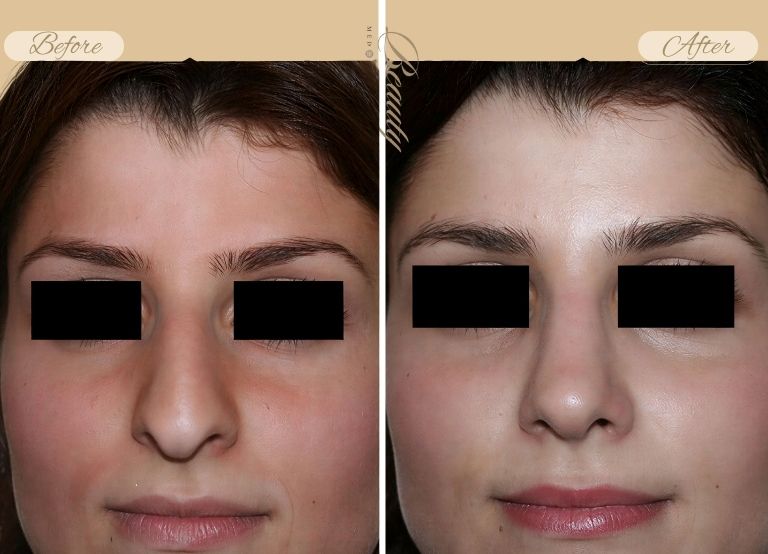
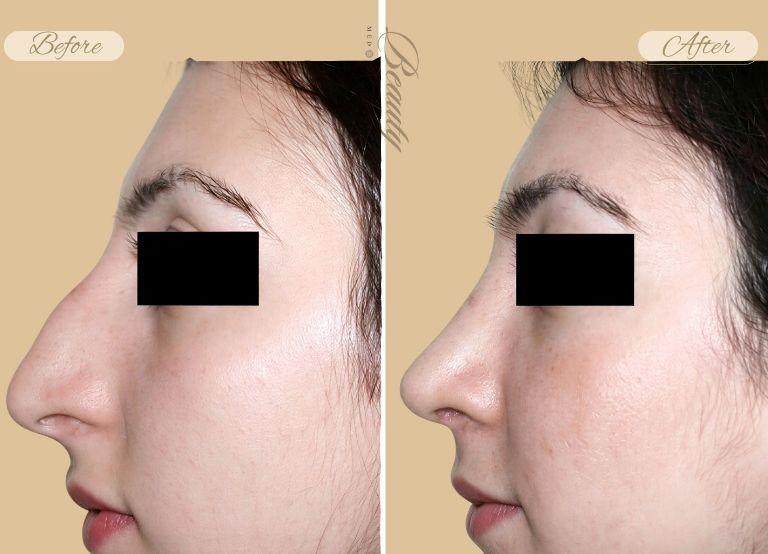
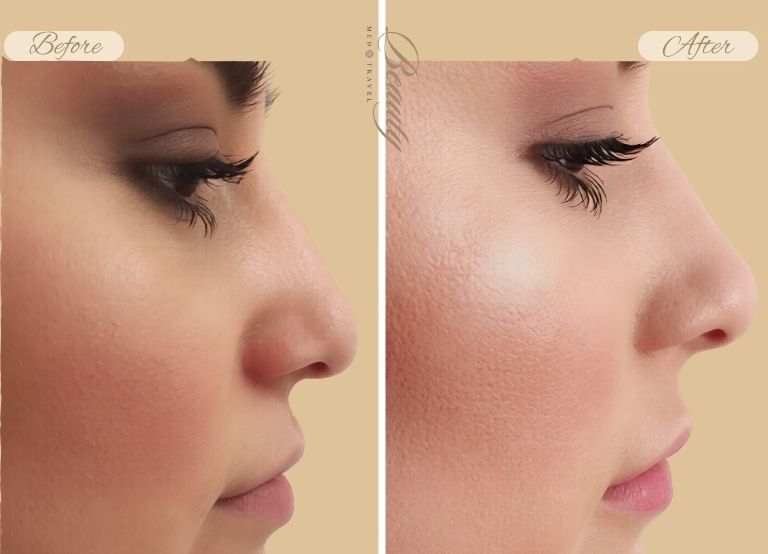
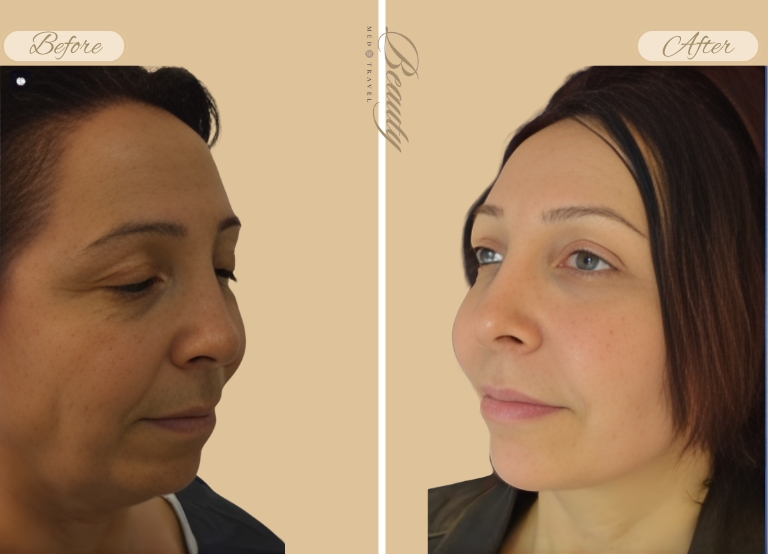
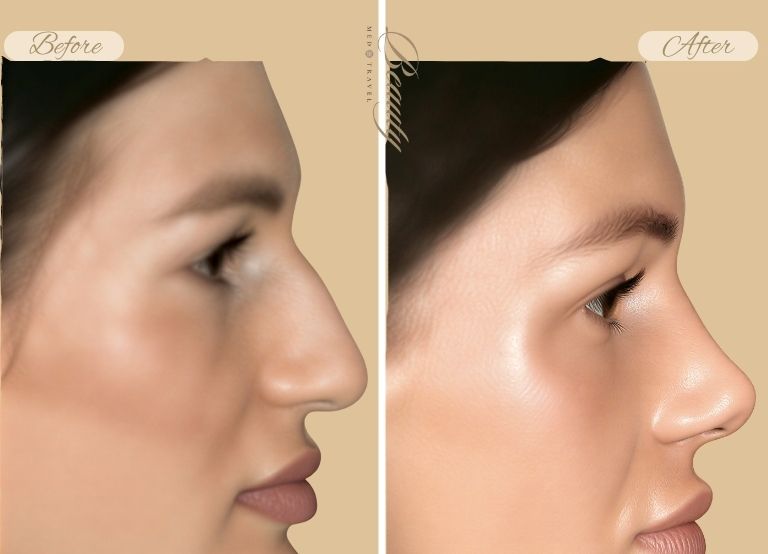
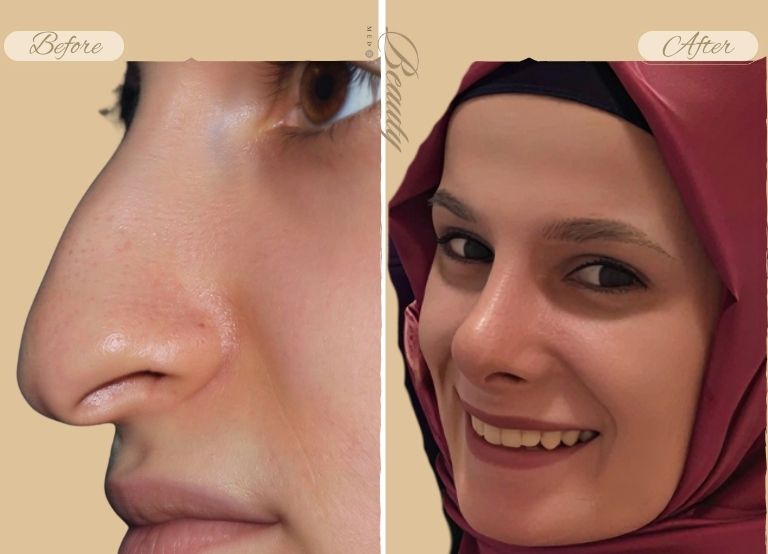
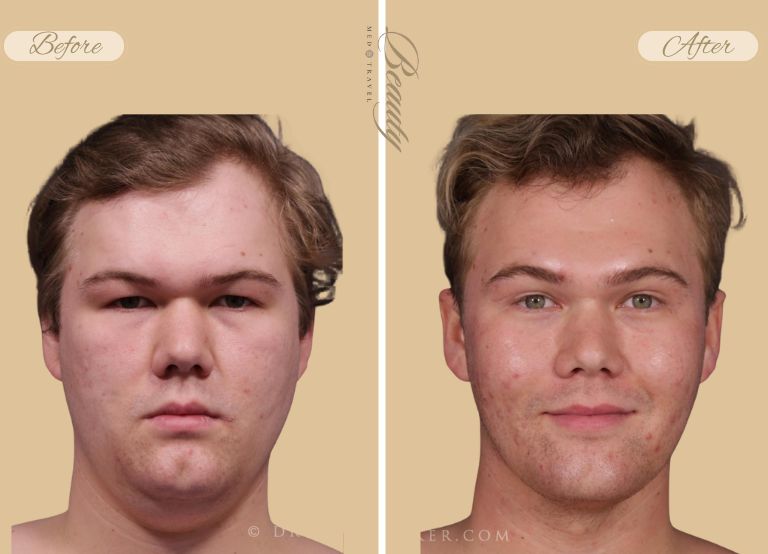
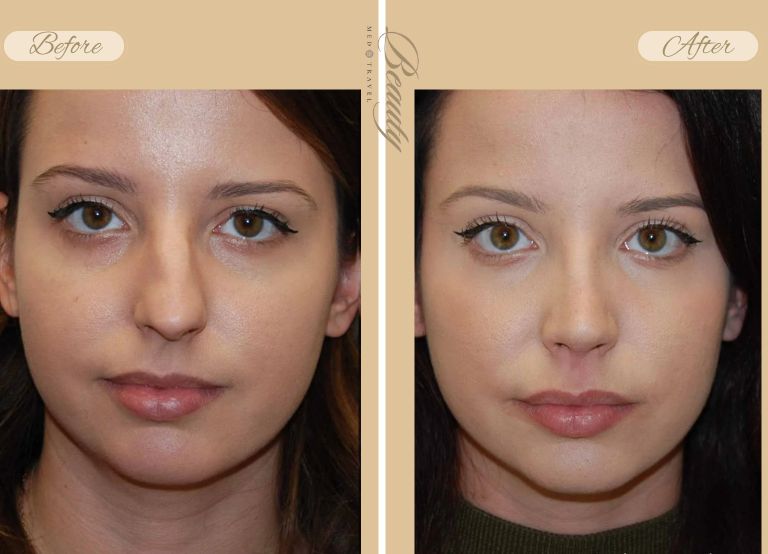
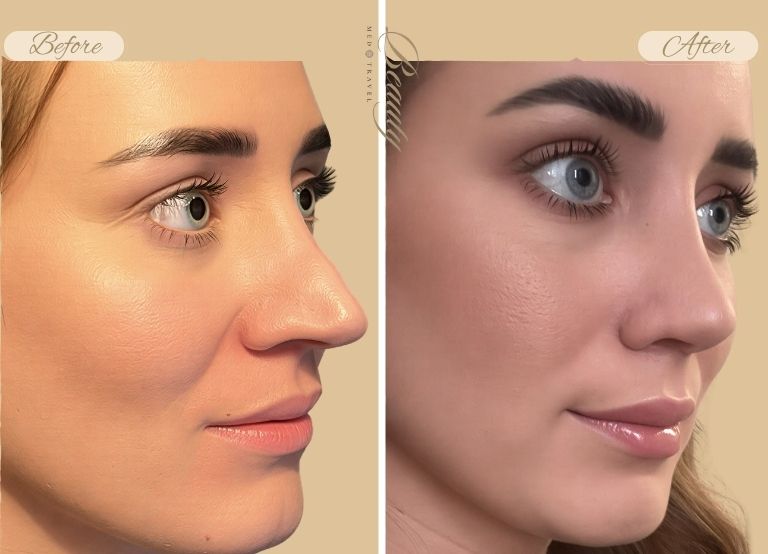
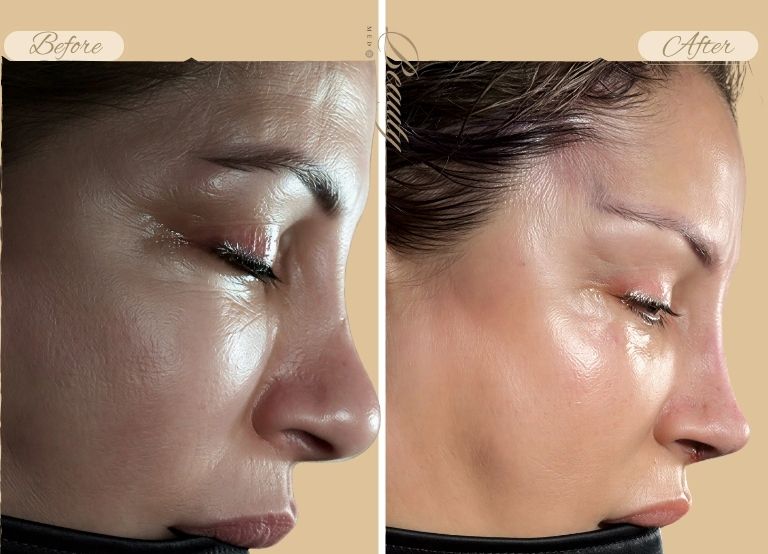
Surgeons handle a wide range of nose structures and revisions, which builds strong expertise in shaping, symmetry, and functional correction.
They also use advanced 3D imaging and ultrasonic tools to improve results and reduce trauma. |
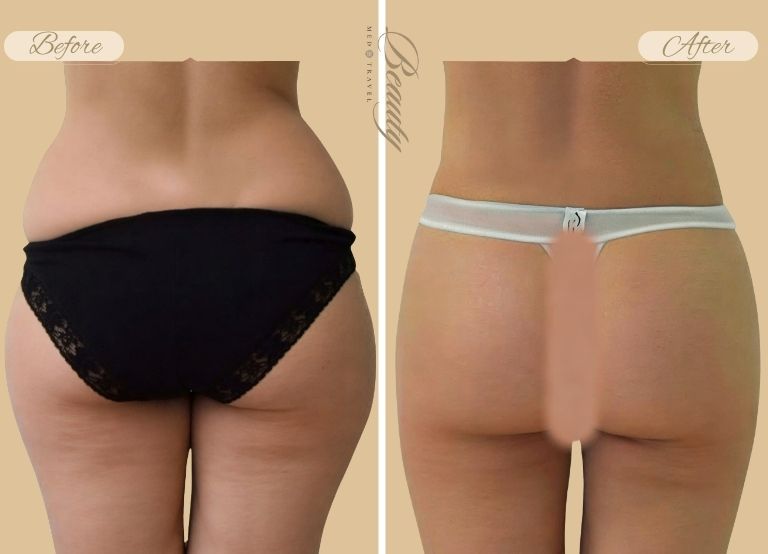
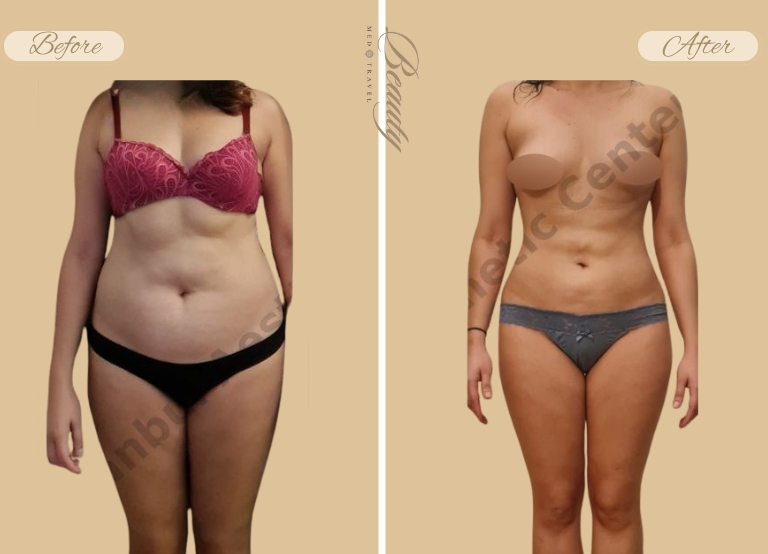
| Liposuction |
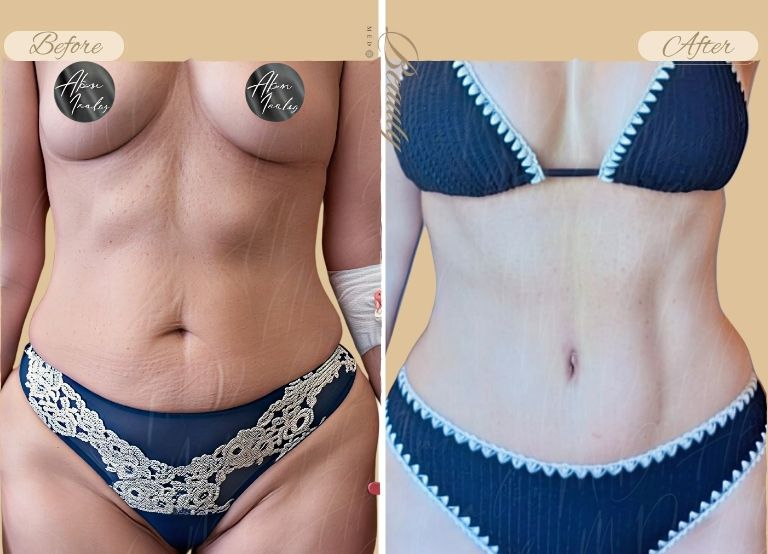
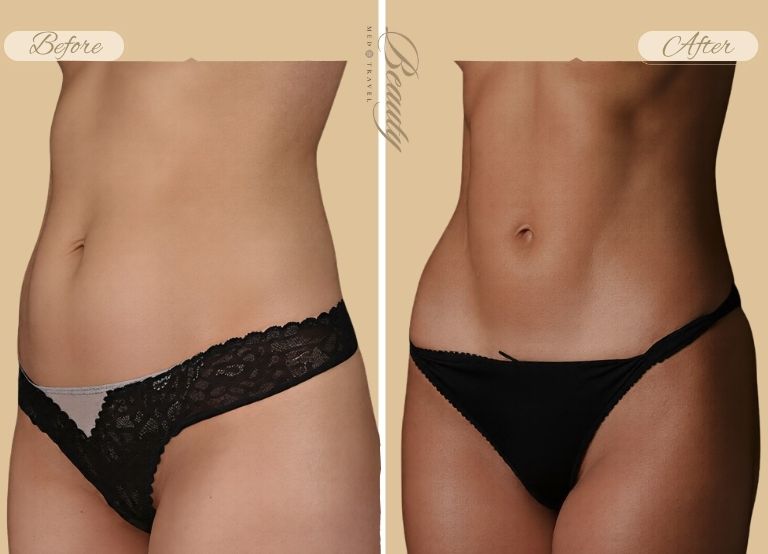
67,962 procedures |
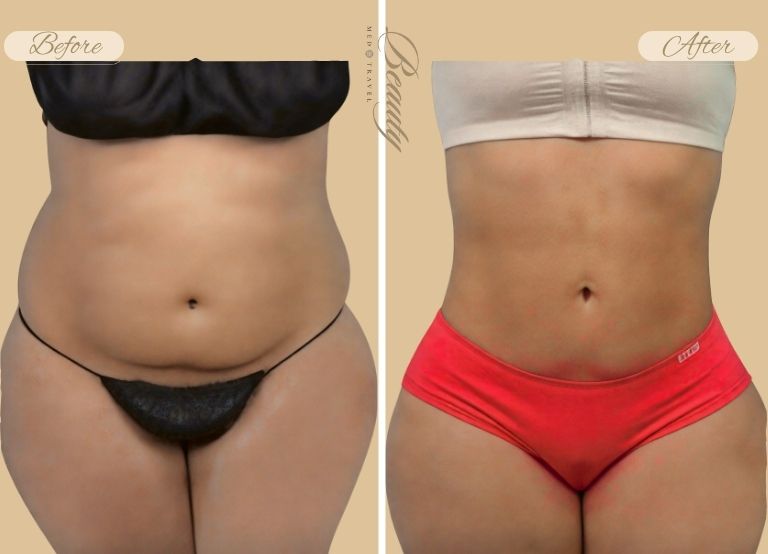
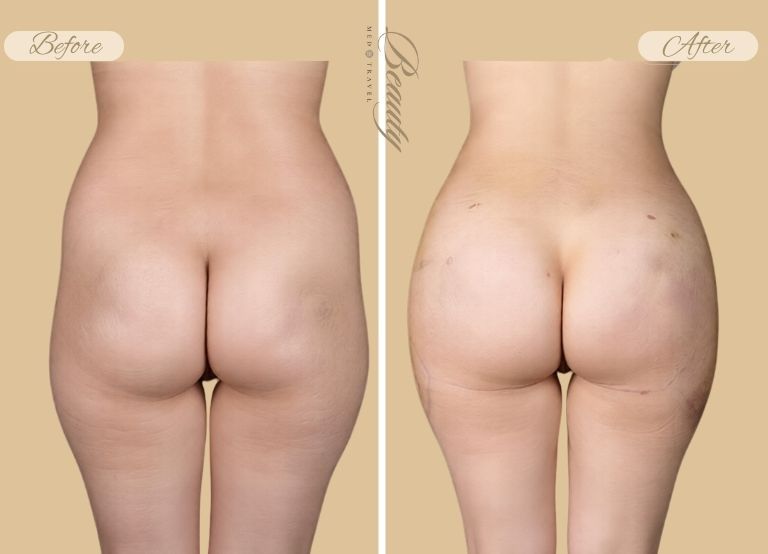
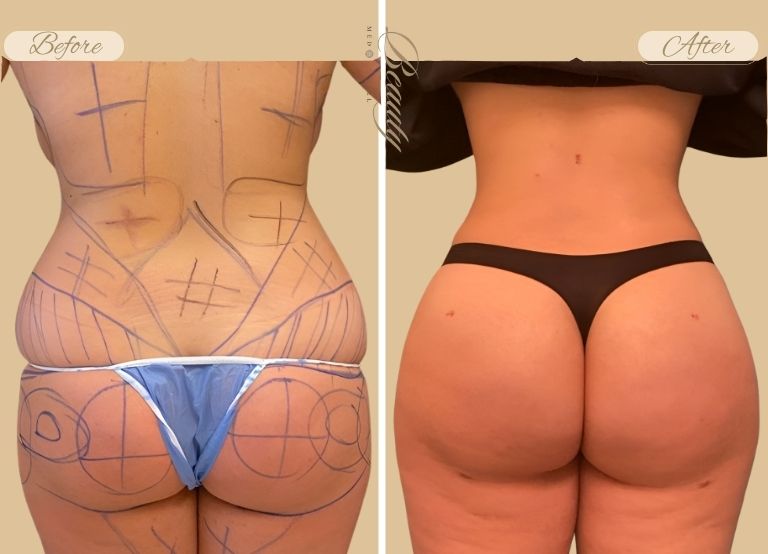
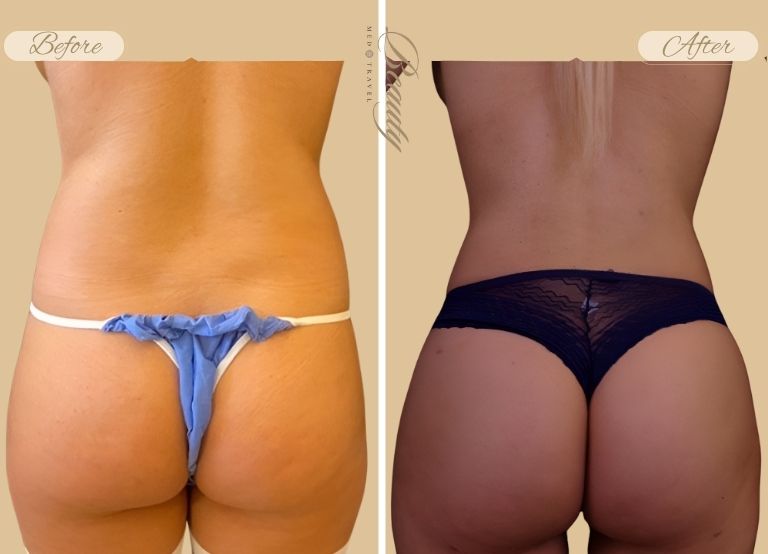
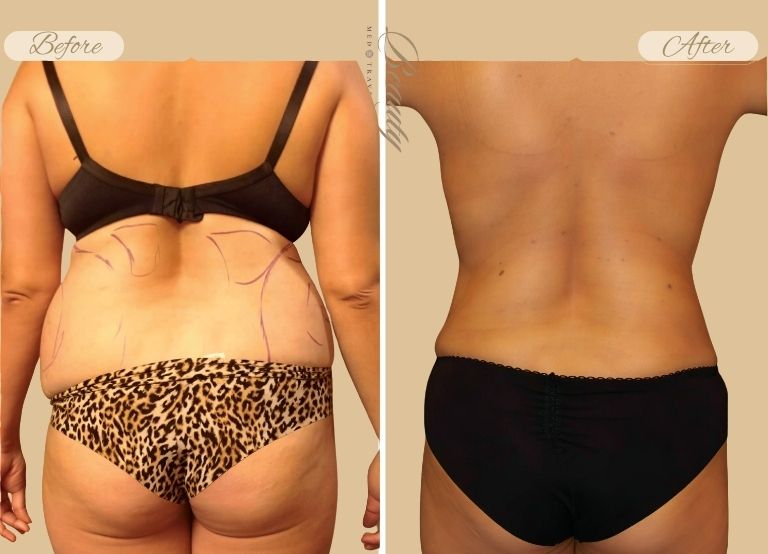
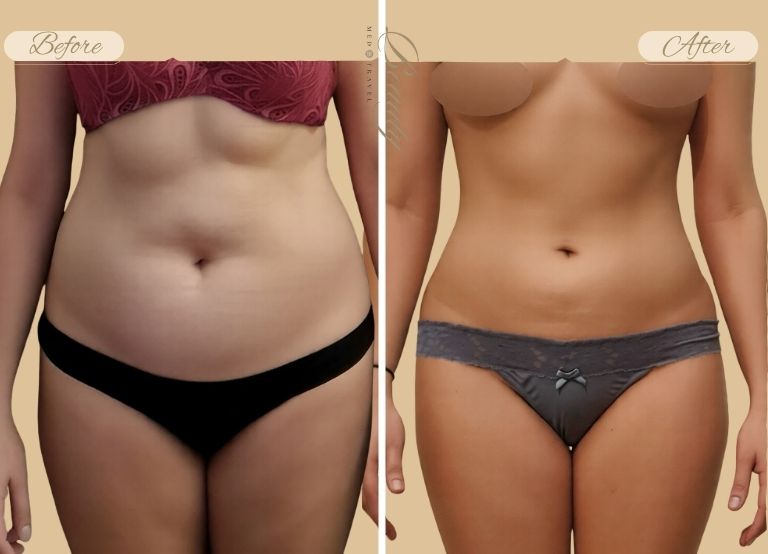
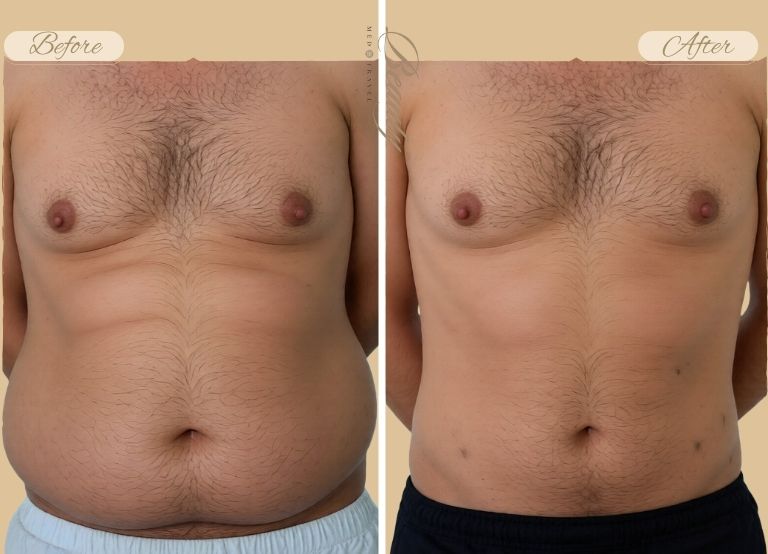
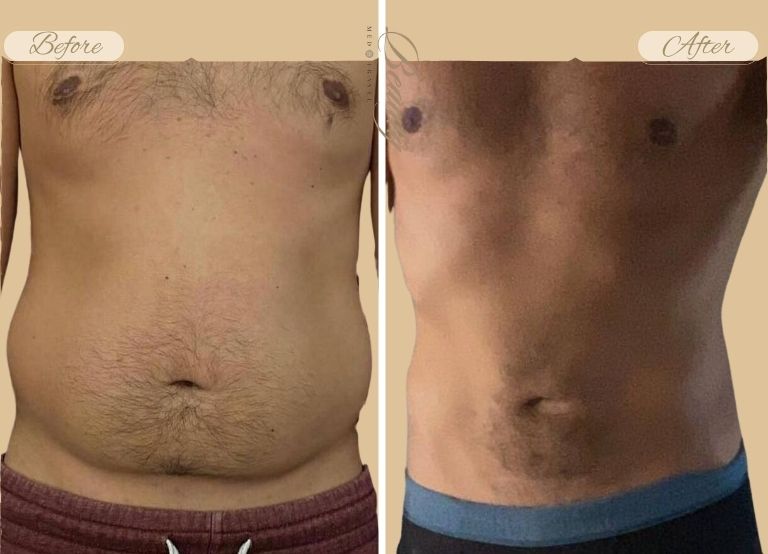
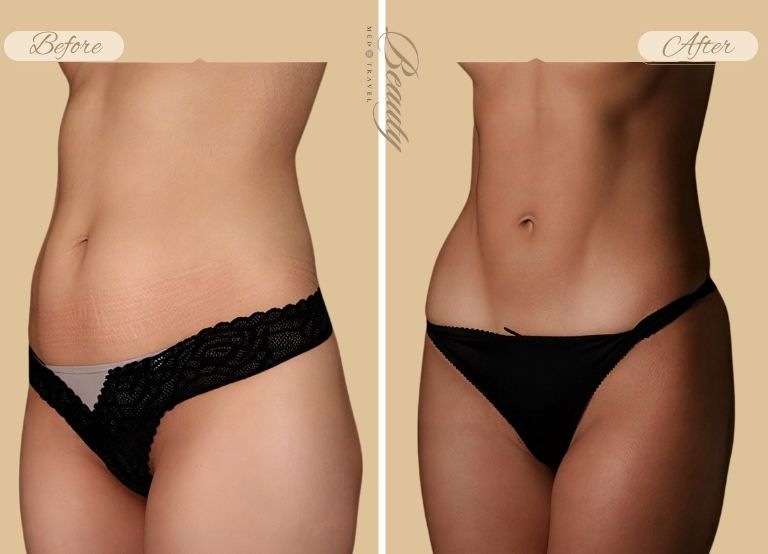
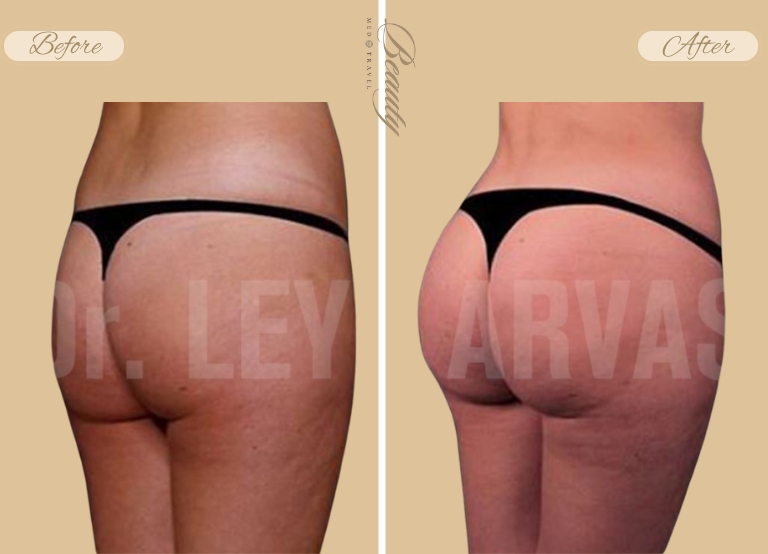
Surgeons perform this procedure at a very high frequency, which builds strong control over fat removal, contouring, and symmetry across different body types.
Many Turkish clinics offer advanced methods such as VASER and power-assisted liposuction for smoother fat removal and better definition. |
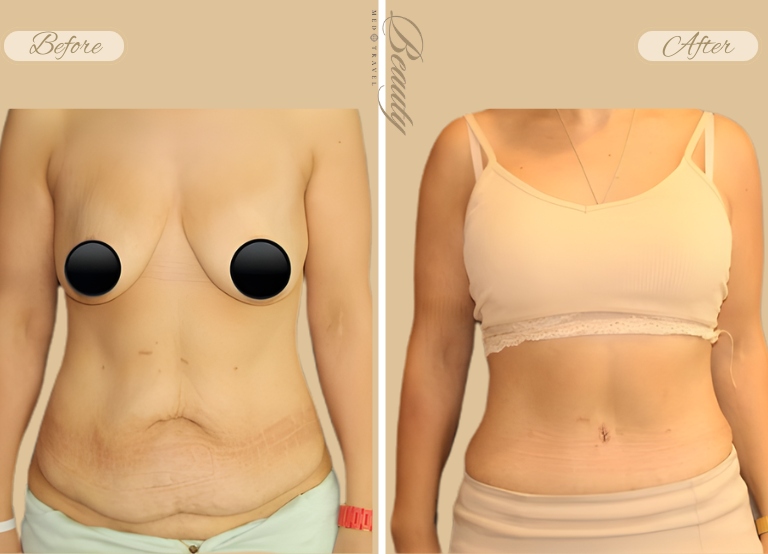
| Tummy Tuck (Abdominoplasty) |
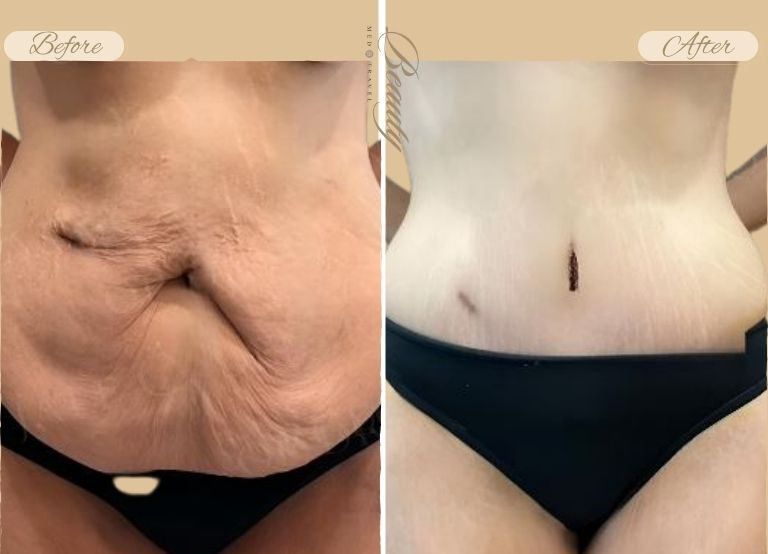
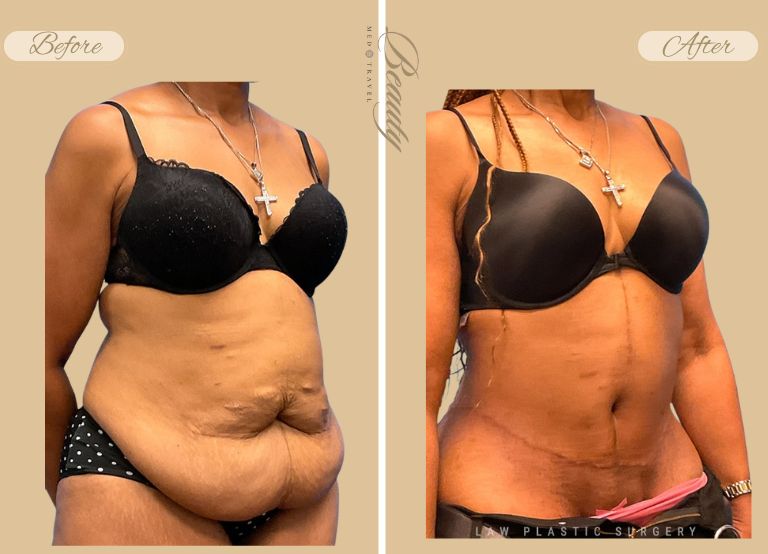
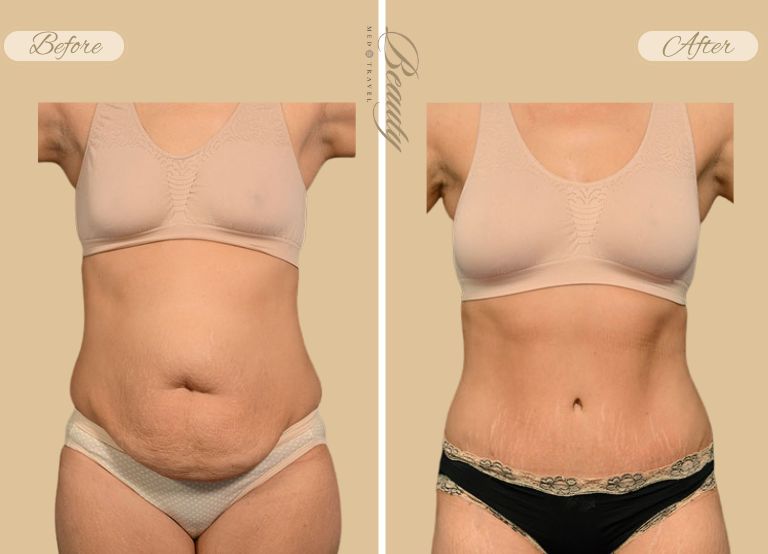
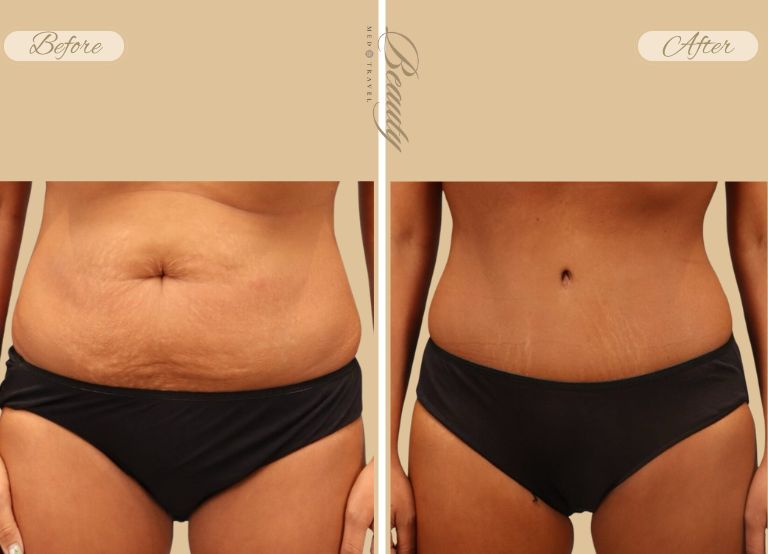
36,409 procedures |
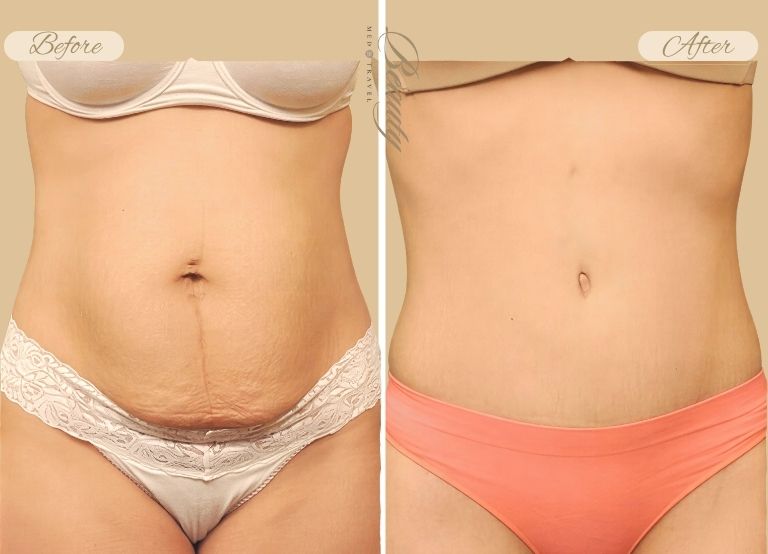
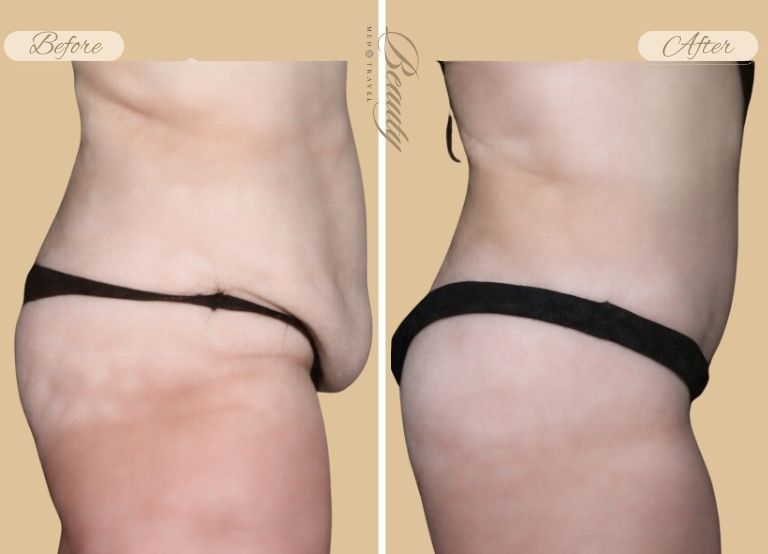
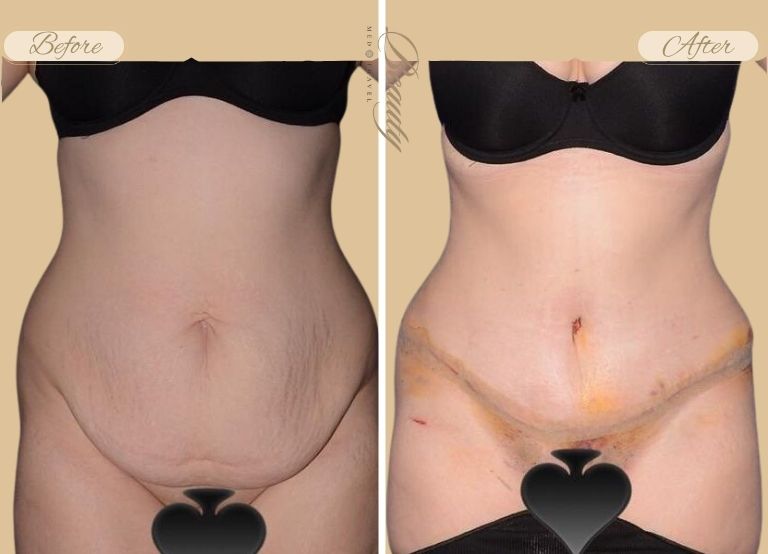
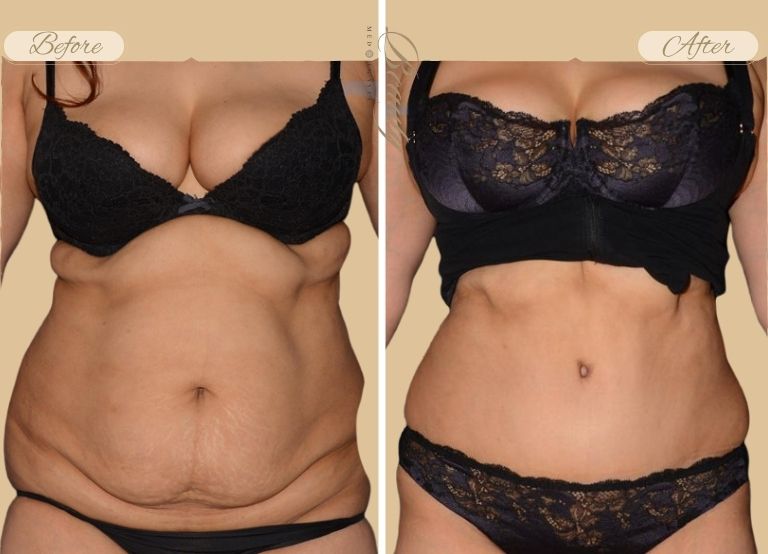
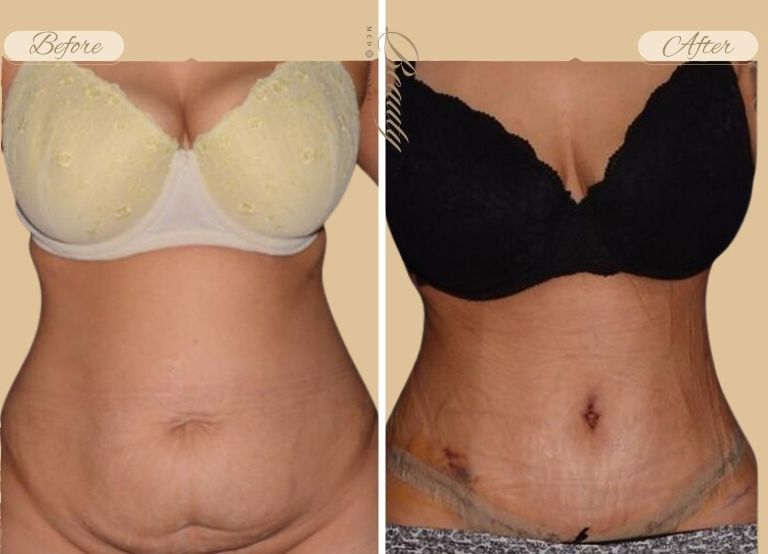
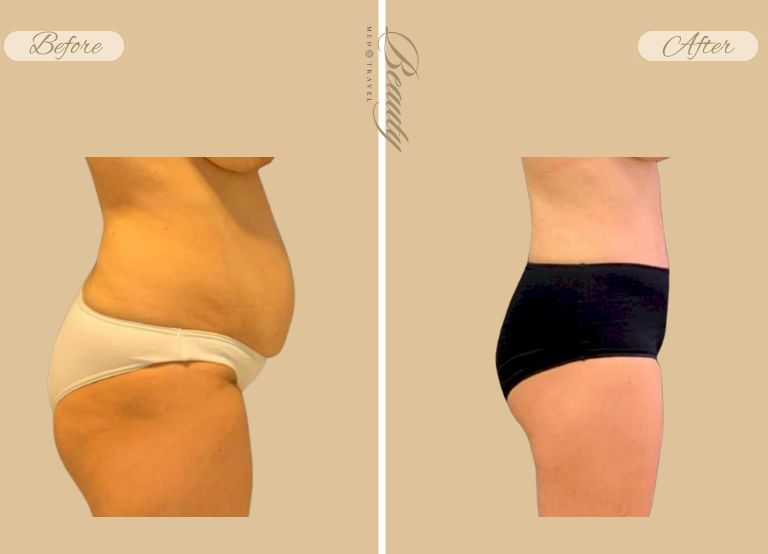
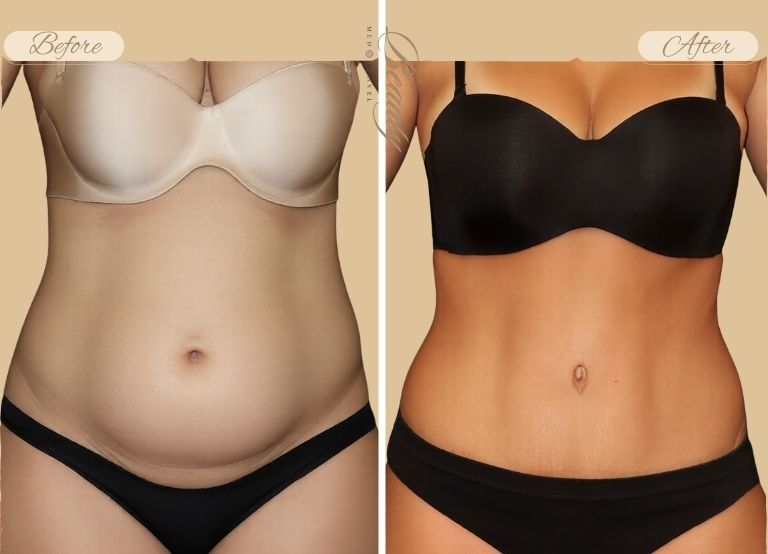
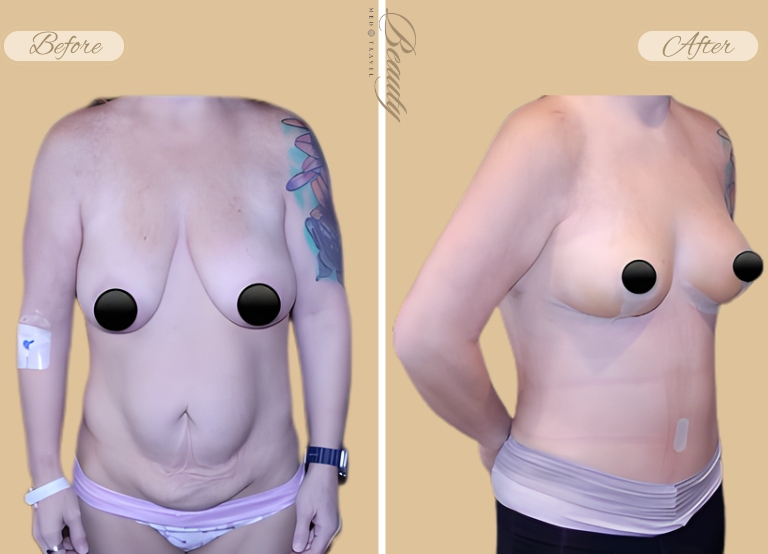
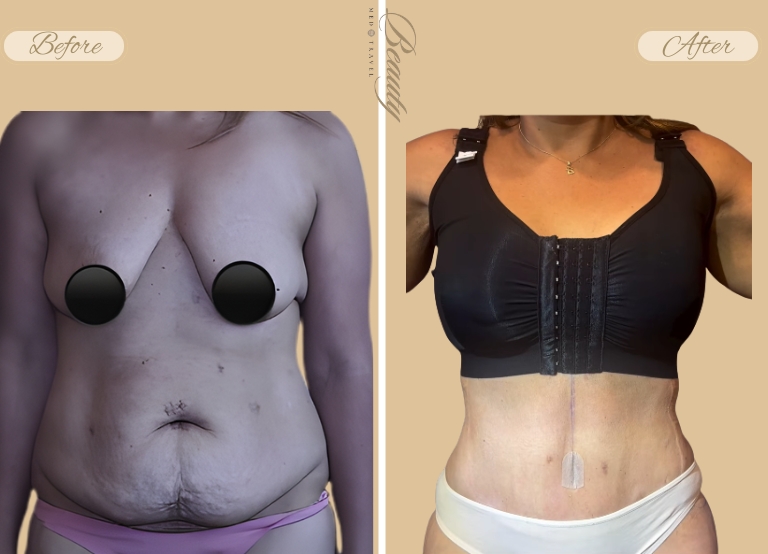
Turkish doctors perform this procedure frequently on patients after weight loss and pregnancy, which builds experience in removing excess skin, tightening abdominal muscles, and managing stretched tissue. |
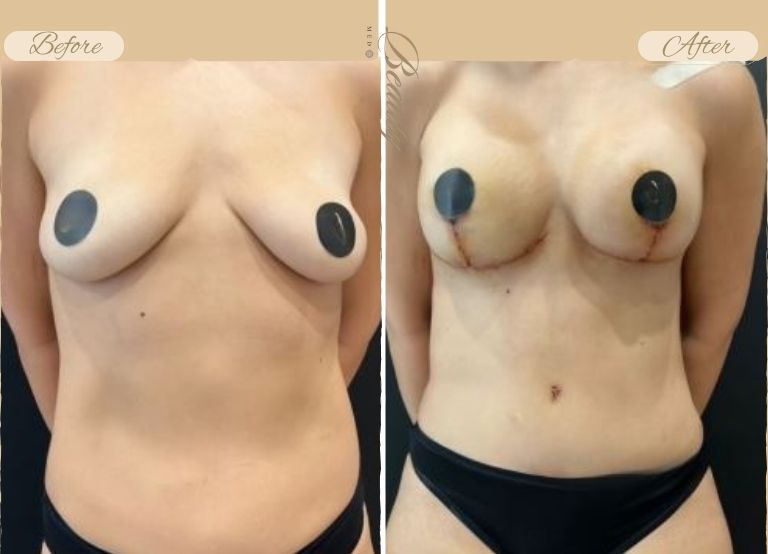
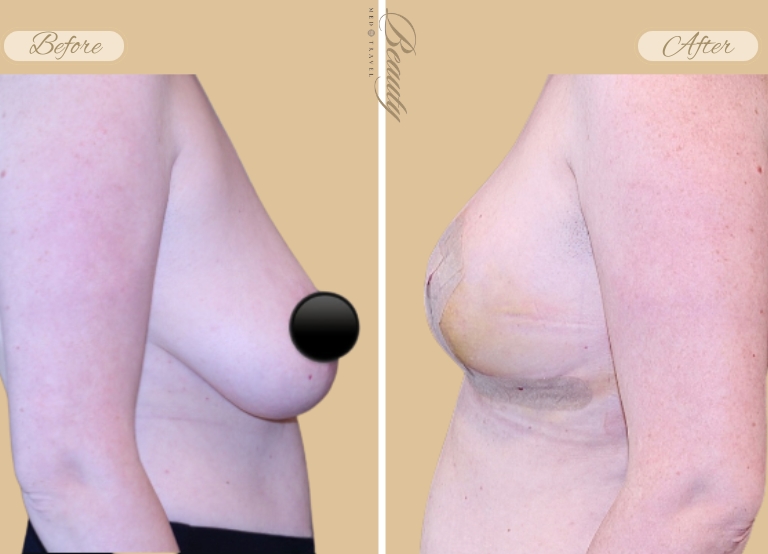
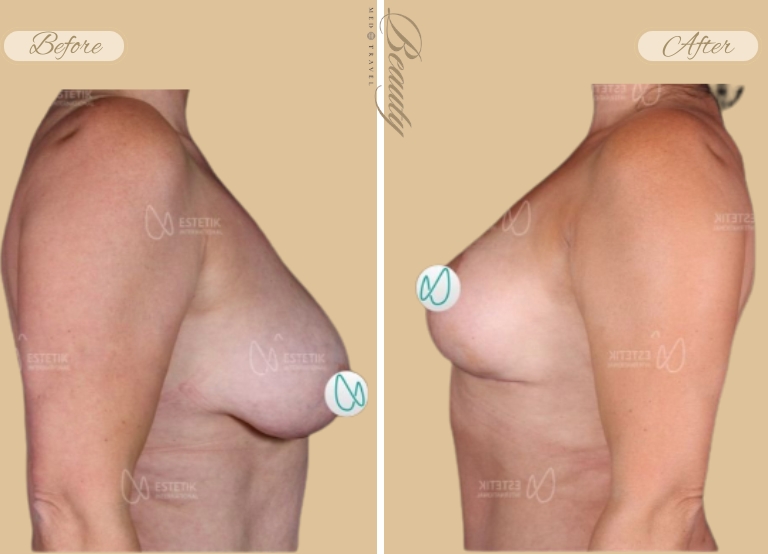
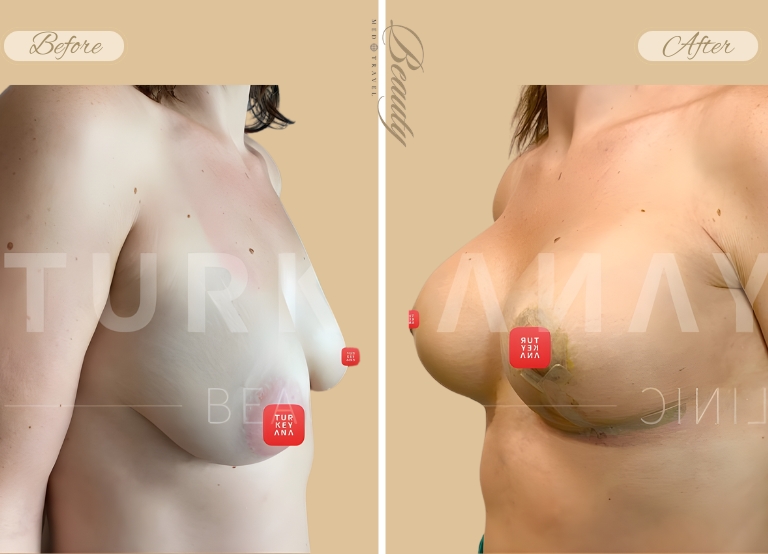
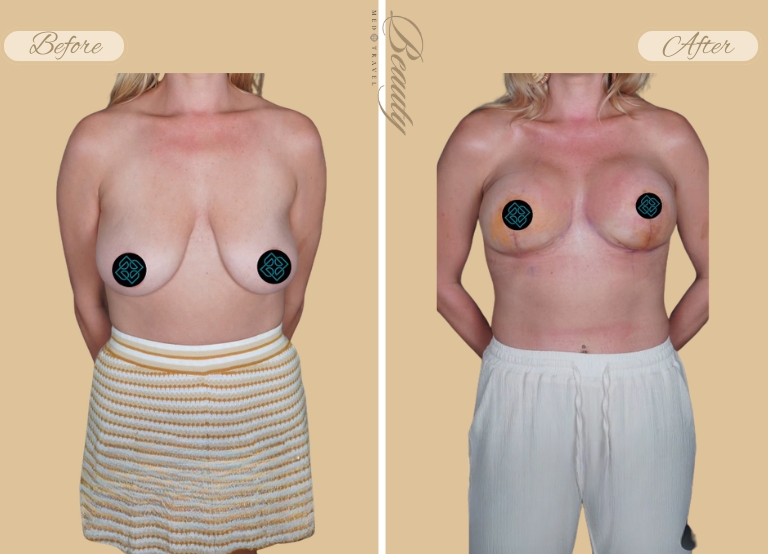
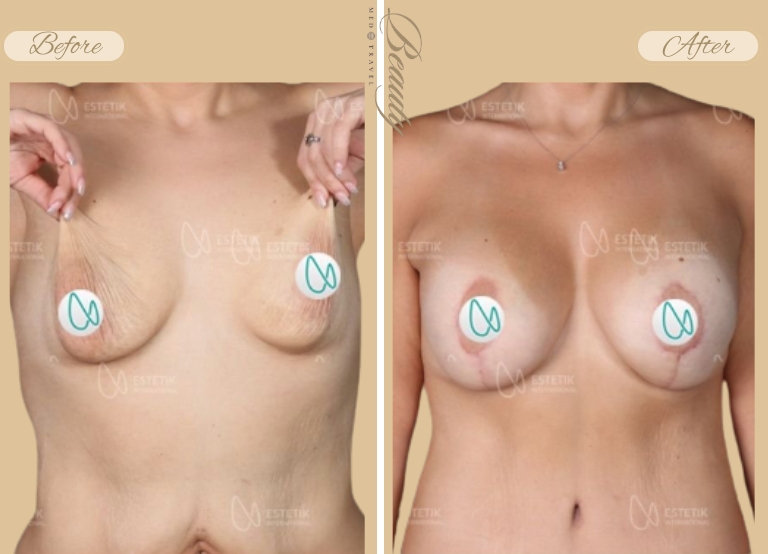
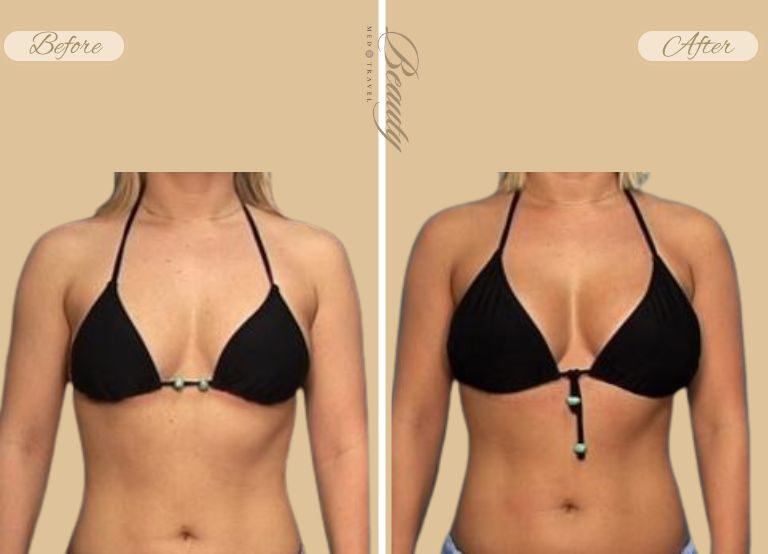
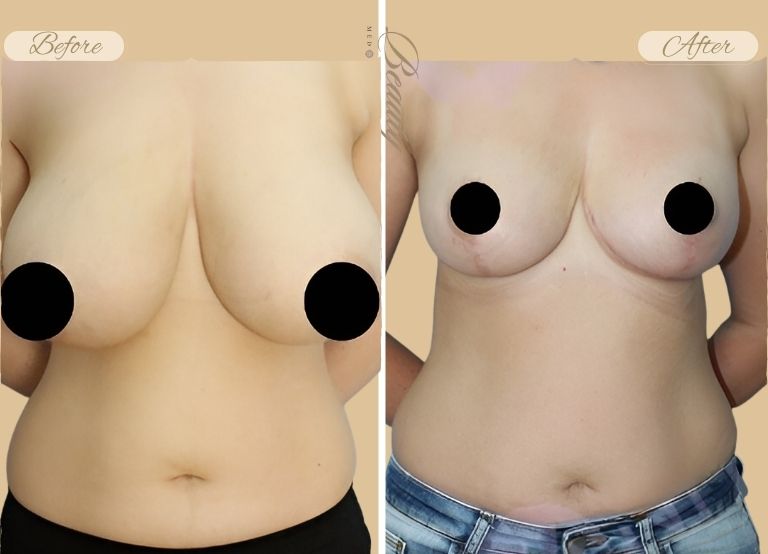
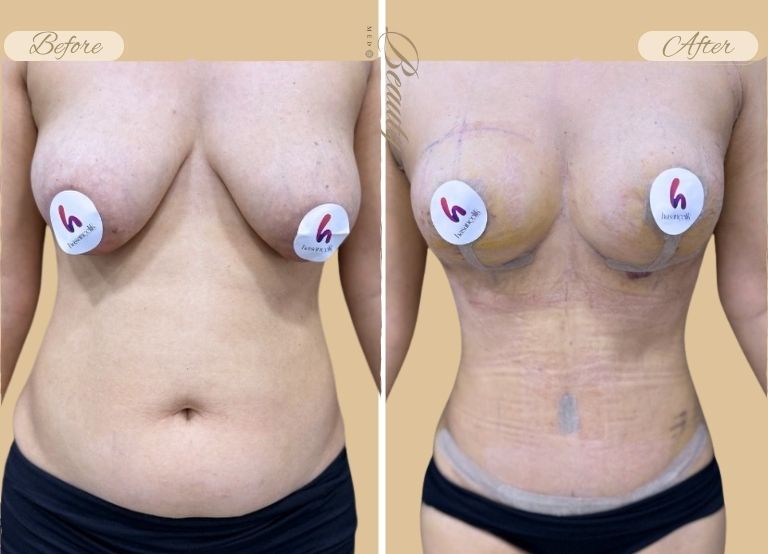
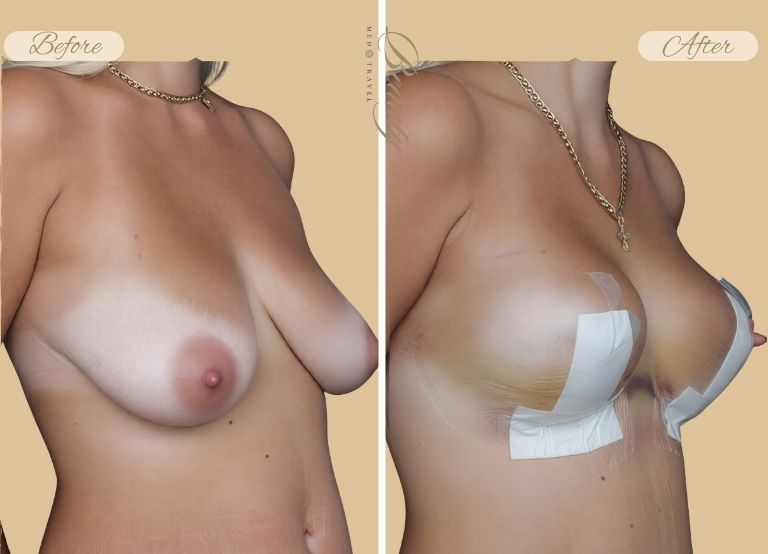
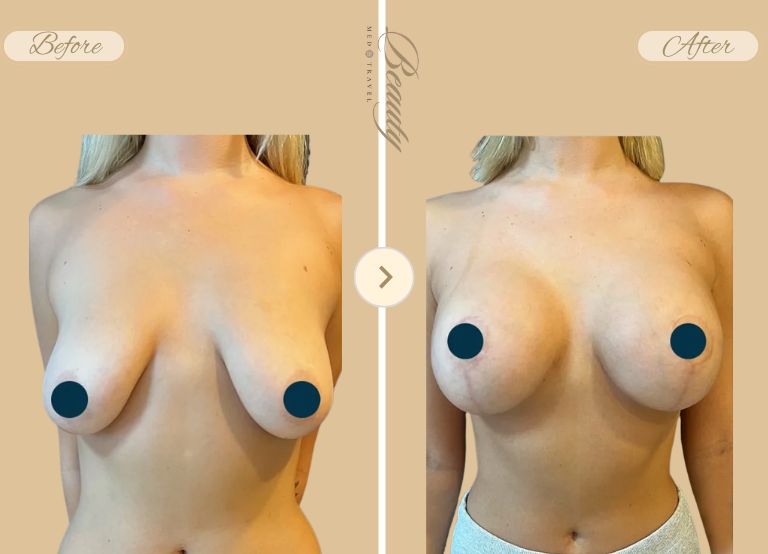
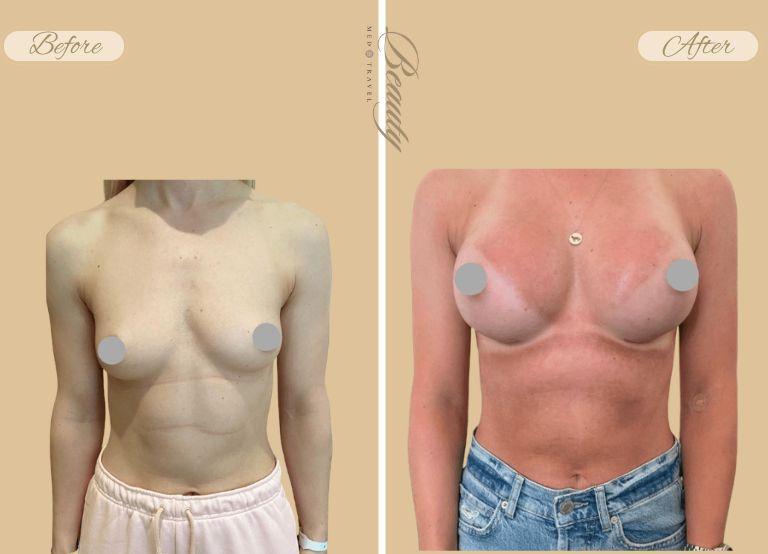
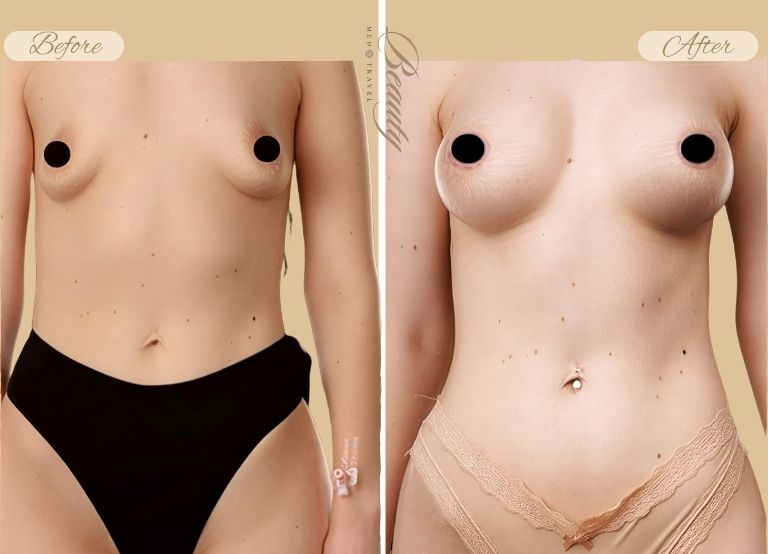
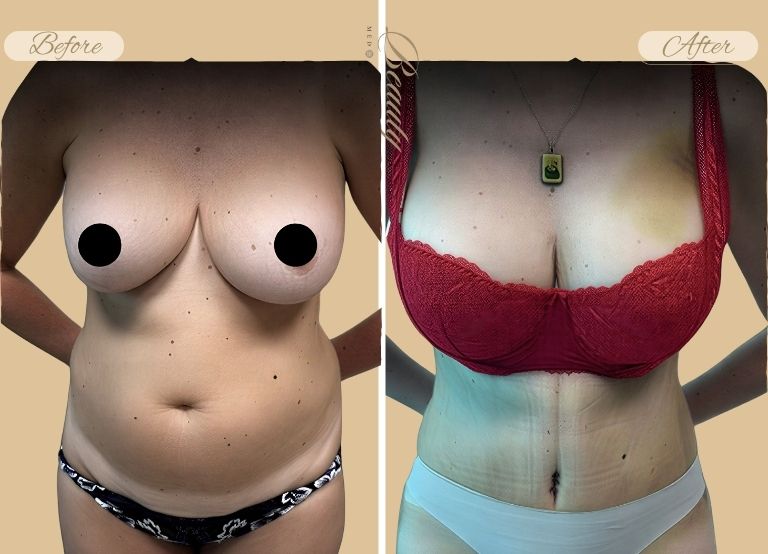
| Breast Augmentation / Reduction |
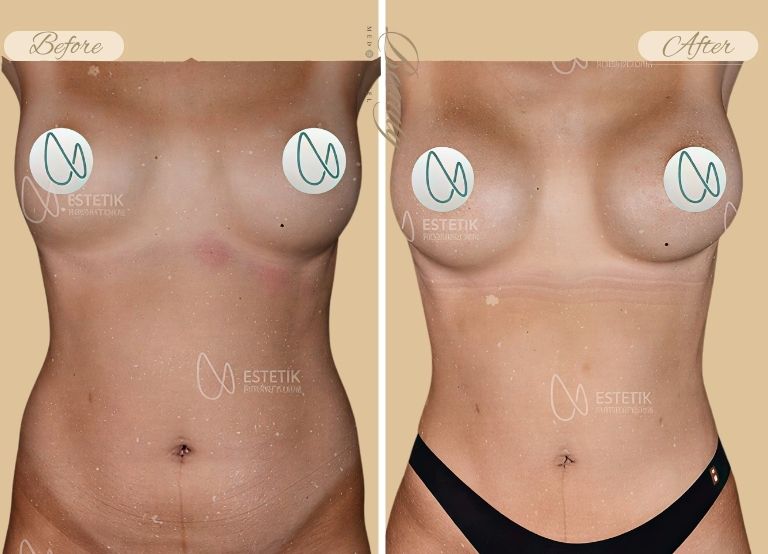
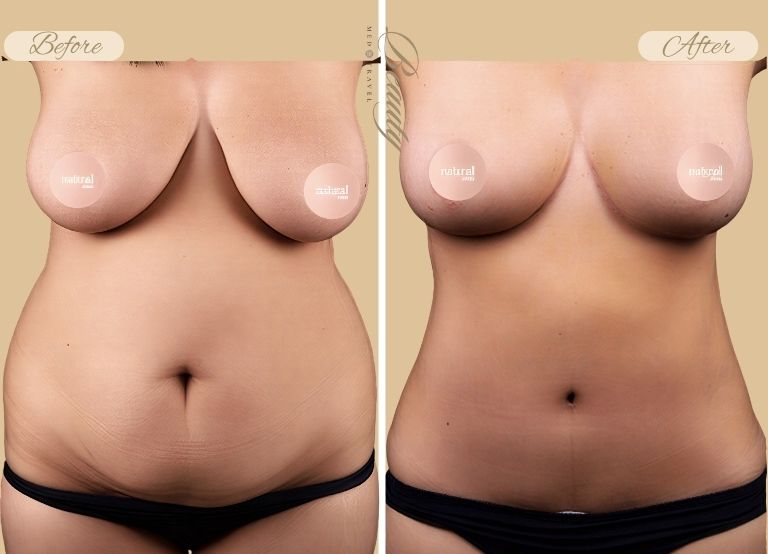
53,800 (augmentation) + 29,074 (reduction) |
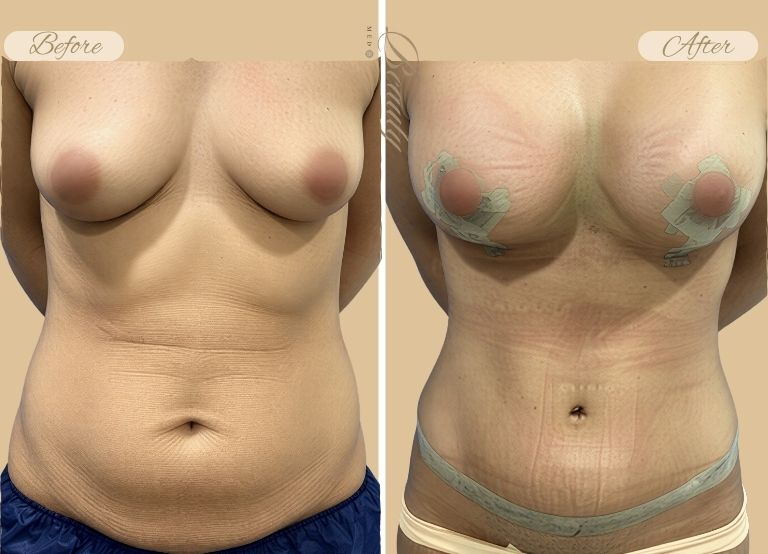
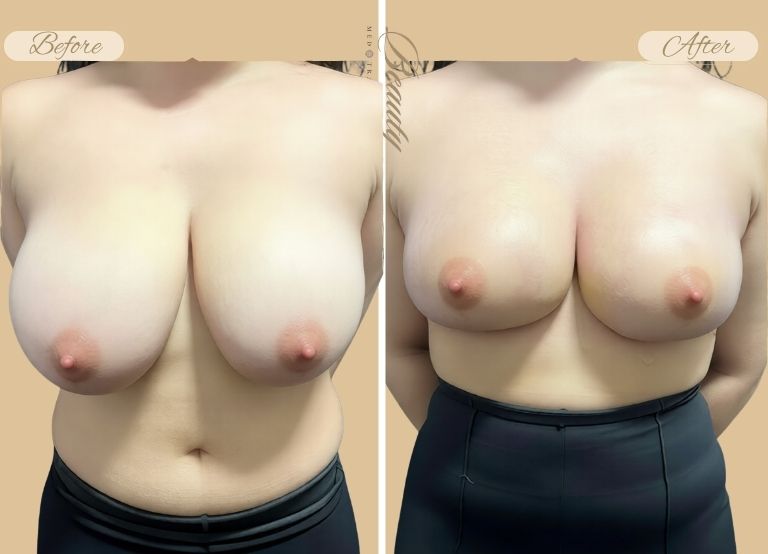
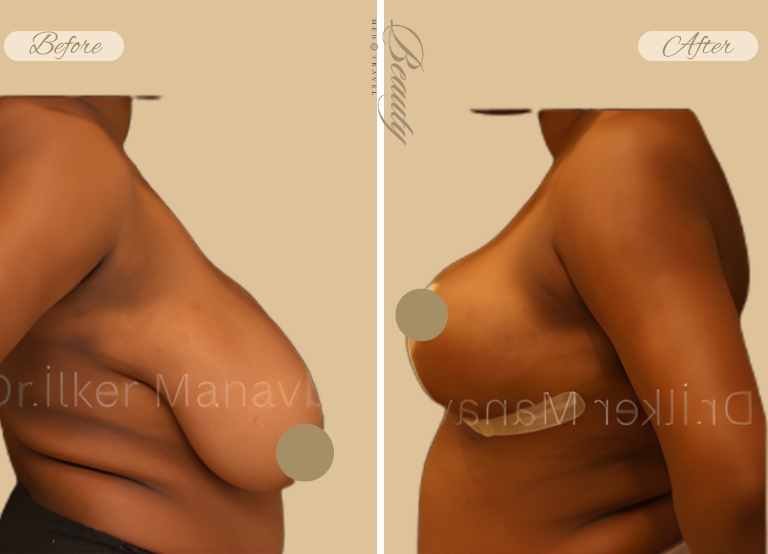
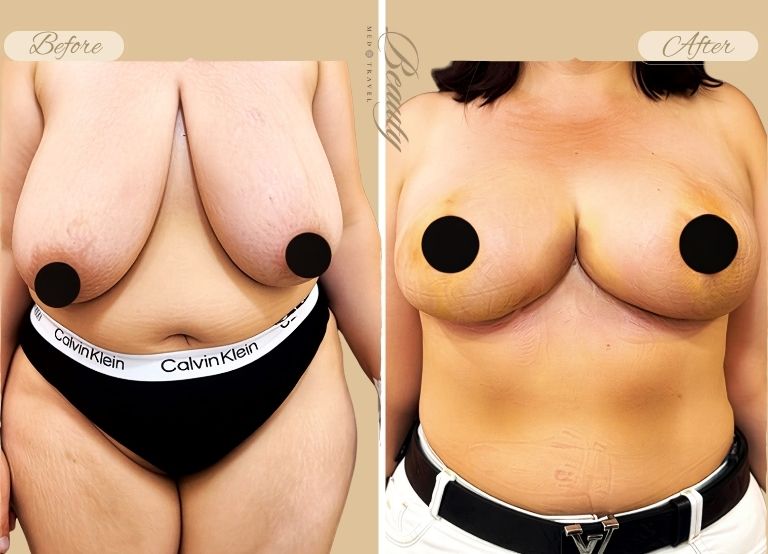
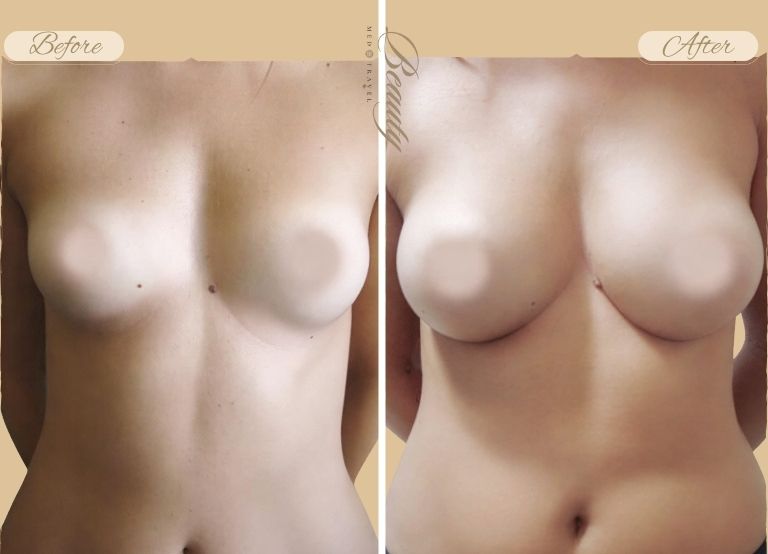
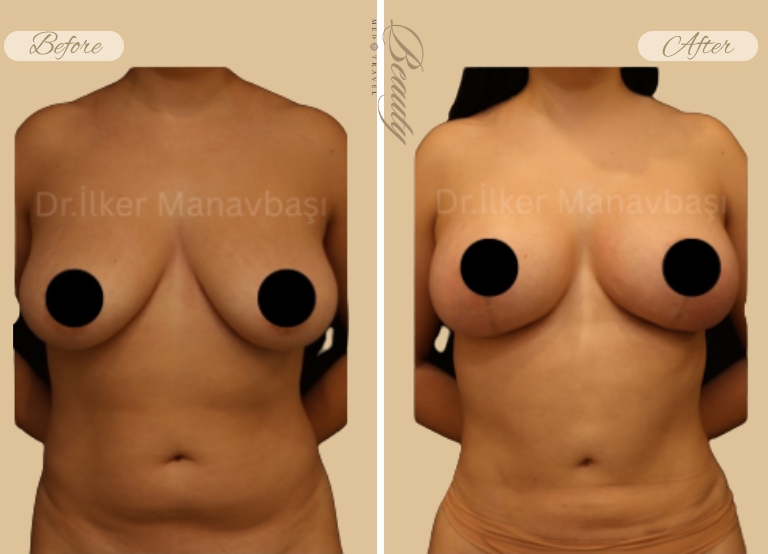
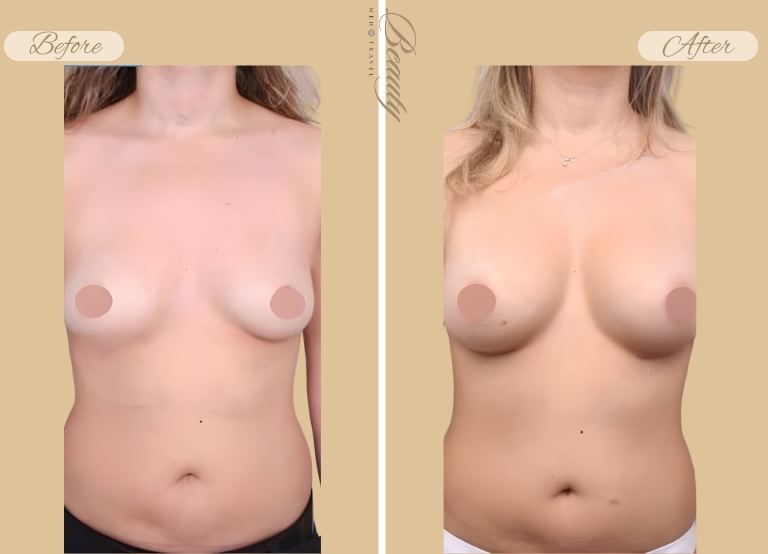
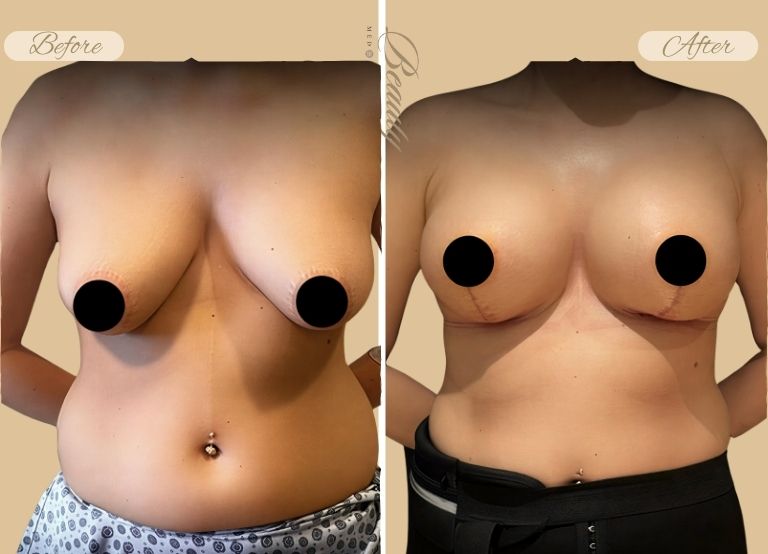
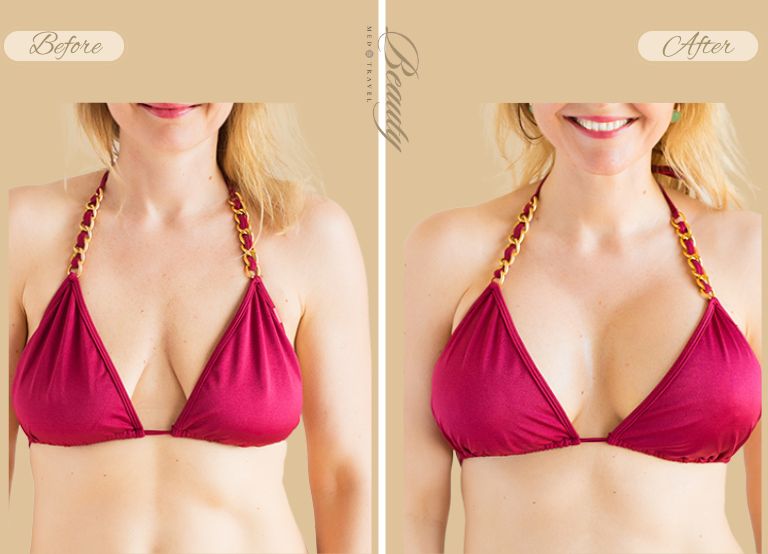
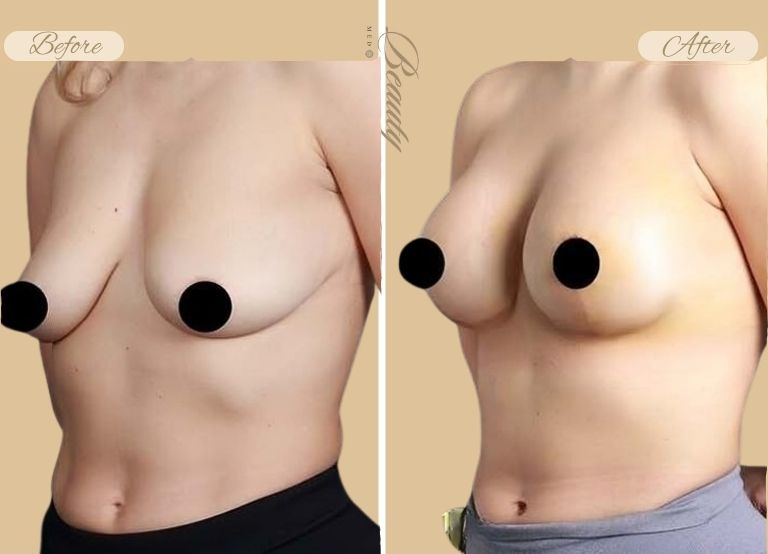
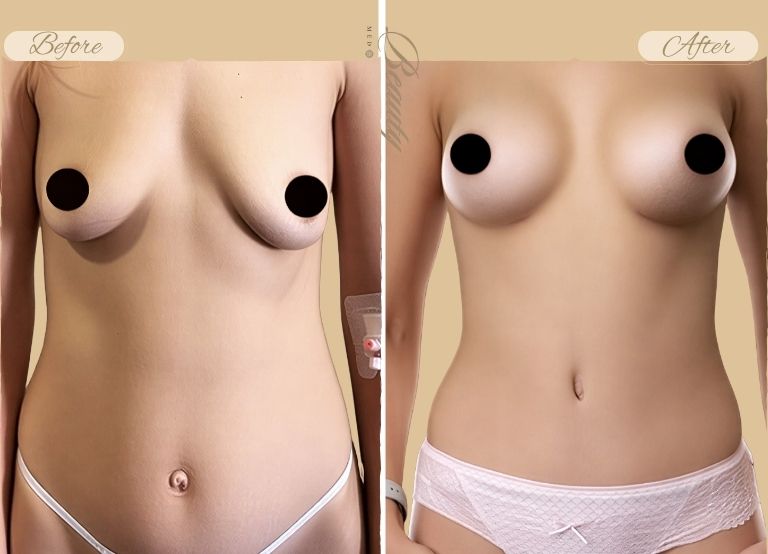
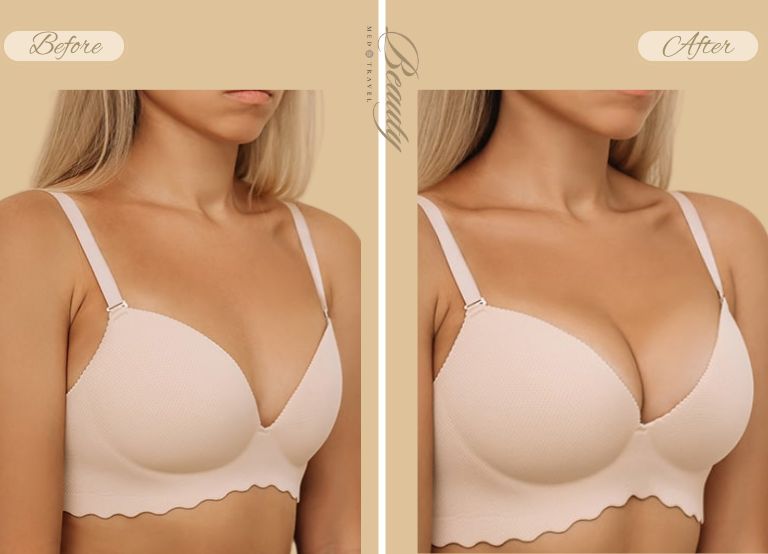
High combined volume allows surgeons to refine implant selection, breast shaping, and symmetry correction across a wide range of cases.
Turkish surgeons also use modern implants like Motiva and refined placement techniques for more natural movement and feel. |
How to Choose the Right Clinic in Turkey
Define Your Goals
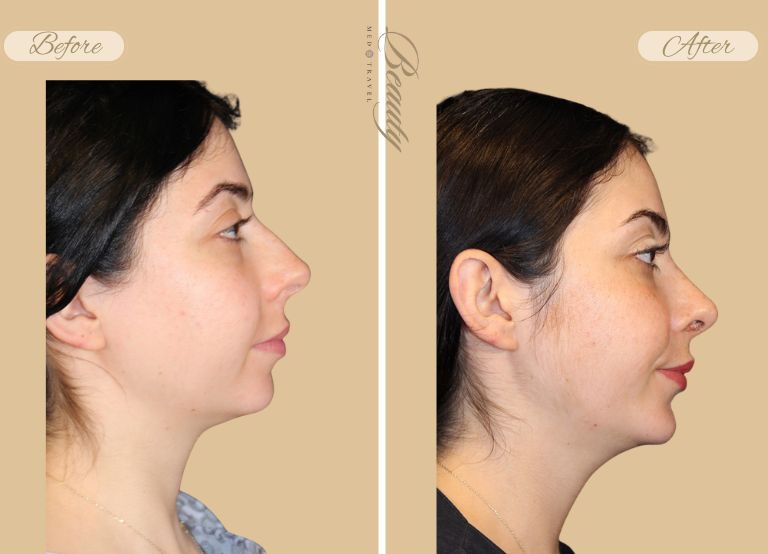
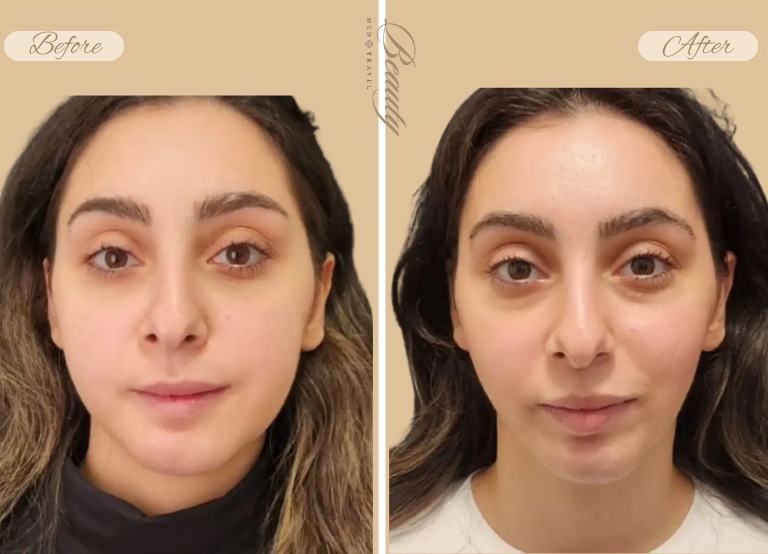
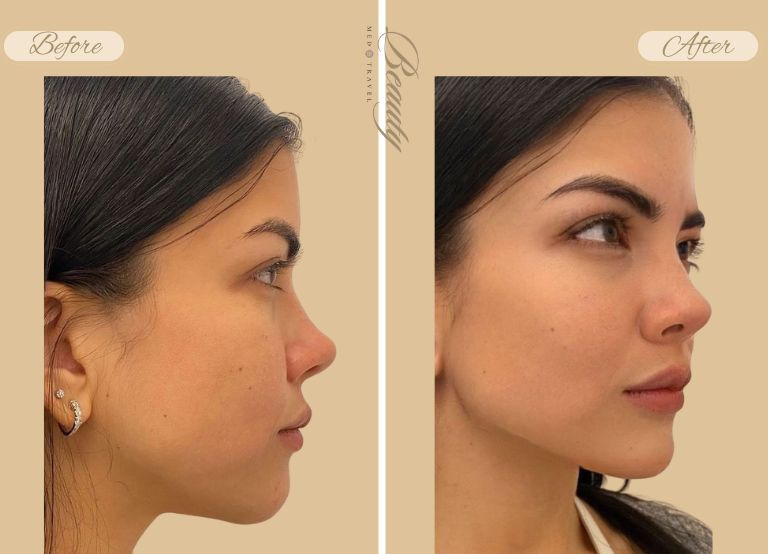
Define exactly what you want to change before you shortlist clinics. For subtle refinement, choose surgeons whose results show small, balanced improvements. If you want more noticeable changes, such as a sharper nose shape, a more defined body contour, or a significant size change, choose surgeons who regularly achieve those outcomes.
Desired Results
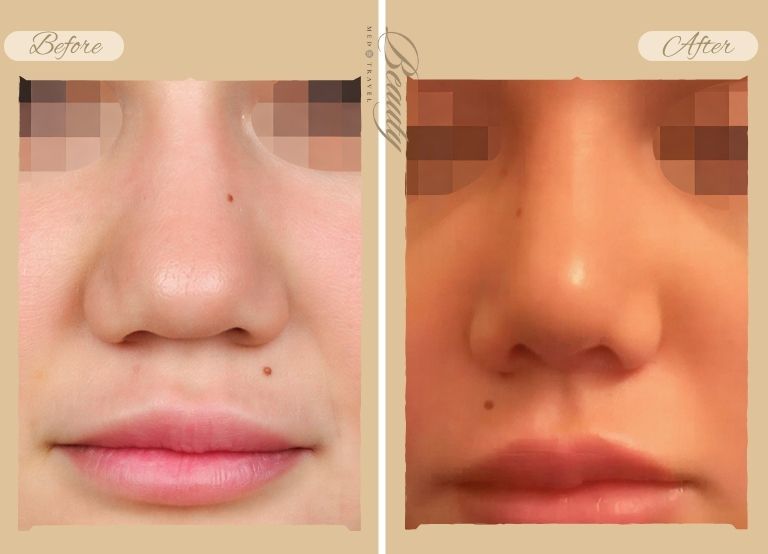
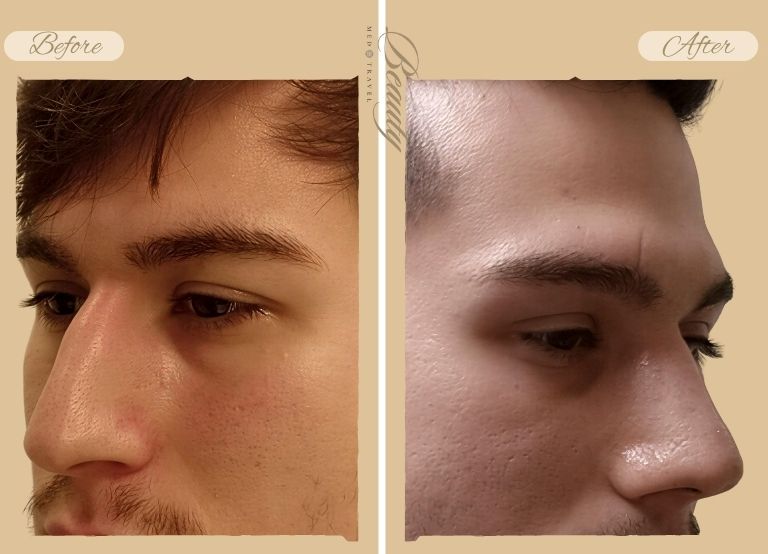
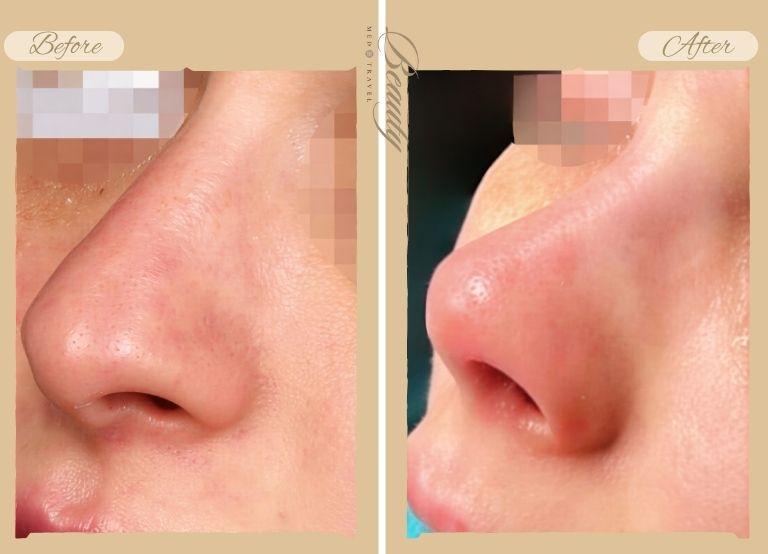
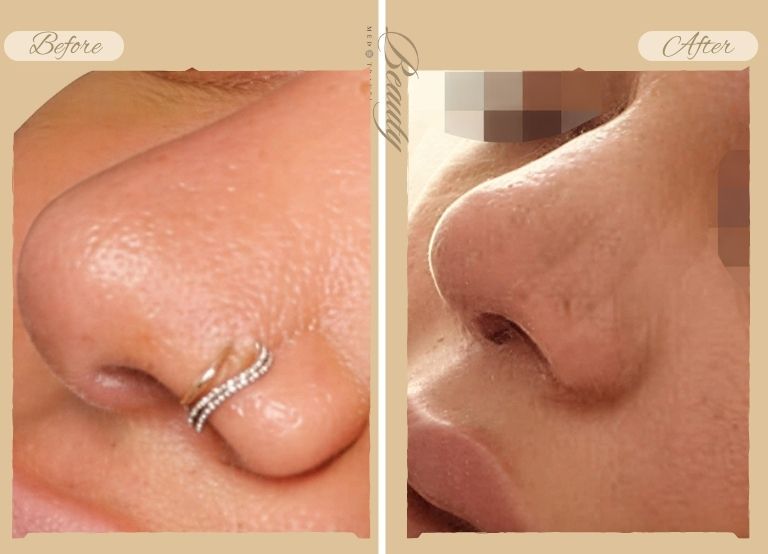
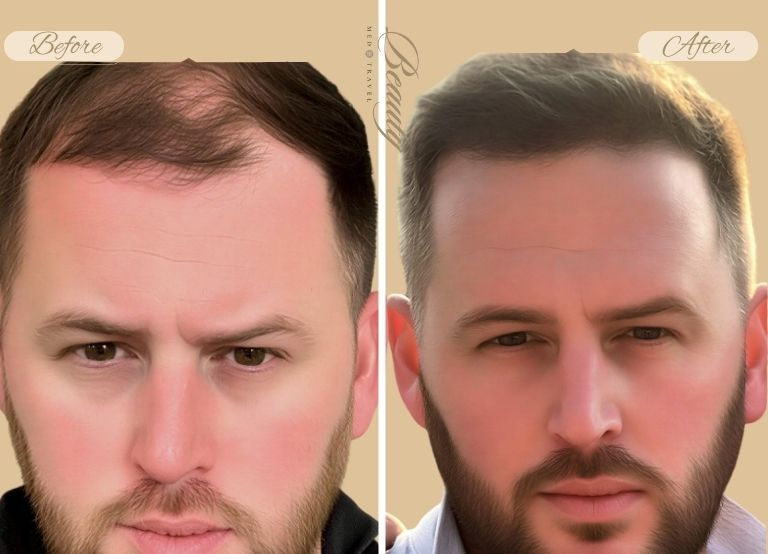
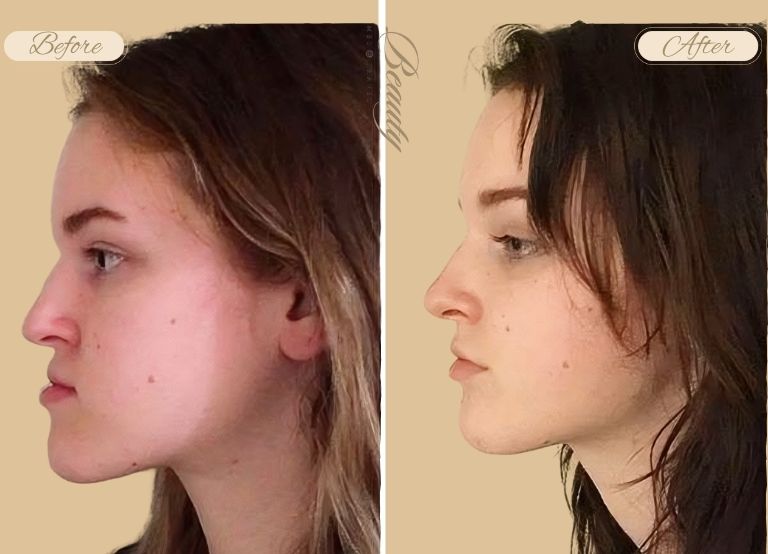
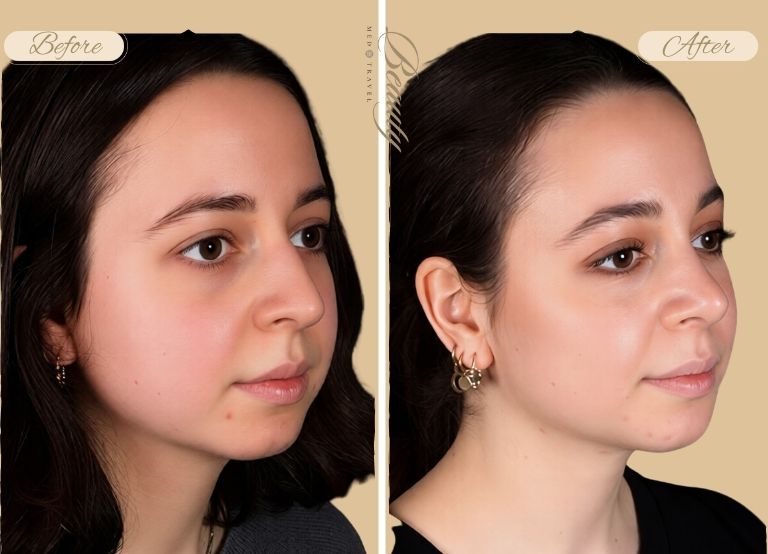
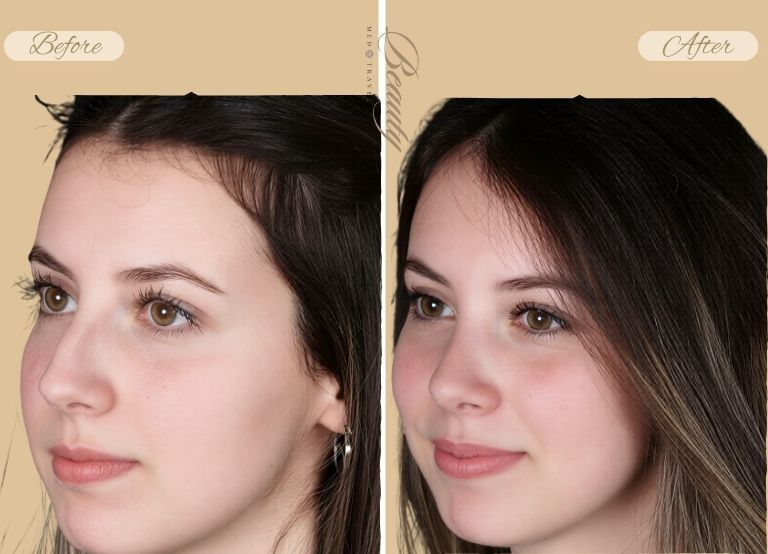
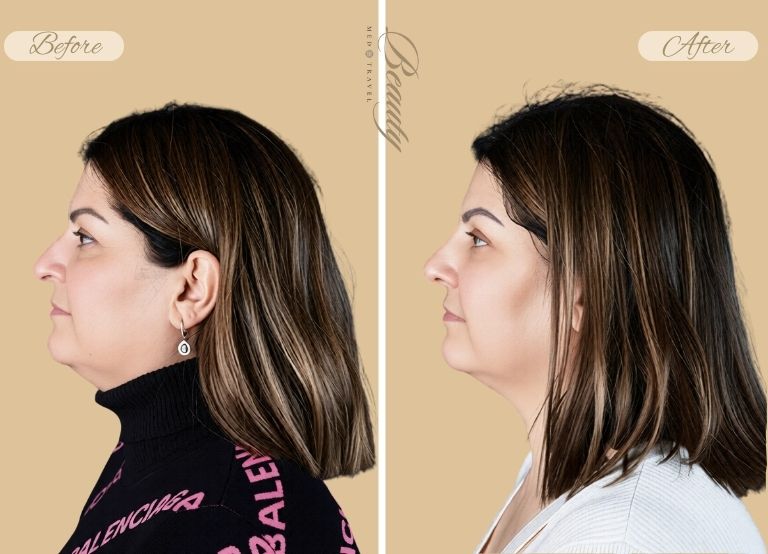
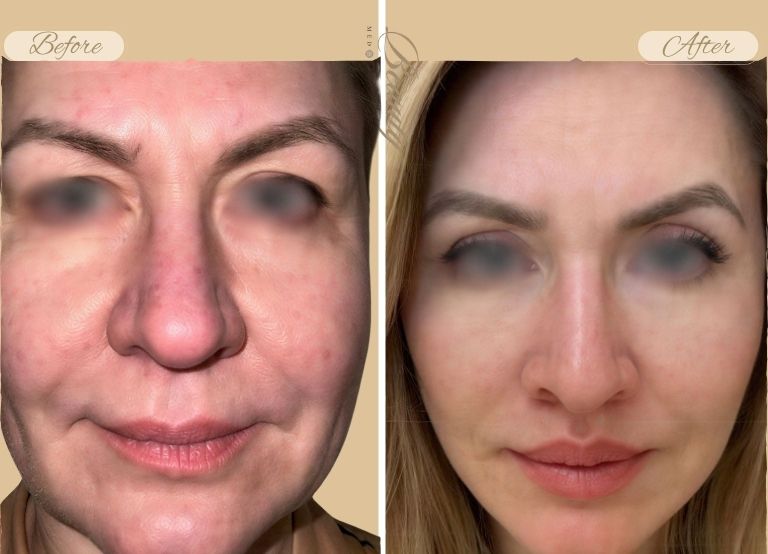
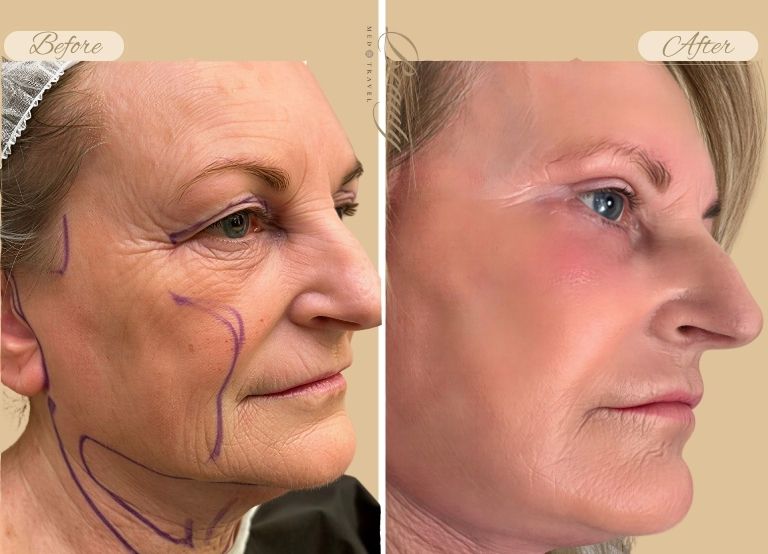
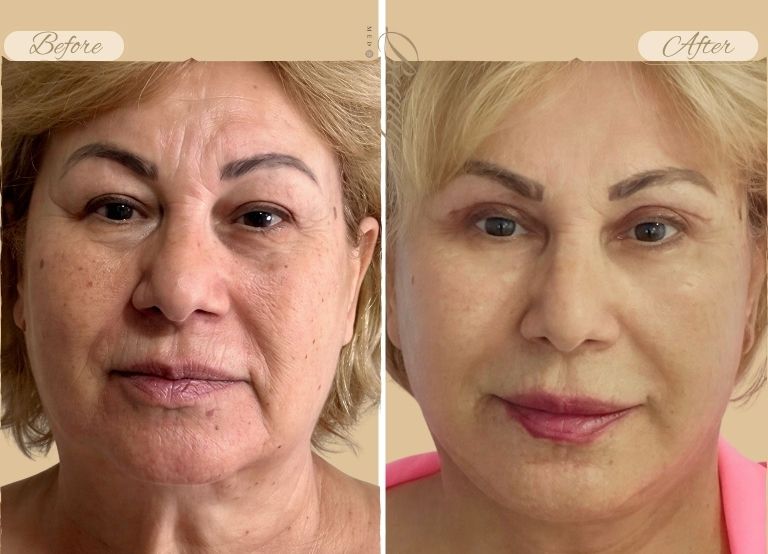
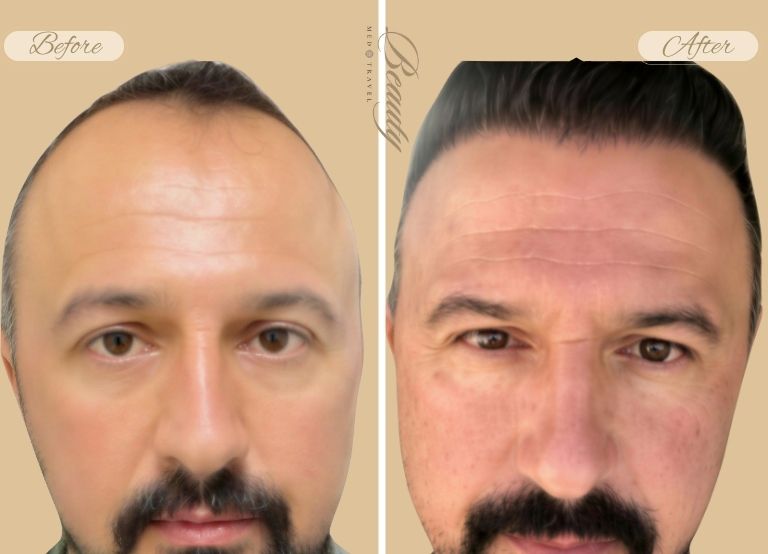
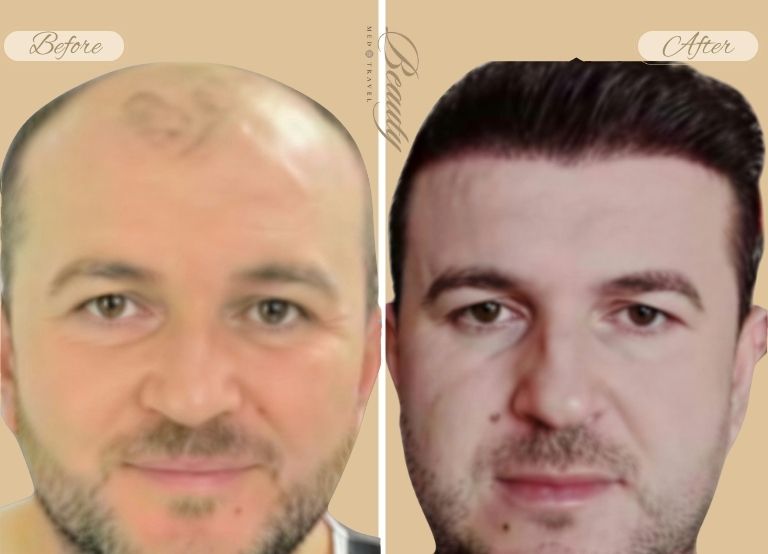
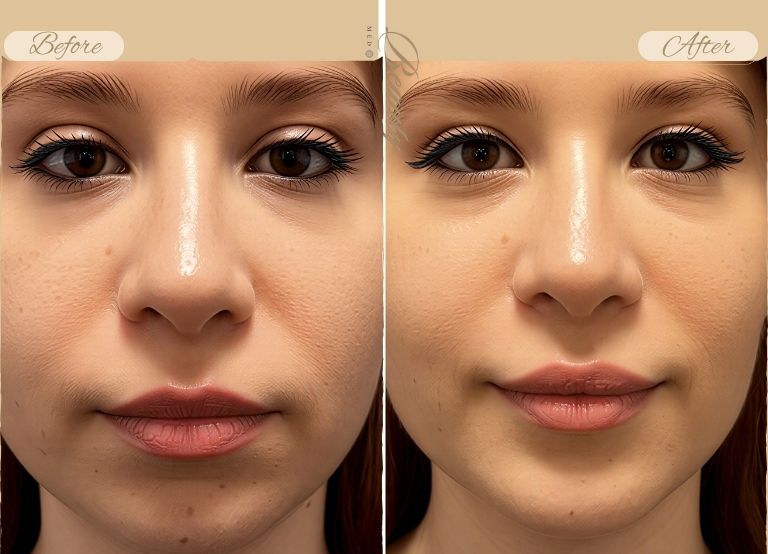
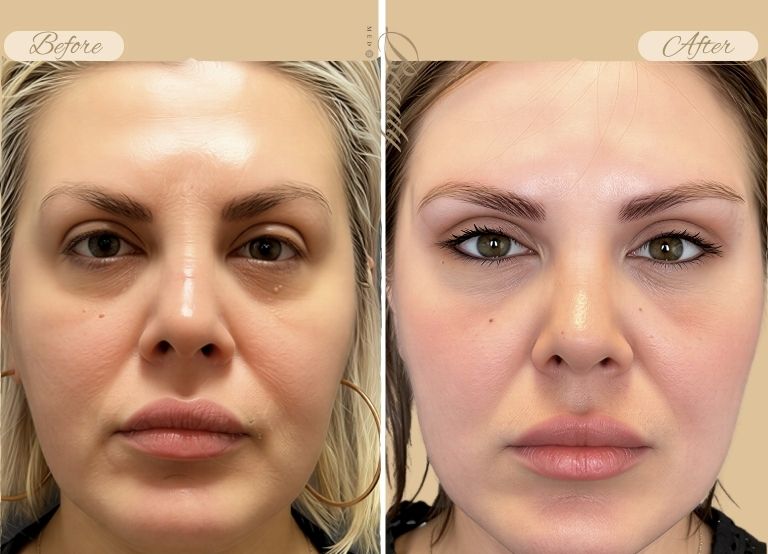
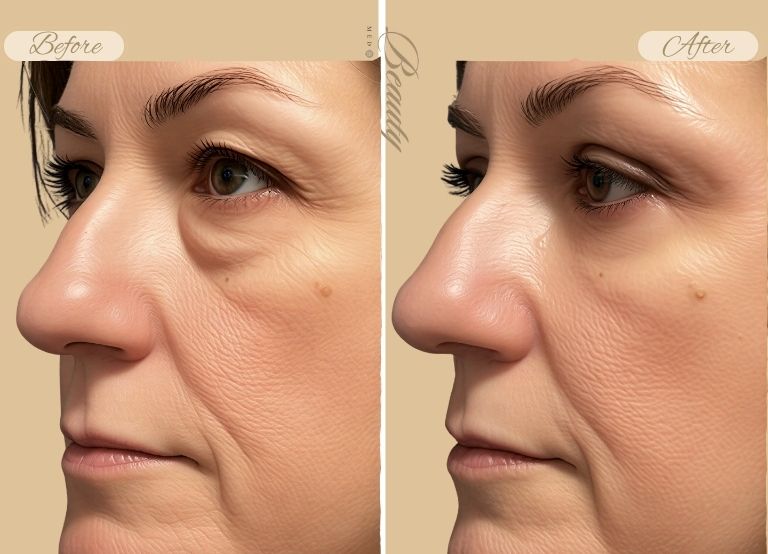
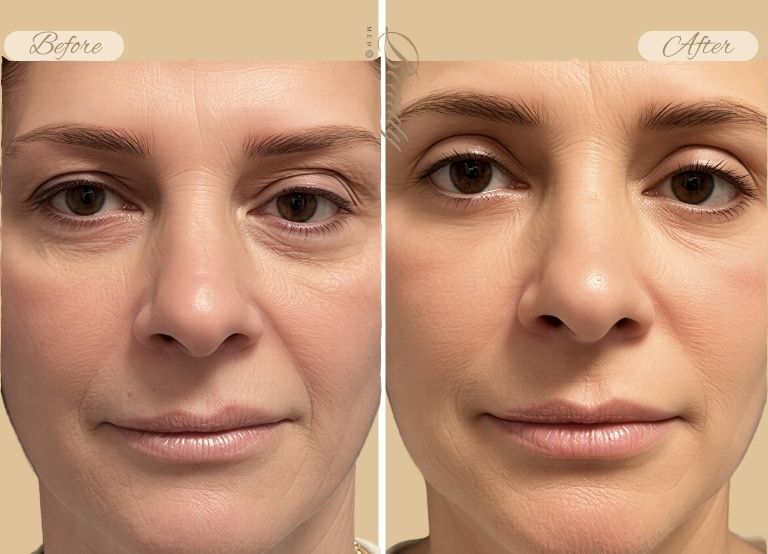
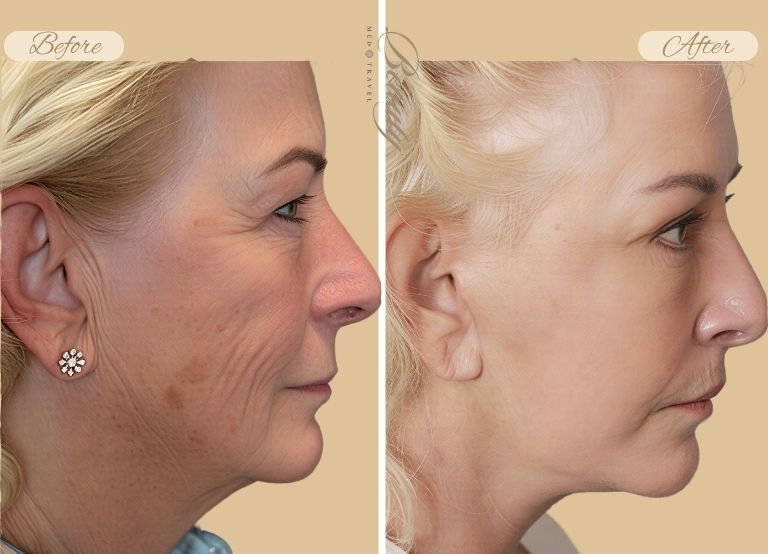
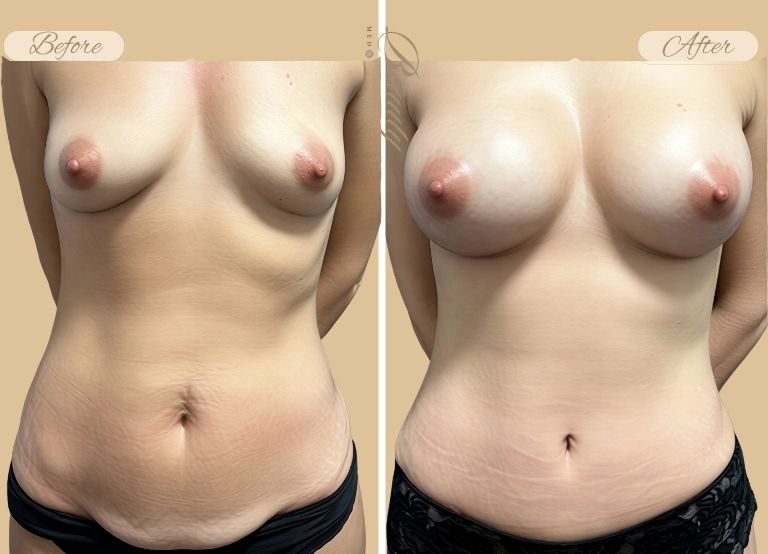
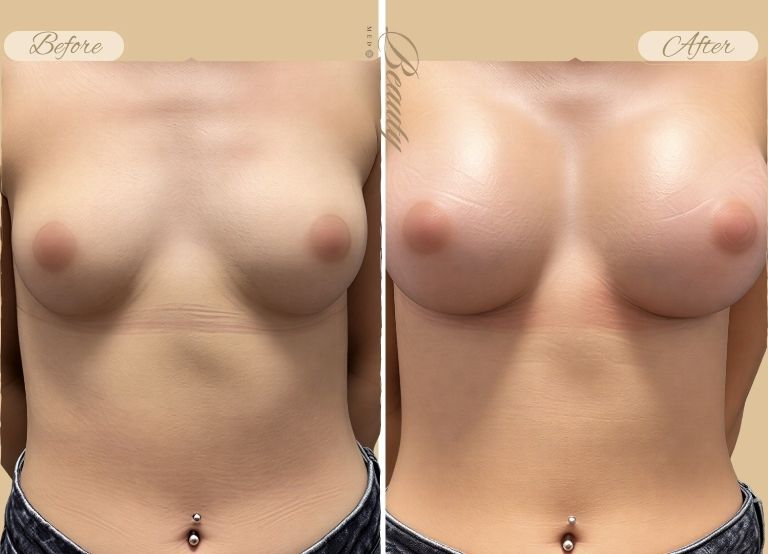
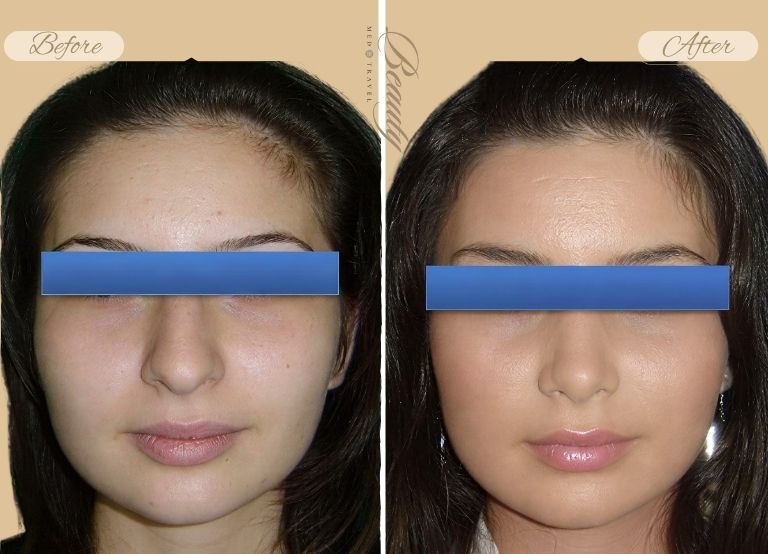
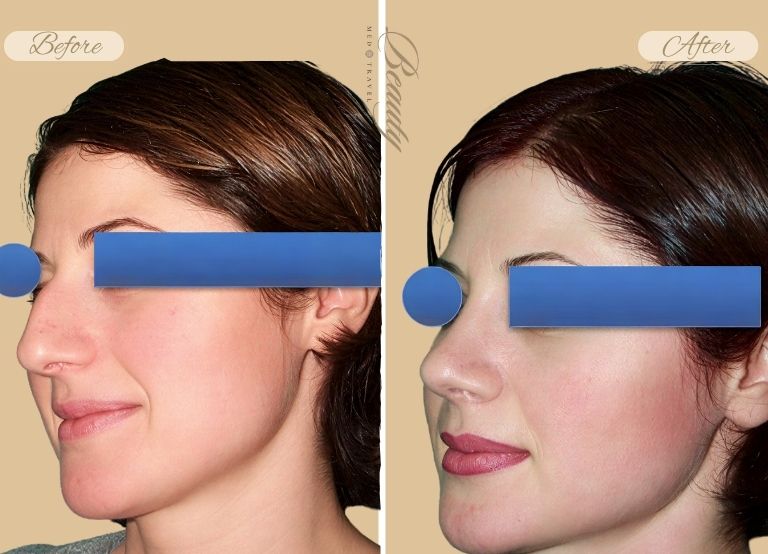
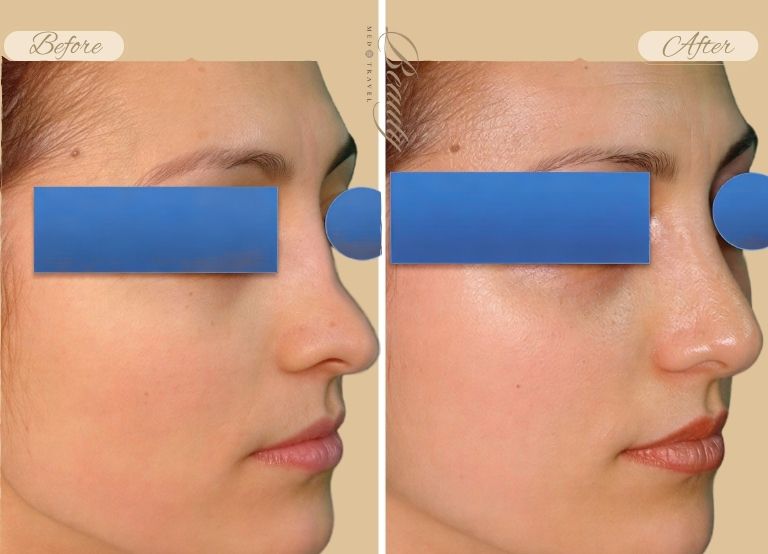
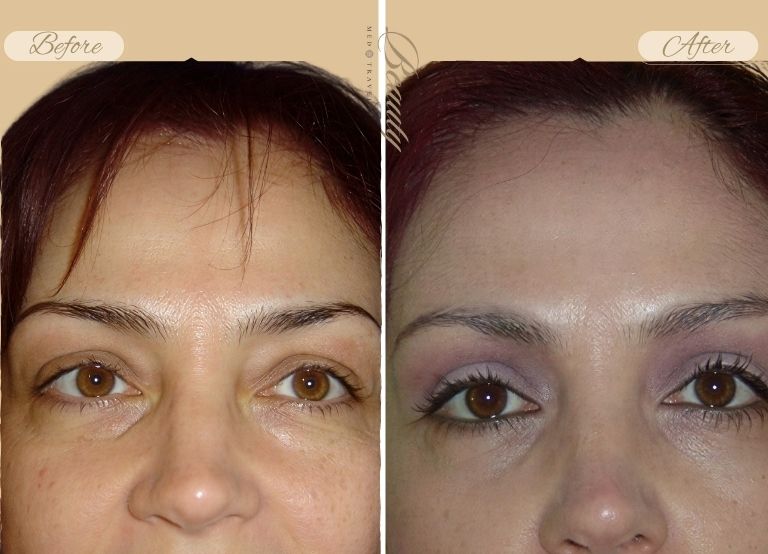
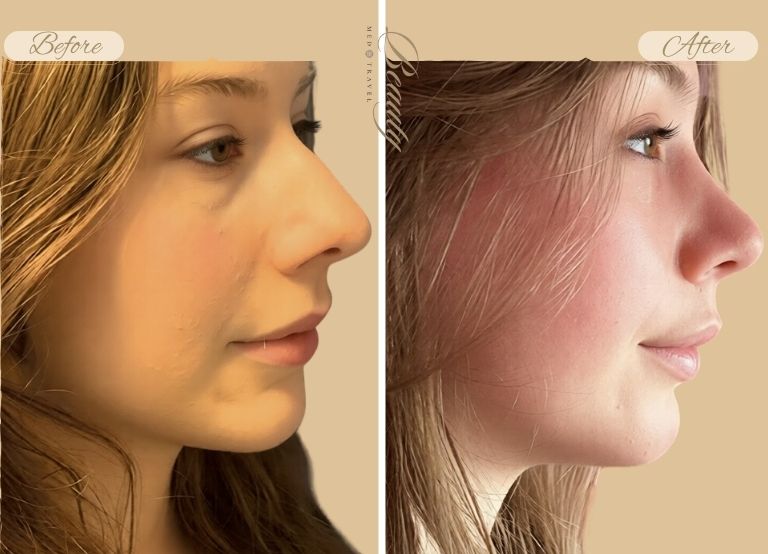
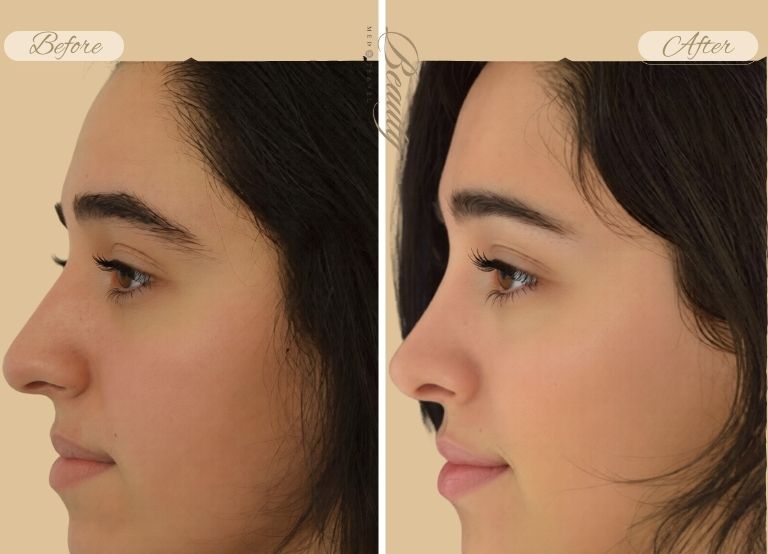
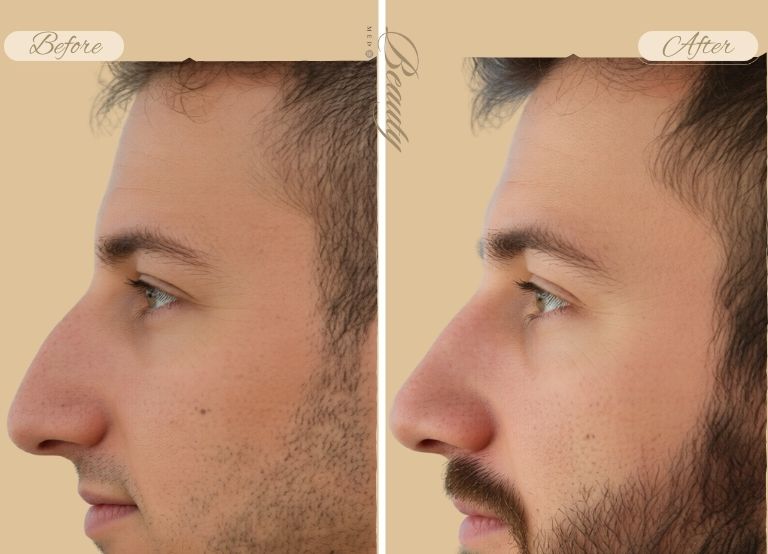
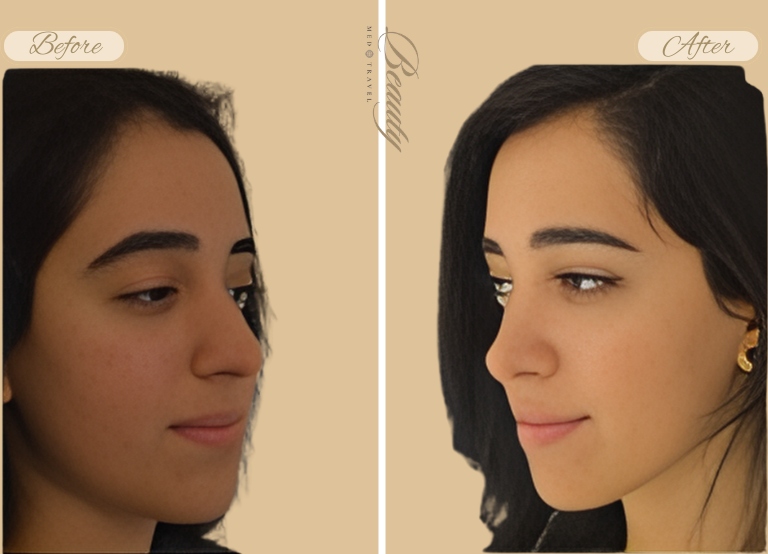
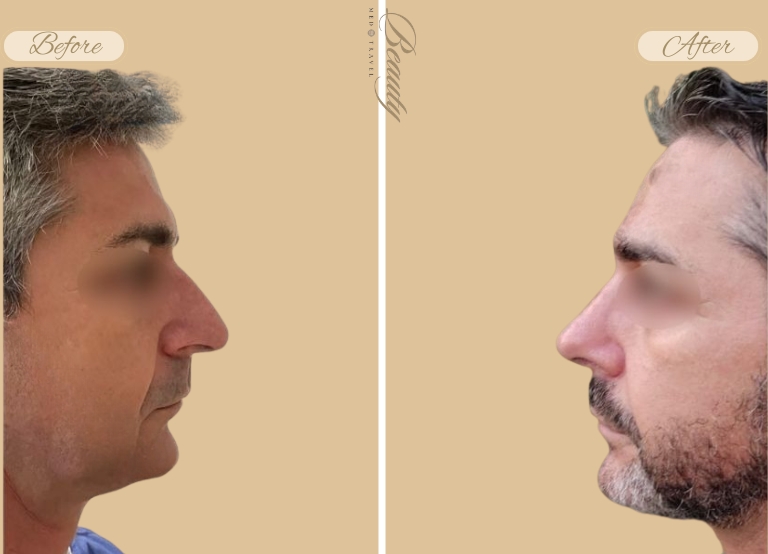
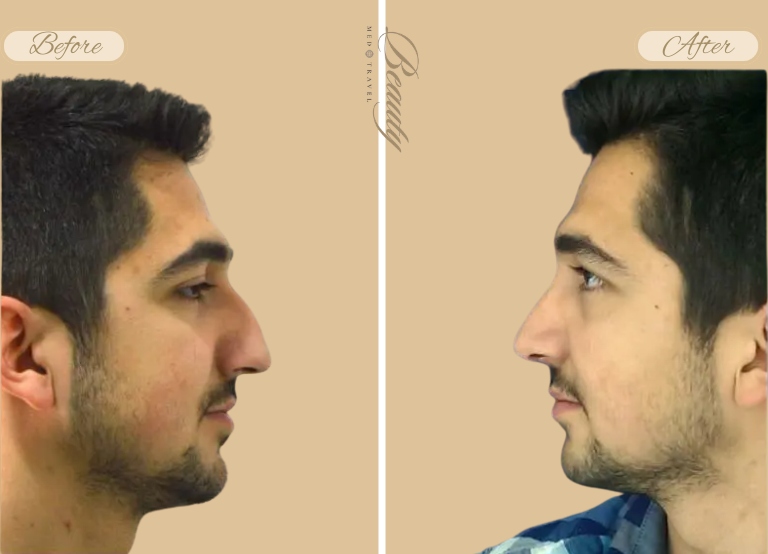
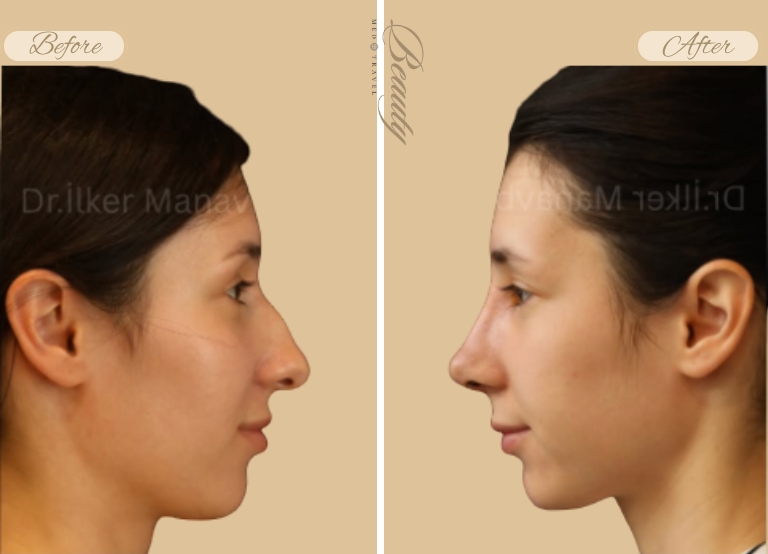
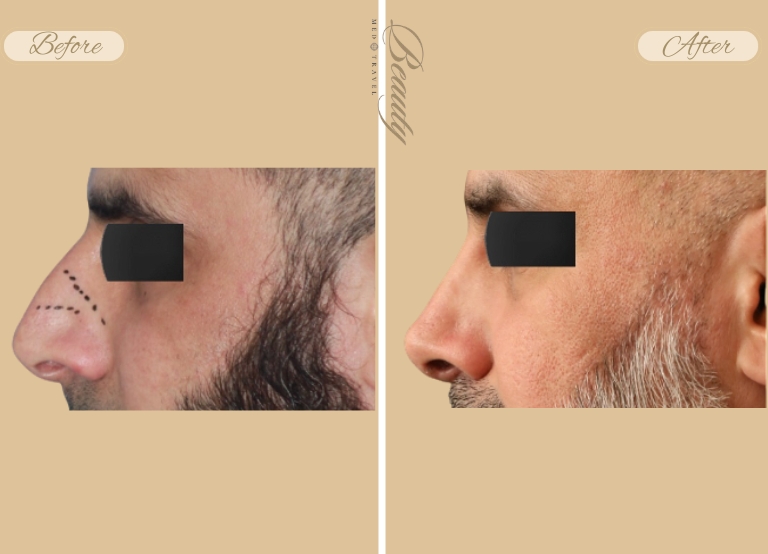
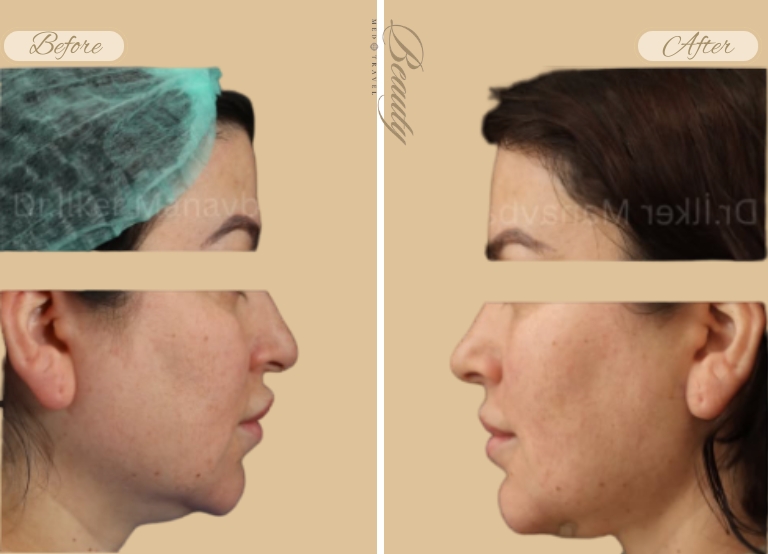
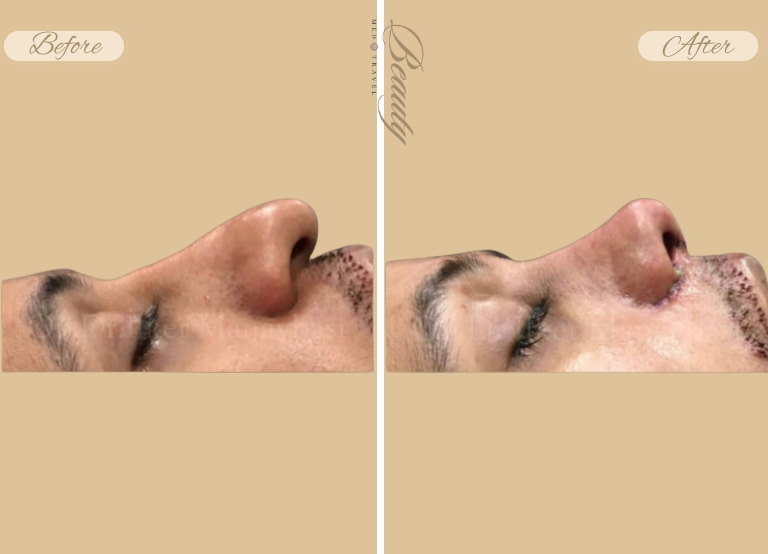
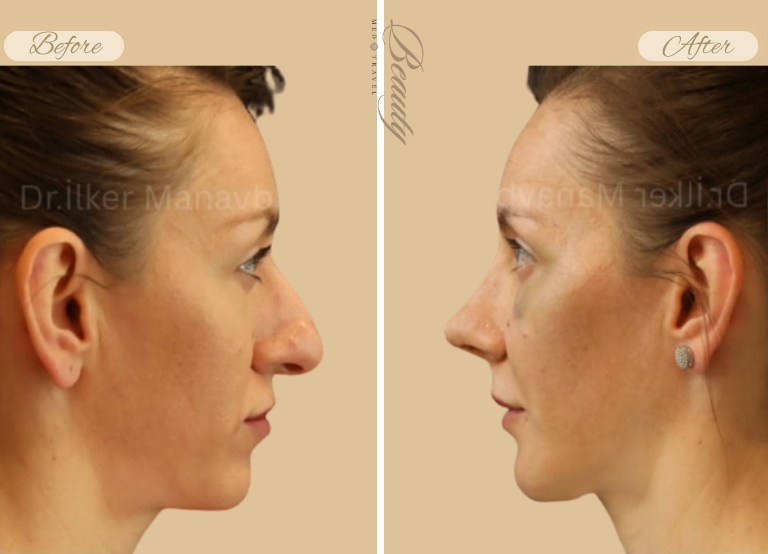
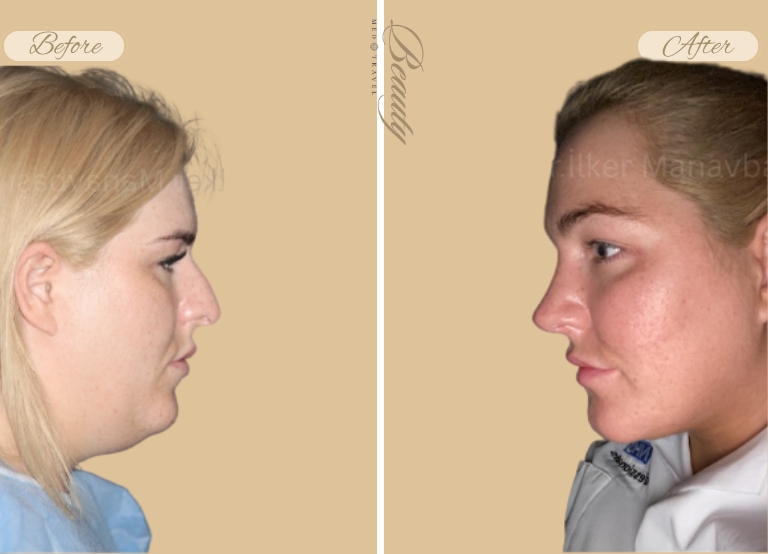
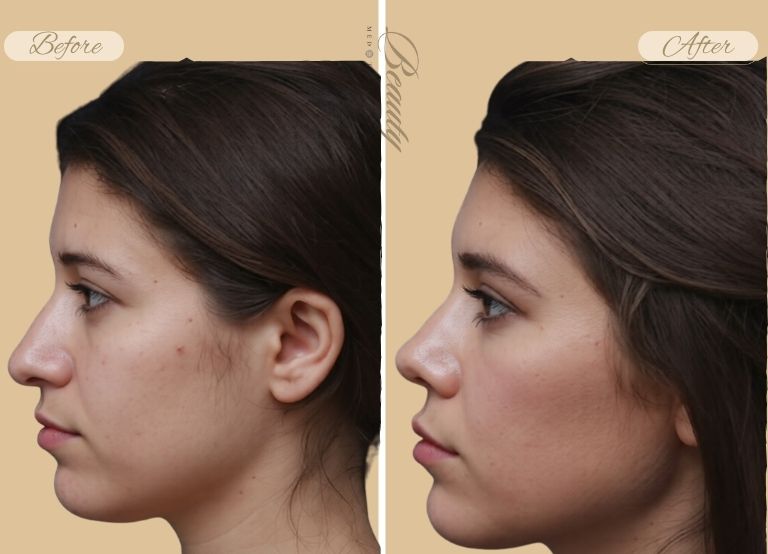
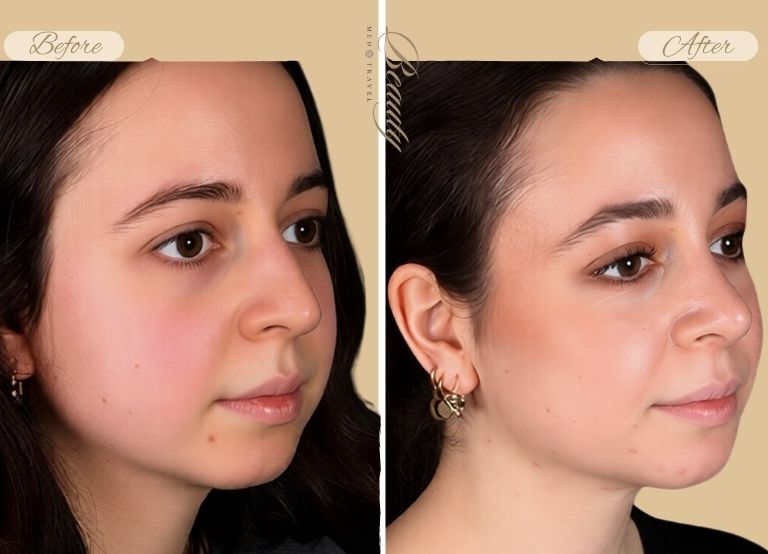
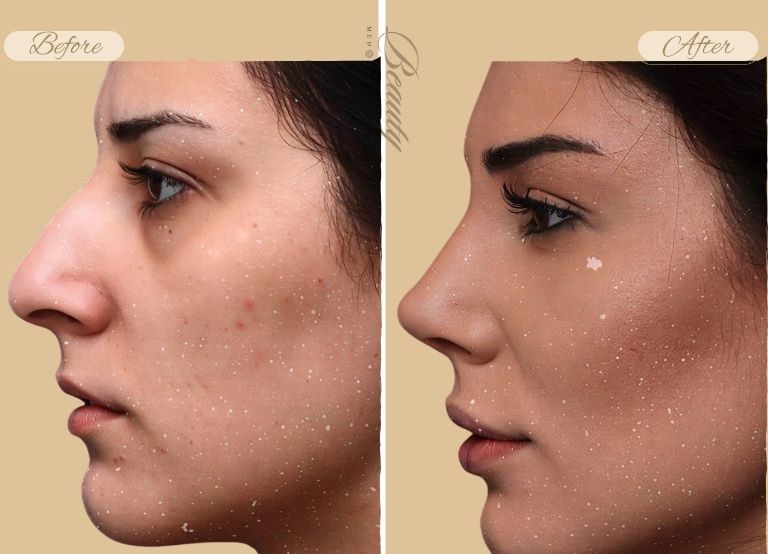
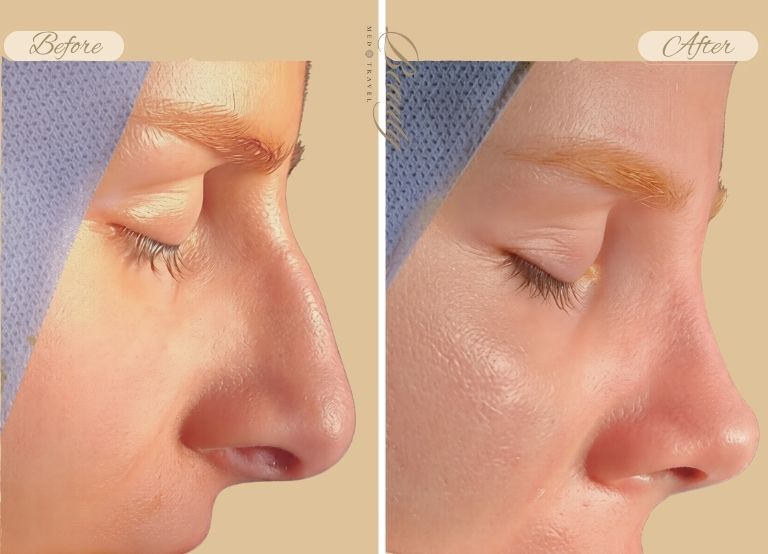
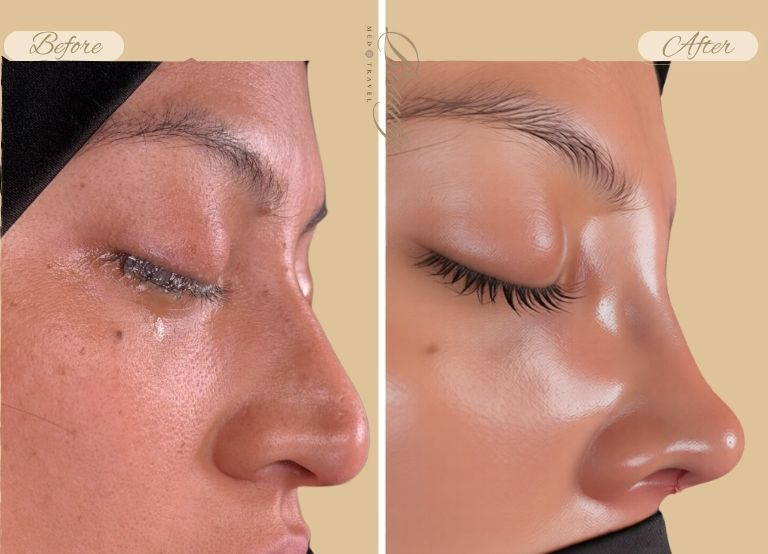
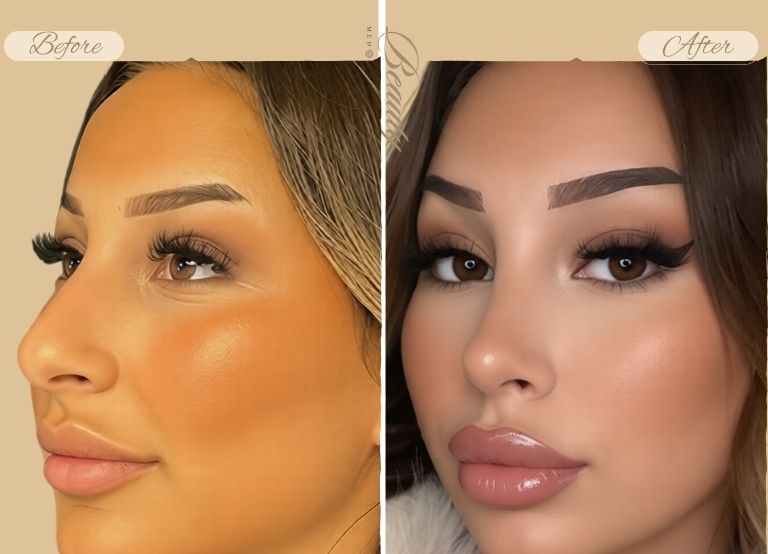
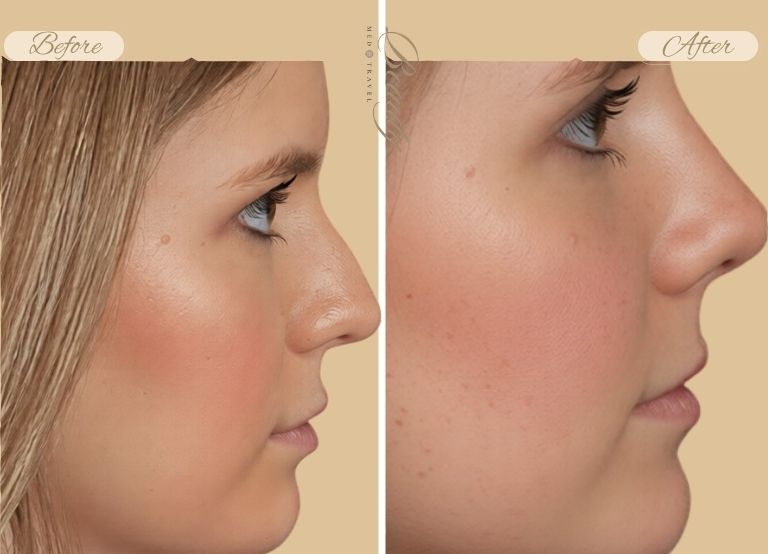
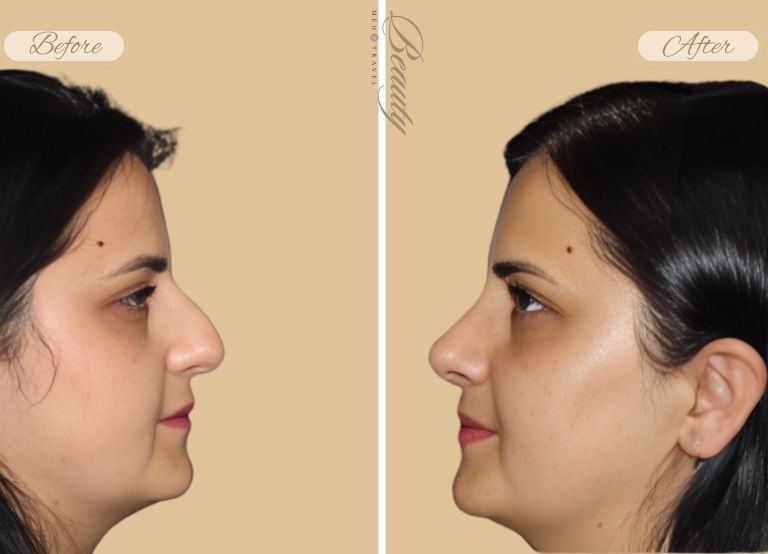
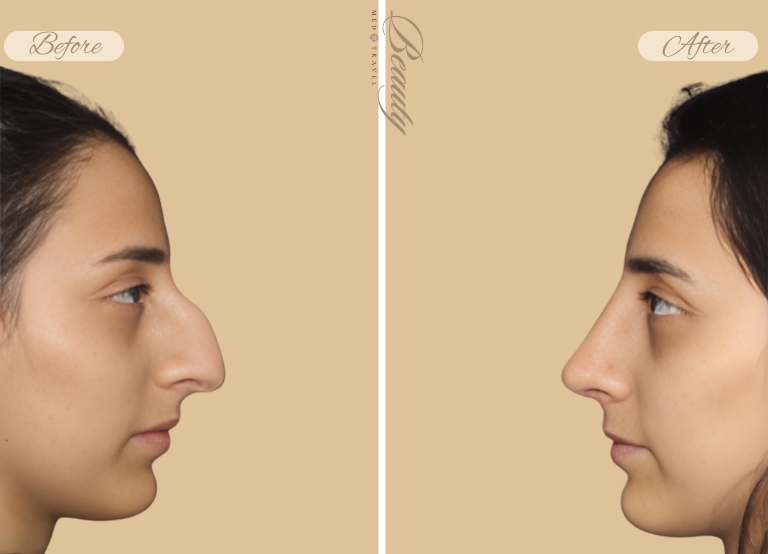
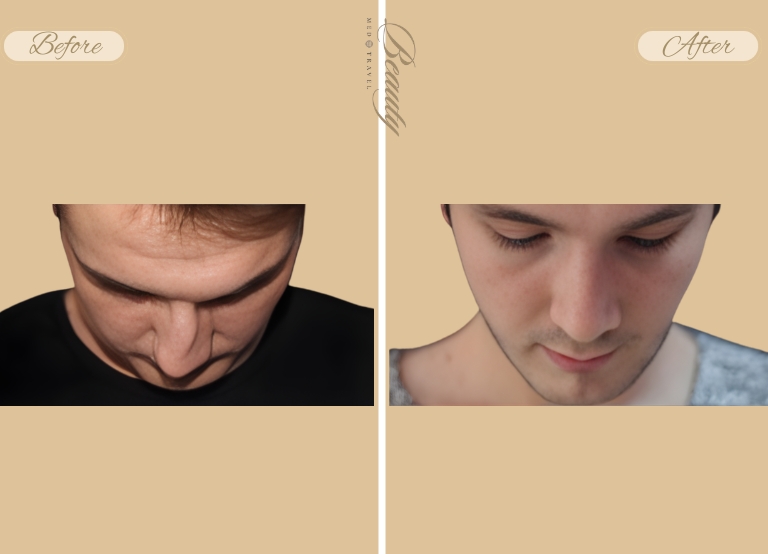
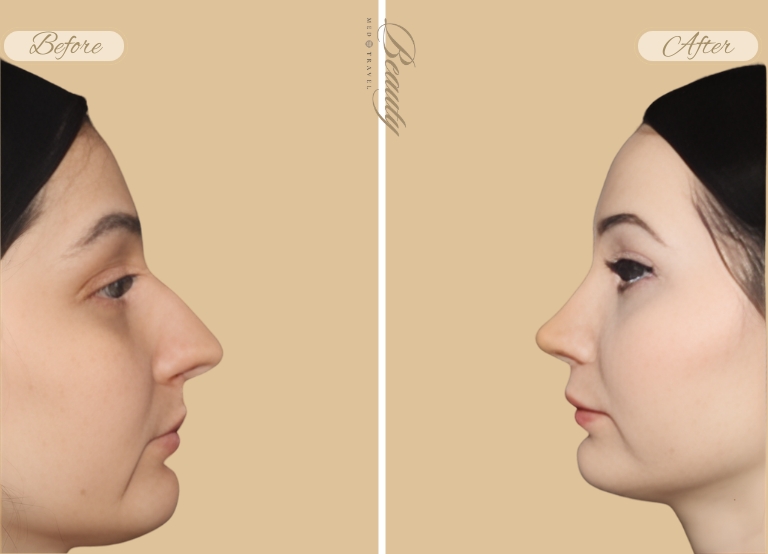
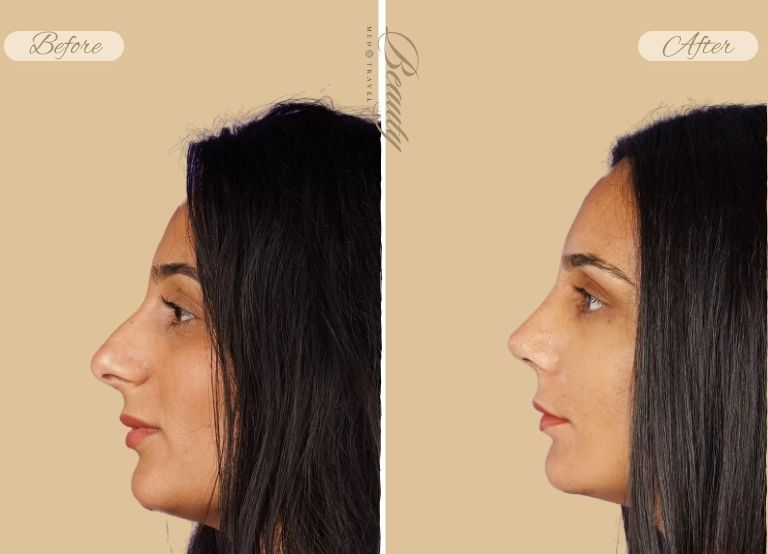
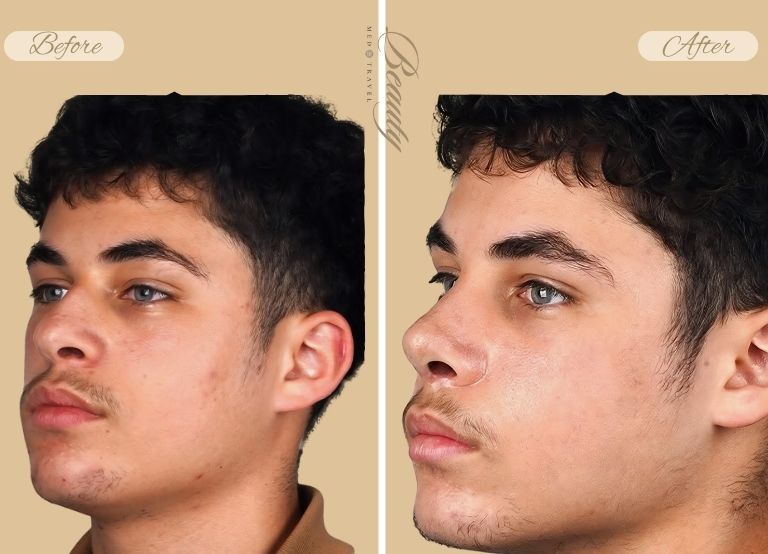
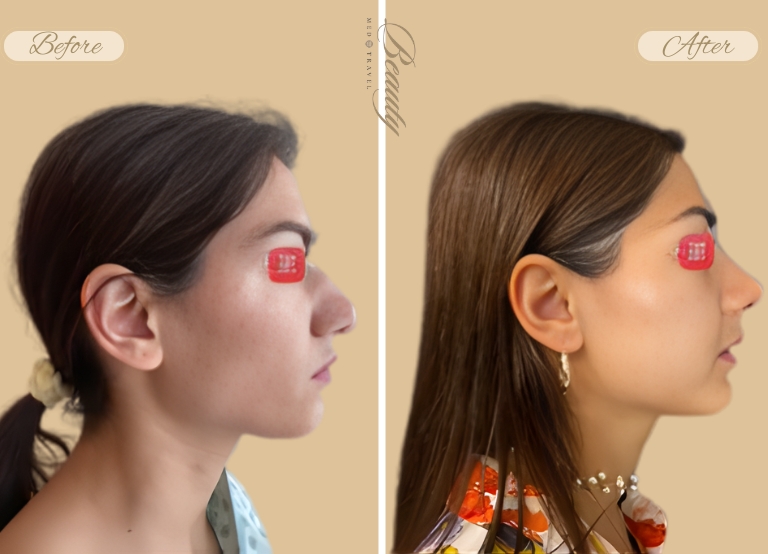
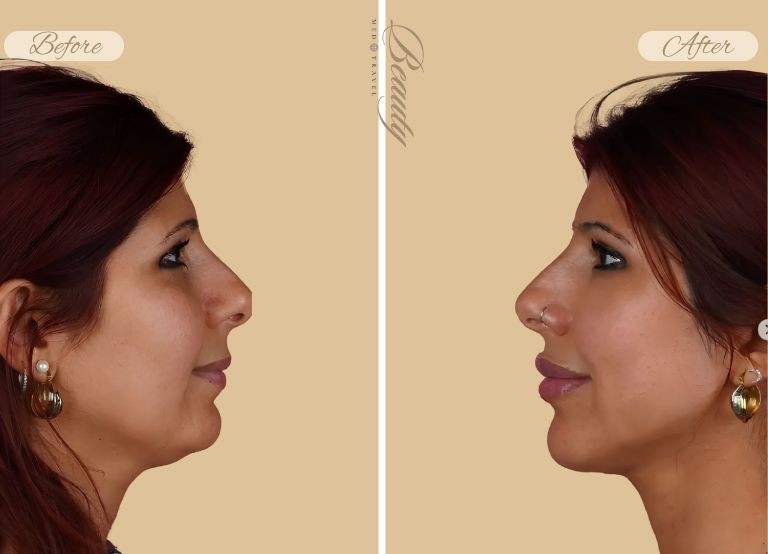
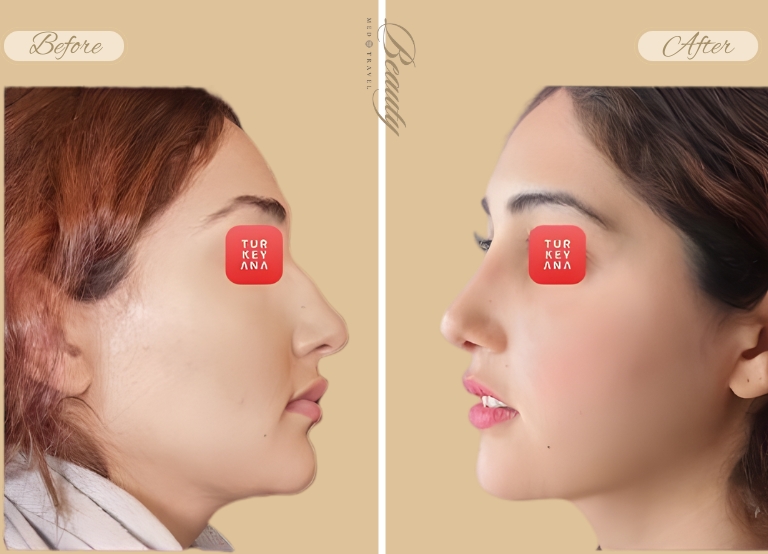
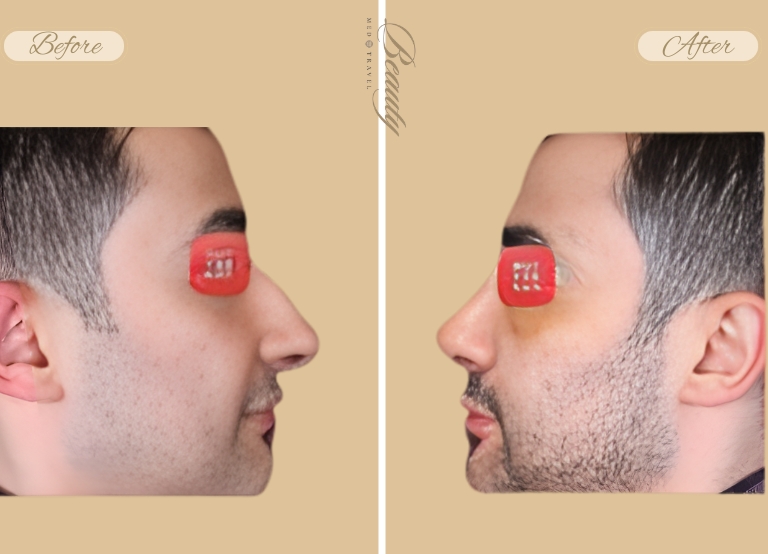
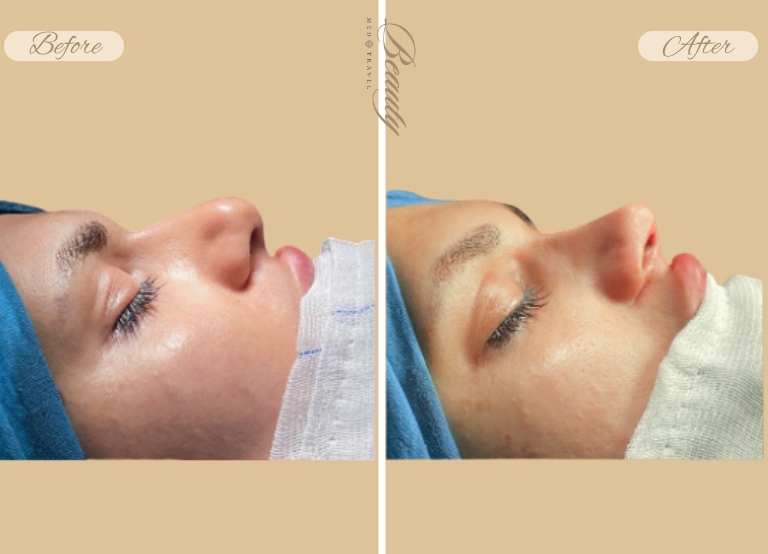
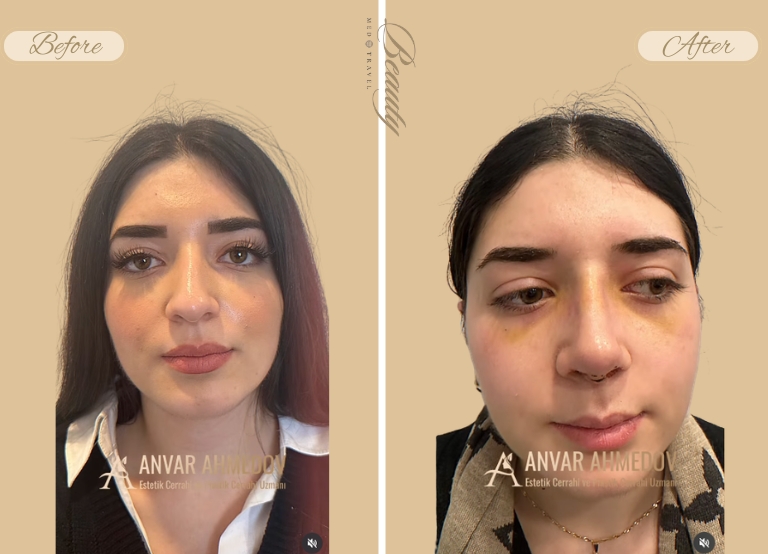
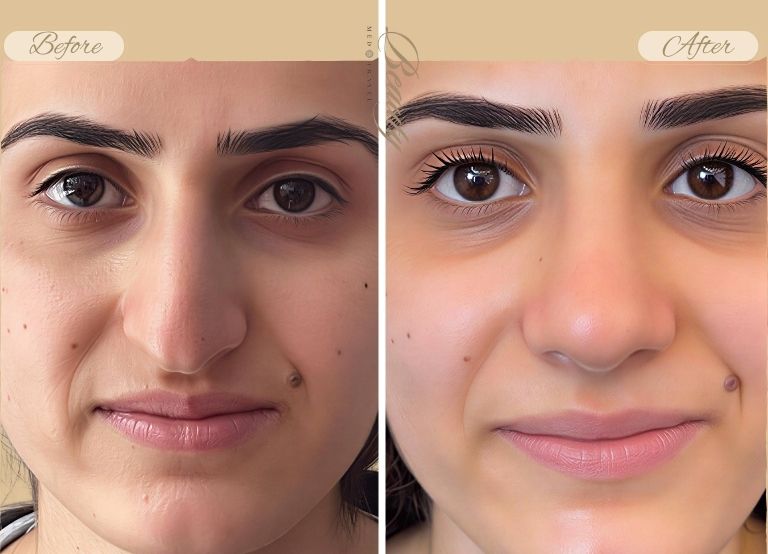
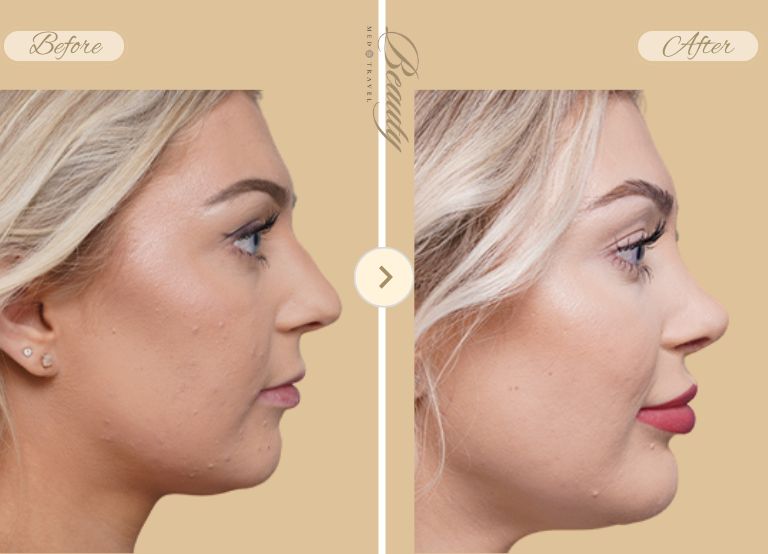
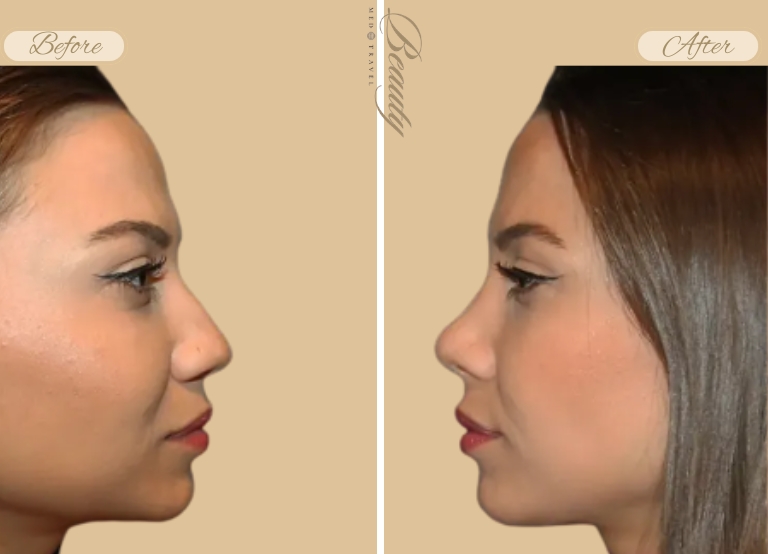
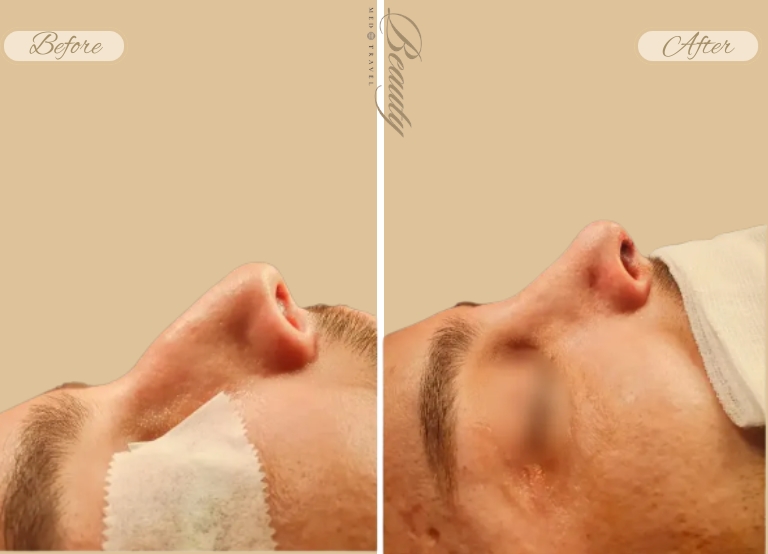
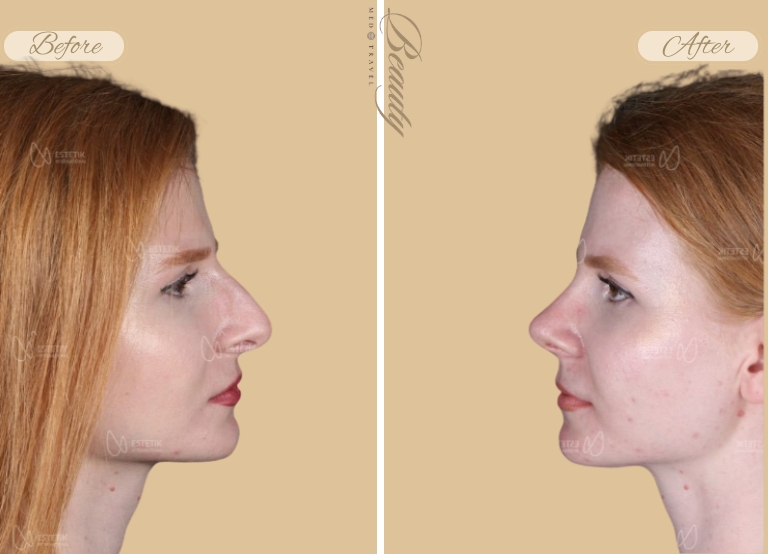
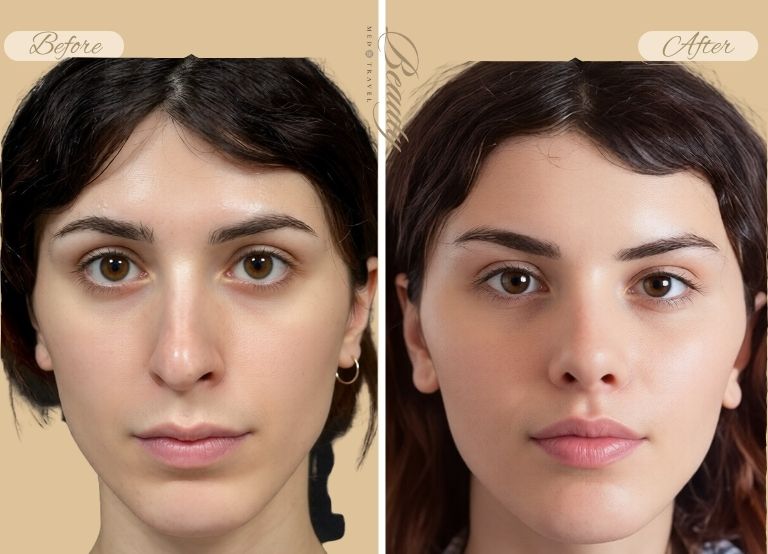
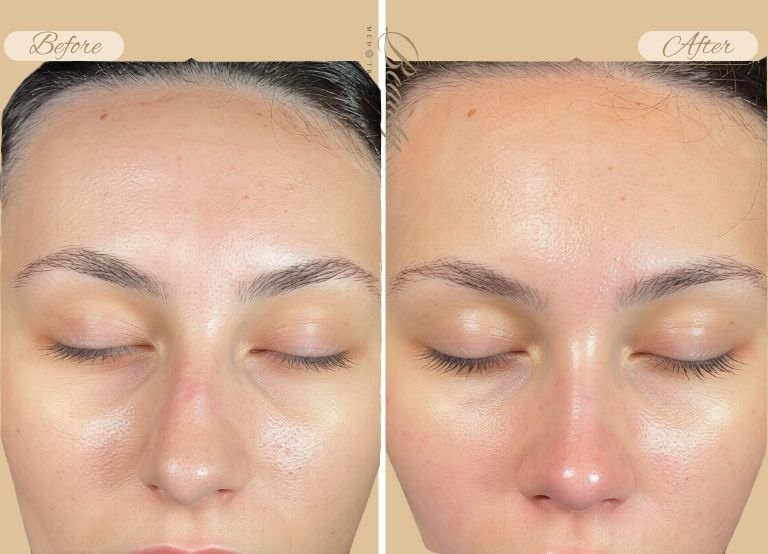
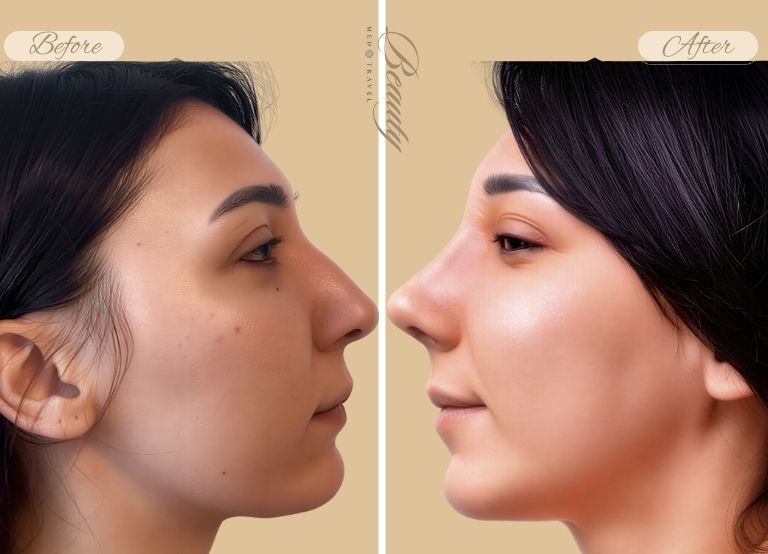
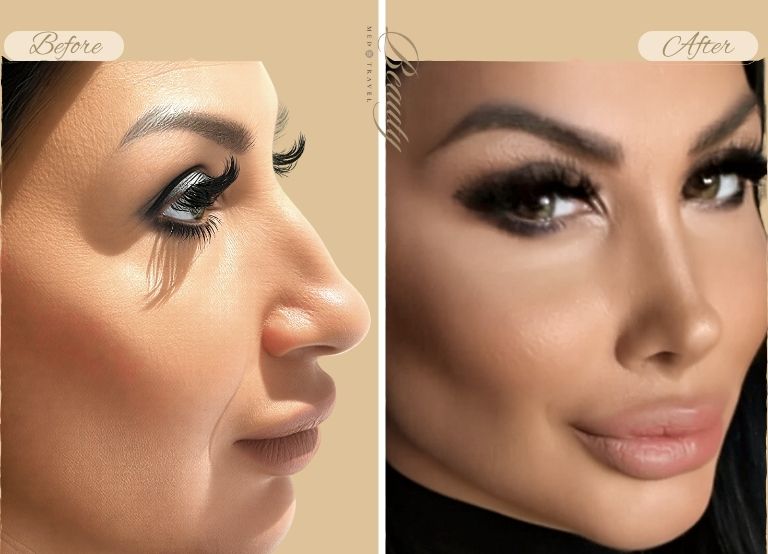
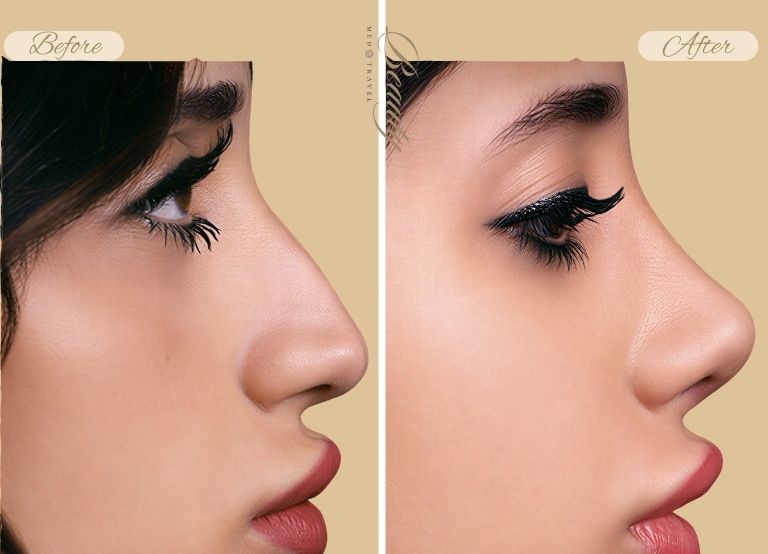
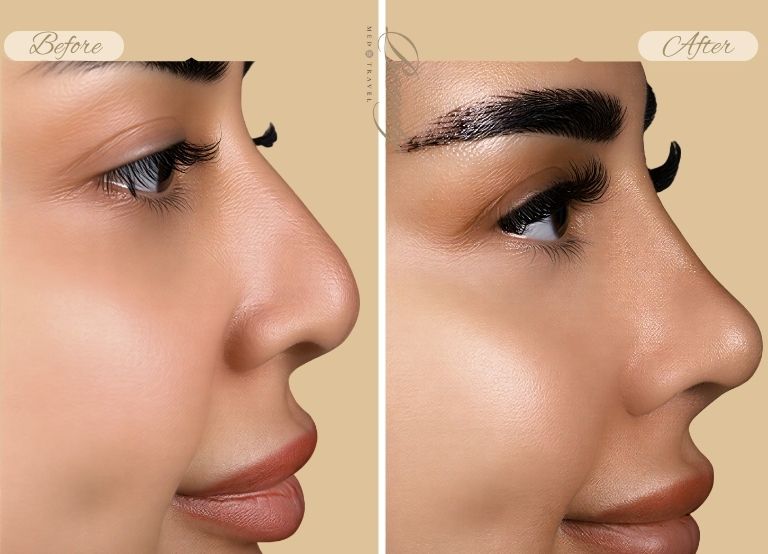
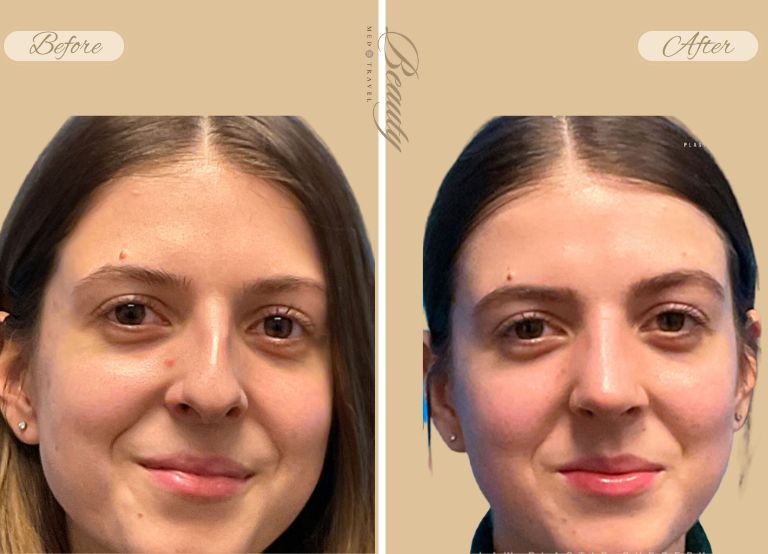
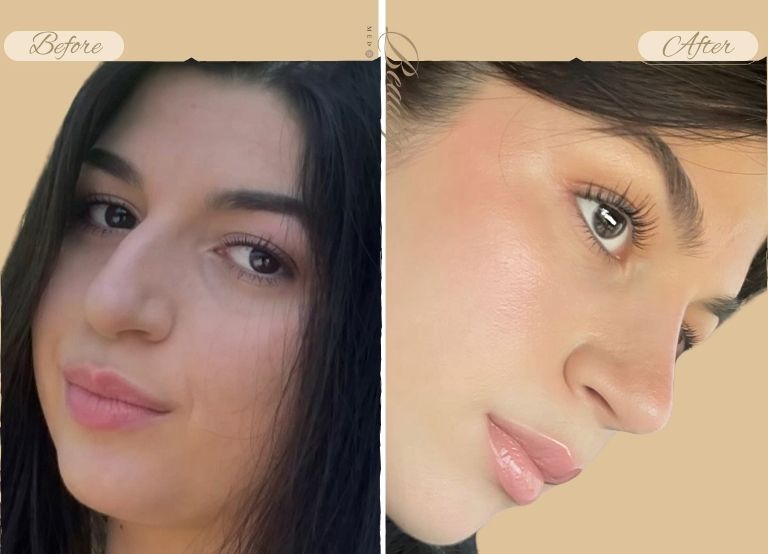
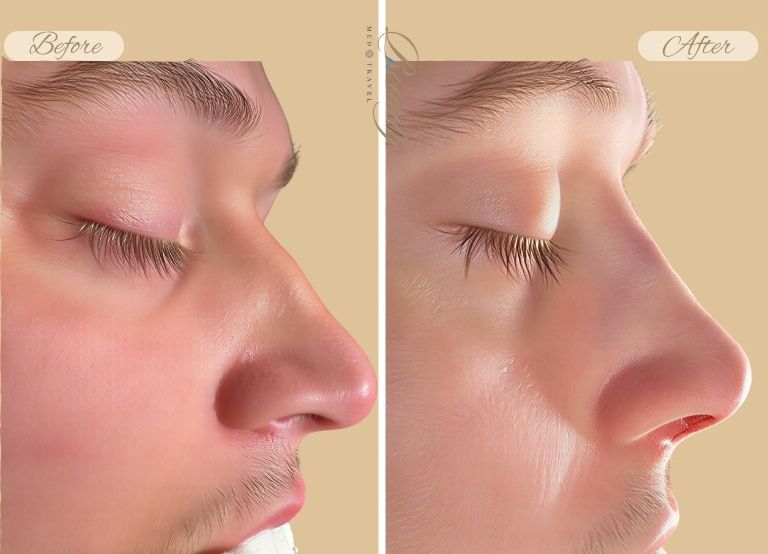
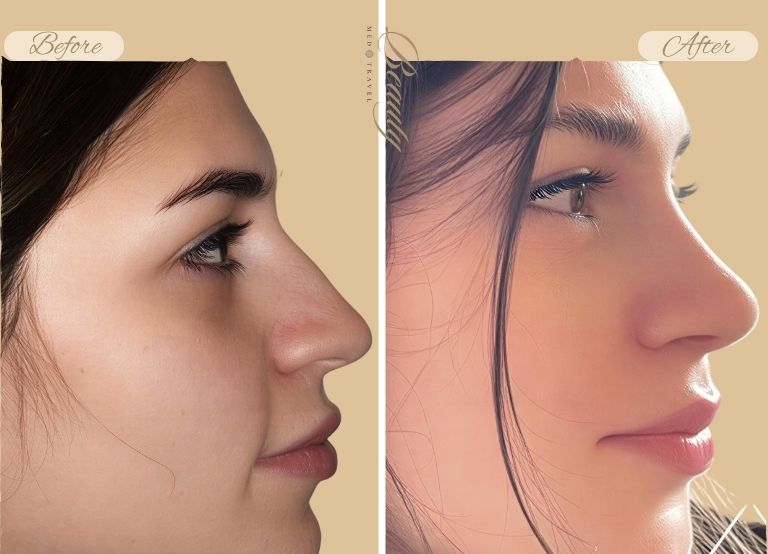
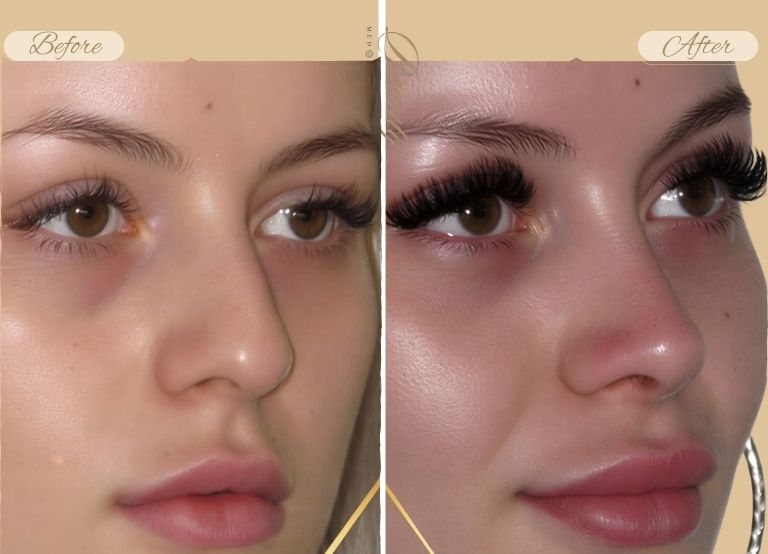
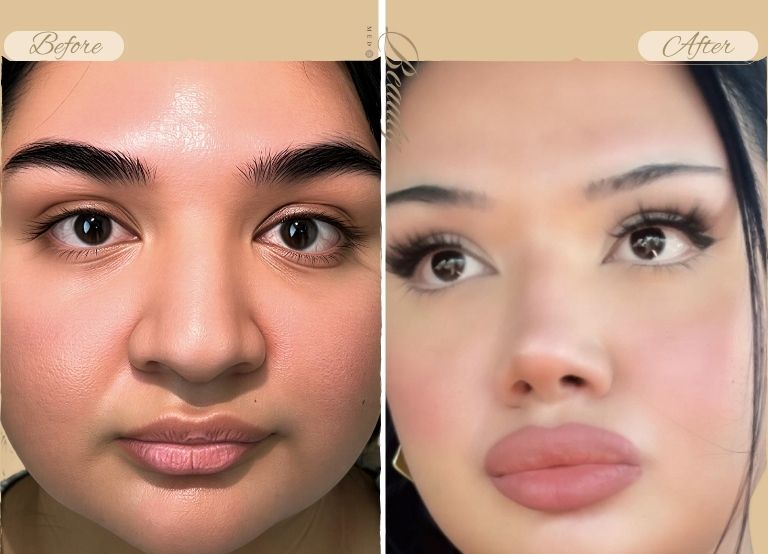
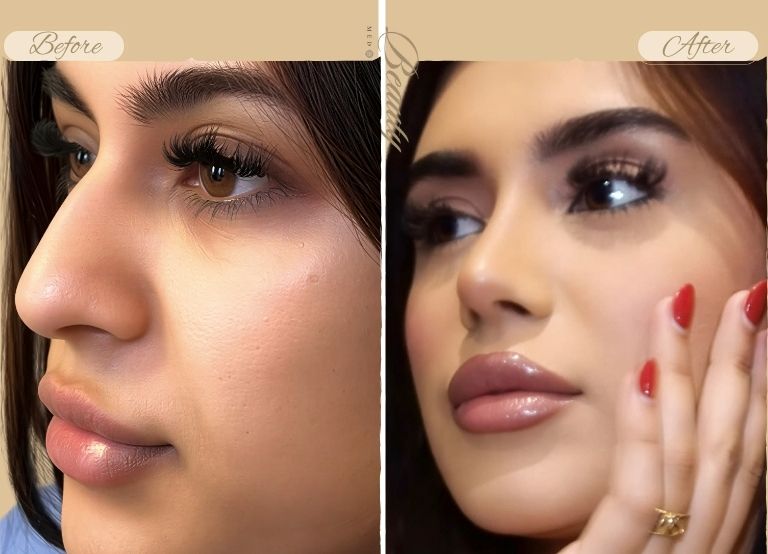
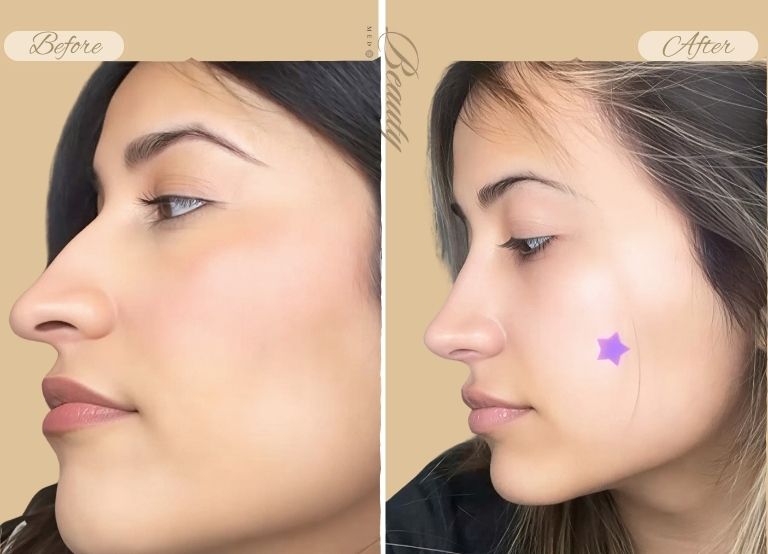
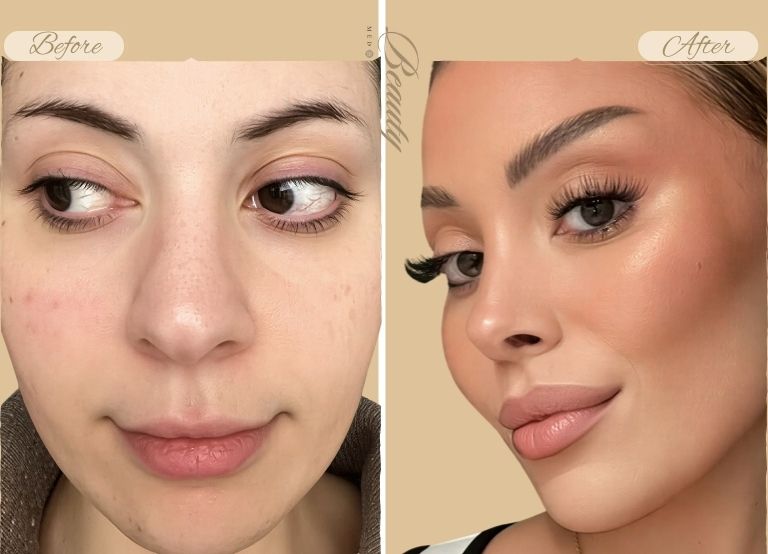
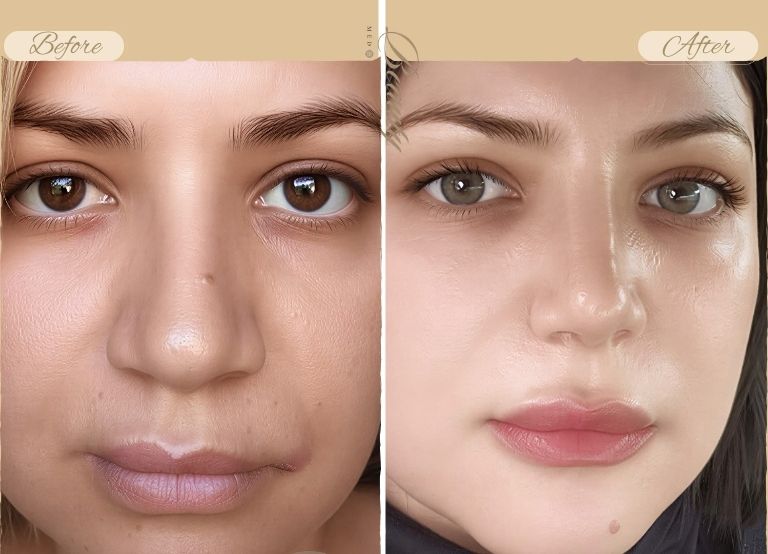
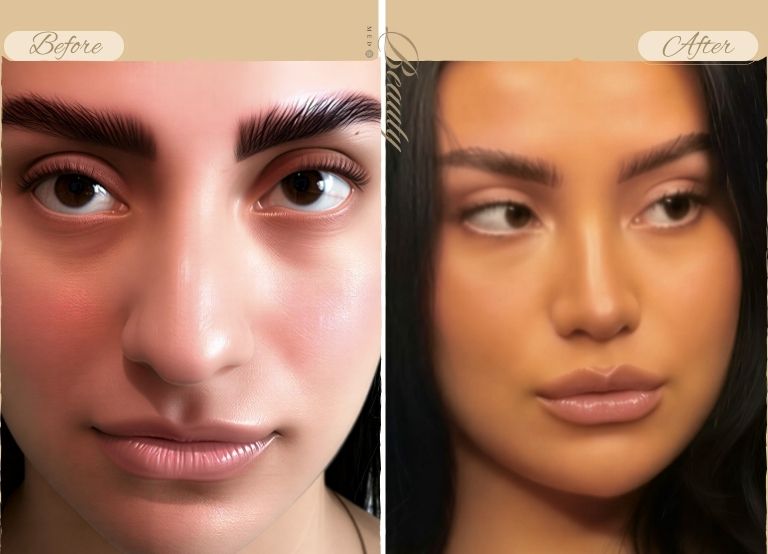
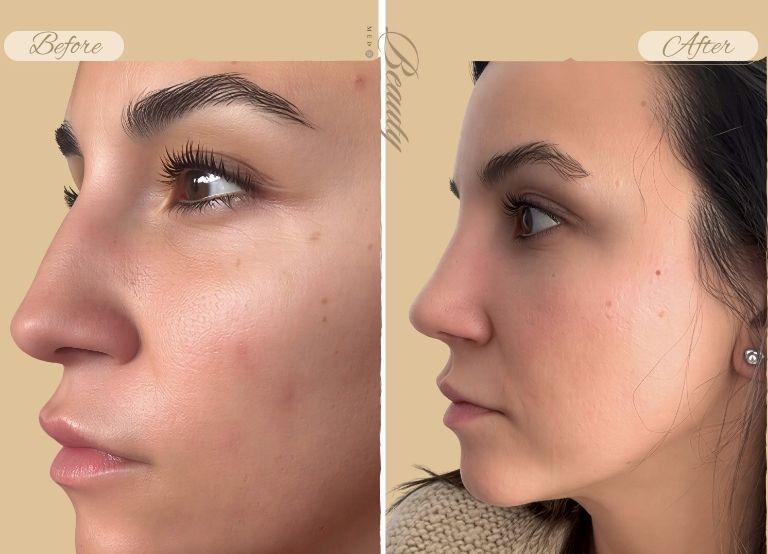
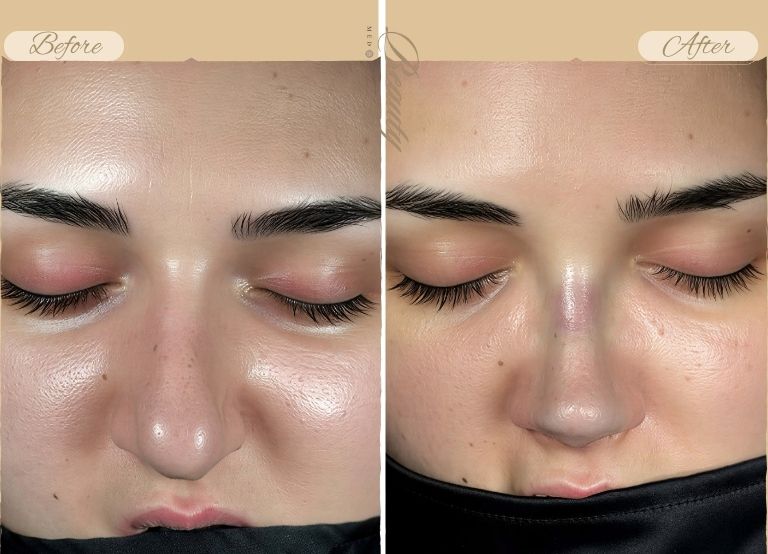
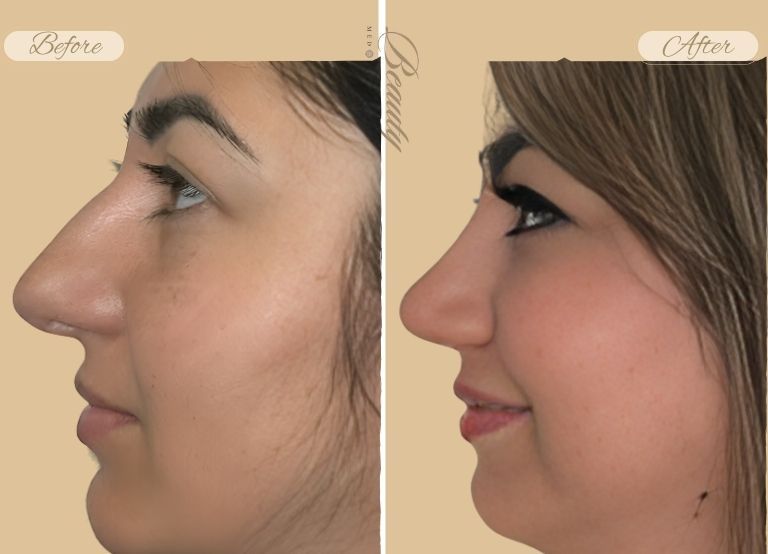
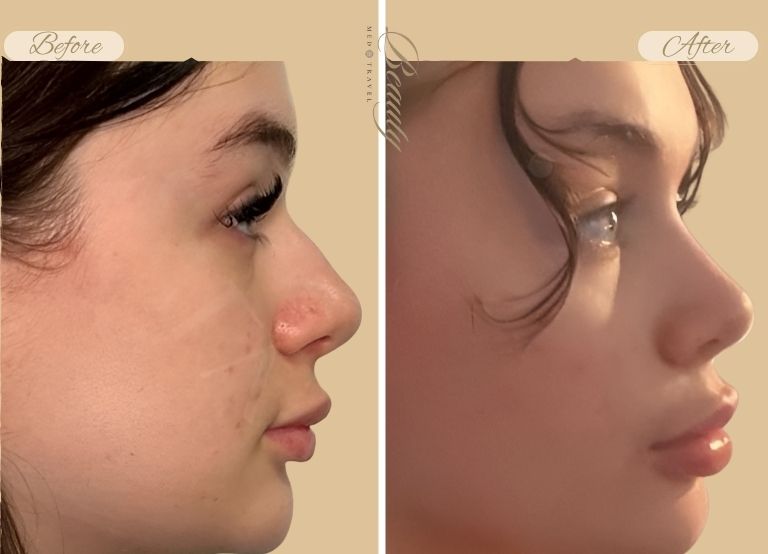
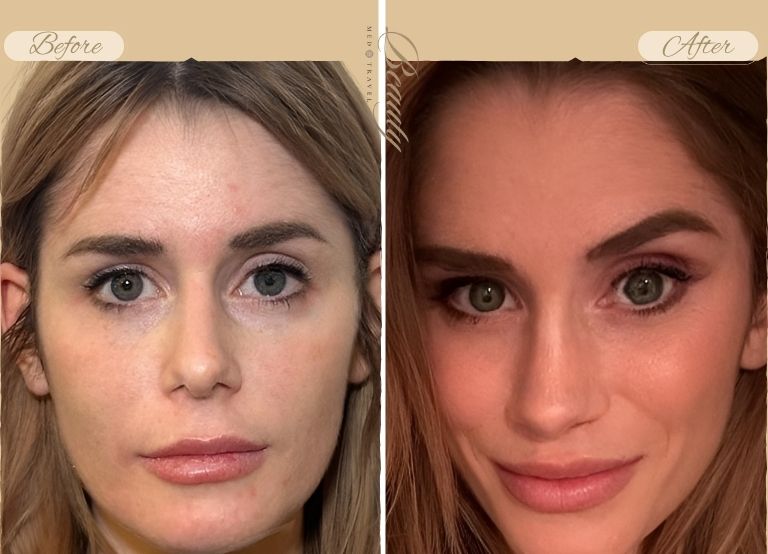
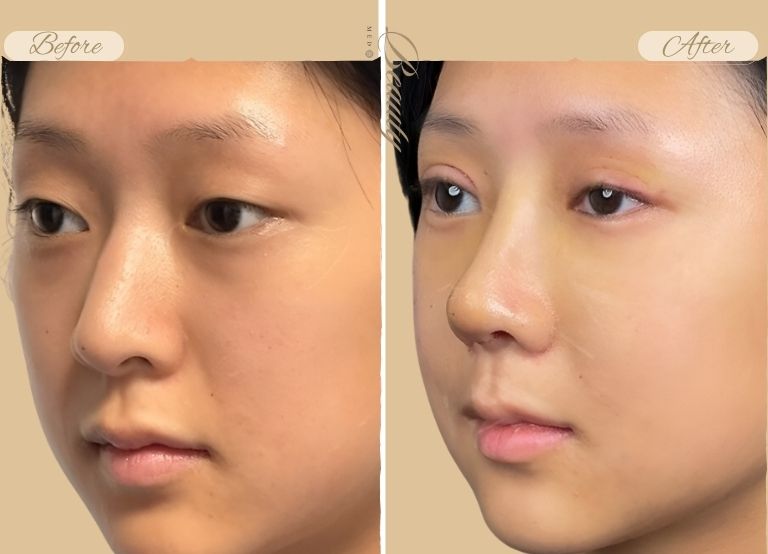
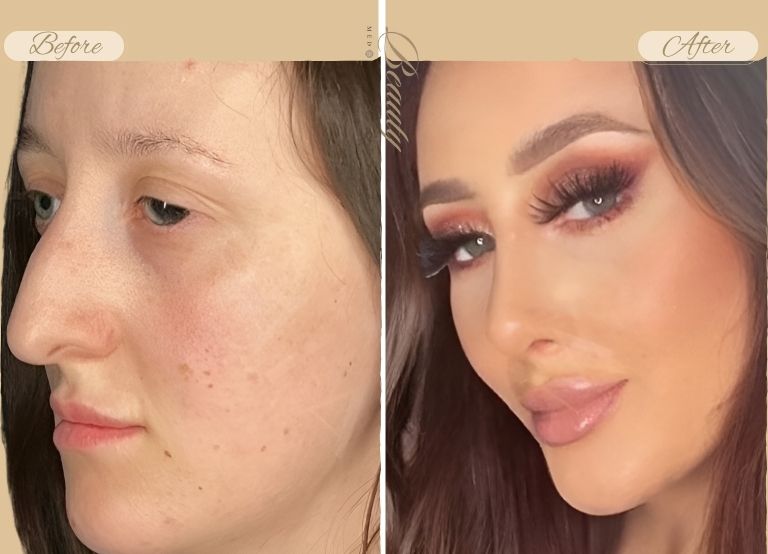
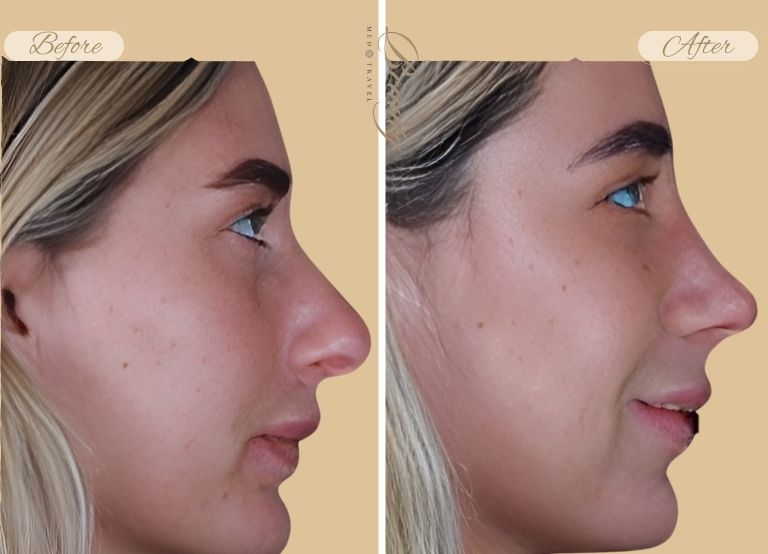
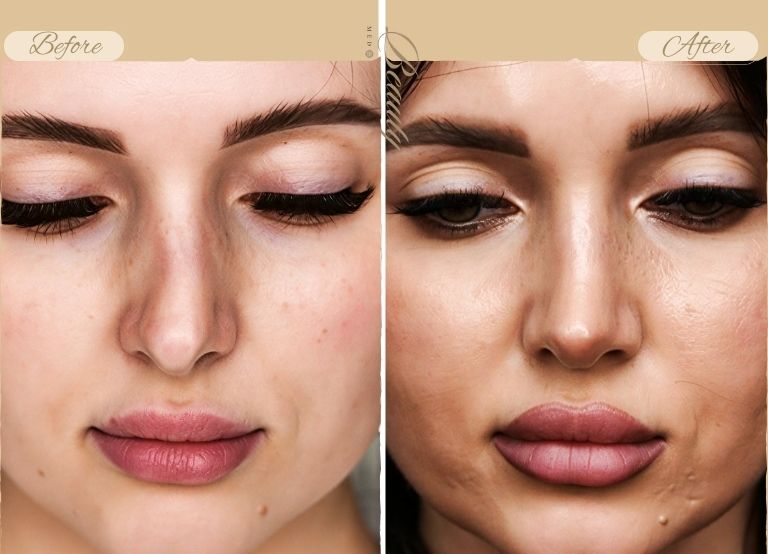
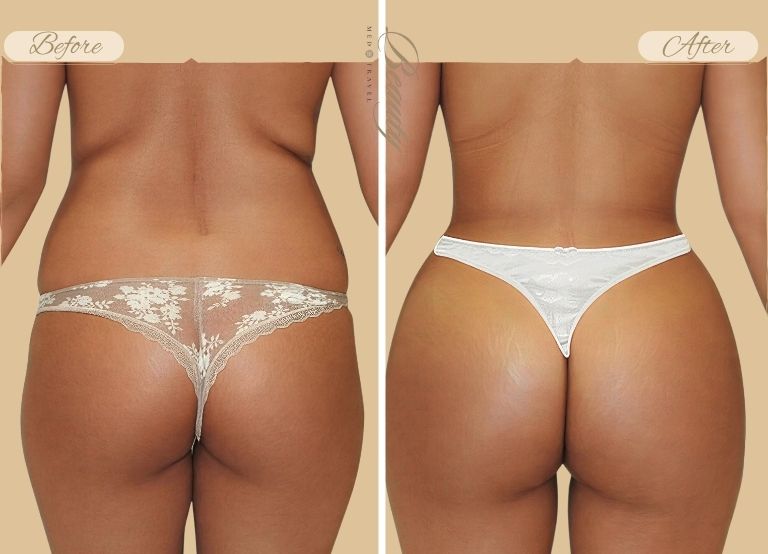
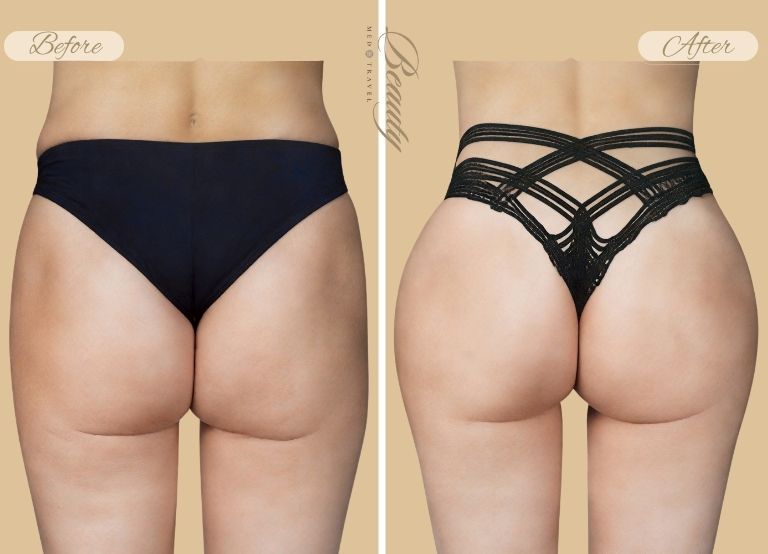
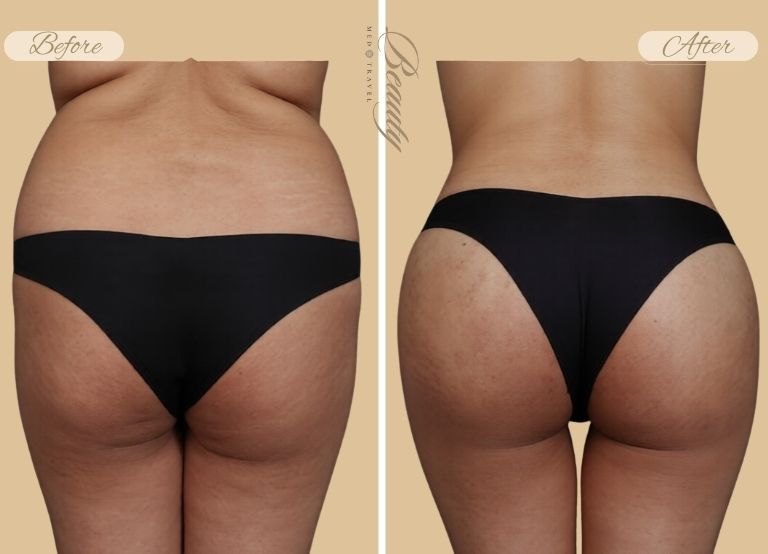
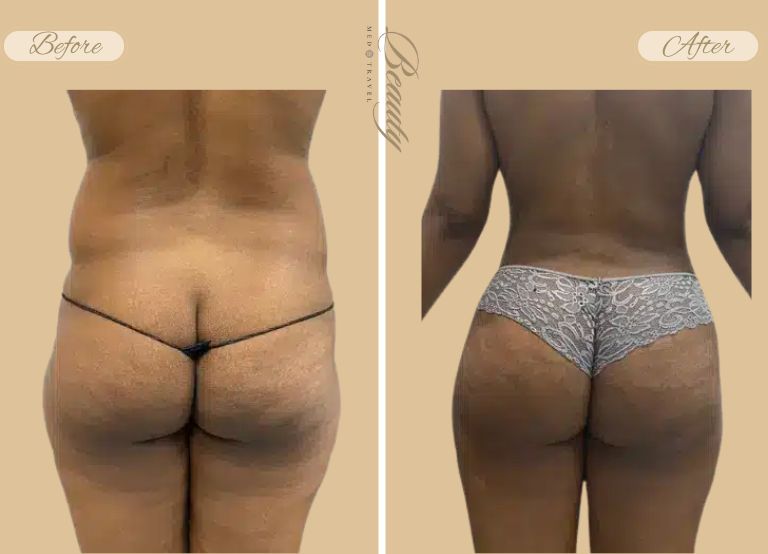
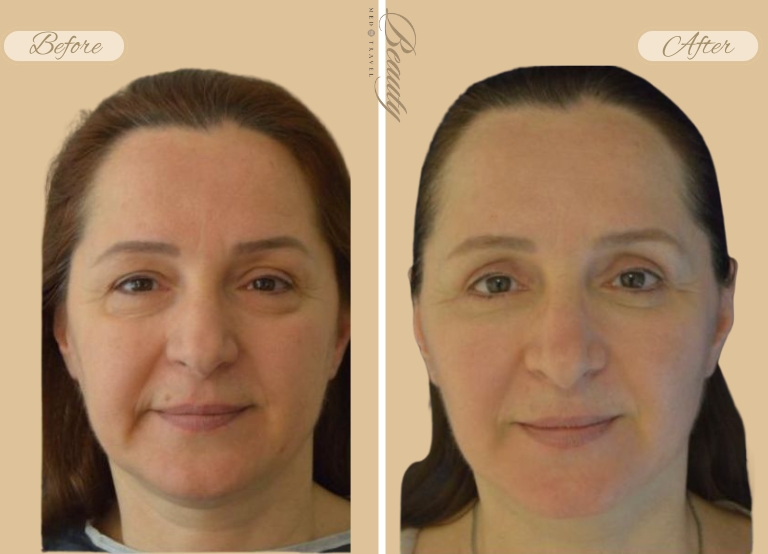
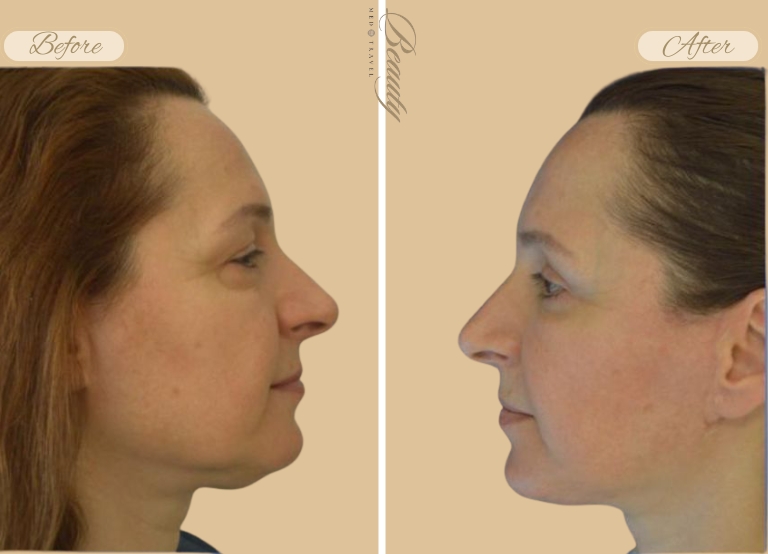
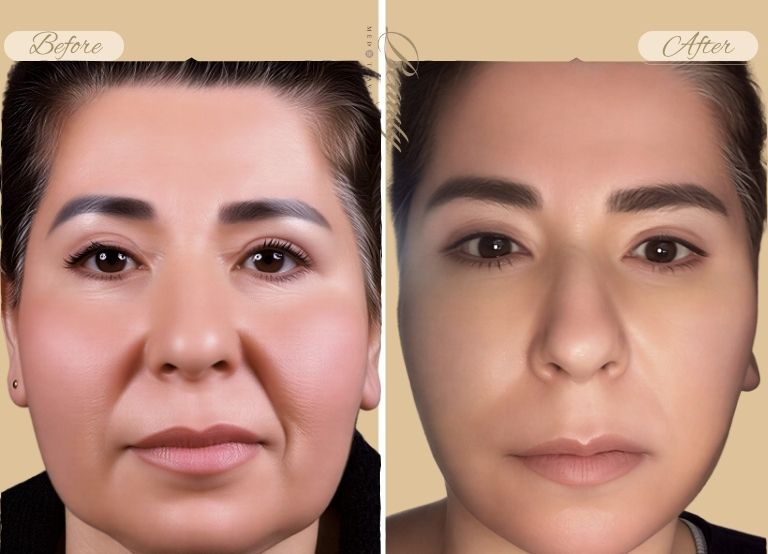
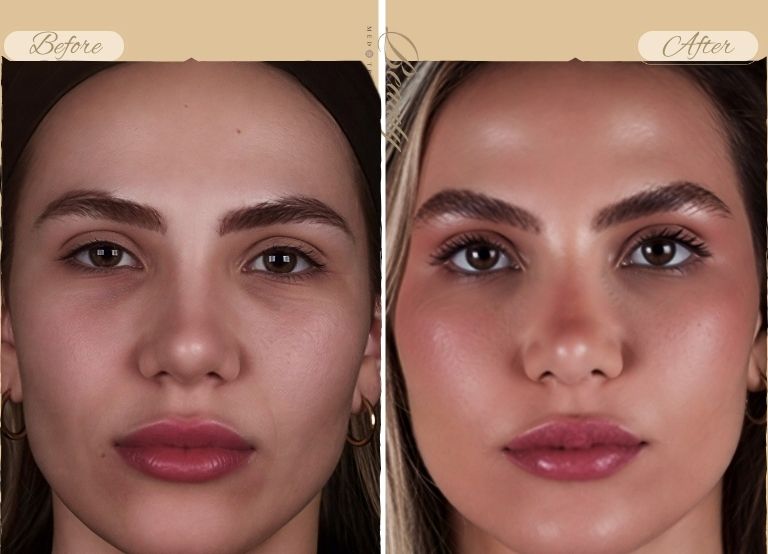
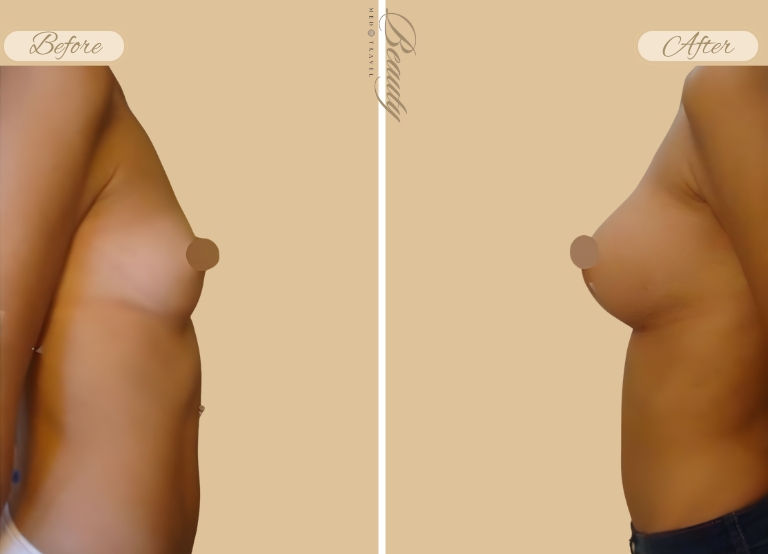
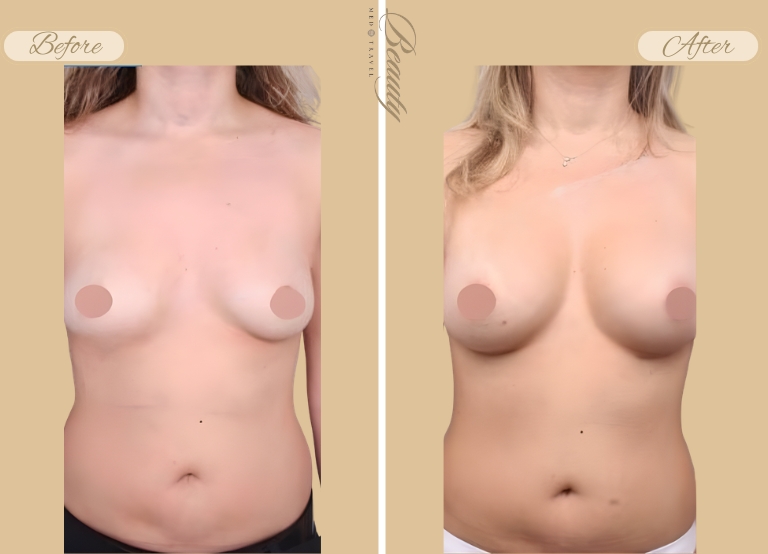
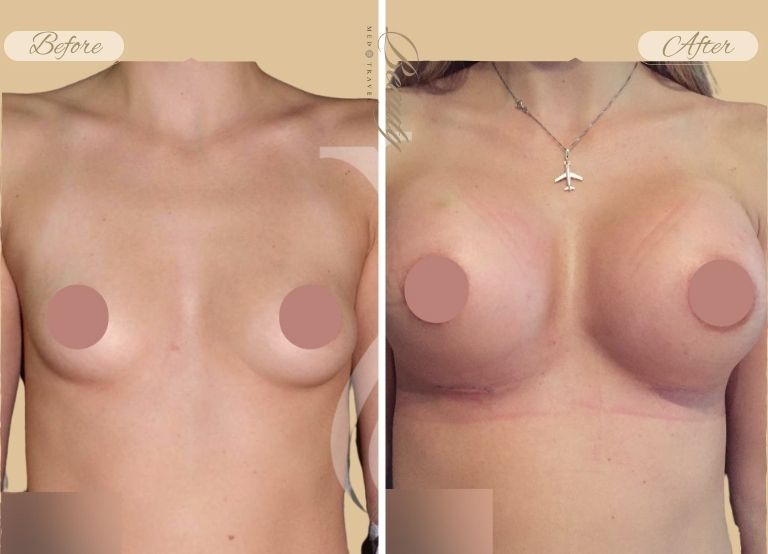
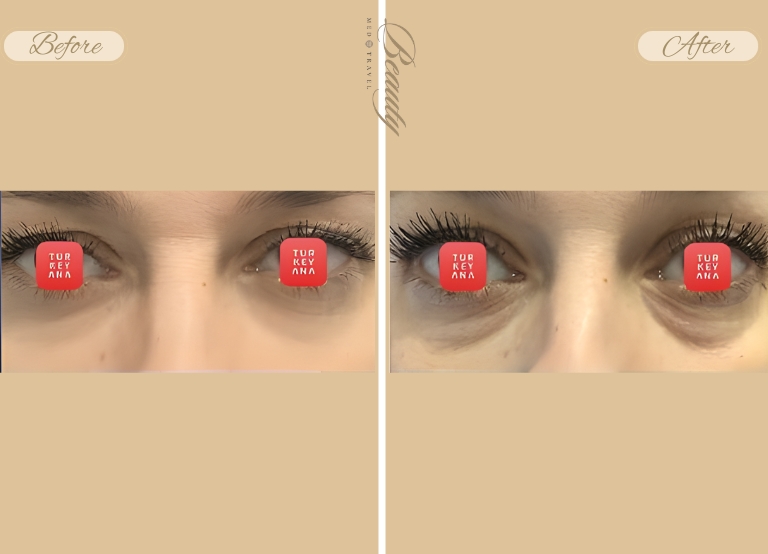
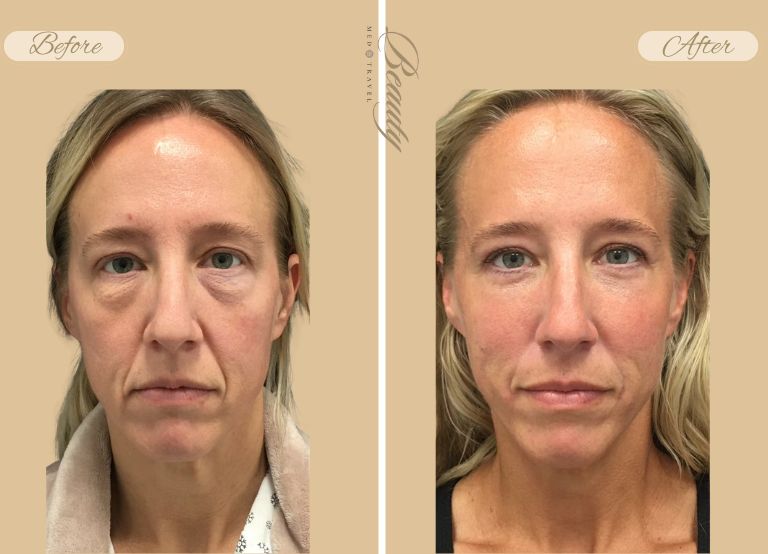
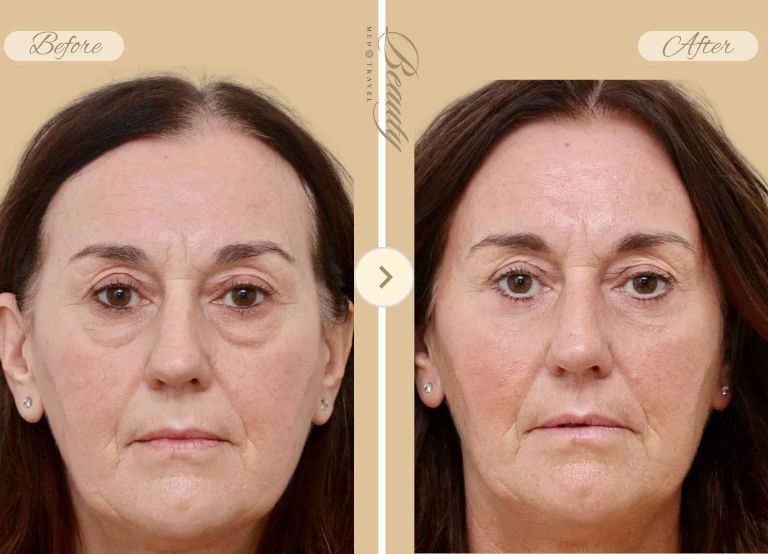
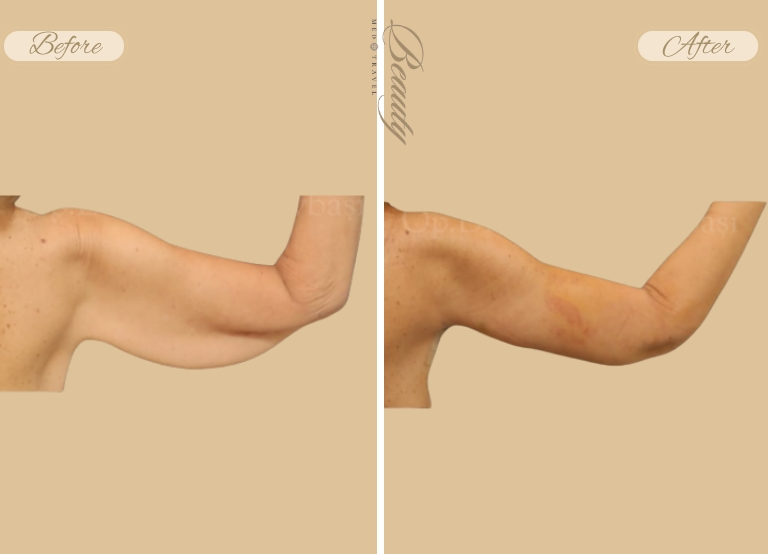
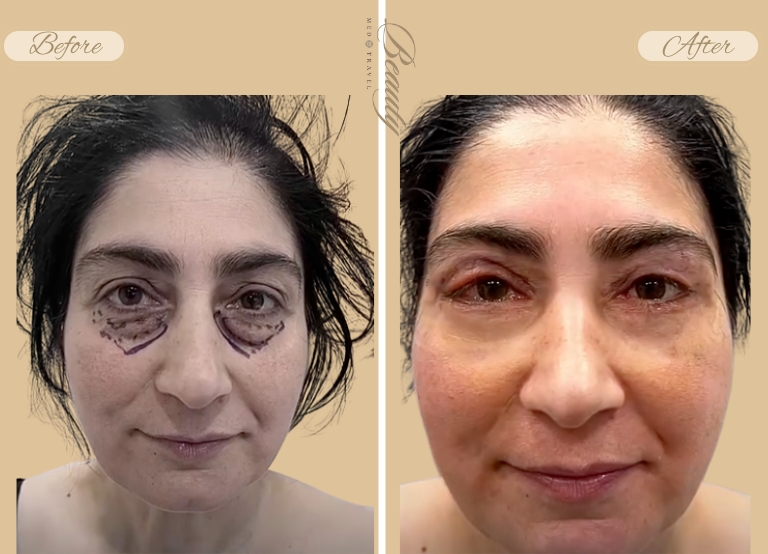
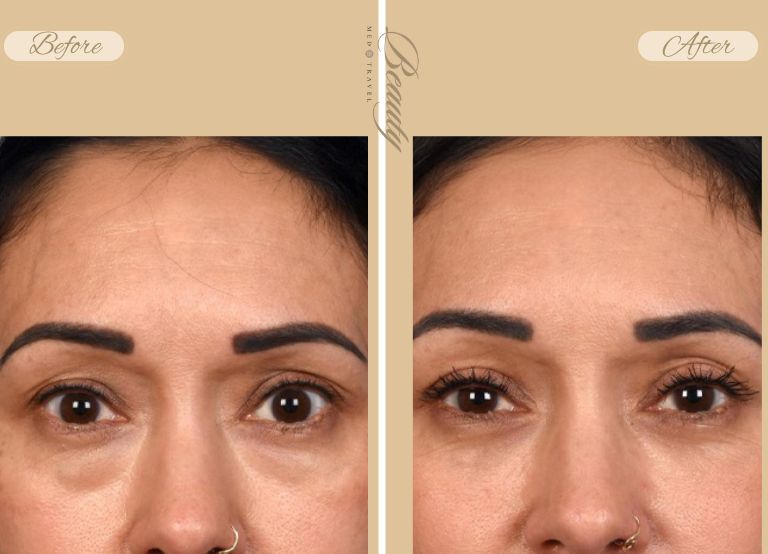
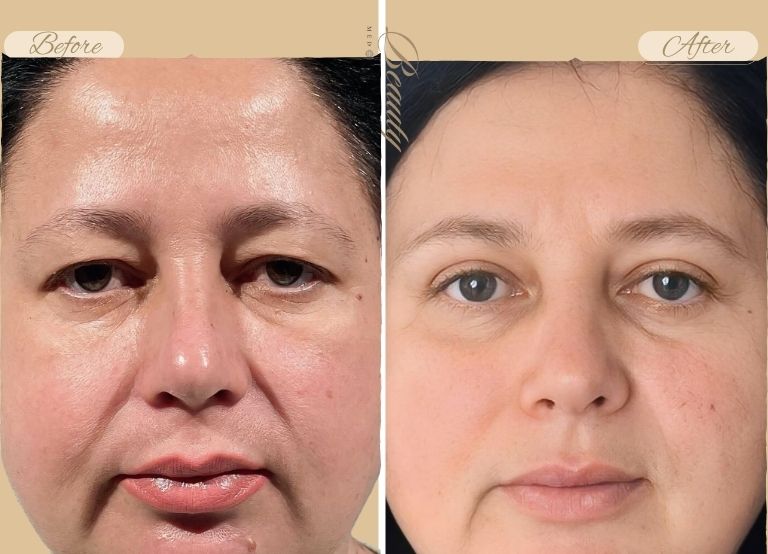
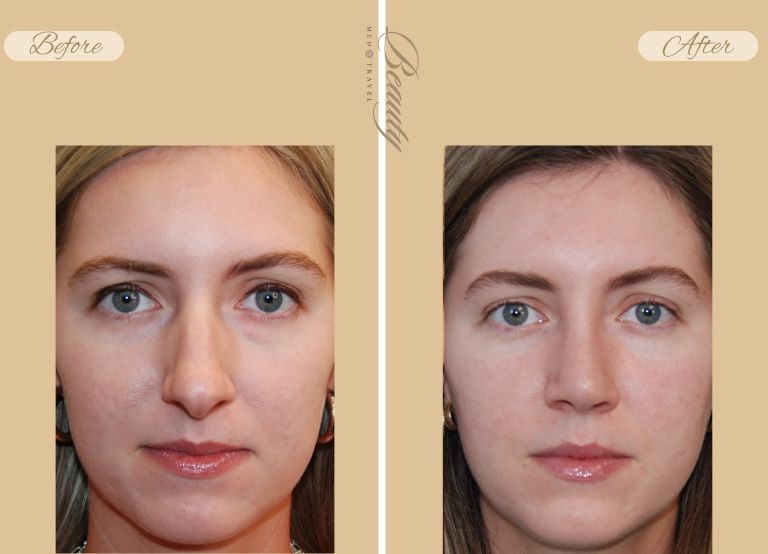
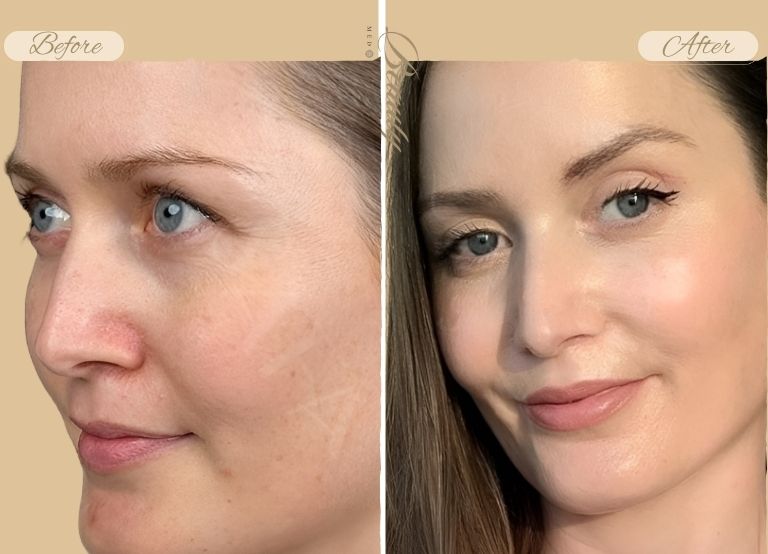
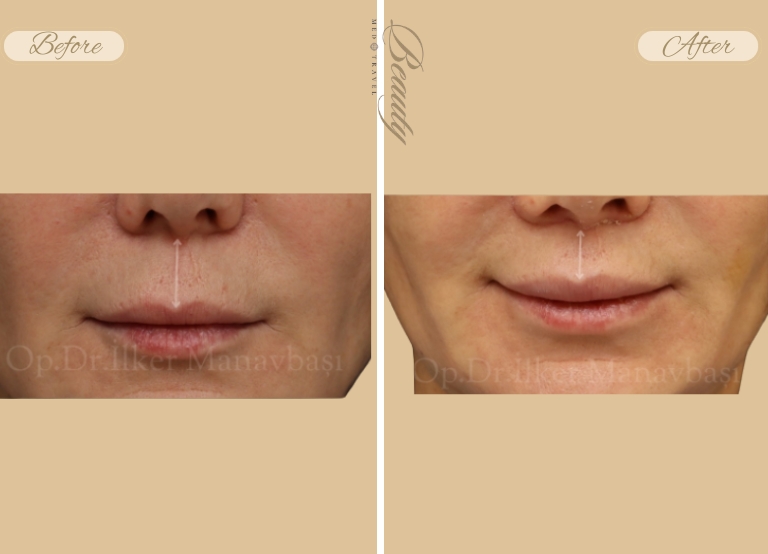
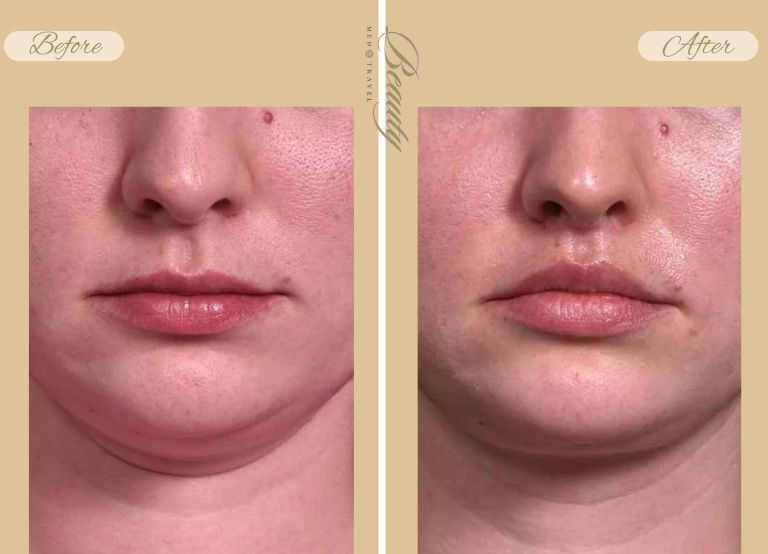
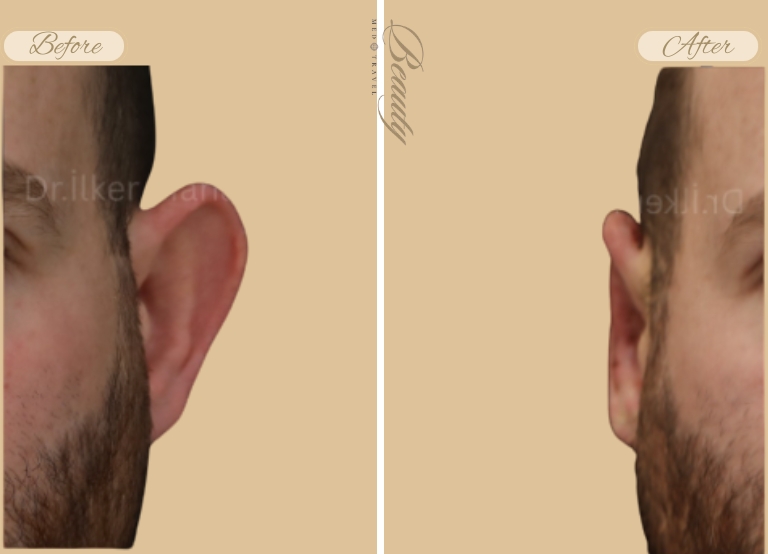
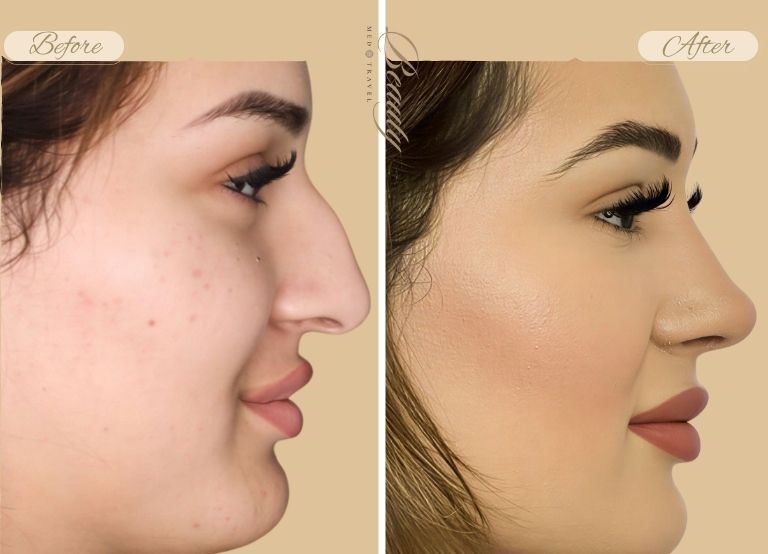
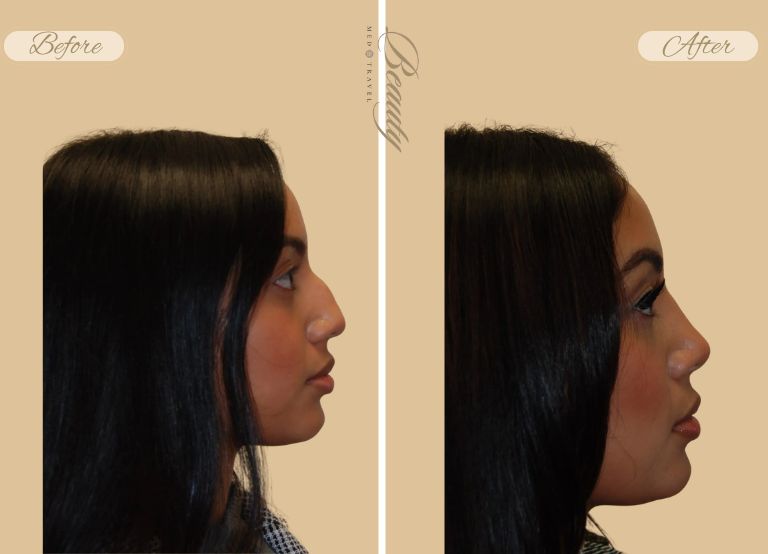
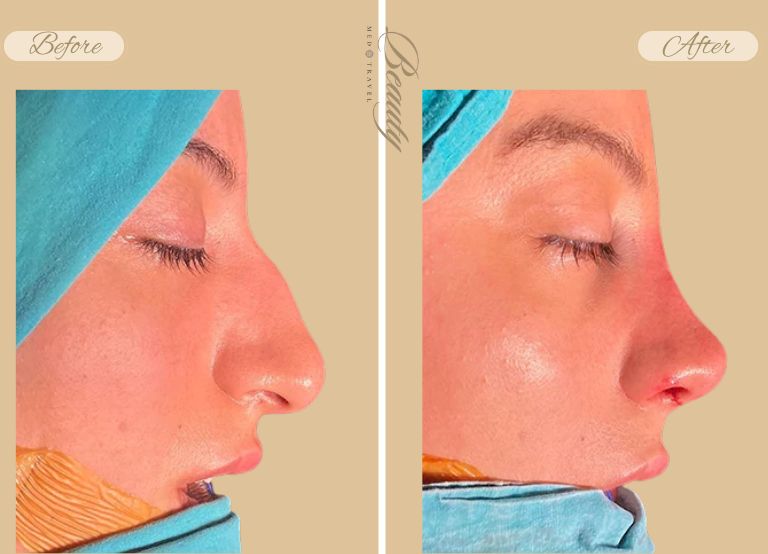
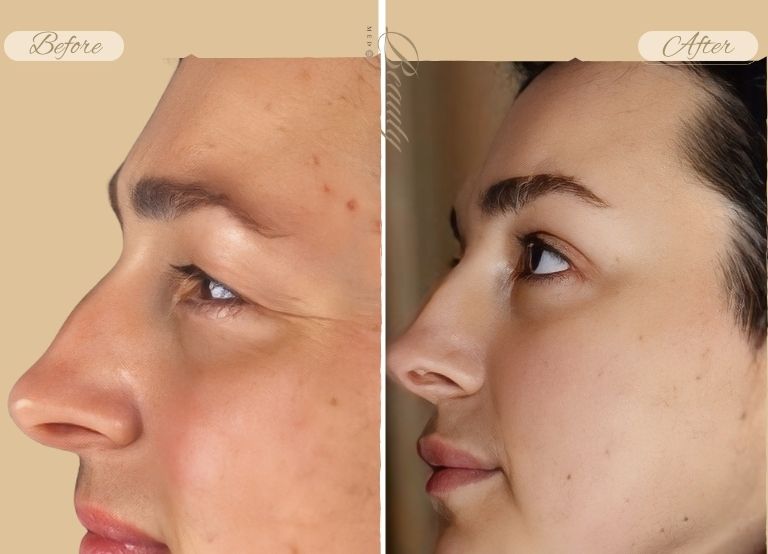
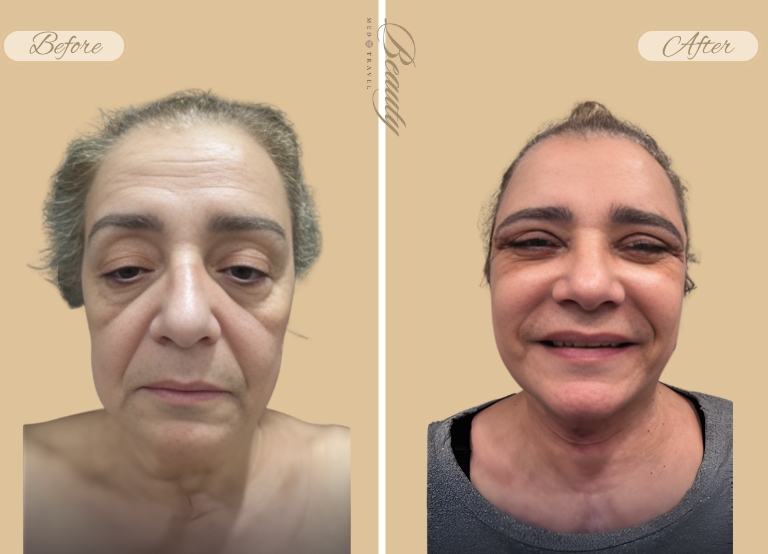
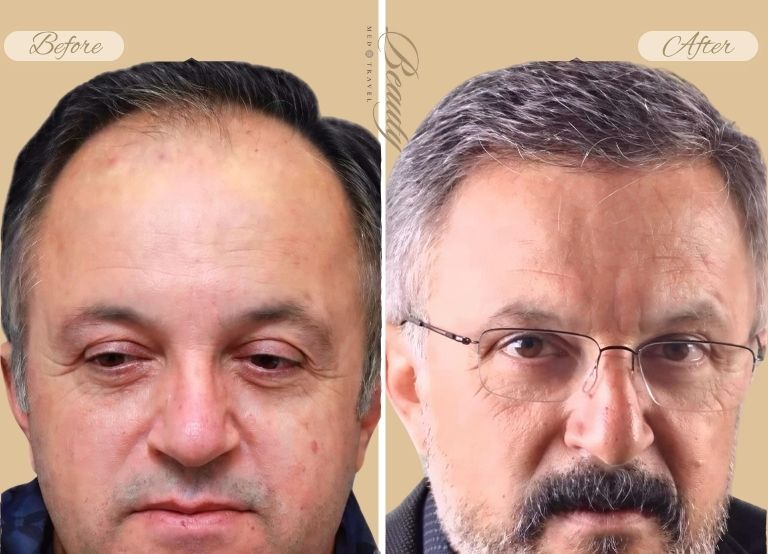
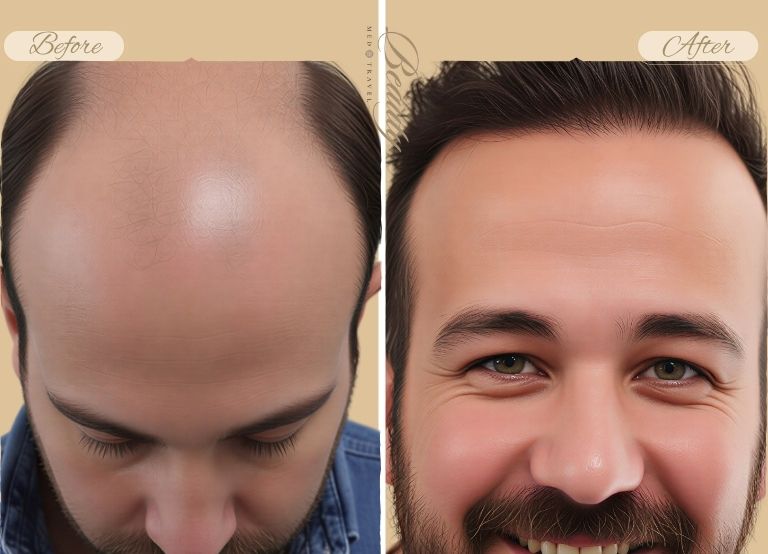
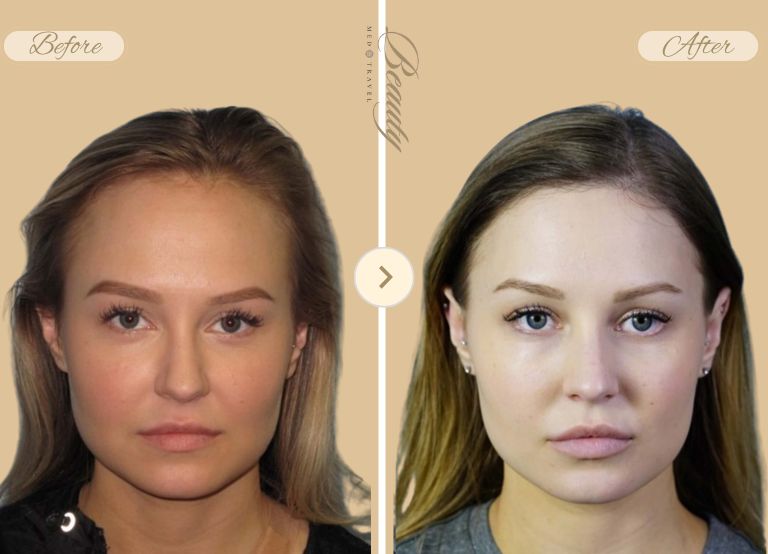
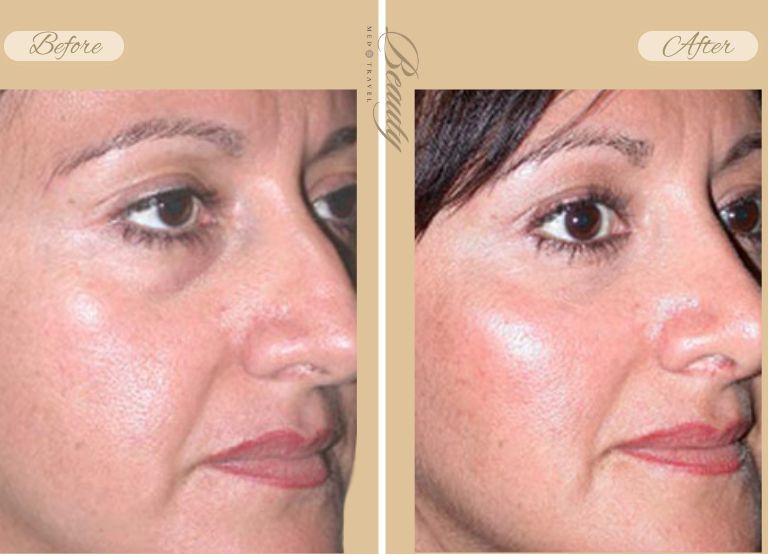
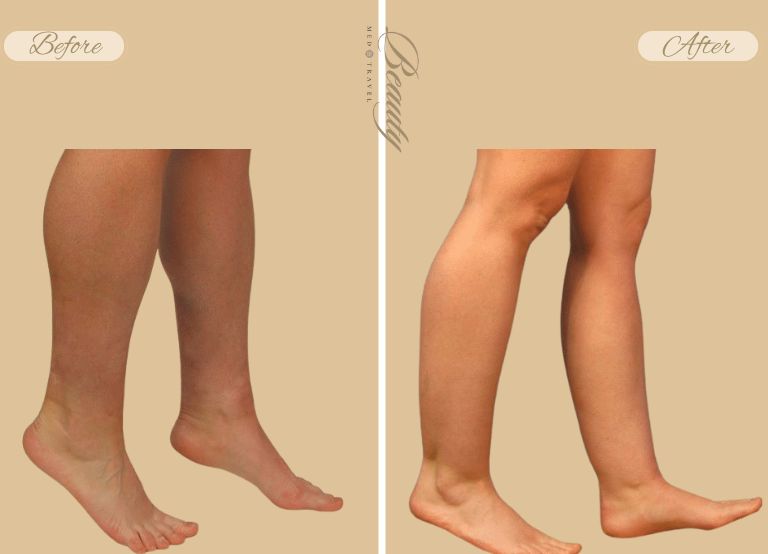
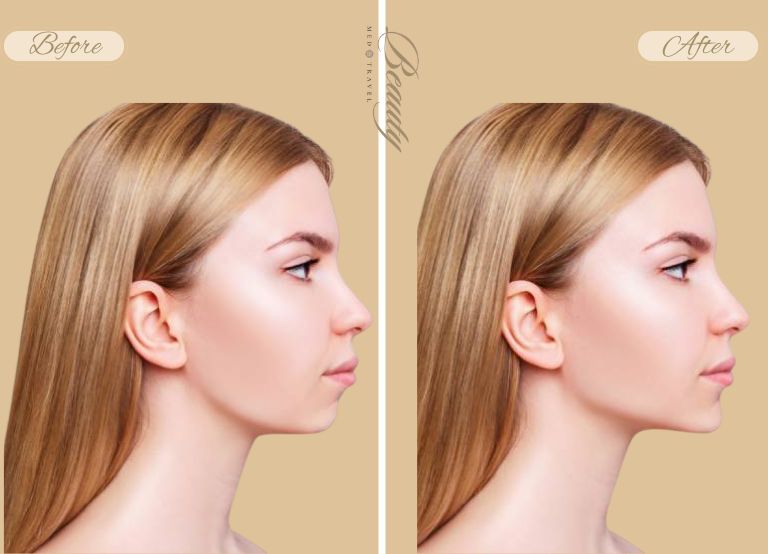
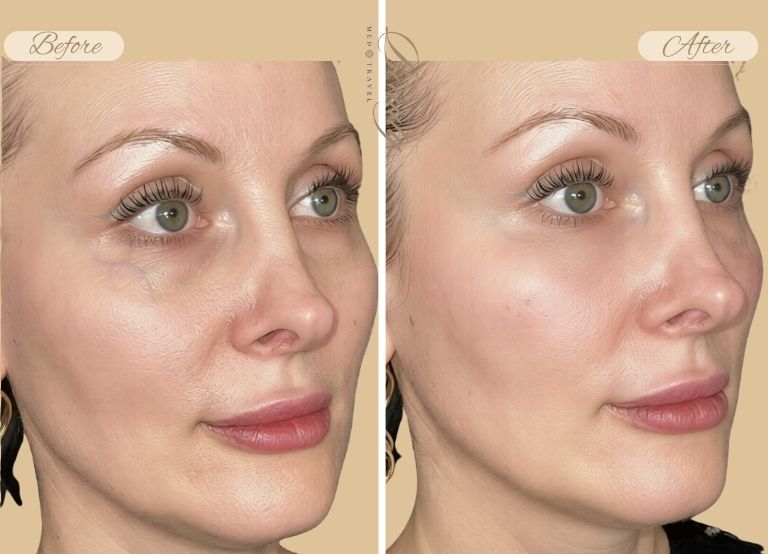
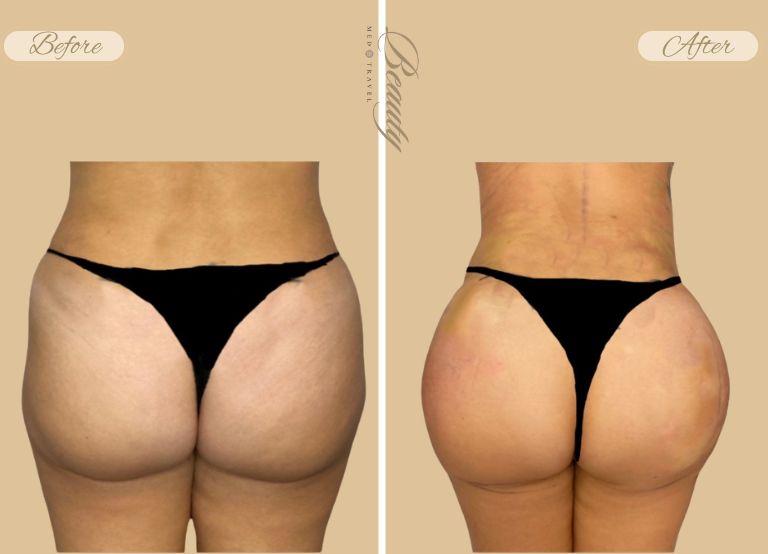
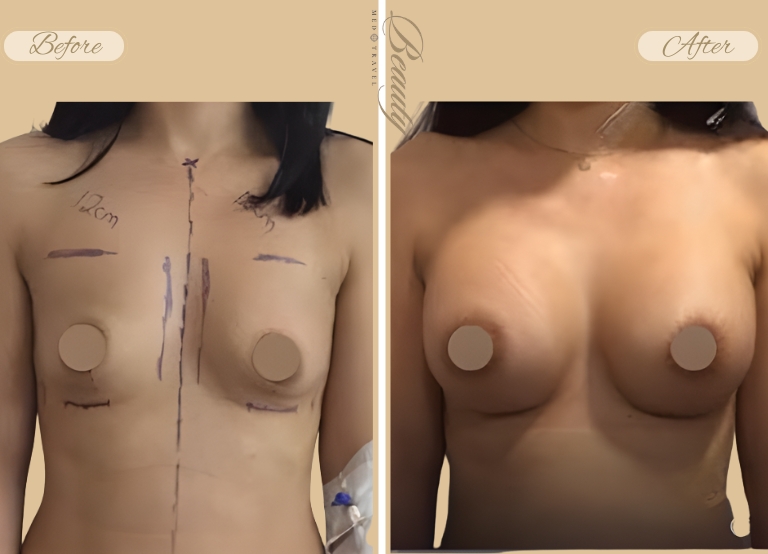
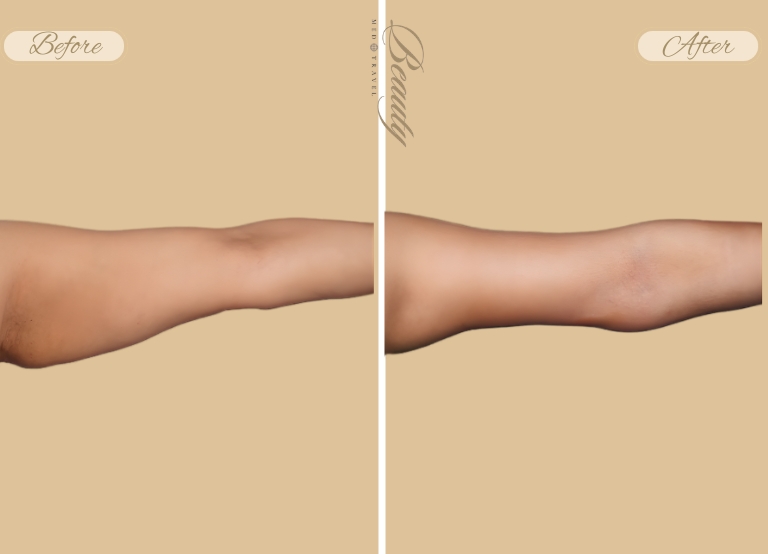
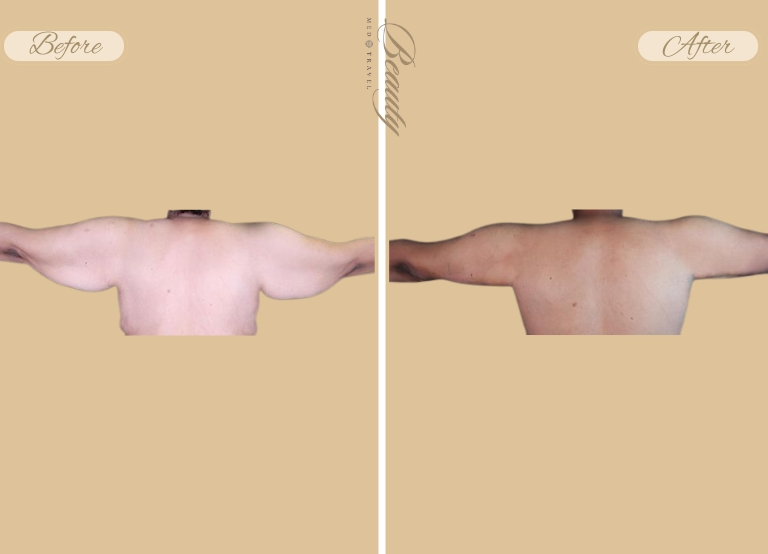
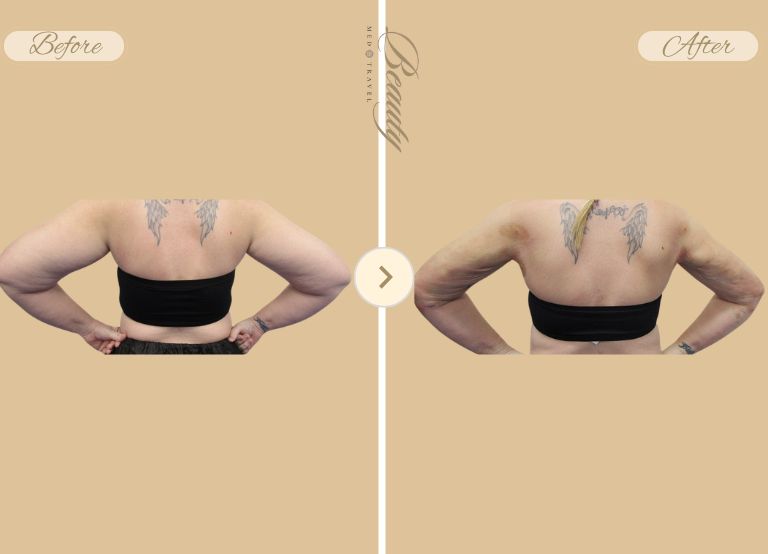
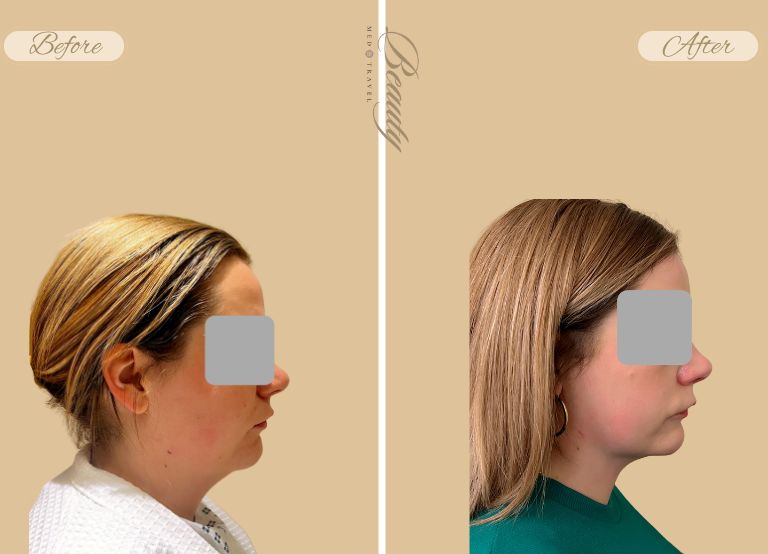
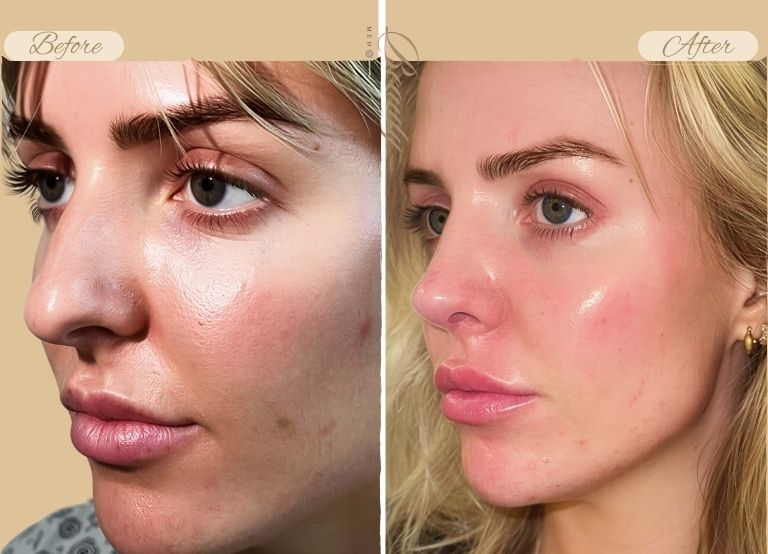
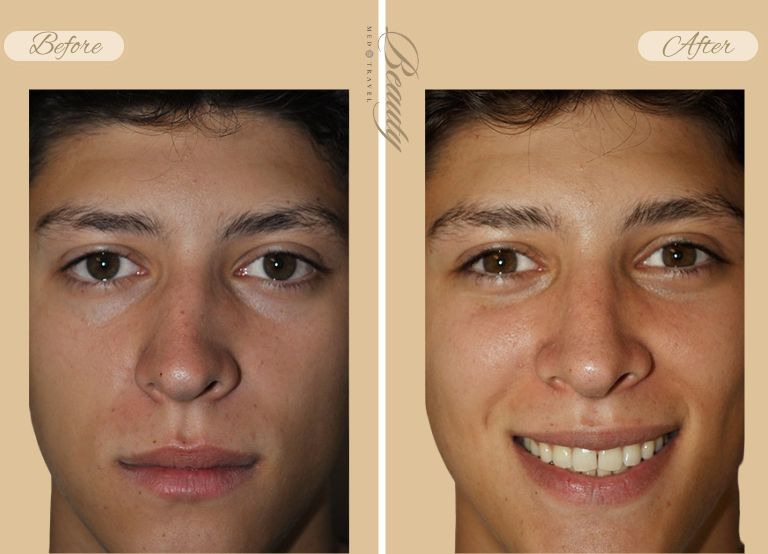
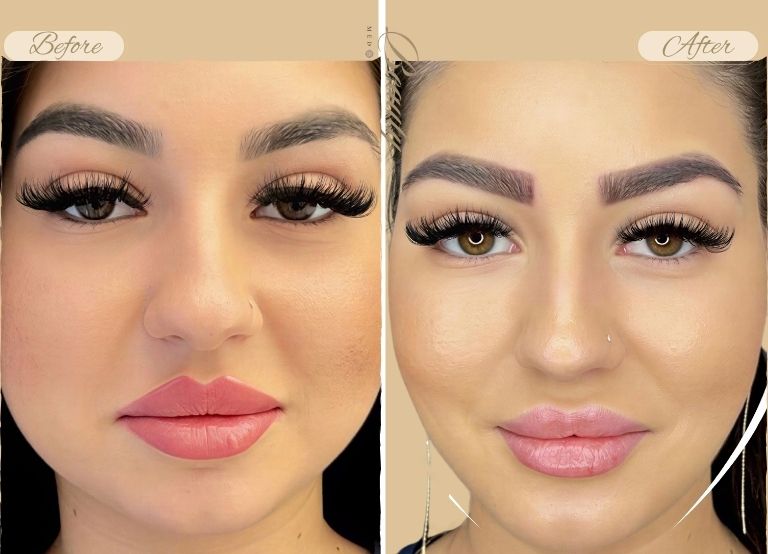
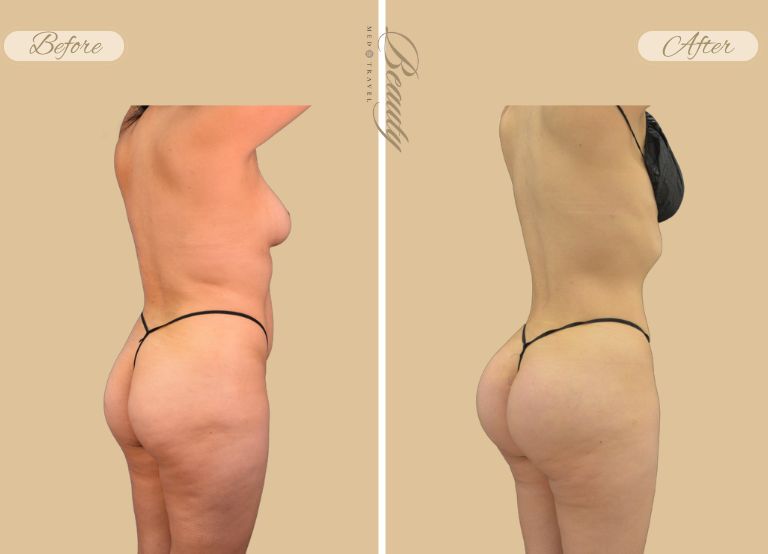
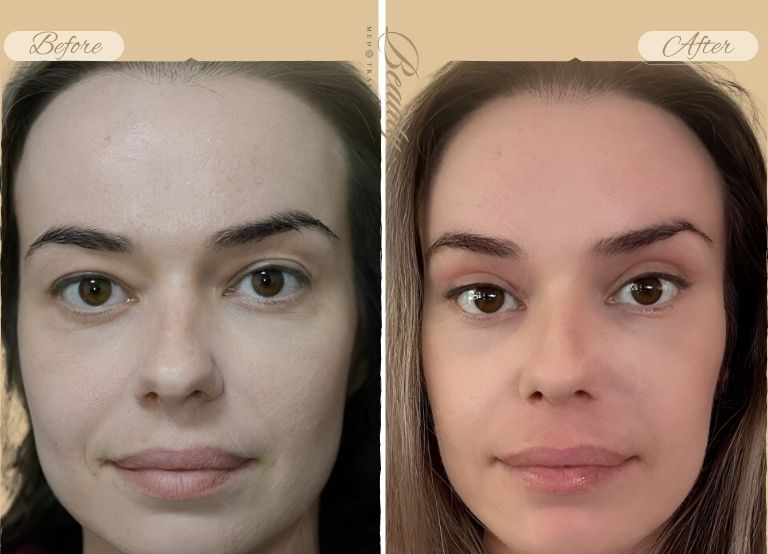
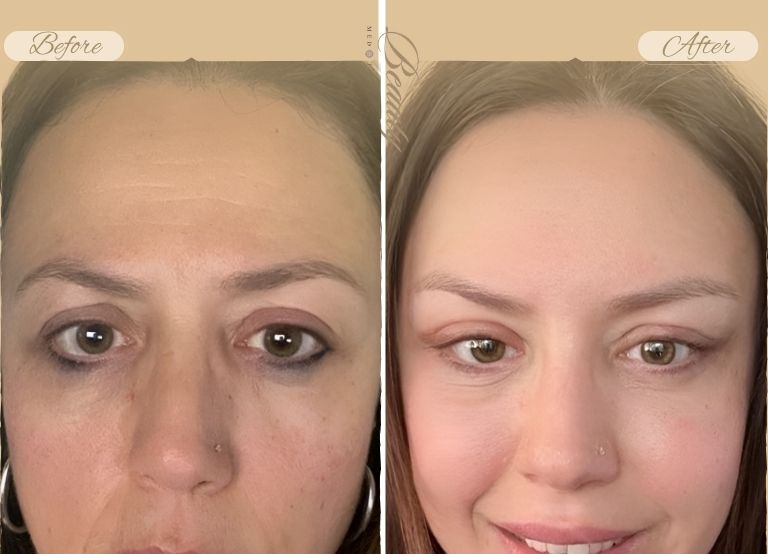
Do not rely on a few highlight photos. Review full patient sets, including different angles and timelines. Check if results still look natural after swelling settles. If you see the same nose shape or body contour repeated across patients, the clinic likely follows a fixed template. Choose a clinic where results vary based on individual features.
Complexity
If your case involves revision surgery, asymmetry, or multiple procedures, you need a clinic with specific experience in those situations. Ask how often the surgeon performs that exact type of case and what challenges they expect. Complex cases require more planning, longer recovery support, and a hospital setting with proper backup if needed.
Risk Tolerance
Decide how much uncertainty you are comfortable handling during and after surgery. If you want a safer approach, choose clinics that allow enough time for consultation, proper medical checks, and recovery before travel. Avoid setups that schedule surgery immediately after arrival or push early return flights.
Safety Standards in Plastic Surgery Clinics in Turkey
While Turkey is known for its established safety standards in plastic surgery, individual outcomes can still vary based on the surgeon, clinic, and overall treatment approach. Here are some common safety standards maintained in the top plastic surgery centers in the country.
Surgeon Certifications
Plastic surgery clinics in Turkey typically work with surgeons who have national specialization in plastic, reconstructive, and aesthetic surgery. Many also have international memberships such as ISAPS and EBOPRAS. These certifications require formal training, continuous education, and commitment to global surgical standards, which directly support safer clinical practice.
Anesthesia Protocols
Licensed anesthesiologists manage anesthesia at every stage in Turkish hospitals. They review your medical history before surgery, assess risk factors, and monitor vital signs, including oxygen levels, heart rate, and blood pressure, throughout the procedure. They also supervise your condition after surgery until you stabilize.
Infection Control Systems
Clinics in Turkey maintain strict infection control through sterilized instruments, controlled operating room conditions, and regulated hygiene protocols. They use autoclave systems for sterilization and follow structured wound care procedures after surgery to reduce infection risk.
Risks and What Patients Should Be Careful About in Turkey
Inconsistent Results
Results can vary significantly within the same clinic. Some patients achieve strong outcomes, while others do not, depending on case complexity and the time allocated to each patient. You should look beyond selected results and check consistency across different patients.
Over-Aggressive Marketing
Some clinics focus heavily on promotions, discounts, and urgency to secure bookings. This approach often shifts attention away from clinical evaluation and pushes for faster decisions without proper assessment.
Lack of Proper Consultation
A limited consultation can lead to unrealistic expectations and poorly planned procedures. If your case is assessed quickly without a detailed discussion, you should reconsider your decision.
High-Volume Clinics Rushing Cases
Clinics handling a large number of patients daily may limit time for planning, preparation, and recovery monitoring. This can affect both safety and final results.
Package Deals
Packages can simplify the process, but they may not always match your specific needs. A fixed structure can overlook individual requirements and focus more on convenience than proper planning.
Best Plastic Surgery Clinics in Turkey (By Specialty and Patient Fit)
Here are some of the best plastic surgery clinics in Turkey, organized by specific procedures. Our medical coordinators consider factors like surgical expertise, procedure specialization, patient outcomes, and overall clinical standards before shortlisting these options.
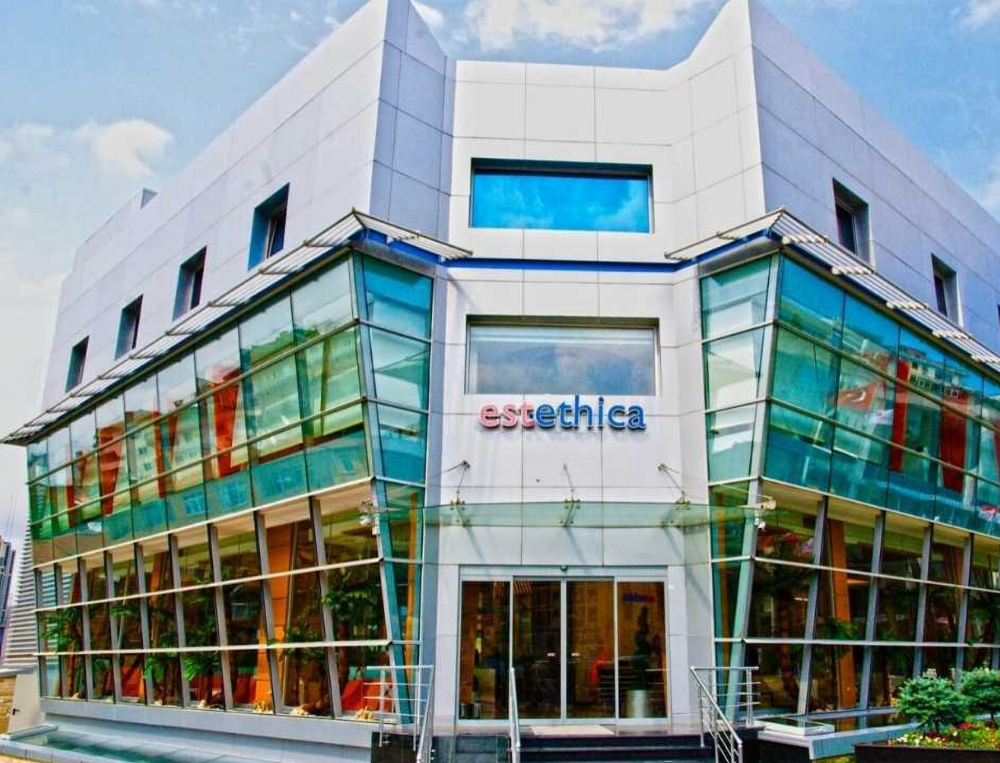
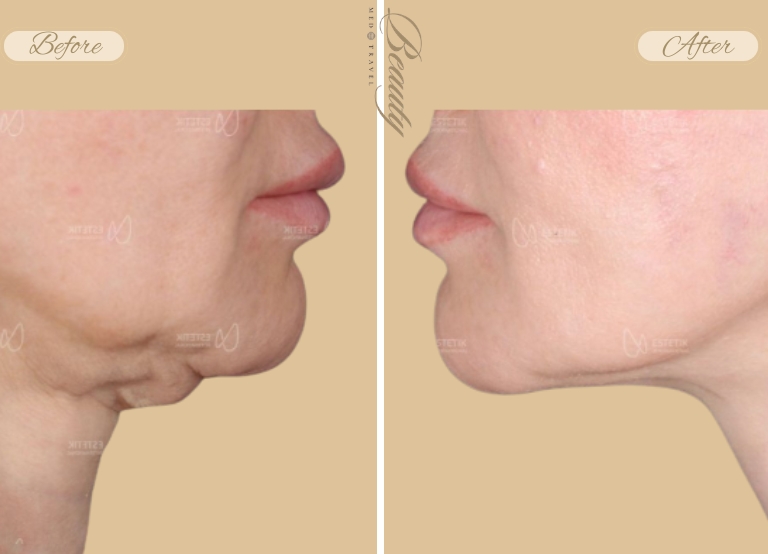
Esthetica Clinic Istanbul – Best For Liposuction
Estethica is a JCI-accredited cosmetic surgery group based in Istanbul that focuses on aesthetic and body contouring procedures, particularly laser-assisted fat removal techniques. The clinic network has been operating since the late 2000s.
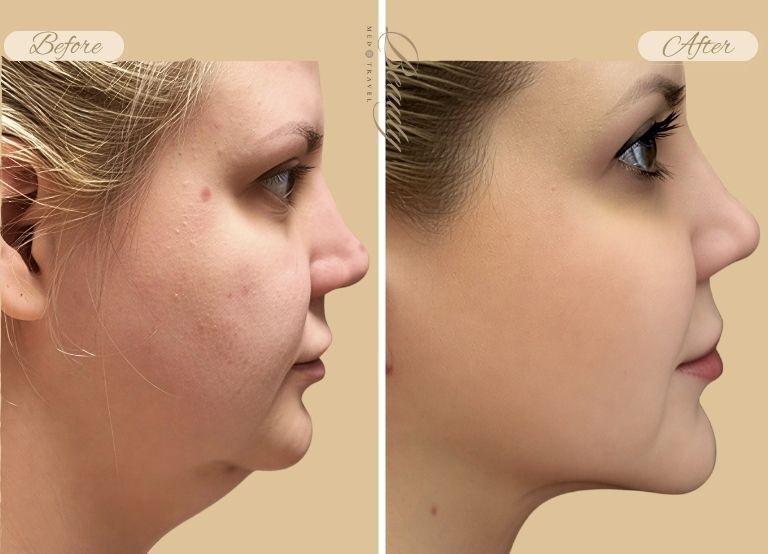
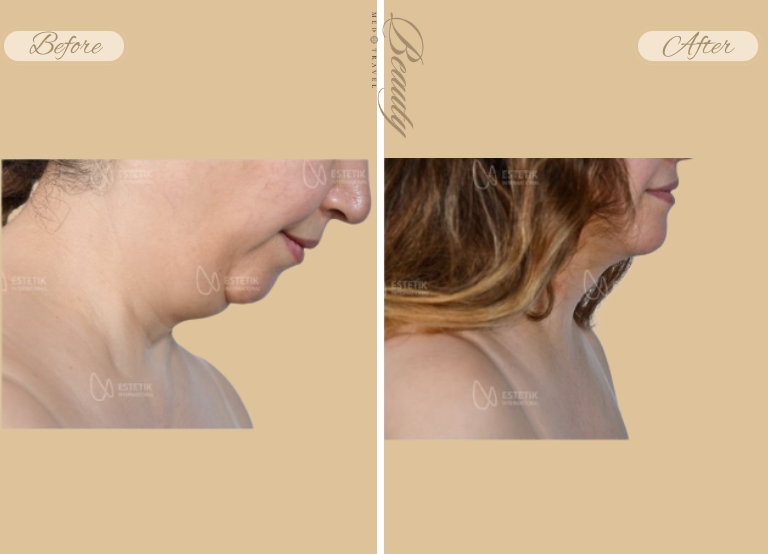
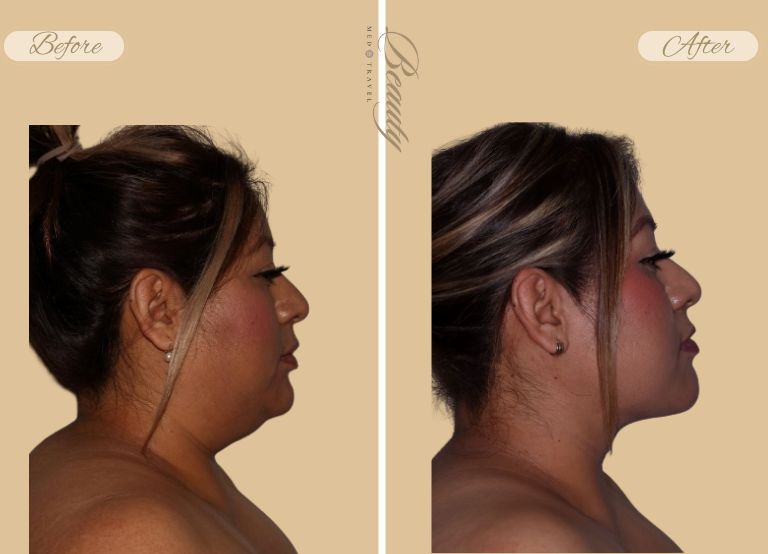
For liposuction and body contouring, the clinic primarily uses laser-assisted lipolysis (SlimLipo) rather than focusing solely on traditional suction-based techniques. This method is used for fat reduction and body sculpting across multiple areas, including the abdomen, waist, back, hips, arms, thighs, and facial regions such as the chin and neck.
The clinic also offers VASER liposuction (360-degree liposuction). This technique uses ultrasound energy to break down fat cells more selectively before removal, allowing for more controlled body contouring with reduced impact on surrounding tissues.
Liposuction procedures at the clinic are performed by expert plastic surgeons at Esthetica, including:
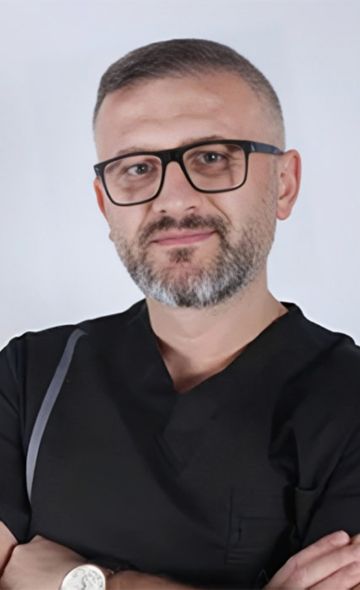
- Dr. Sinan Ulusoy, who has approximately 12–14 years of experience in plastic, reconstructive, and aesthetic surgery, completed his medical education at Hacettepe University Faculty of Medicine.
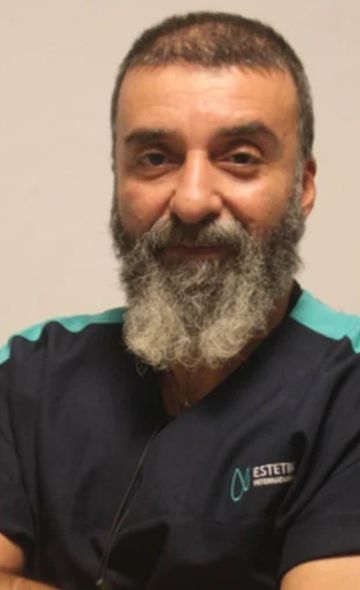
- Dr. Mohammadreza Ebadi is a graduate of Tabriz University of Medical Sciences and has around 25 years of experience.
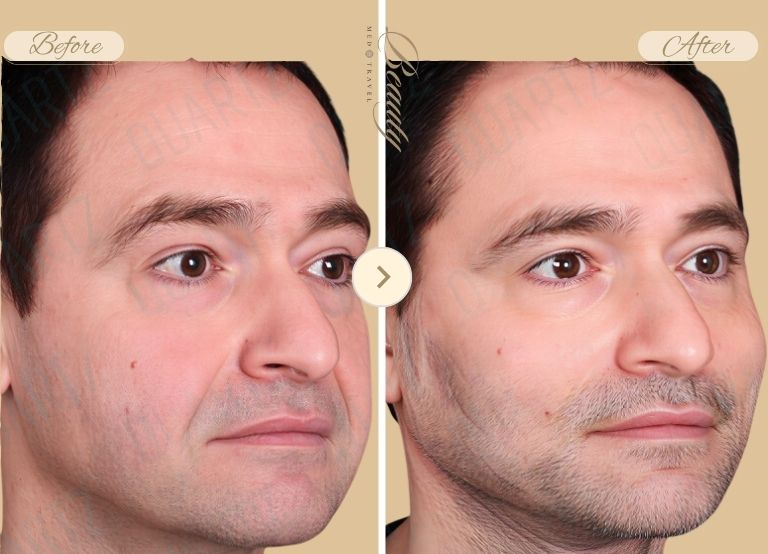
Quartz Clinique - Renowned For Breast Procedures
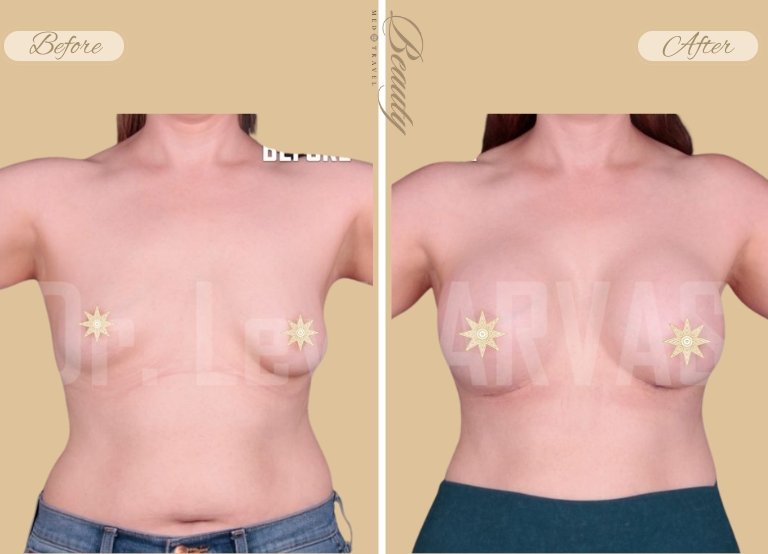
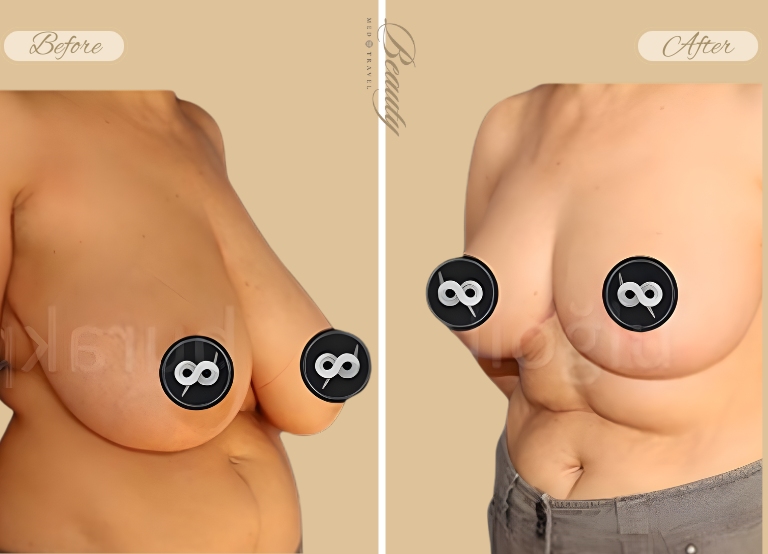
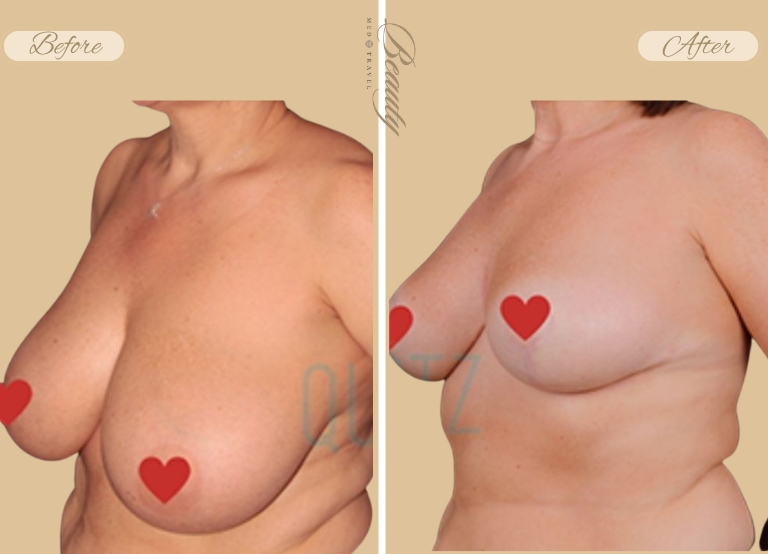
Quartz Clinique, established in 2015, is a private aesthetic center in the Nişantaşı area. It is primarily associated with breast and body contouring surgeries performed within partnered JCI-accredited hospital settings.
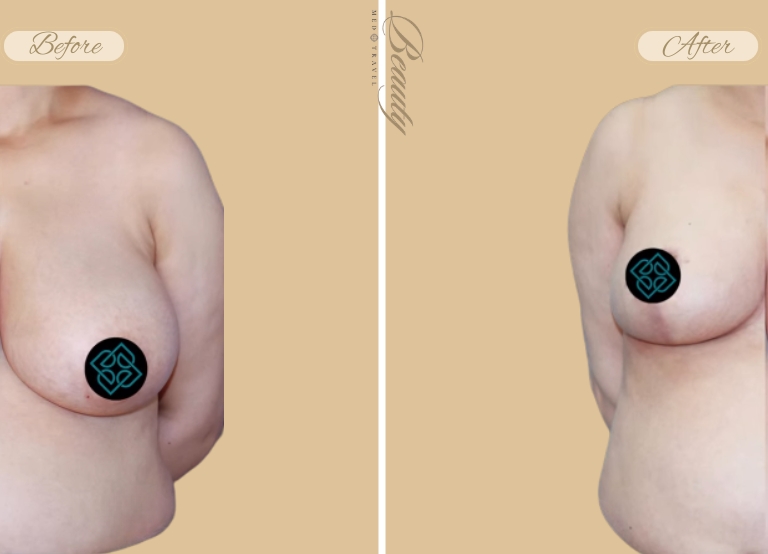
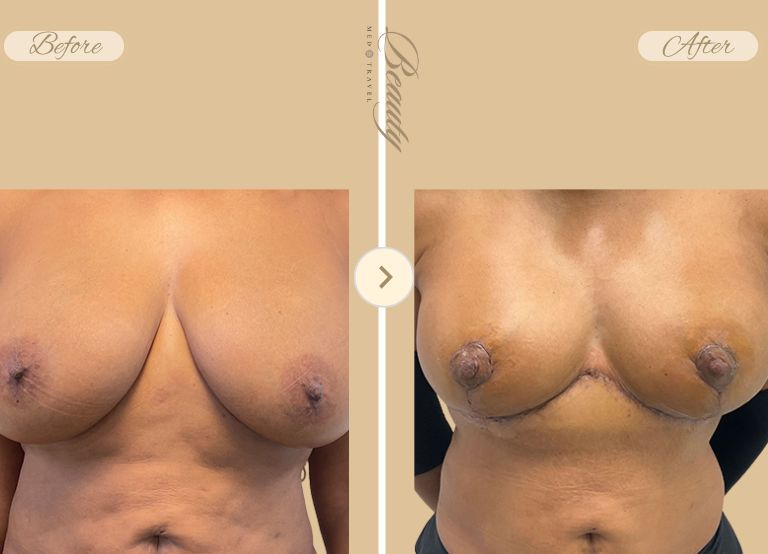
Breast surgery offerings at the clinic cover a wide range of procedures, including:
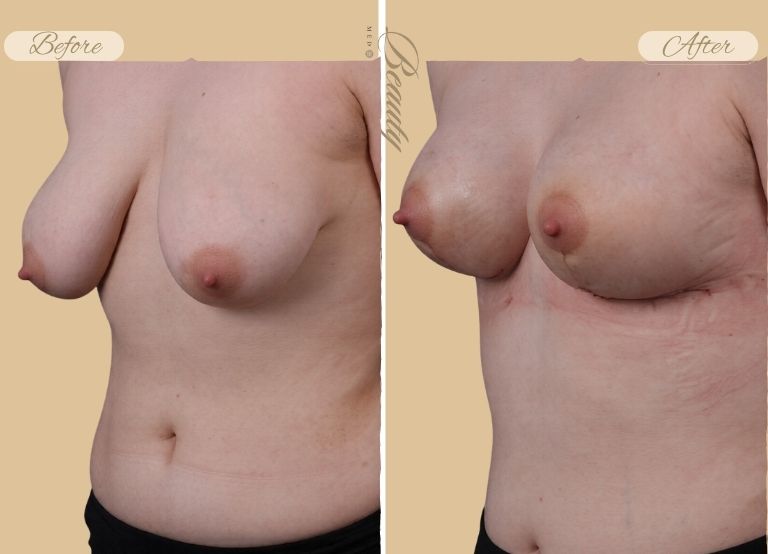
- Breast augmentation
- Breast lift
- Breast reduction
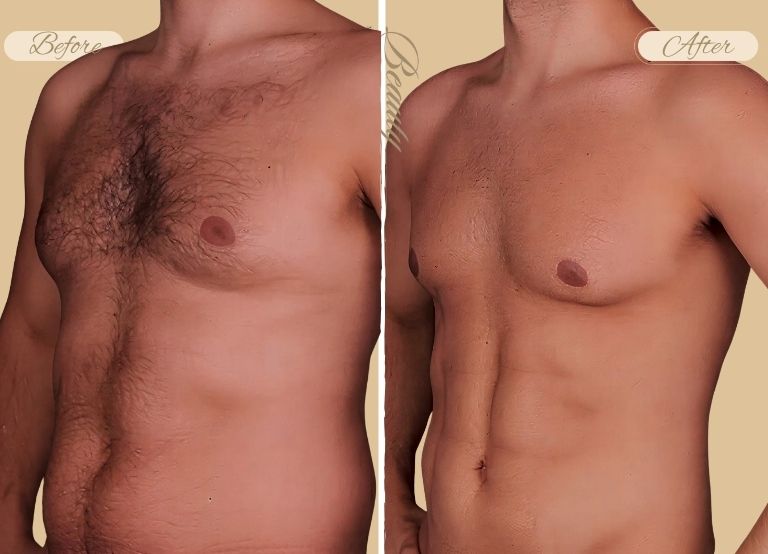
- Gynecomastia treatment
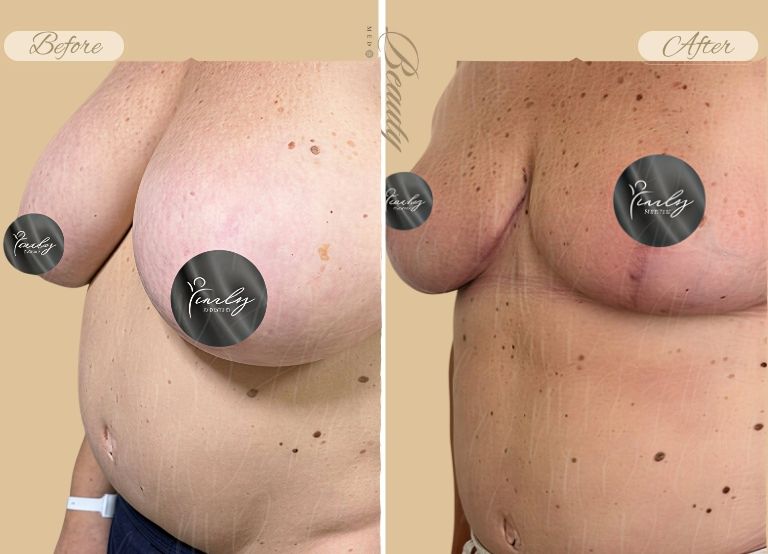
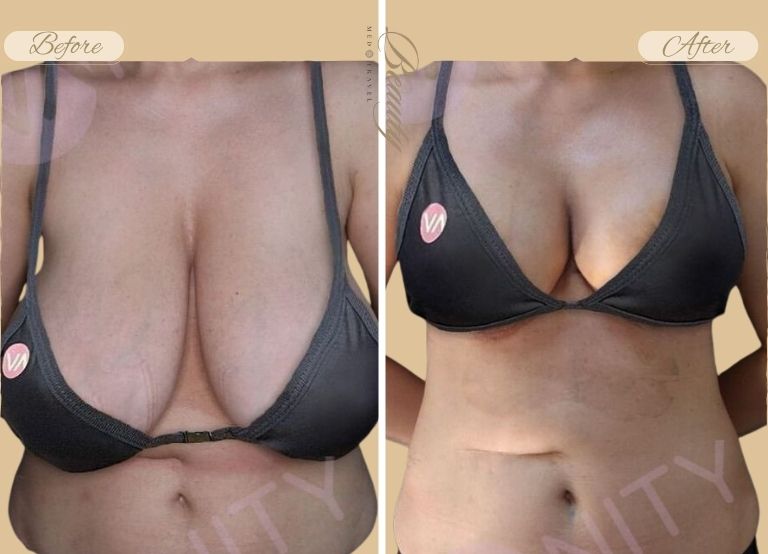
In addition to primary cosmetic enhancement, the clinic also handles corrective and revision cases, particularly in situations involving implant-related complications. Fat transfer techniques for breast enhancement are also used, where fat is typically taken from other body areas and reinjected to improve breast volume and shape.
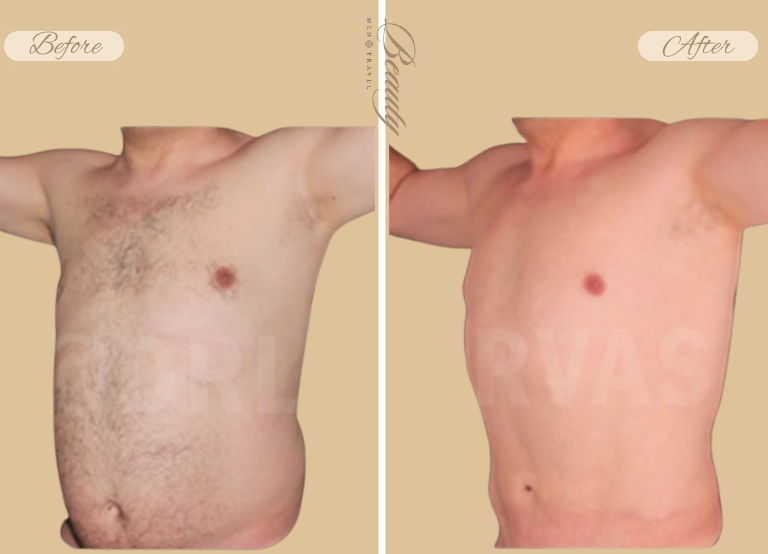
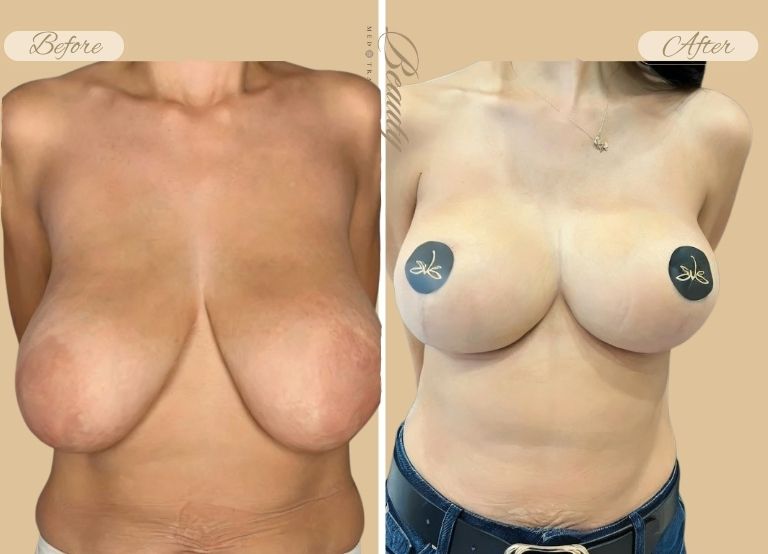
A key figure associated with breast procedures at the clinic is Dr. Leyla Arvas, a senior plastic, reconstructive, and aesthetic surgeon with approximately 27 to 28 years of medical experience. She completed her medical education in the late 1990s and has additional training and exposure in microsurgery, including breast reconstruction techniques.
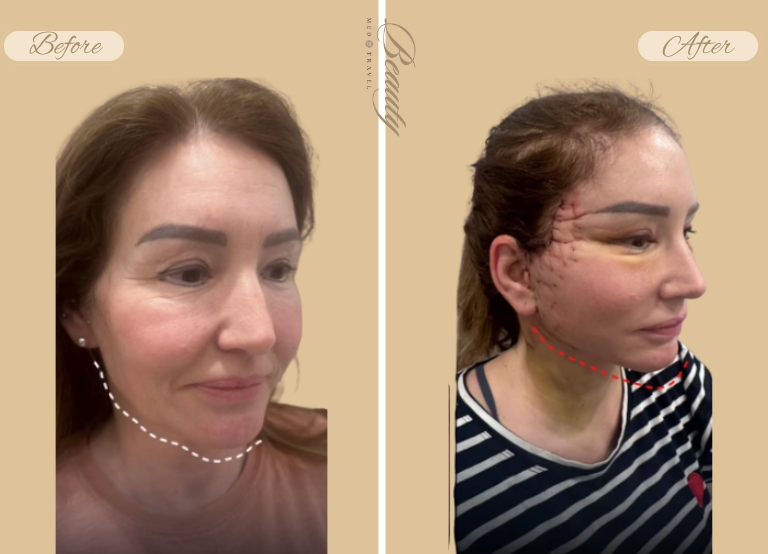
Dr. Safa Manav Clinic - Known For Facelifts
Dr. Safa Manav Clinic is a plastic surgery center based in Istanbul. It is led by Dr. Safa Manav, a specialist in plastic, reconstructive, and aesthetic surgery with approximately 8 years of experience. He completed his medical education at Istanbul University Cerrahpaşa Faculty of Medicine. His training also includes an international fellowship period in Brussels focused on plastic surgery techniques.
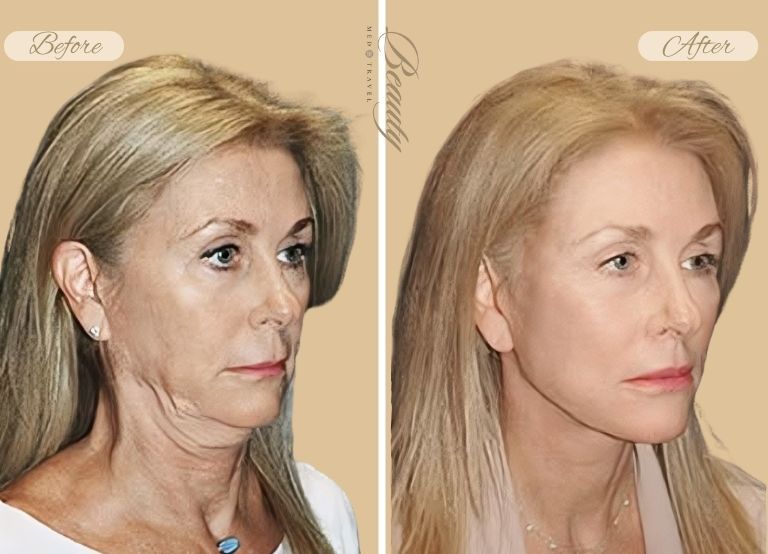
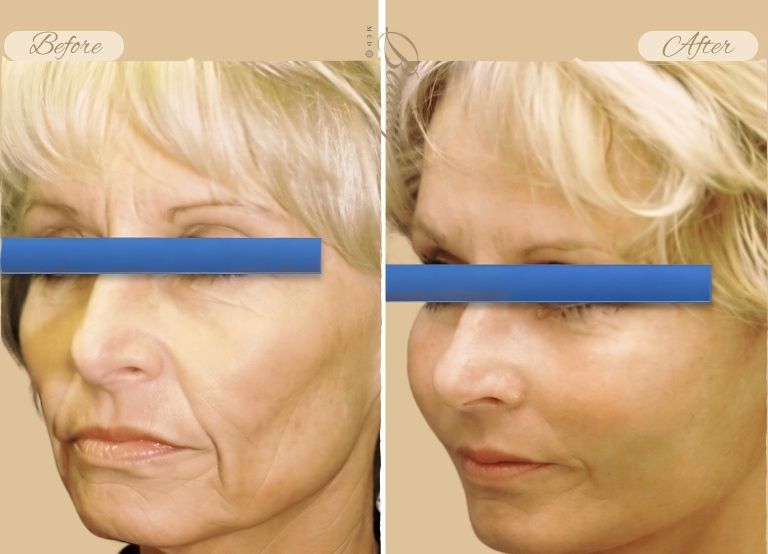
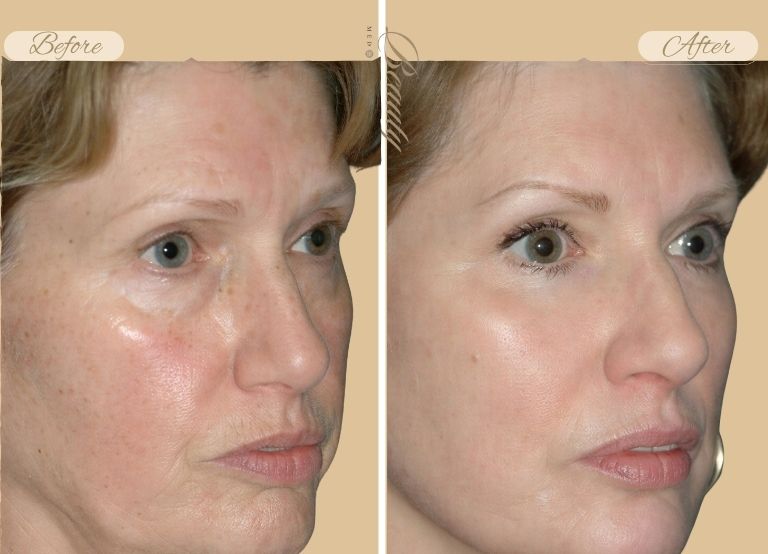
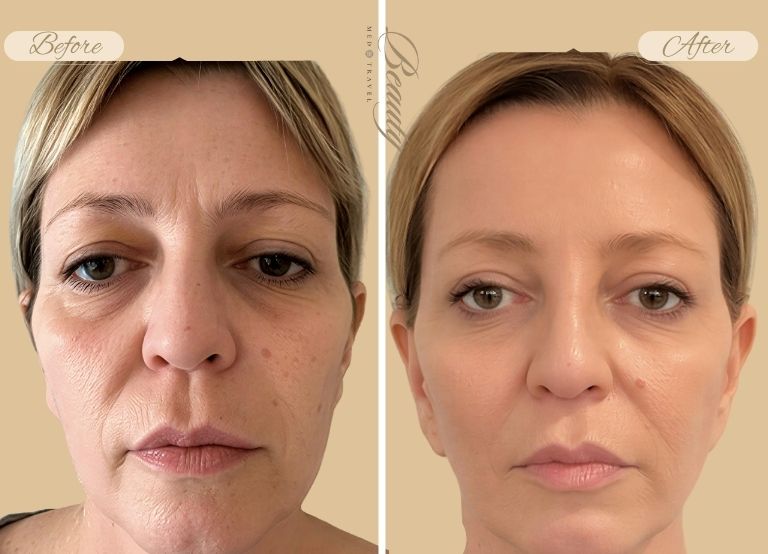
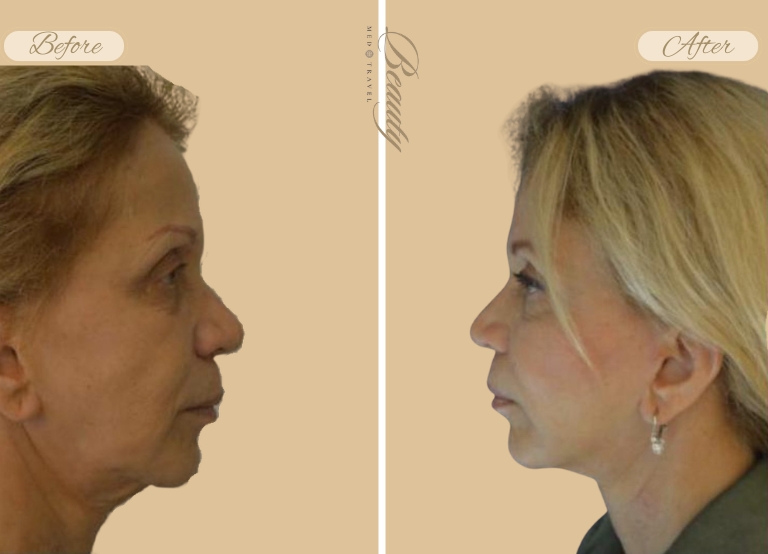
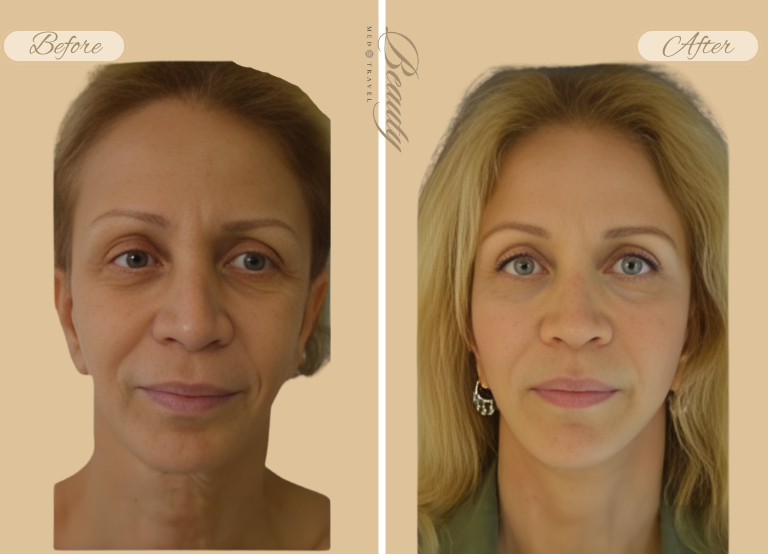
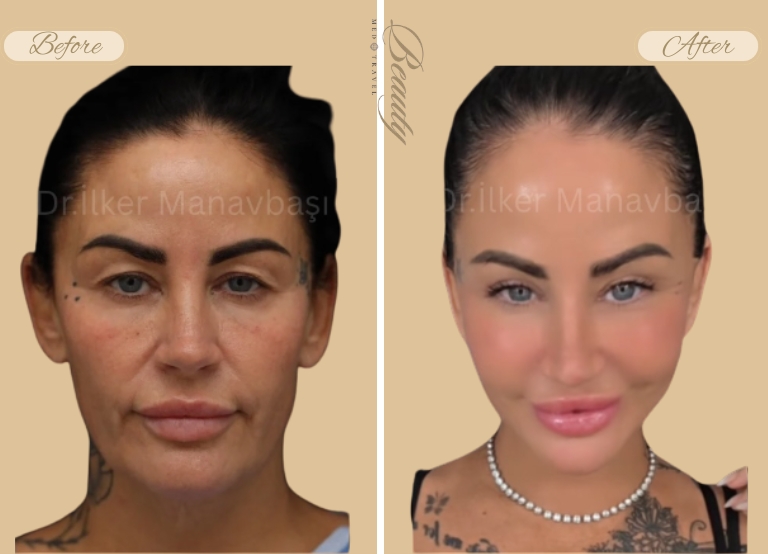
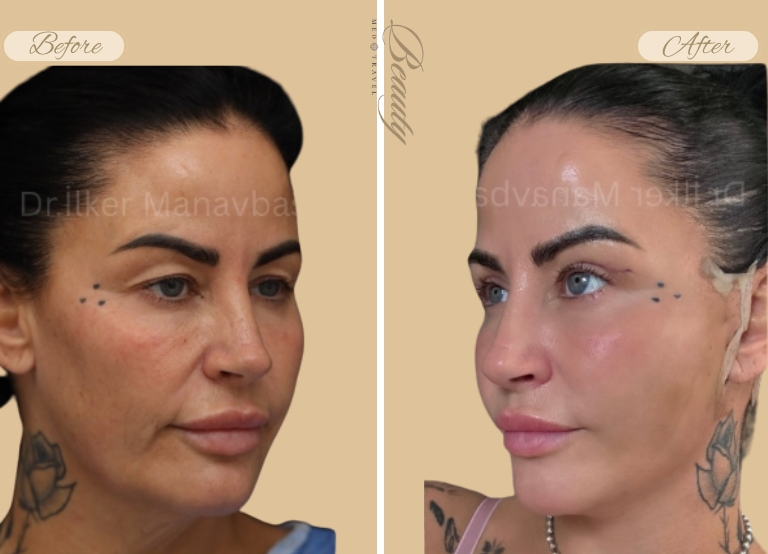
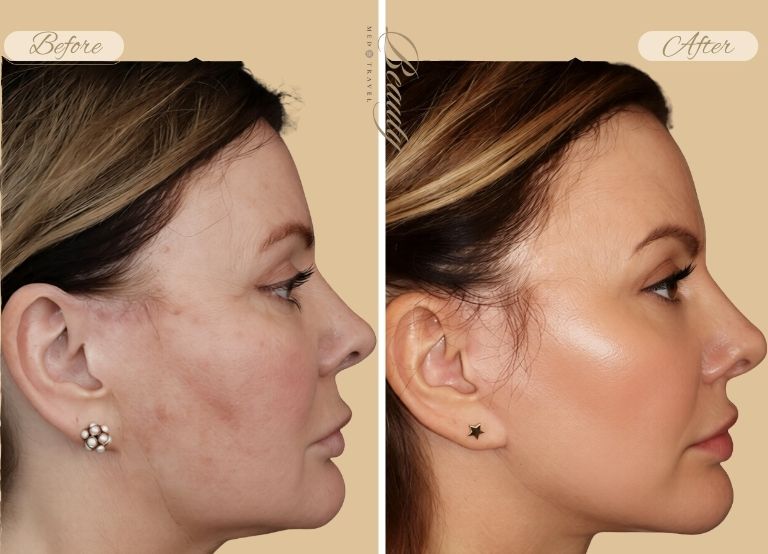
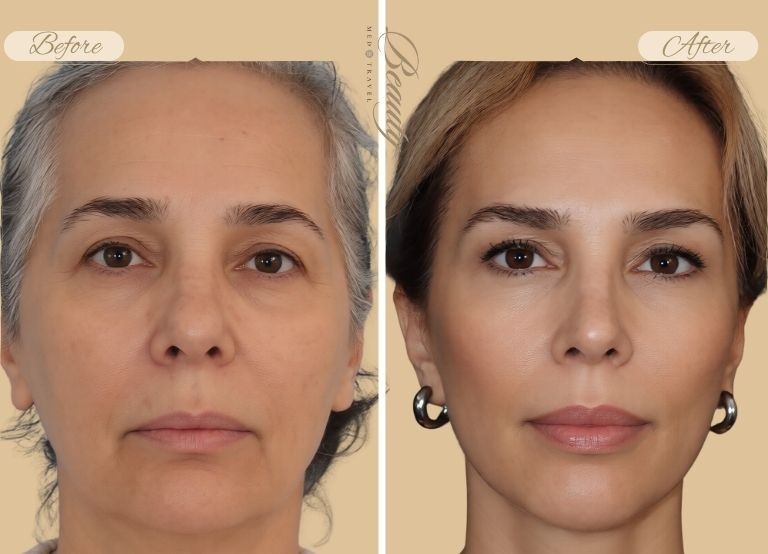
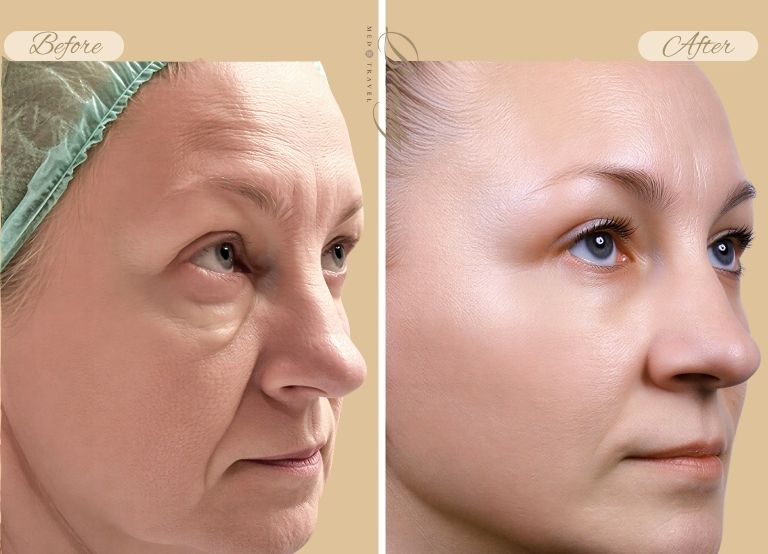
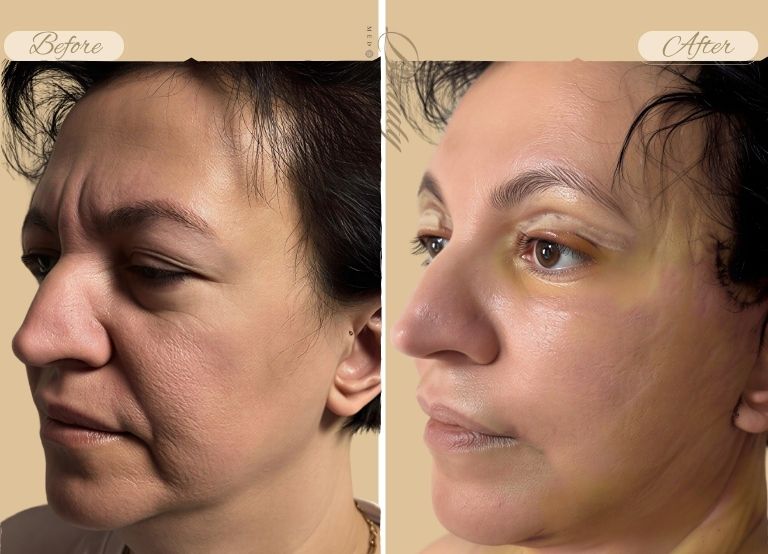
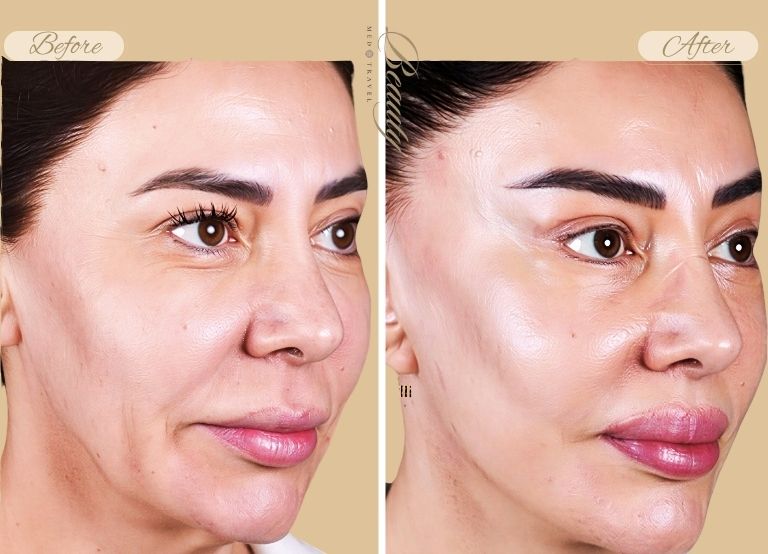
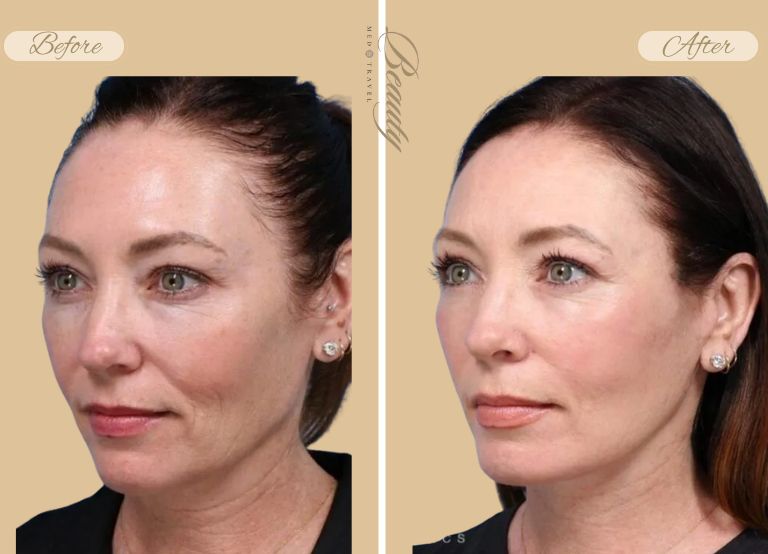
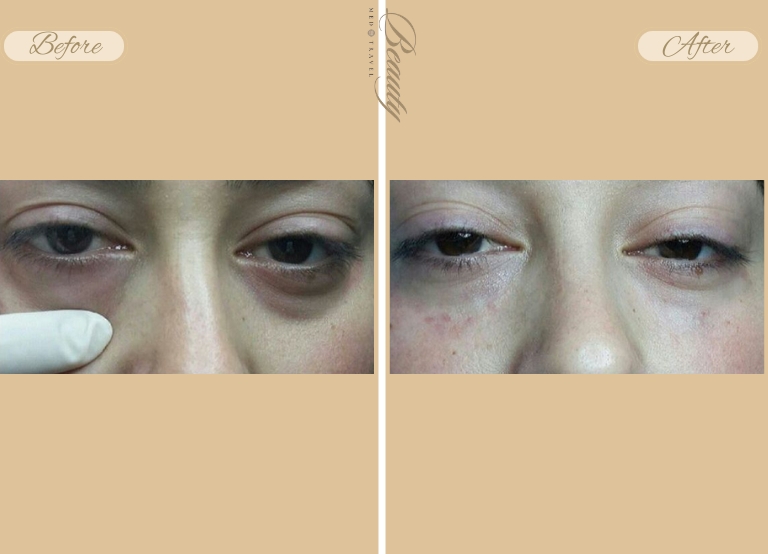
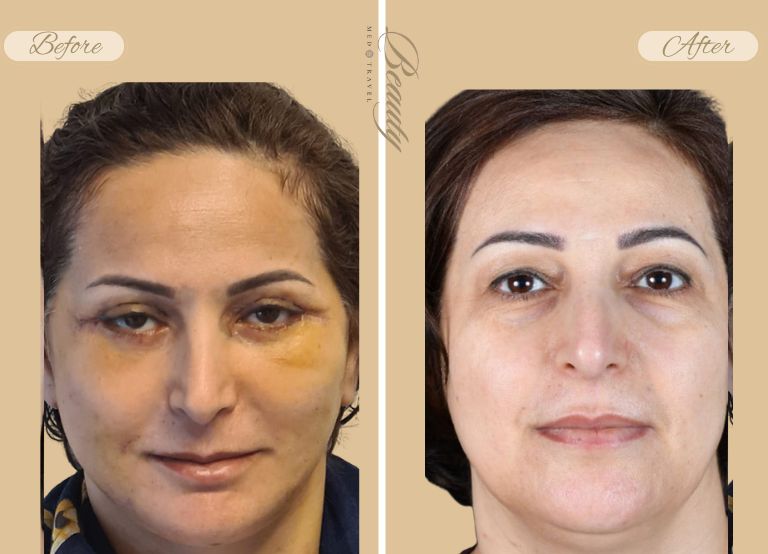
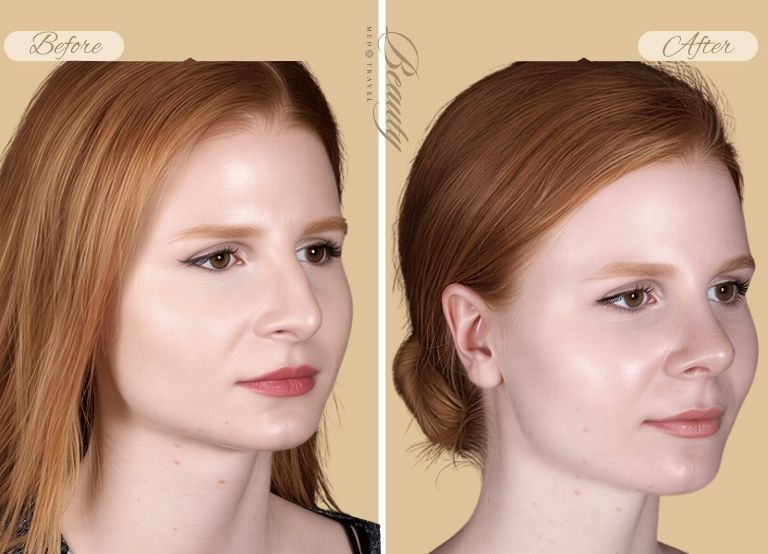
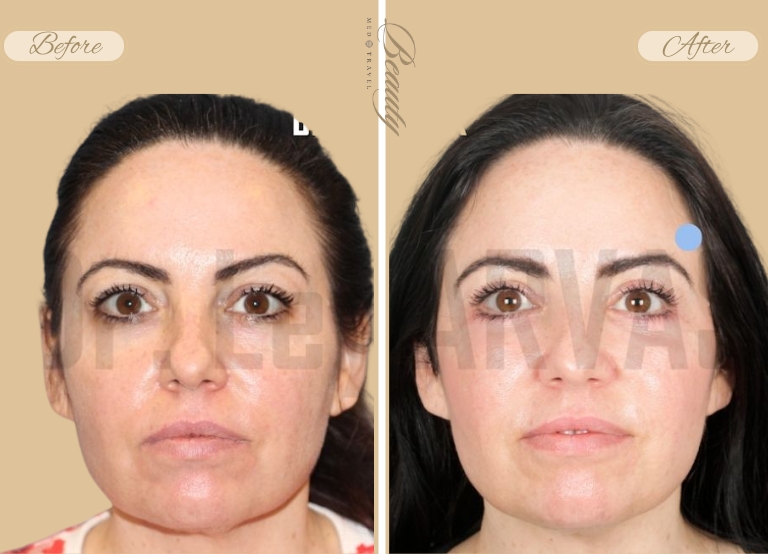
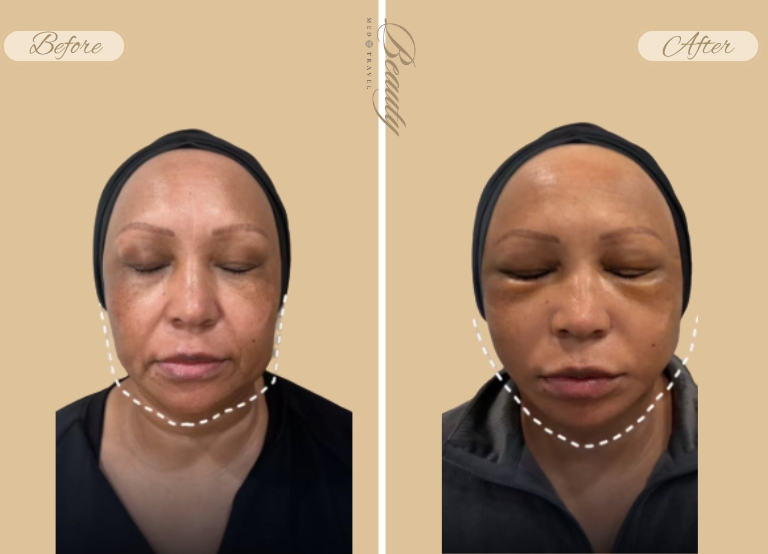
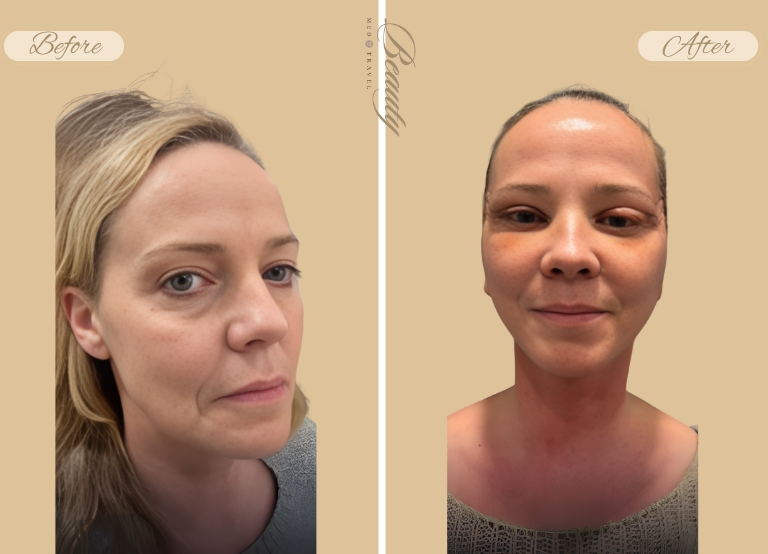
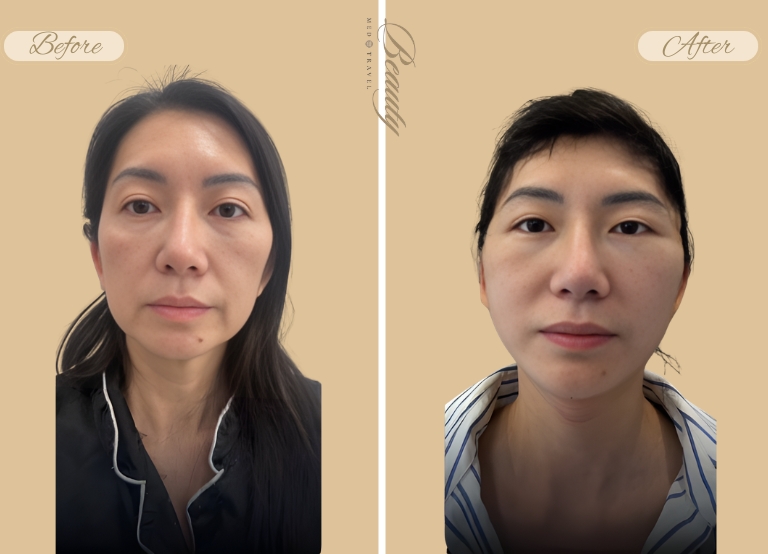
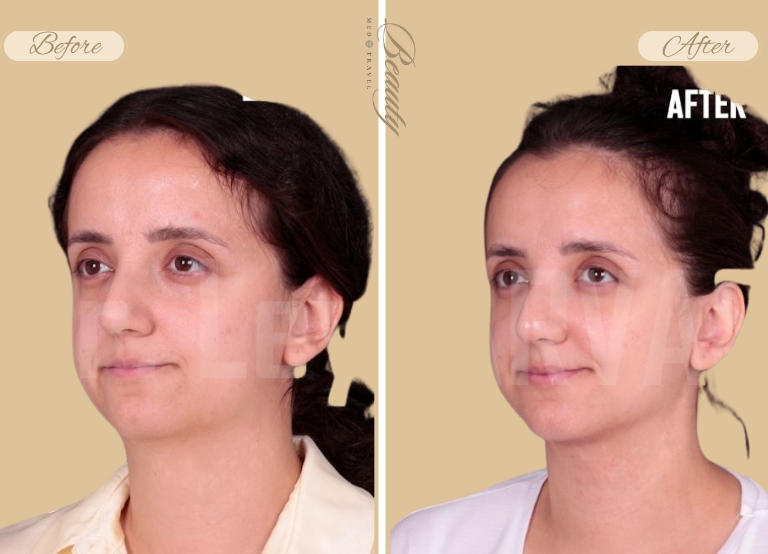
Facelift procedures at the clinic include deep plane facelift, mid-face lift, SMAS-based facelift techniques, and neck lift surgery. These procedures are often combined with complementary facial treatments such as eyelid surgery (blepharoplasty), lip lift, and fat grafting to address both skin laxity and facial volume loss.
What International Patients Need to Know Before Traveling to Turkey
Stay Duration
You should plan your stay based on the type of procedure rather than a fixed number of days. Most patients need around 7 to 10 days for initial recovery, follow-up checks, and early healing assessment. However, more complex procedures may require a longer stay of up to 14 days or more to allow proper monitoring and safe travel clearance.
Travel Considerations
Before you travel back to your country, it is important to receive proper follow-up sessions and medical clearance from your surgeon. Flying too soon after surgery can increase swelling, discomfort, and fluid buildup. It can also put pressure on healing tissues due to cabin conditions and prolonged sitting, which may affect circulation and slow recovery.
Recovery Support
After surgery, you will need wound care, medication tracking, and regular checks to manage post-surgical swelling and healing.
Some clinics handle this through scheduled in-person visits and direct surgeon review, while others leave most of it to basic instructions. Therefore, you must confirm how often your recovery will be monitored by the clinic for comprehensive support.
International Patient Journey (Step-by-Step)
Research
Start by shortlisting clinics based on procedure-specific expertise, not just overall ratings. Focus on where surgeries are performed, surgeon credentials, and consistent patient results. At this stage, avoid making decisions based solely on price. Instead, compare safety standards, clinical setup, and how transparent the clinic is about the full treatment process.
Consultation
The consultation should go beyond basic questions. You should receive a clear surgical plan, a risk explanation, and expected outcomes specific to your case. A proper consultation also includes reviewing your medical history and assessing suitability for the procedure. If the response feels generic or rushed, it usually means the clinic is not focusing on personalized care.
Matching
Once your case is evaluated, you should be matched with a surgeon who regularly performs your specific procedure. This step is important because not all plastic surgeons specialize in the same treatments. A strong match considers your anatomy, goals, and risk factors instead of assigning you to whoever is available.
Travel
After confirming your plan, travel arrangements are finalized. This usually includes booking flights, accommodation, and scheduling your procedure timeline. Many clinics help coordinate these details to keep the process organized. Furthermore, you should arrive at least one day before surgery for pre-operative checks.
Surgery
On the day of surgery, final assessments are completed before the procedure. The surgery then takes place in a hospital setting under the supervision of a qualified medical team. After the procedure, you will be monitored for the first 24 hours during the initial recovery phase.
Clear communication about what to expect immediately after surgery is also important at this stage. To manage this, most plastic surgery clinics in Turkey offer multilingual coordinators who help you understand all instructions.
Recovery
During the recovery phase, you will attend scheduled follow-ups for dressing changes, stitch removal if required, and early healing checks. Swelling, bruising, and discomfort are managed with prescribed medication and specific care instructions.
You will also receive clear guidance on sleeping position, movement limits, and hygiene. Following these instructions strictly helps prevent complications and supports better final results.
Return Home
Once your surgeon clears you to travel, you can return home with a structured aftercare plan. This usually includes medication guidelines, activity restrictions, and a timeline for recovery milestones. You should also have direct contact for follow-up questions and scheduled virtual check-ins. In addition, you may need to visit a local doctor for basic monitoring if required.
Full Cost Breakdown for Plastic Surgery in Turkey
| Cost Component |
Typical Price Range |
| Surgery (Procedure Cost) |
$3,000 to $5,500 (standard procedures like rhinoplasty, breast augmentation) |
| Flights |
$150 to $400 |
| Accommodation (5–10 nights) |
$300 to $1,000 |
| Aftercare (medications + follow-ups) |
$100 to $400 |
| Hidden / Additional Costs |
$200 to $1,200 (10–15% contingency for complications, revisions, or extended stay) |
Common Mistakes Patients Make When Choosing Clinics in Turkey
- Relying only on a few selected before-and-after photos
- Not confirming who will actually perform the surgery
- Skipping a proper consultation before booking
- Choosing clinics that offer the same treatment plan to every patient
- Not checking how recovery is handled after discharge or return home
- Overlooking how much time the clinic allocates per patient
- Not reviewing what is actually included in the full treatment plan
- Choosing based on convenience, like the hotel and transport, instead of the medical setup
- Ignoring how clearly the clinic explains risks and limitations
- Rushing the decision without comparing multiple options
How Surgeons in Turkey Plan Your Surgery?
1. Initial Case Review
The process starts with reviewing your photos, medical history, and procedure goals. This helps the surgeon decide whether you are a suitable candidate for the specific procedure and identify any risk factors early.
2. Detailed Anatomical Assessment
Your anatomy is then analyzed based on structure, symmetry, skin quality, and proportions. This step determines which techniques can best suit your condition, rather than applying a standard method.
3. Procedure-Specific Planning
The surgeon defines the exact surgical approach, including technique, incision points, and limitations. They also adjust the plan based on your anatomy, expected healing response, and how the changes will look over time rather than just immediately after surgery.
4. Pre-Operative Preparation
You receive clear instructions on medications, tests, and lifestyle adjustments. These steps are required to reduce risks and prepare your body for surgery.
5. In-Person Evaluation Before Surgery
Before the procedure, the surgeon conducts a direct clinical assessment and reassesses your anatomy. They take precise measurements, mark surgical areas, and refine the plan based on physical examination findings. This step ensures the surgical approach aligns accurately with your physical structure rather than relying only on earlier assessments.
6. Final Plan Confirmation
The surgeon reviews the final surgical plan with you, including expected results, limitations, and recovery timeline. You confirm the details together to ensure full clarity before the procedure.
Recovery Timeline After Plastic Surgery in Turkey
| Duration |
What Happens During This Phase |
| Day 1 to 3 |
Initial recovery starts. You may experience swelling, bruising, and mild discomfort. Medical staff usually monitor you closely during this period. |
| Day 4 to 7 |
Swelling begins to reduce. You may have follow-up checks, dressing changes, or stitch removal depending on the procedure. Light movement is usually encouraged at this stage. |
| Week 2 |
Visible healing improves. Bruising fades, and you can return to light daily activities, but you still need to avoid strain or heavy movement. |
| Week 3 to 4 |
Most external signs of surgery settle. You start feeling more normal, but internal healing is still ongoing, so activity restrictions may continue. |
| Months 2 to 3 |
Results become more noticeable. Swelling reduces significantly, and you can gradually return to more physical activity if approved by your surgeon. |
| Month 3–6 |
Final results continue to refine. Tissues settle, and any remaining swelling resolves, giving a more natural and stable outcome. |
How Beauty Med Travel Helps You Choose the Right Clinic?
At Beauty Med Travel, we start with a detailed case evaluation instead of giving generic recommendations. We review your medical history, goals, and overall suitability for the procedure before suggesting any clinic. Based on this, we match you with surgeons who regularly perform your specific procedure.
Additionally, we provide non-commercial recommendations, which means clinics are not selected based on commissions or availability. Instead, they are selected based on clinical standards, surgeon expertise, facility quality, and how well they align with your specific case and expected outcomes. This approach helps you avoid high-volume, sales-driven setups and focus on safer, more suitable options for your case.



 ×
Verified review
×
Verified review
 Turkey, Istanbul