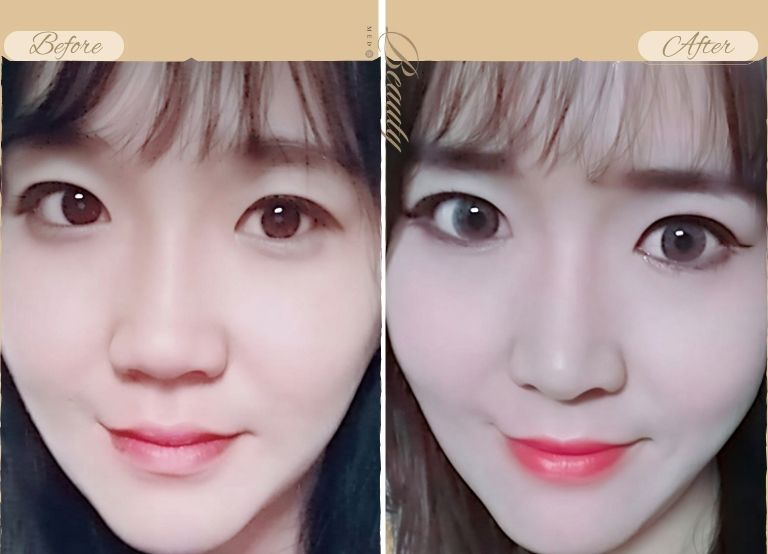
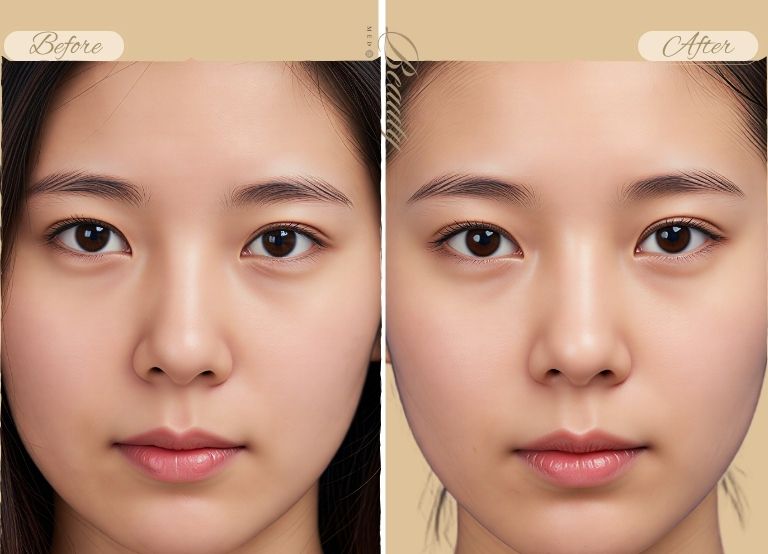
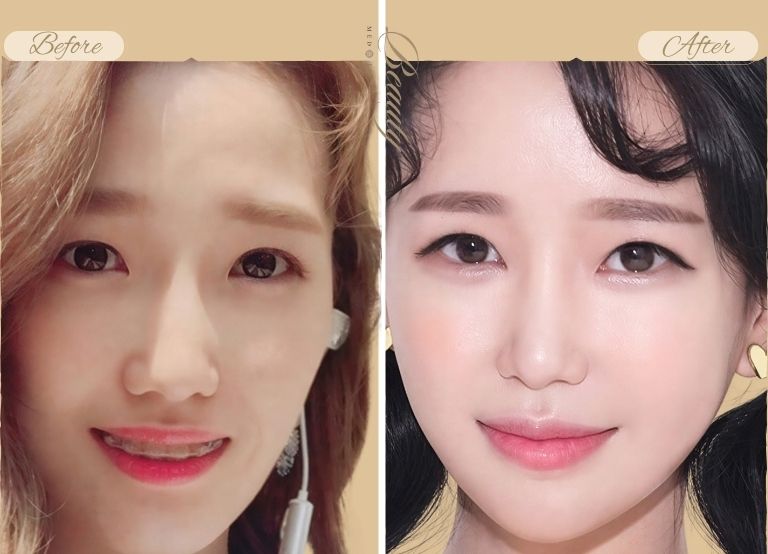
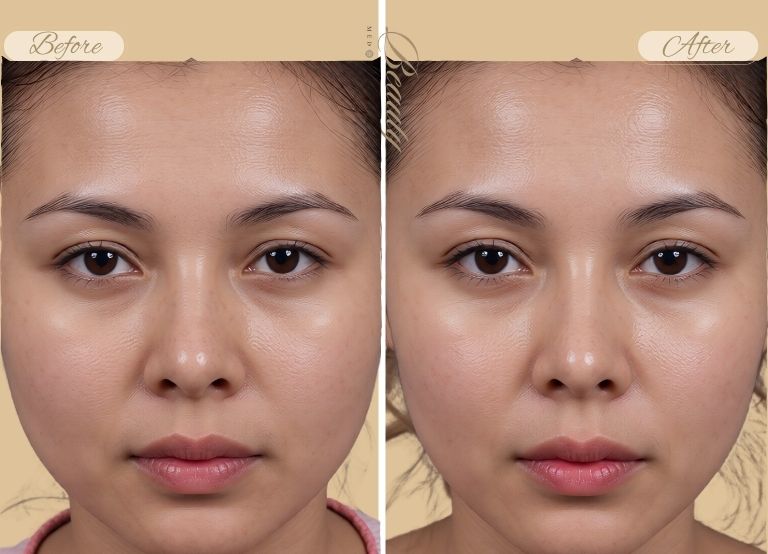
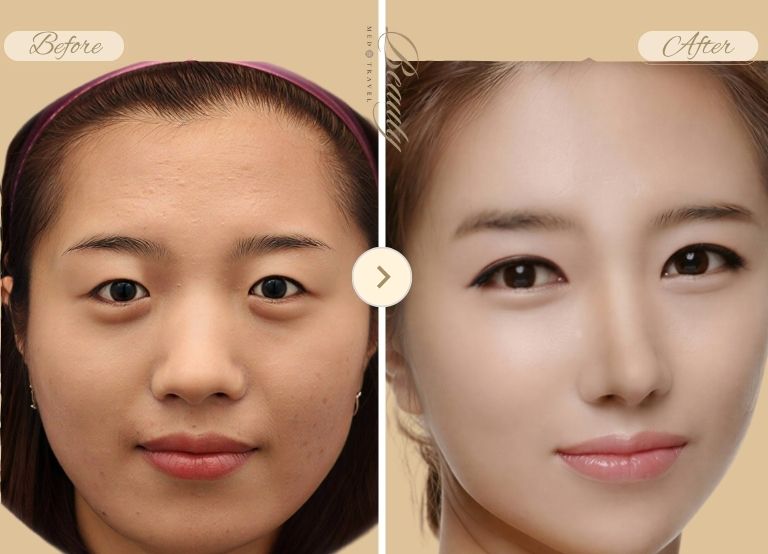
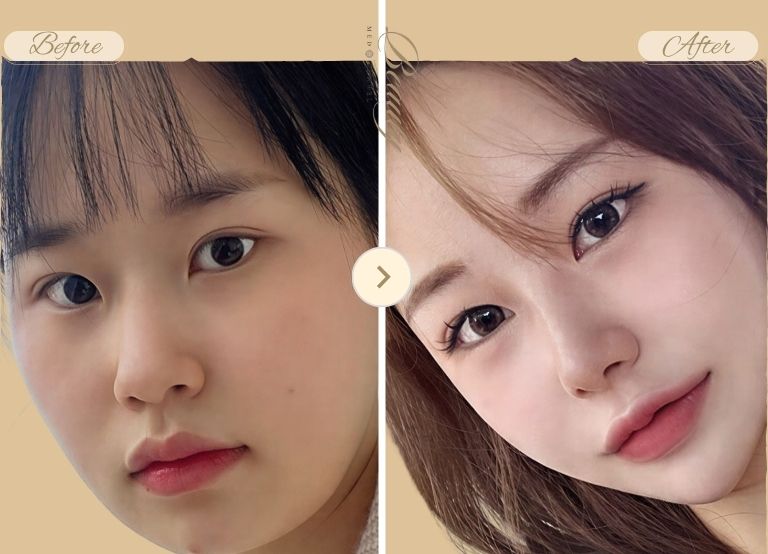
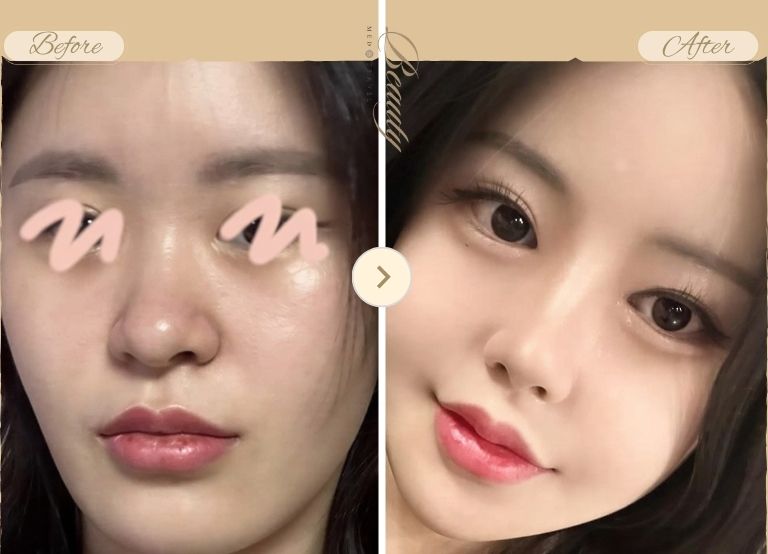
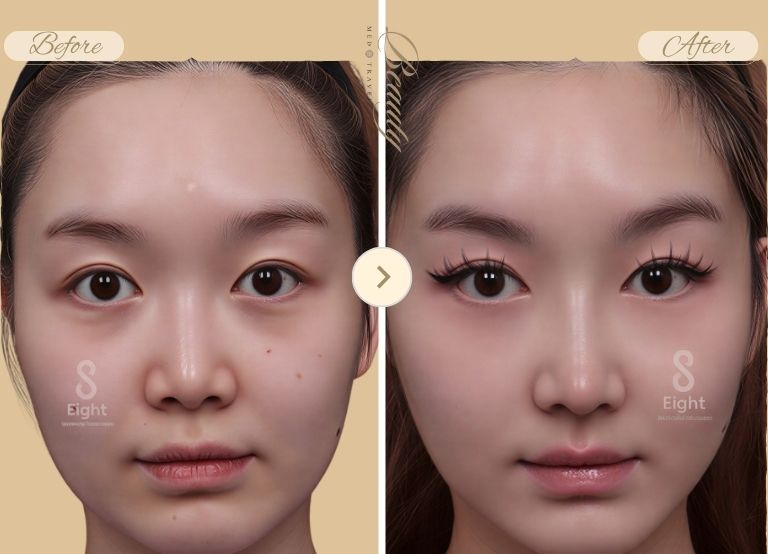
Who Might Not Be The Best Fit
South Korea might not be the best choice if you:
- Want dramatic, highly noticeable changes
- Prefer quick decisions or same-day surgery convenience
- Want full control over surgical decisions without much pushback
- Feel uncomfortable when surgeons suggest less than what you asked for
This last point surprises a lot of people.
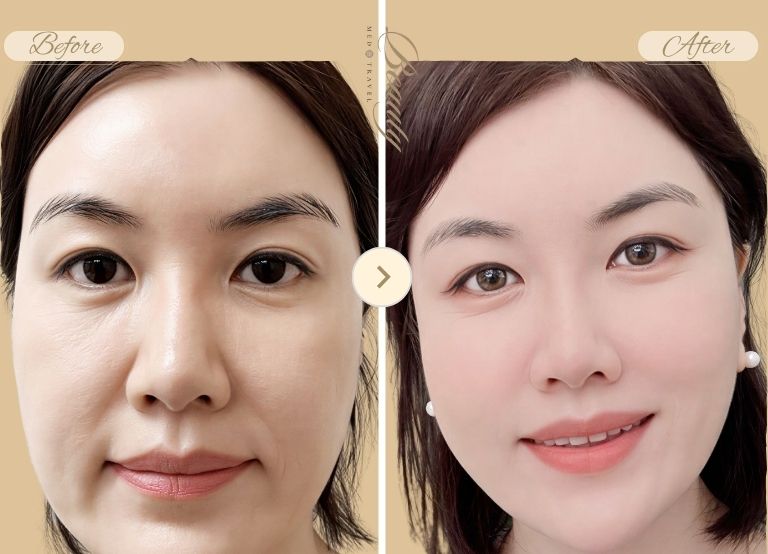
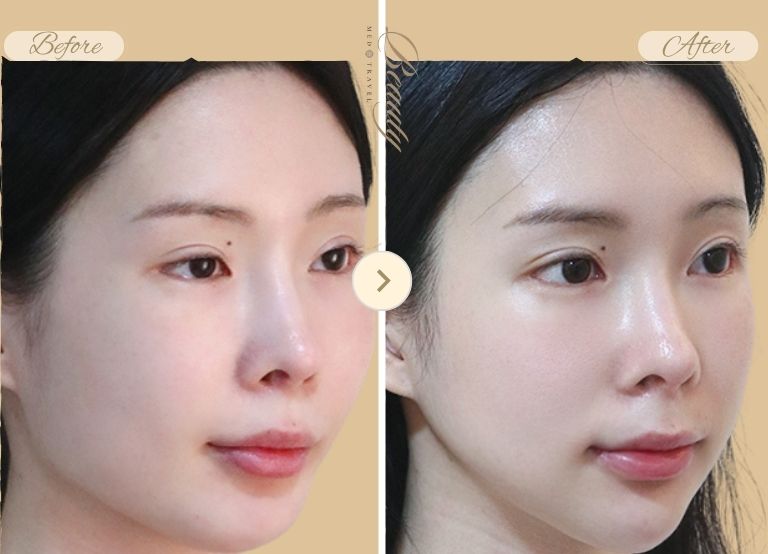
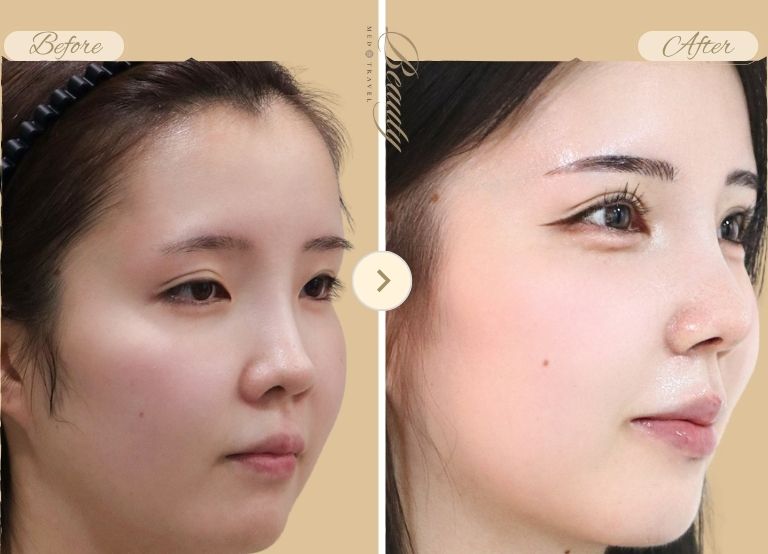
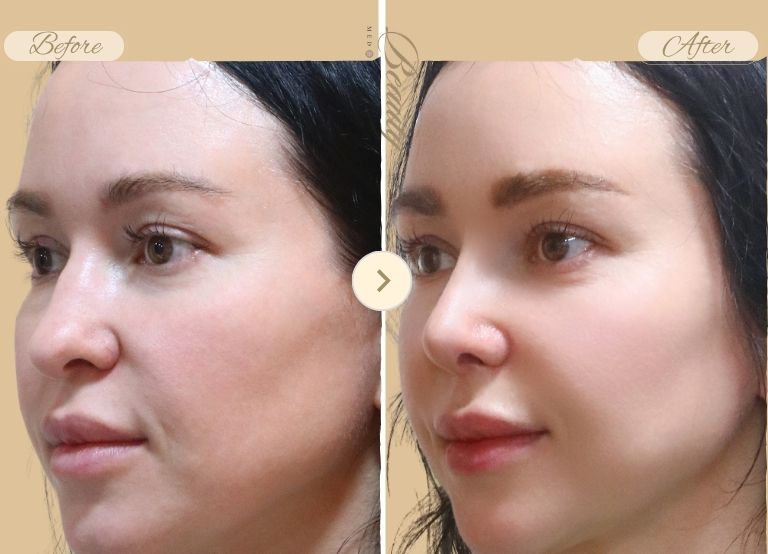
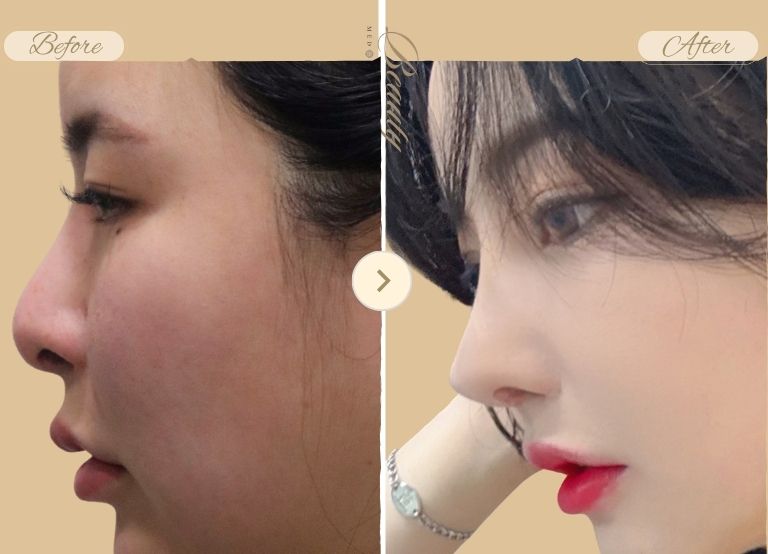
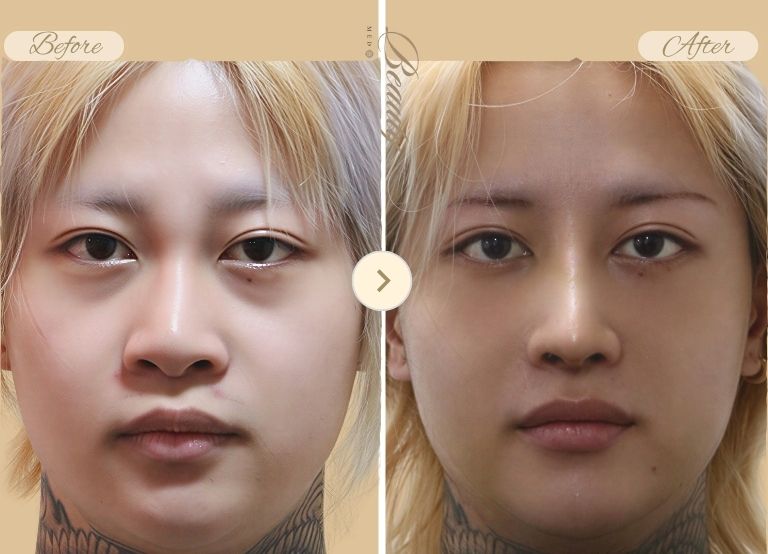
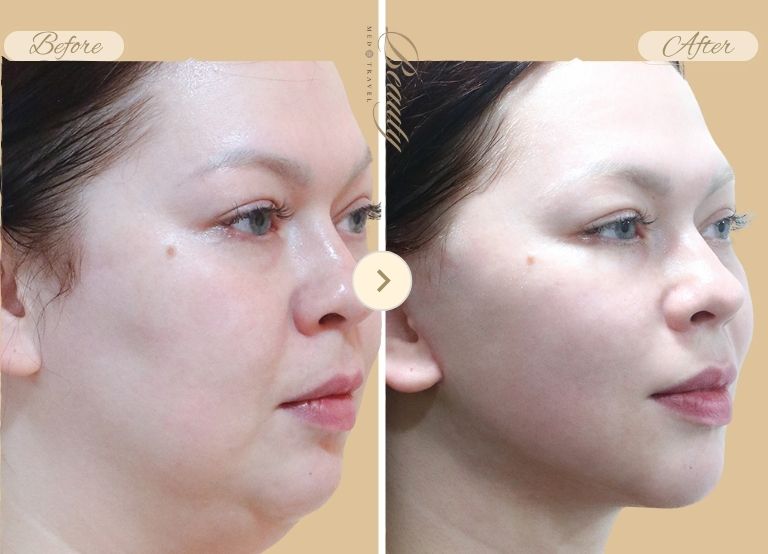
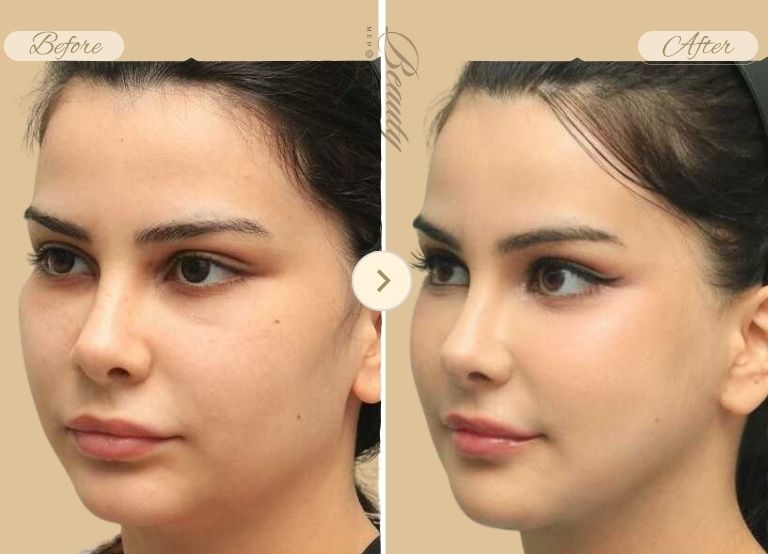
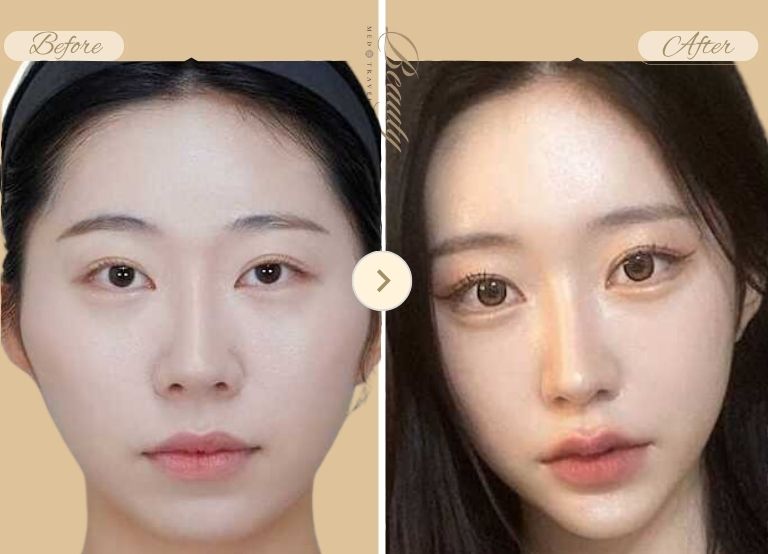
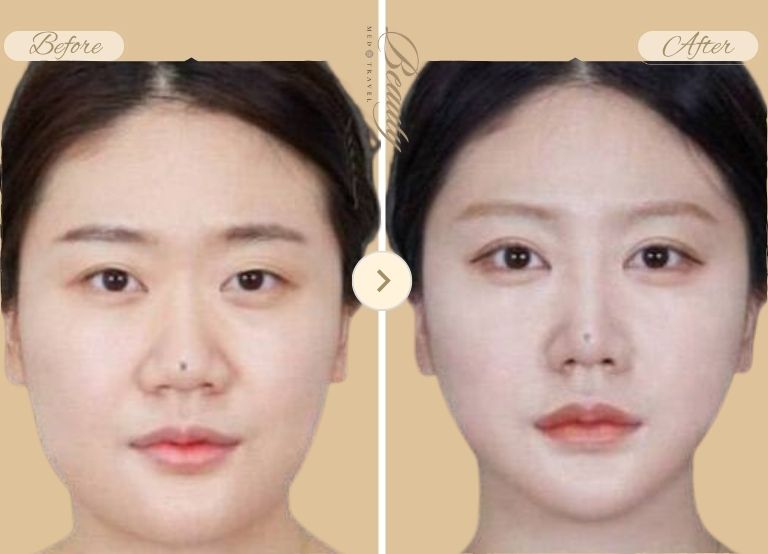
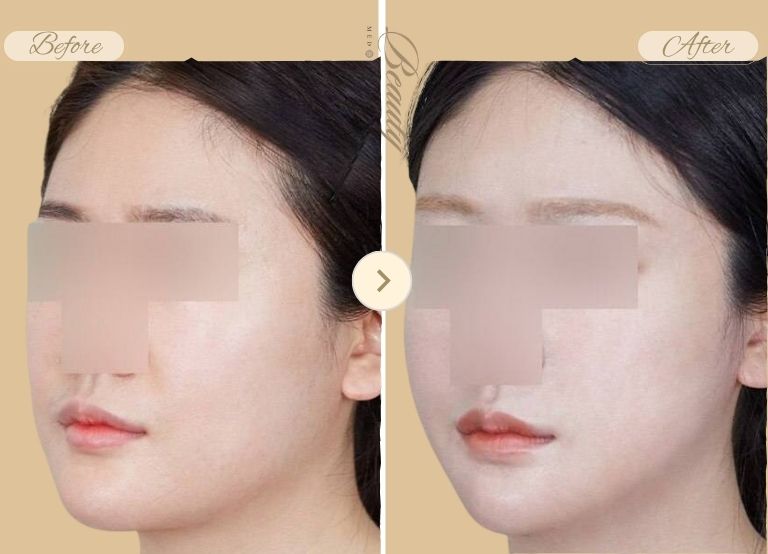
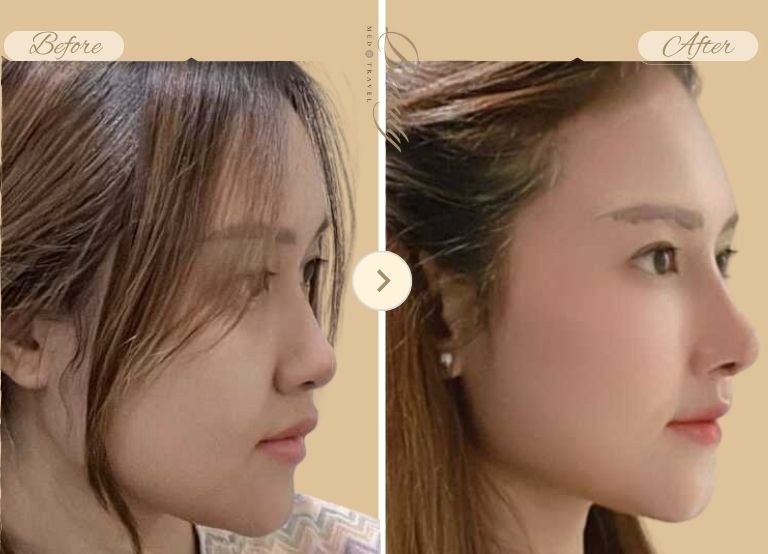
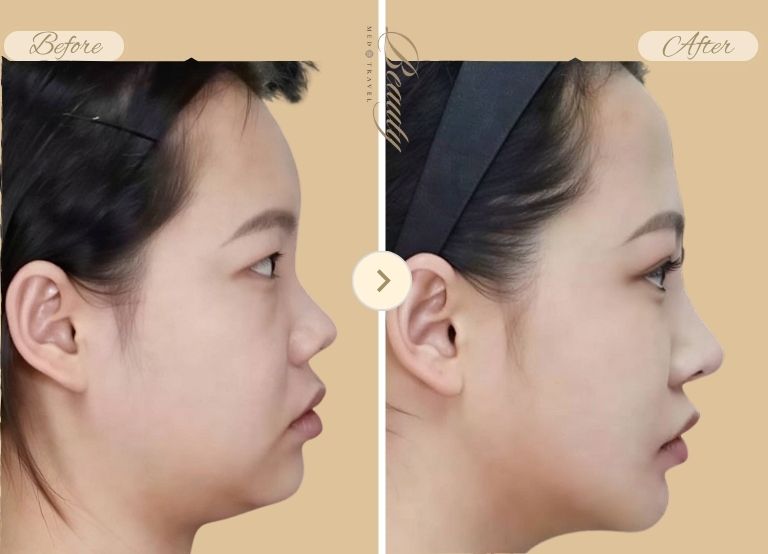
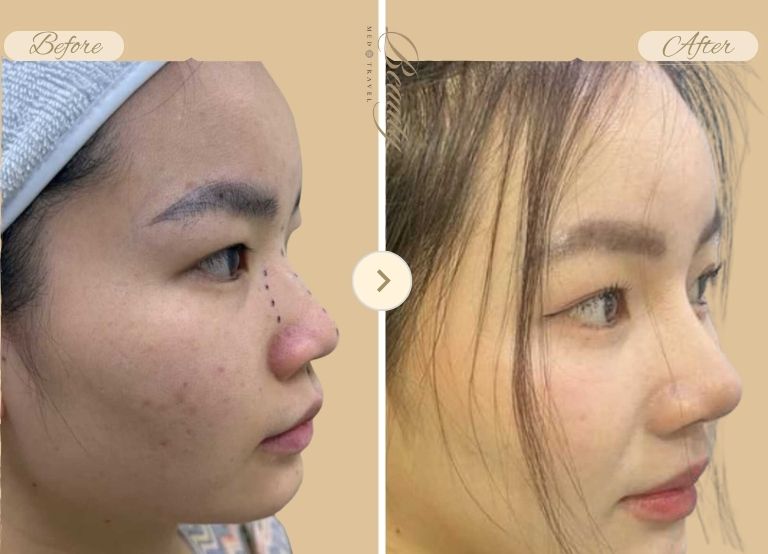
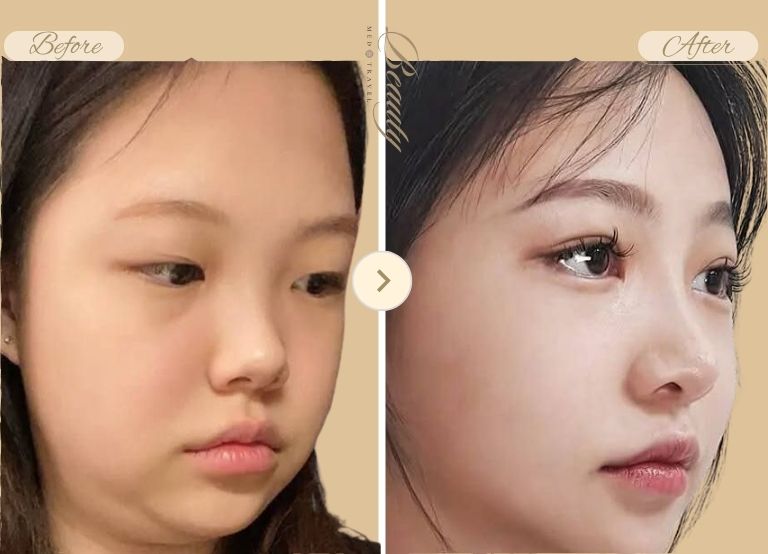
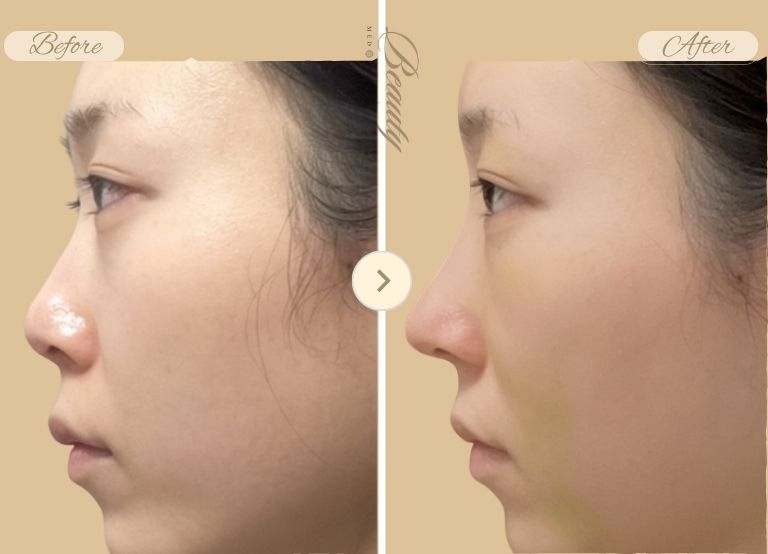
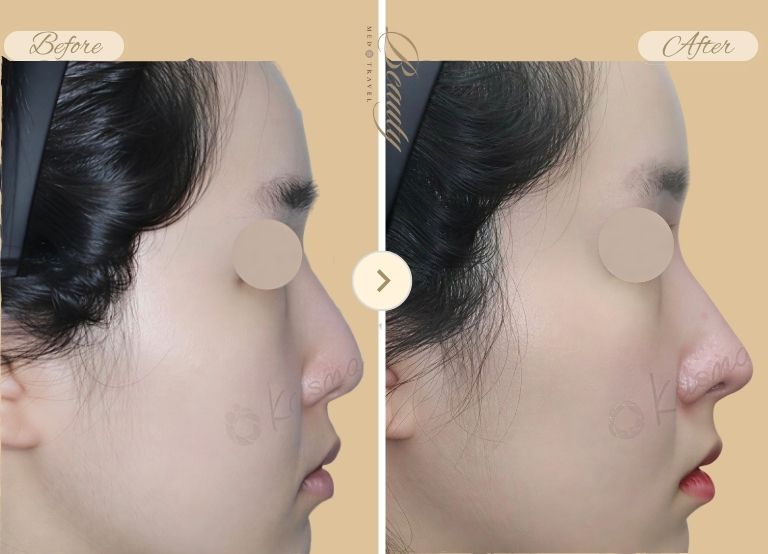
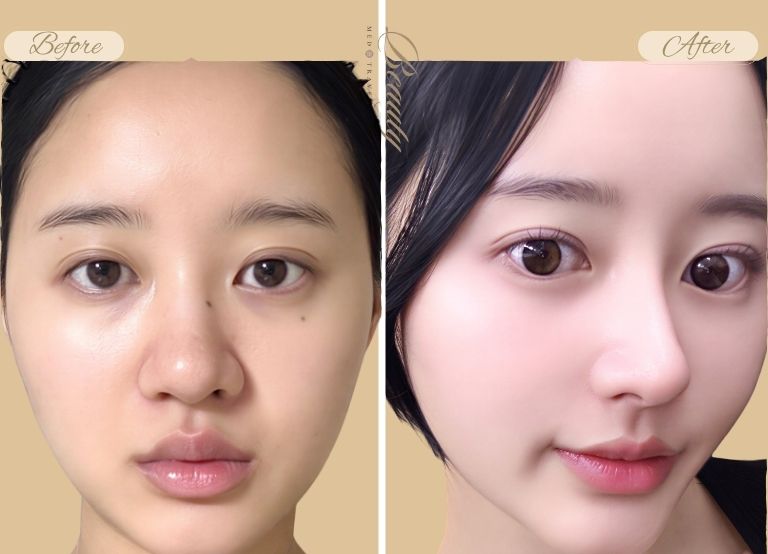
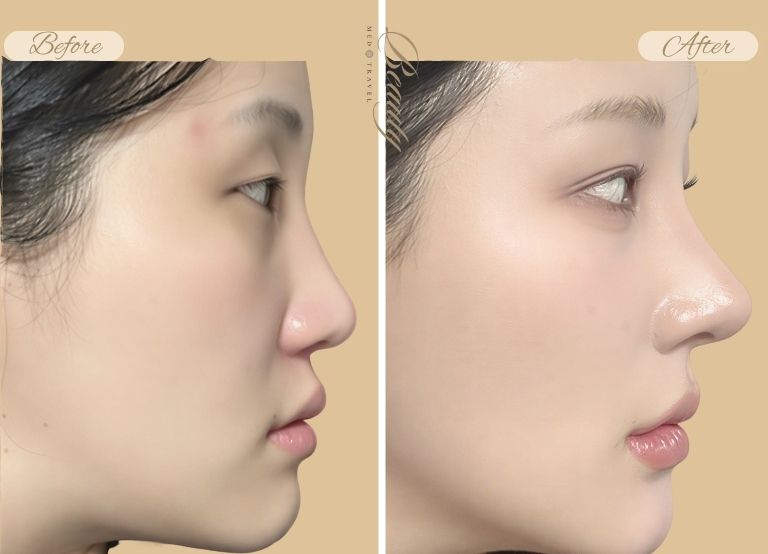
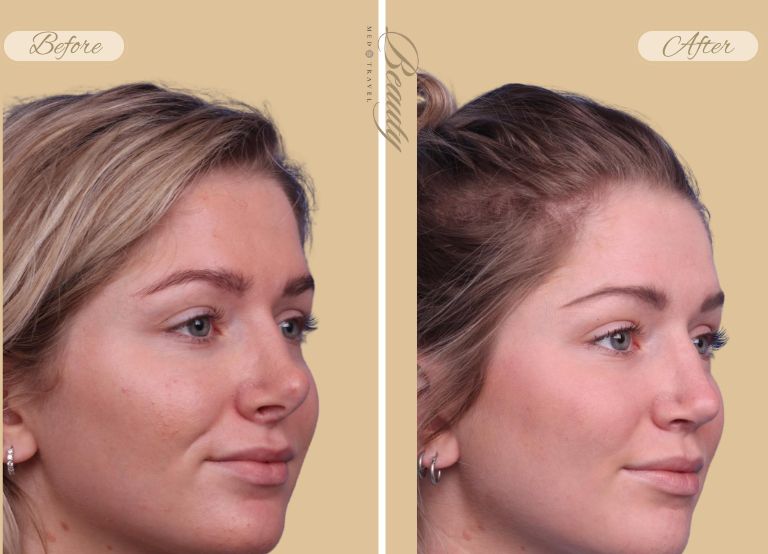
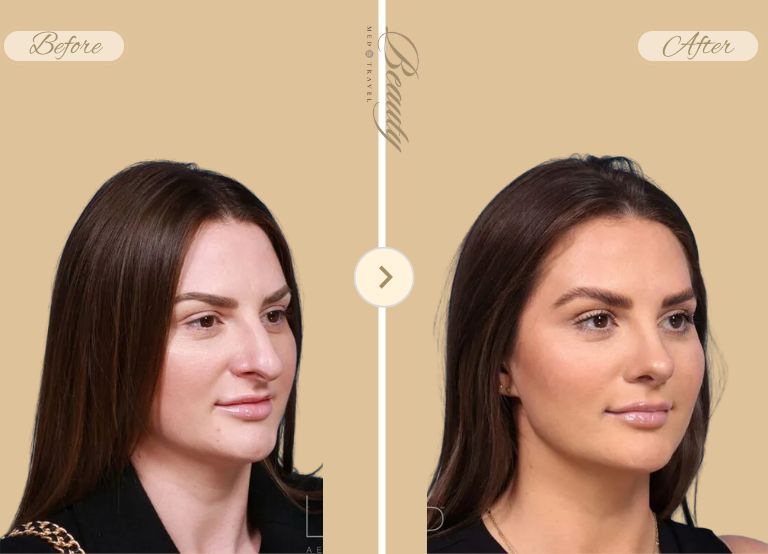
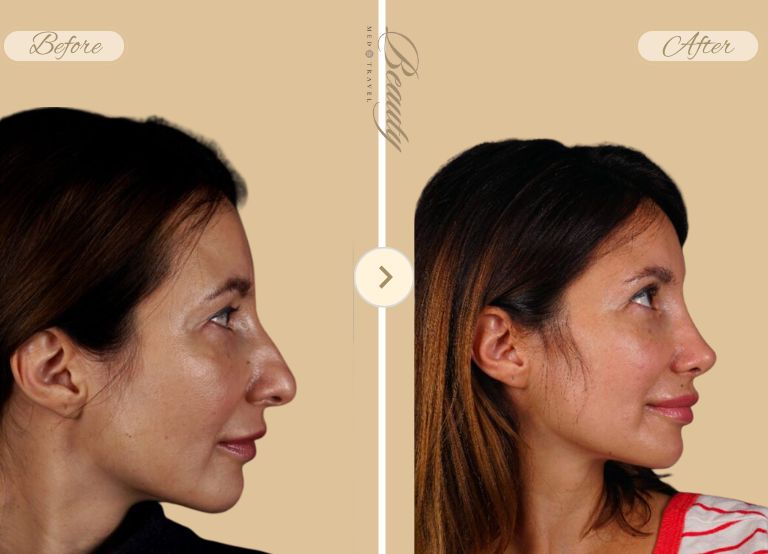
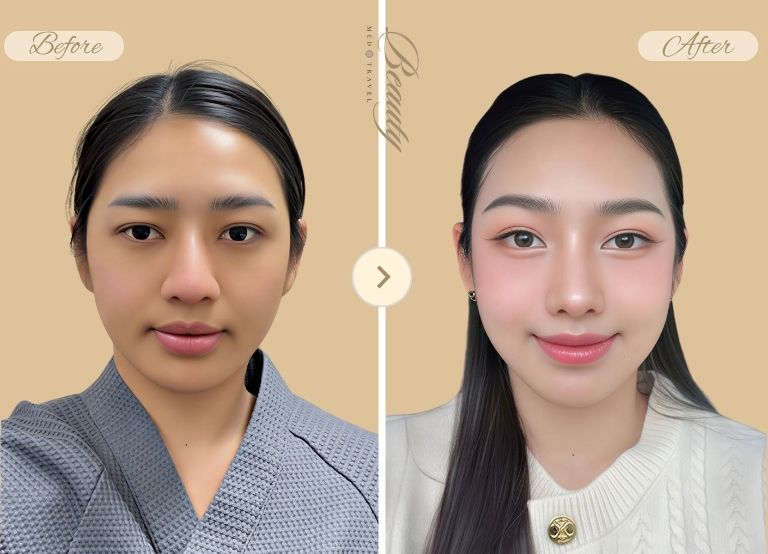
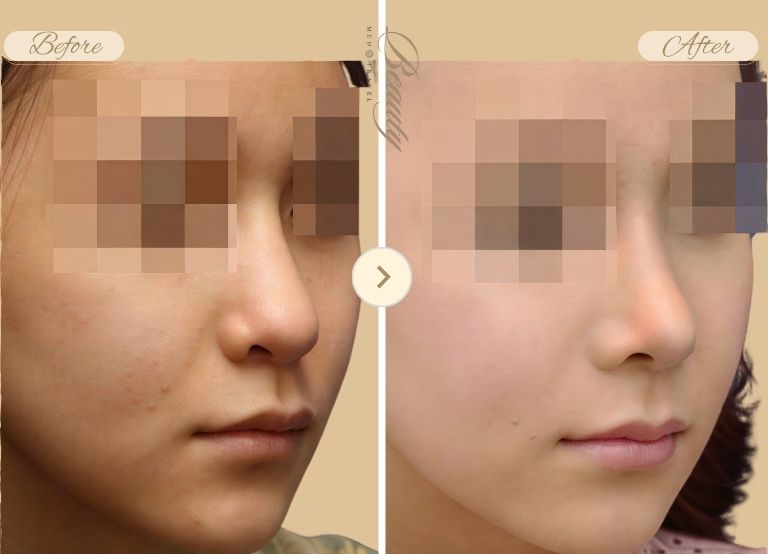
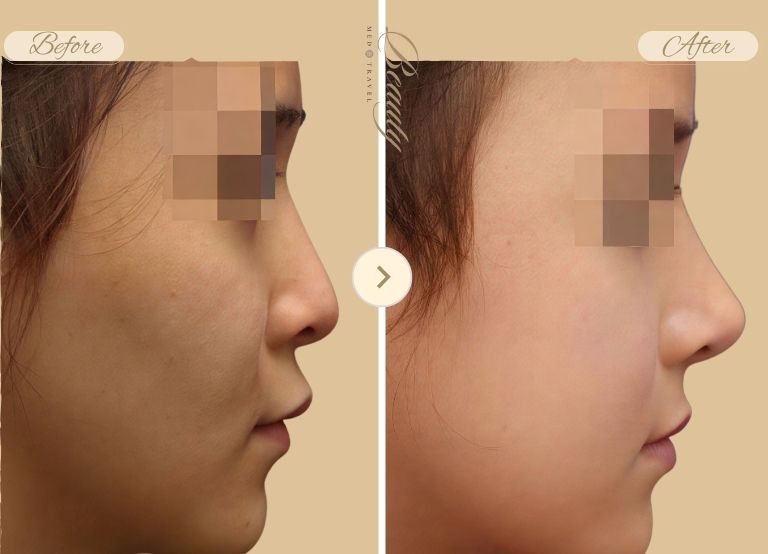
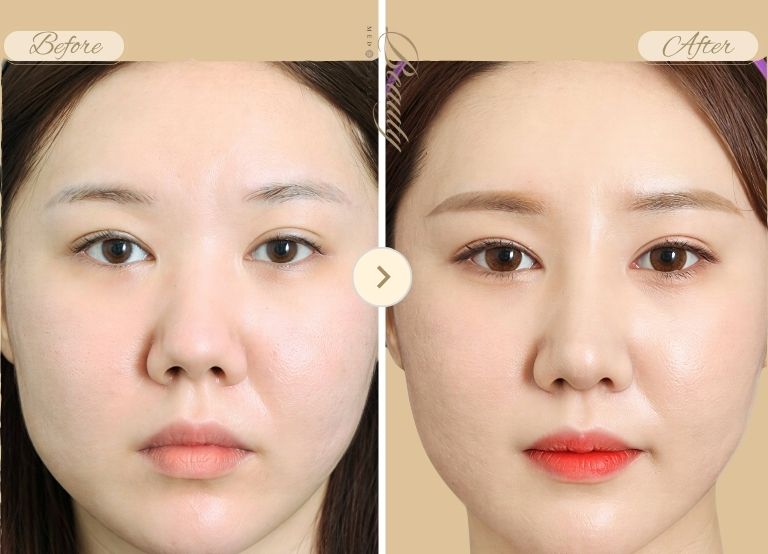
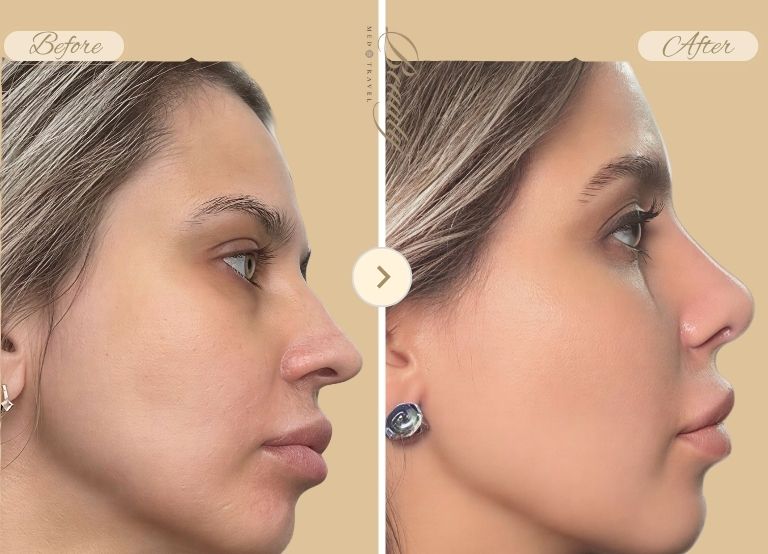
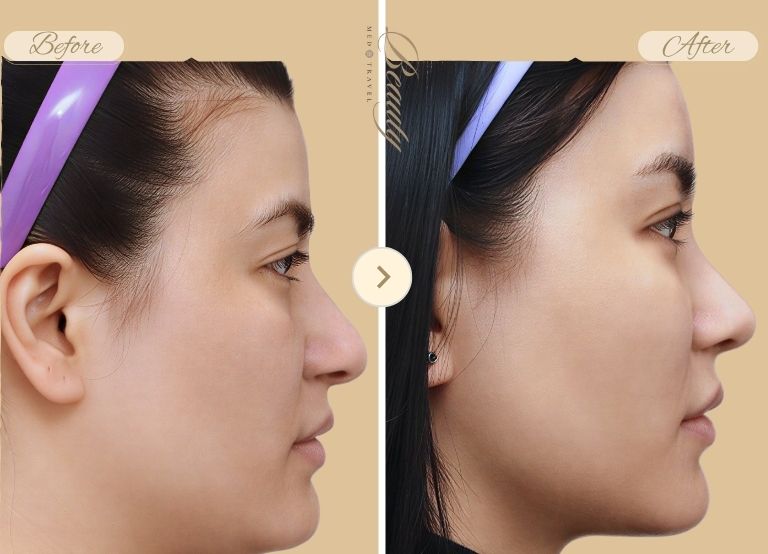
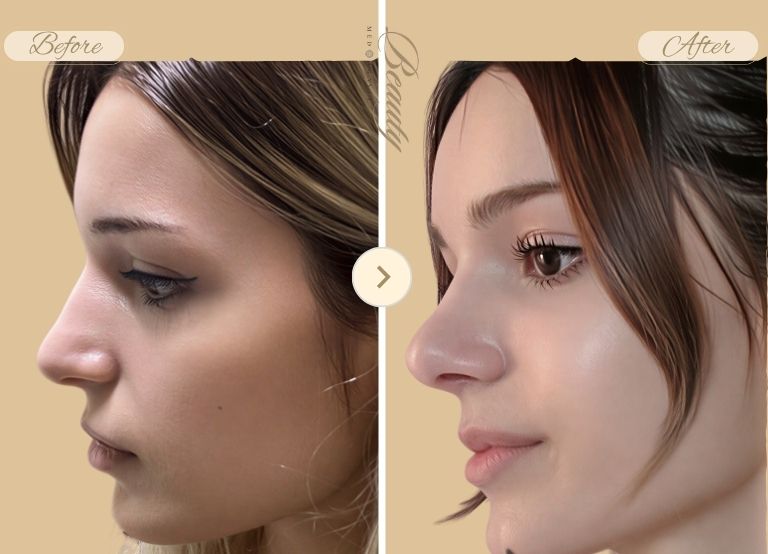
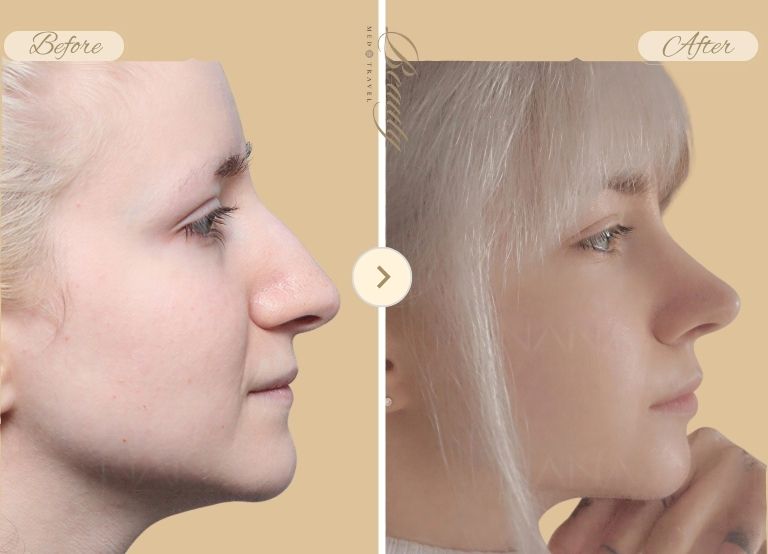
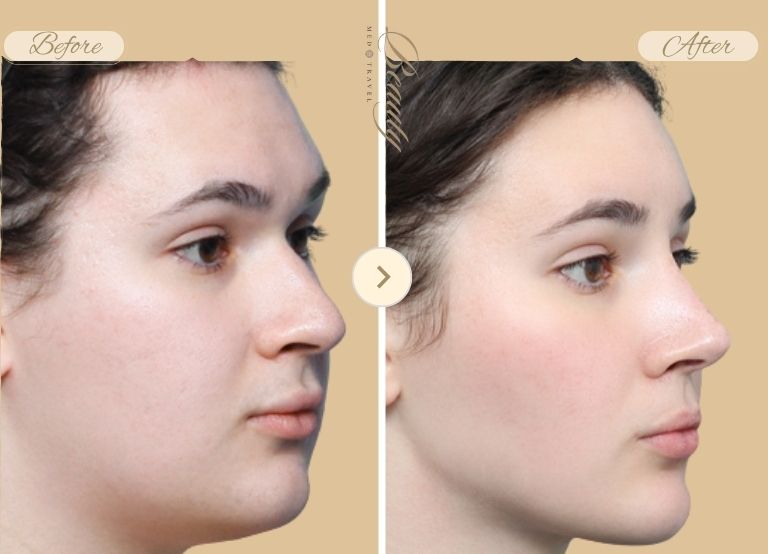
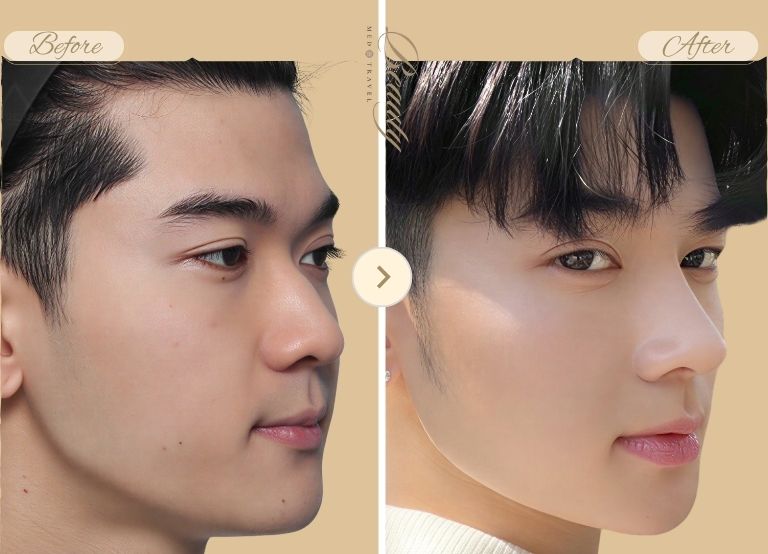
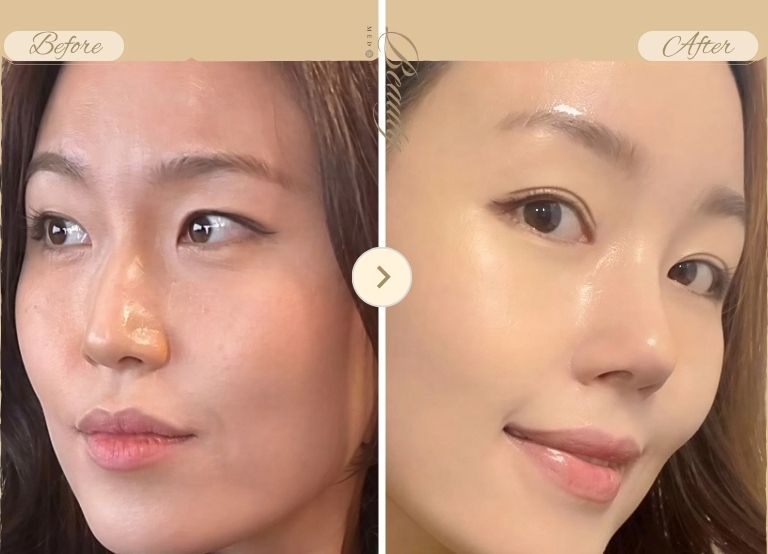
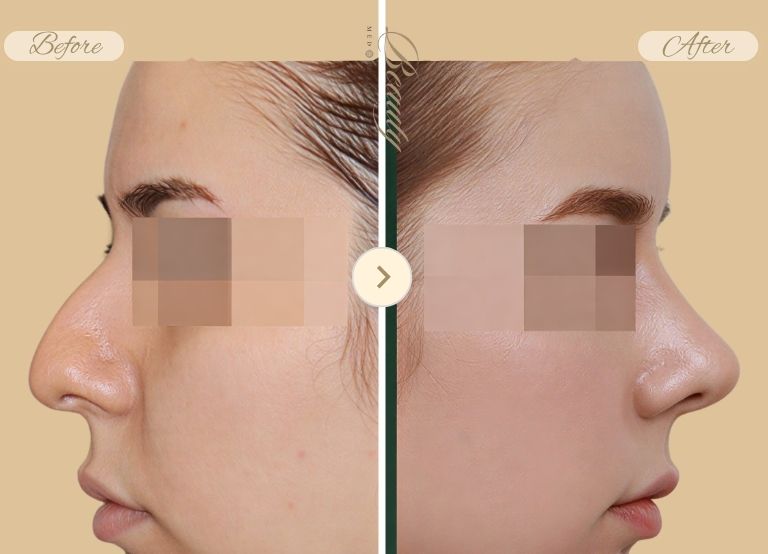
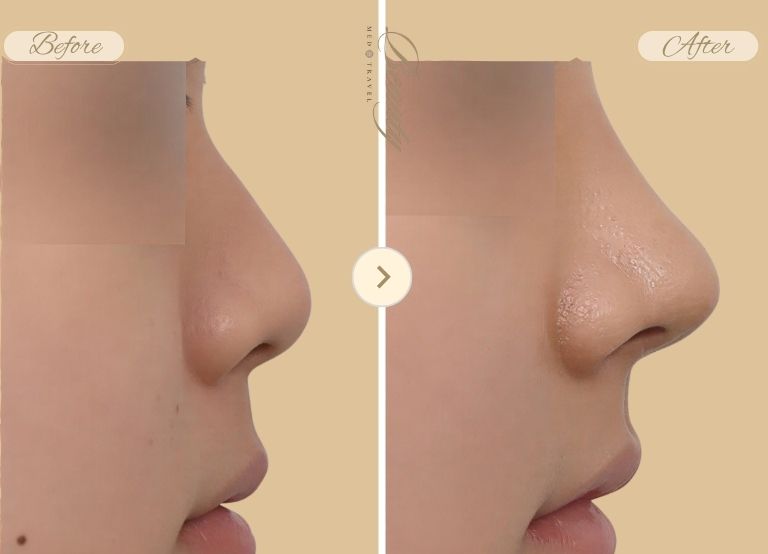
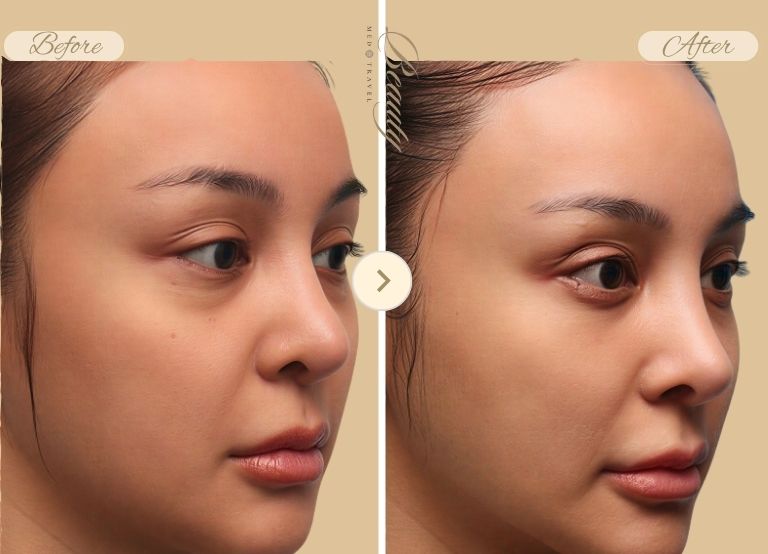
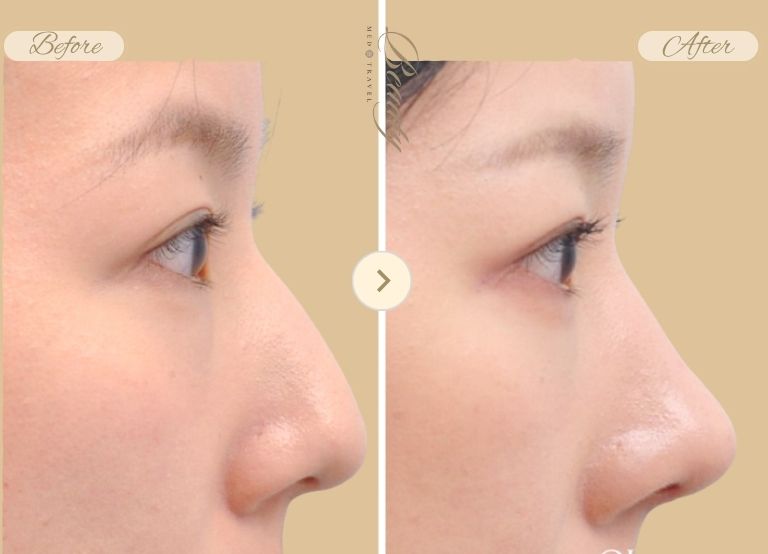
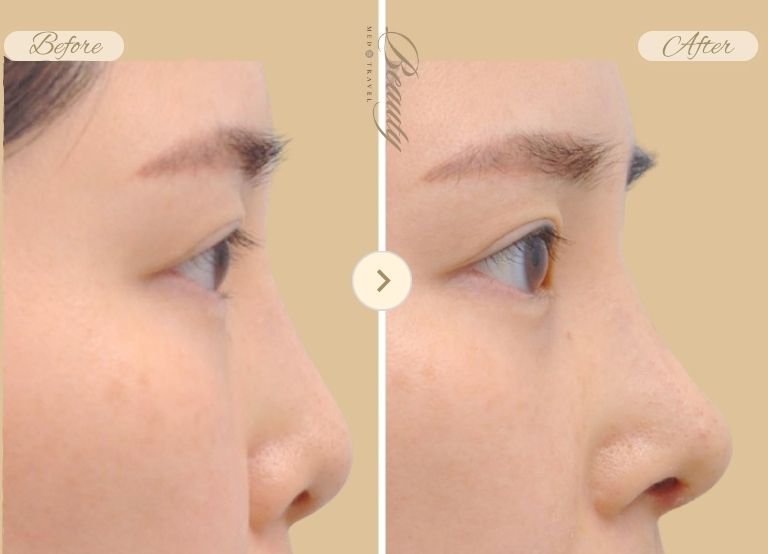
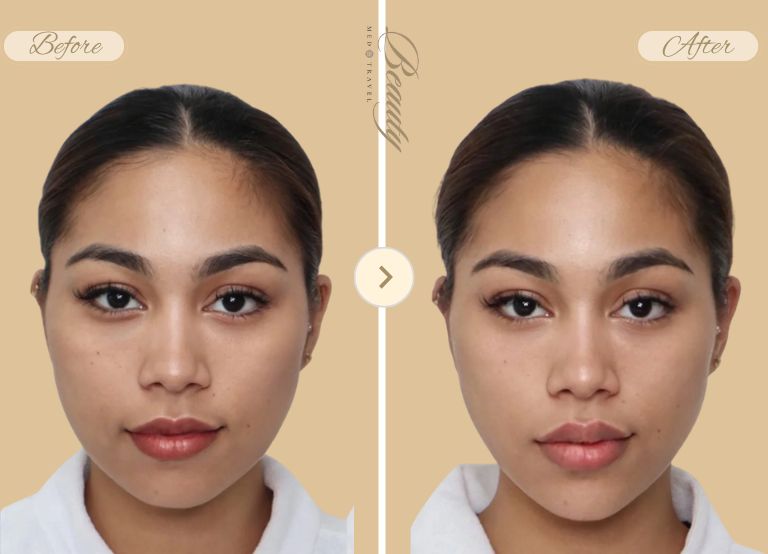
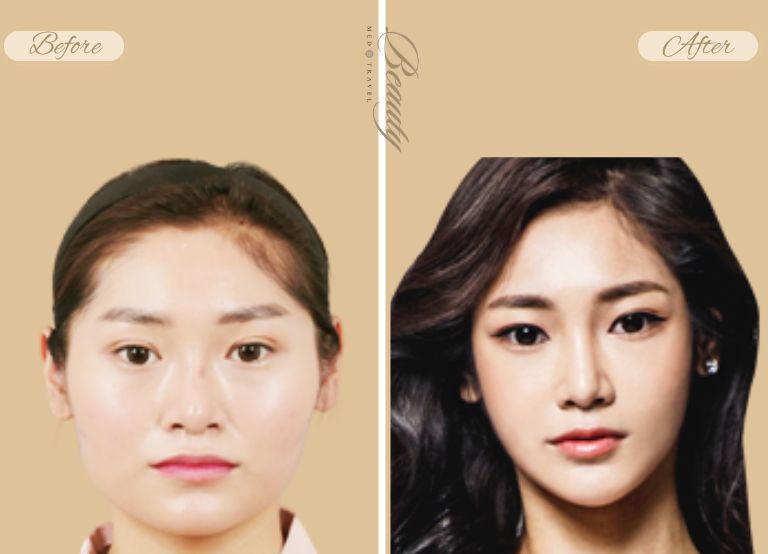
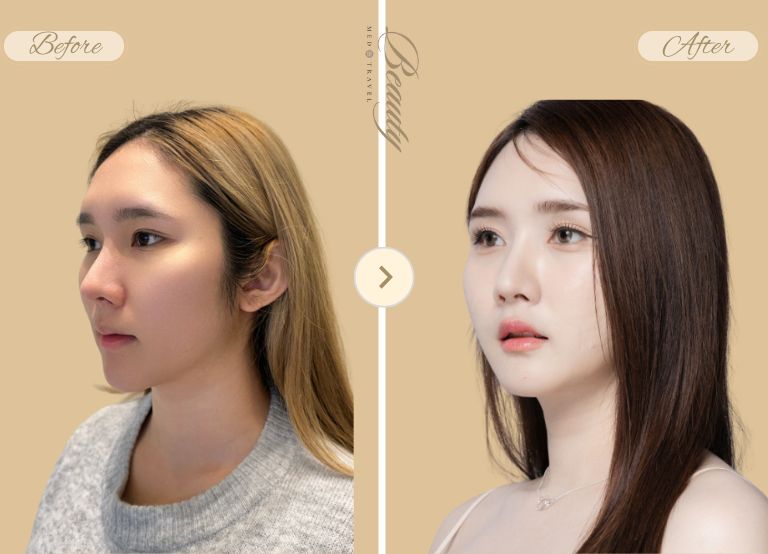
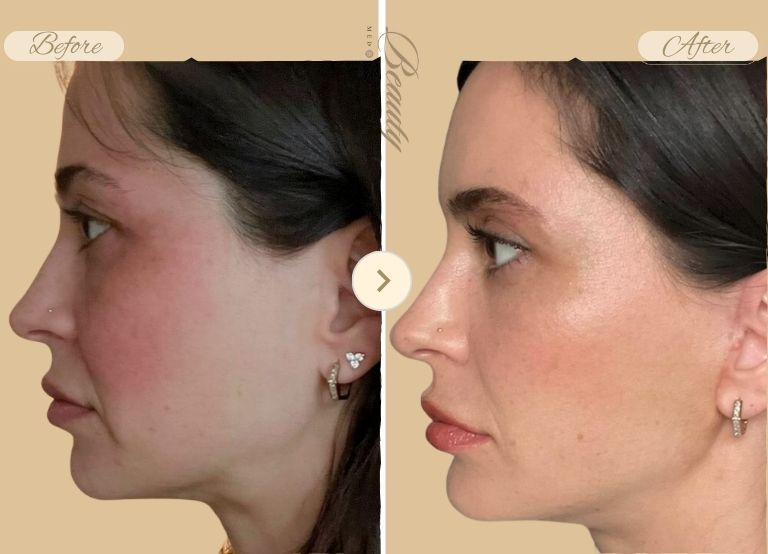
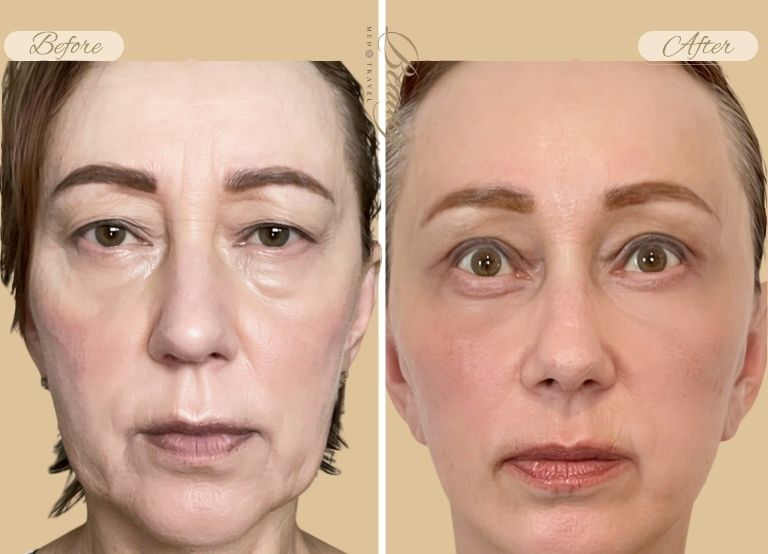
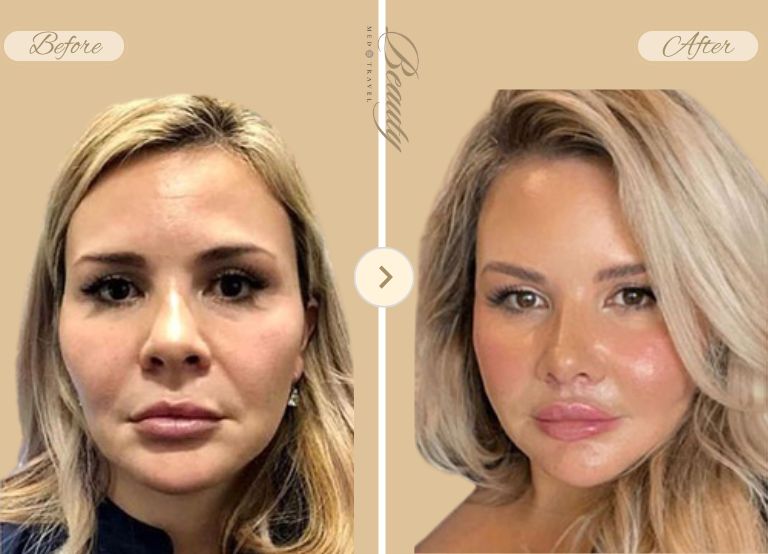
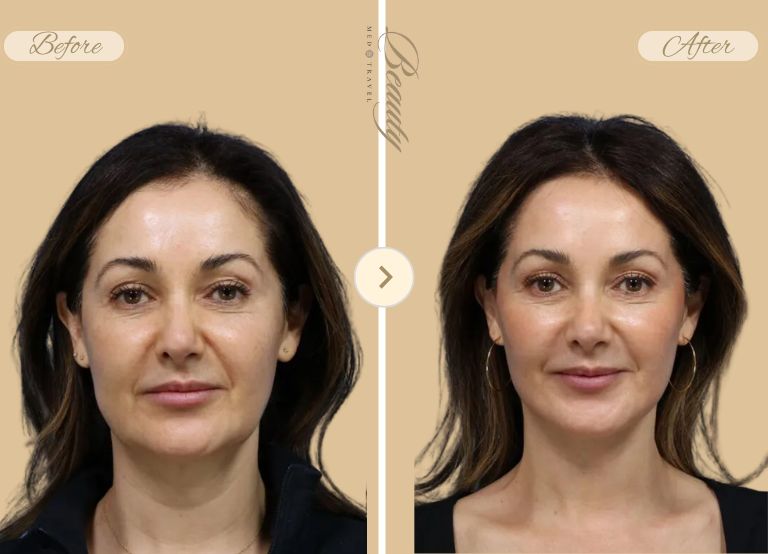
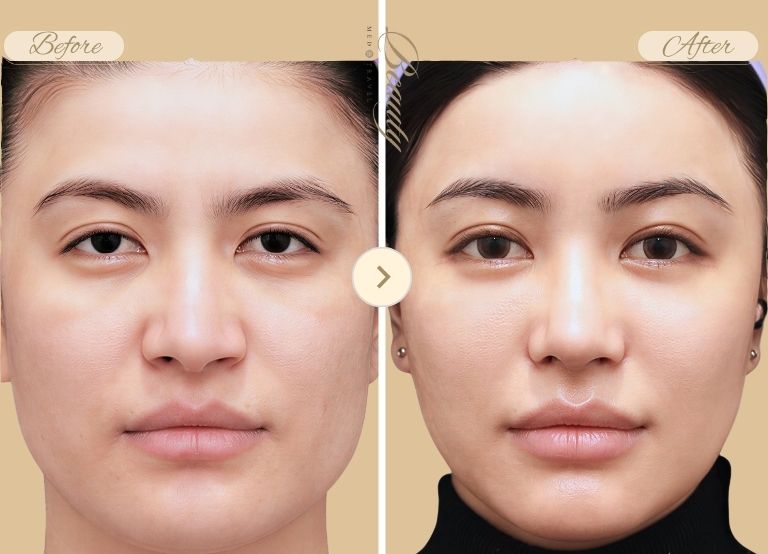
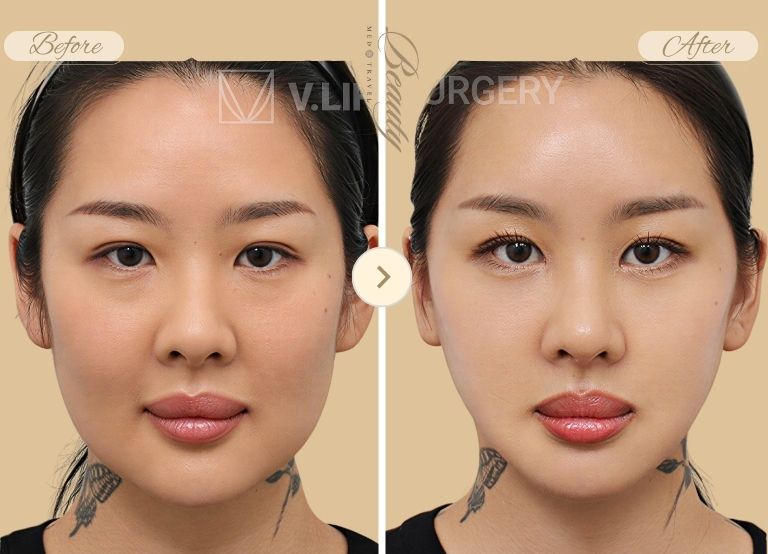
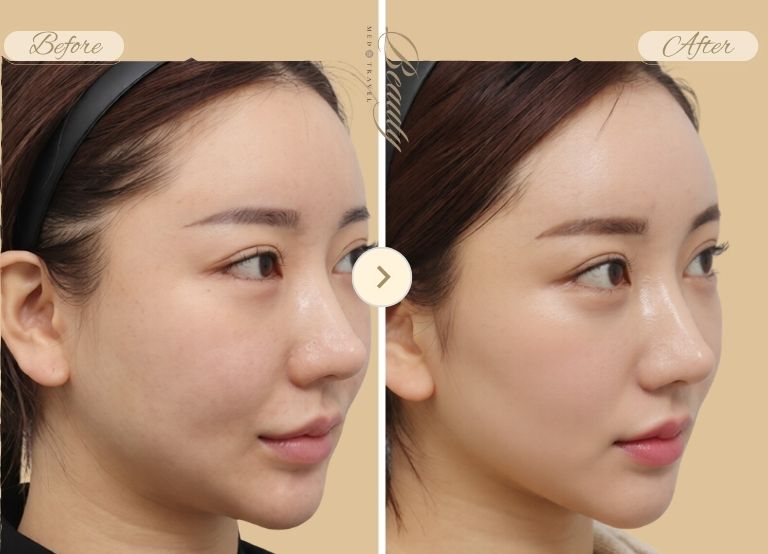
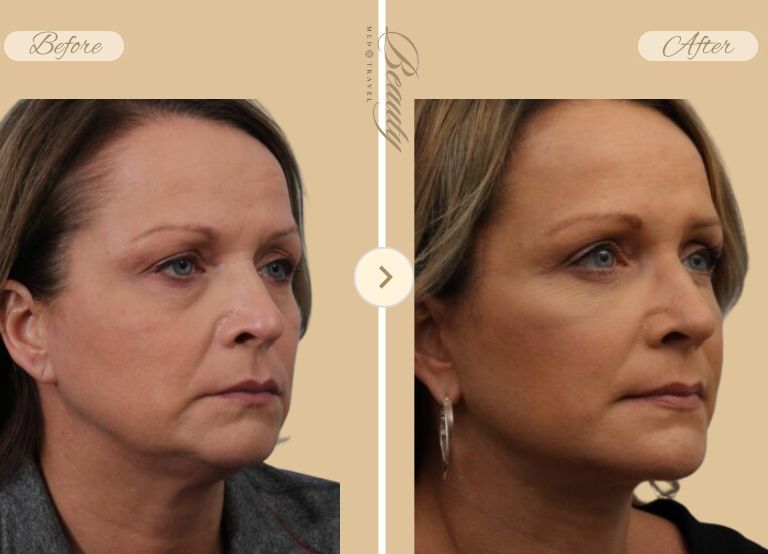
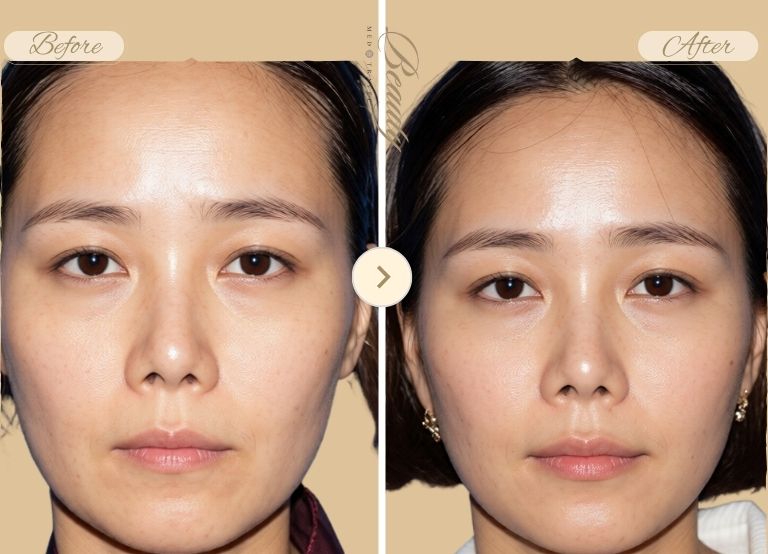
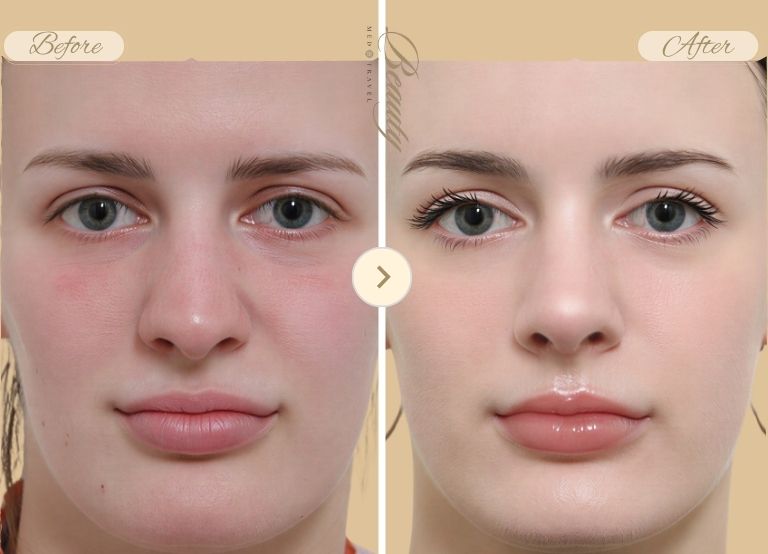
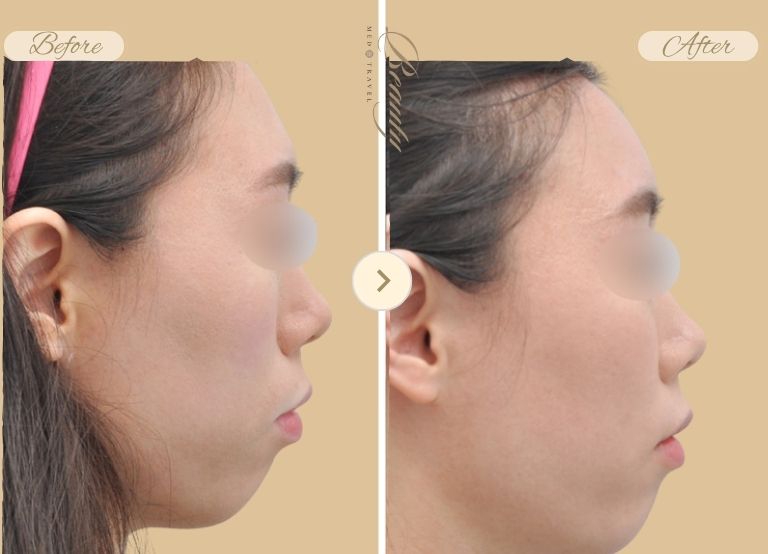
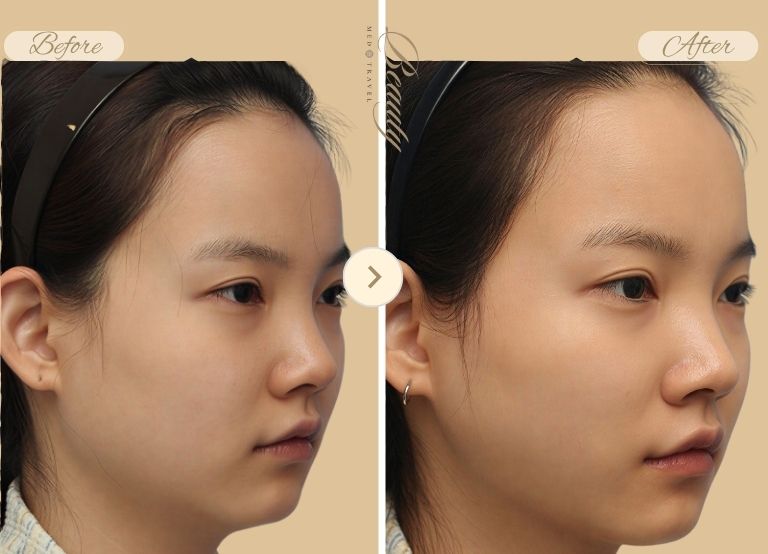
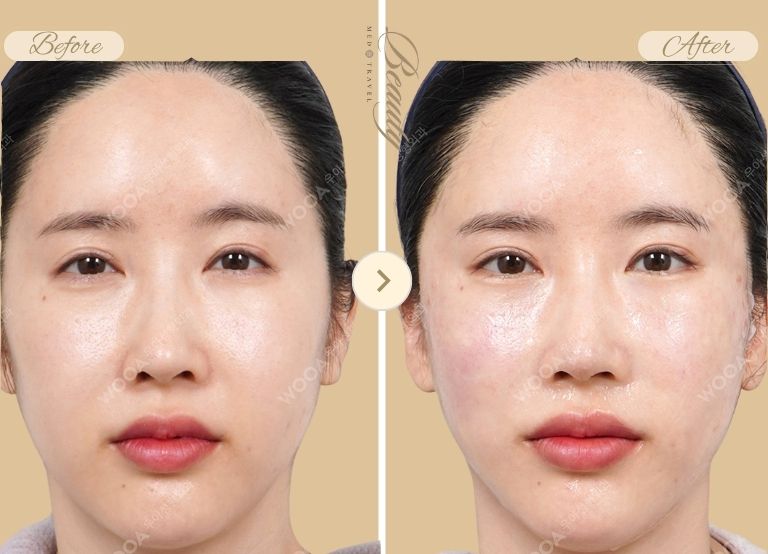
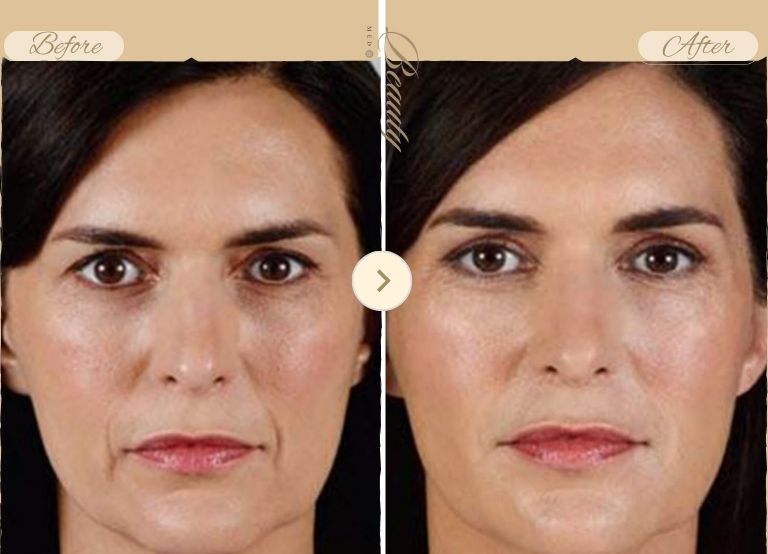
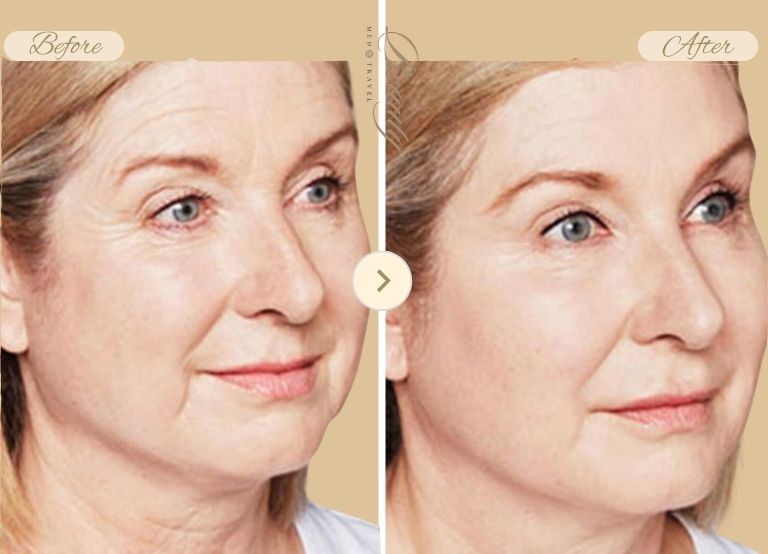
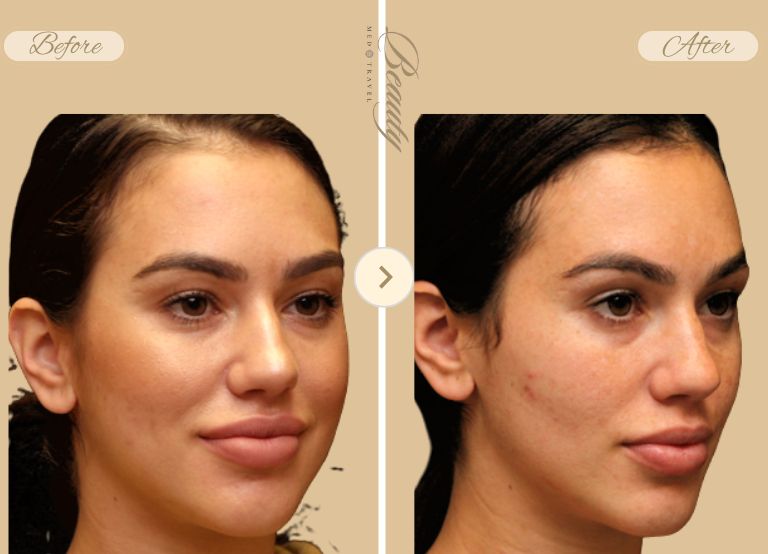
In South Korea, surgeons often take a conservative, long-term approach. That means that they may refuse certain requests, recommend smaller changes, or prioritize balance over boldness
And while that leads to more natural outcomes, it can feel restrictive if you’re expecting a “customer is always right” approach.
Why South Korea Stands Out in Plastic Surgery
Surgical Depth
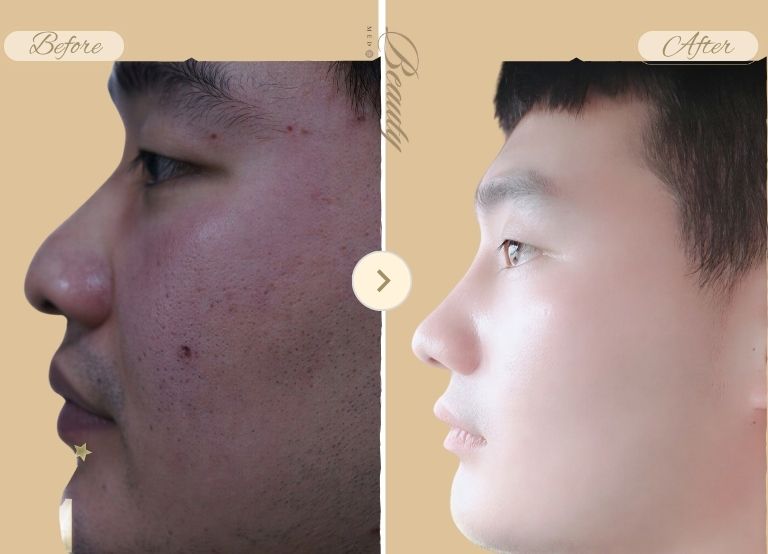
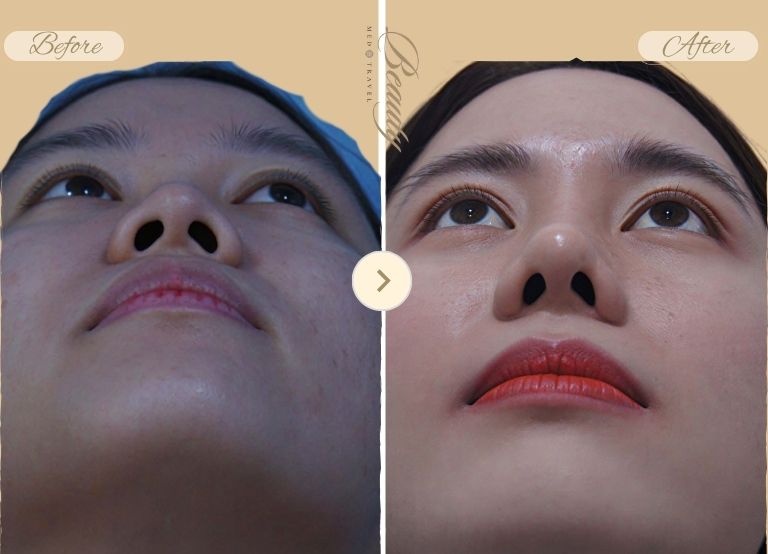
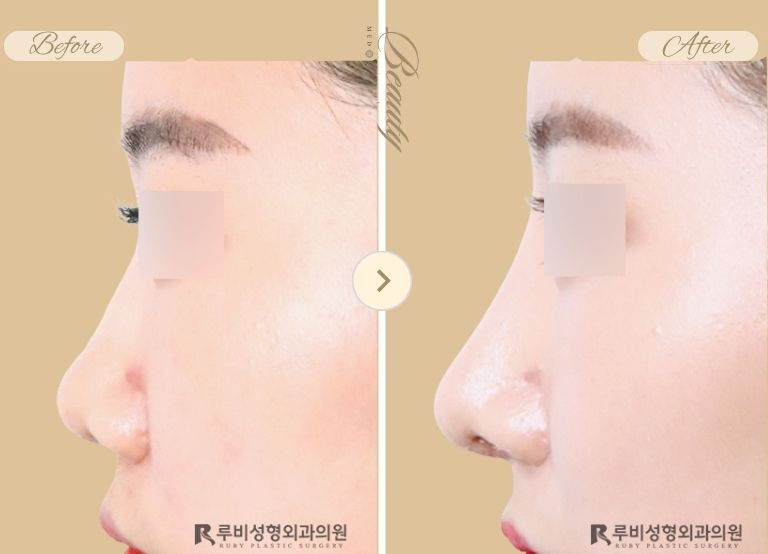
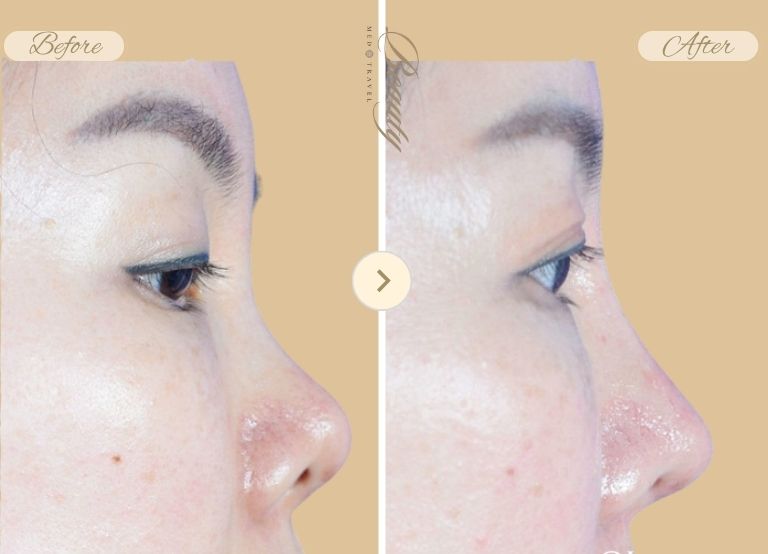
A millimeter of cartilage in the wrong place shows, and a slightly asymmetric eyelid fold is immediately visible. Korean surgeons have spent decades refining techniques where the margin for error is very low.
That level of skill develops through deep specialization and extraordinarily high volumes of cases in very specific procedures, not simply by performing a lot of surgeries in general.
Deep Specialization By Procedure
Unlike general plastic surgeons who perform dozens of different operations, Korean surgeons often spend careers focused on one category (rhinoplasty, eyelid surgery, or facial contouring). That focus produces a level of pattern recognition and technical refinement that generalists simply can't replicate.
It's the difference between a surgeon who has performed 300 rhinoplasties across many procedure types and one who has performed 3,000 rhinoplasties almost exclusively.
Advanced Technology And Pre-Surgical Planning
Korea's top clinics use 3D imaging systems, CT analysis, and digital simulation to visualize outcomes before surgery begins.
Patients see it modeled against their own body structure. This level of technological investment in the planning phase reduces surprises and improves outcomes.
A Structured System Built For International Patients
Korea's medical tourism infrastructure (especially in Seoul's Gangnam district) is organized around serving international patients efficiently.
Reputable clinics use international safety protocols and include coordinators, translators, after-surgery care teams, and clear follow-up plans as part of their overall service.
South Korea currently holds the highest cosmetic surgery rate per capita worldwide, with an estimated 13.5 procedures per 1,000 residents, according to ISAPS.
How South Korean Plastic Surgery Clinics Approach Aesthetic Planning
In South Korea, the approach is closer to: “What will create the most balanced version of your face?”
Focus on Harmony and Proportions
Instead of treating features in isolation, surgeons evaluate:
- How does your nose fit your face
- How your eyes align with your facial structure
- How your jawline supports overall symmetry
So even when you request one procedure, they may assess your entire face.
Preference for Subtle, Long-term Results
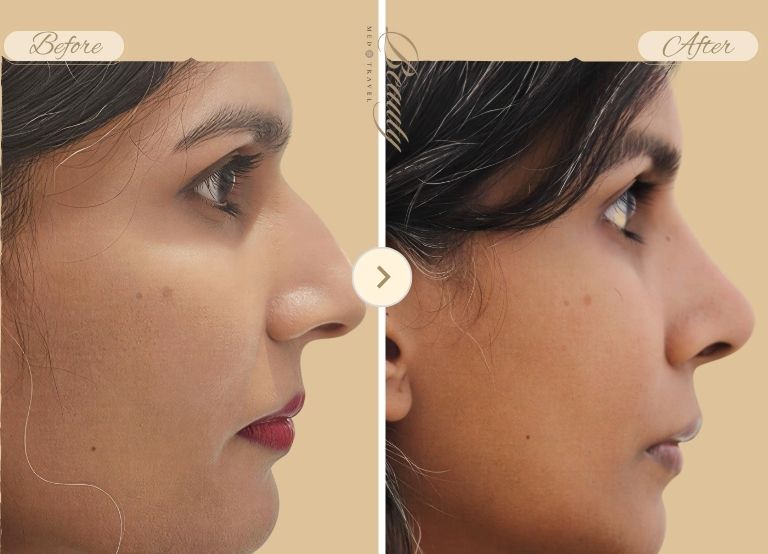
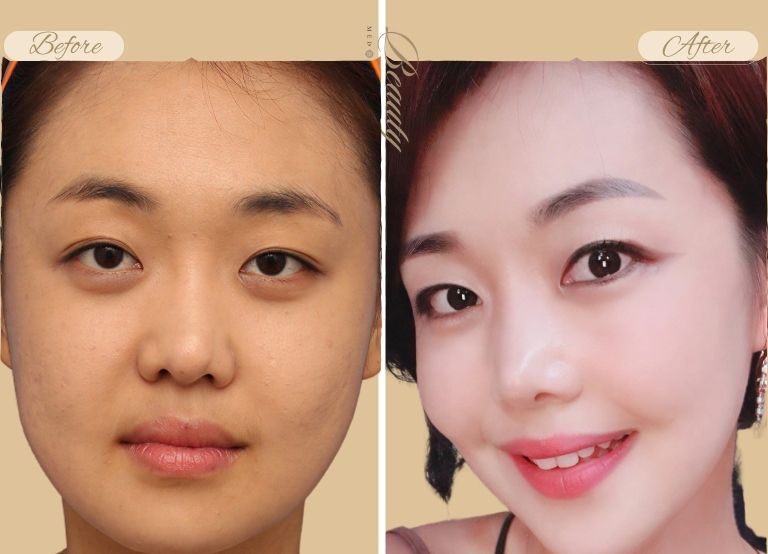
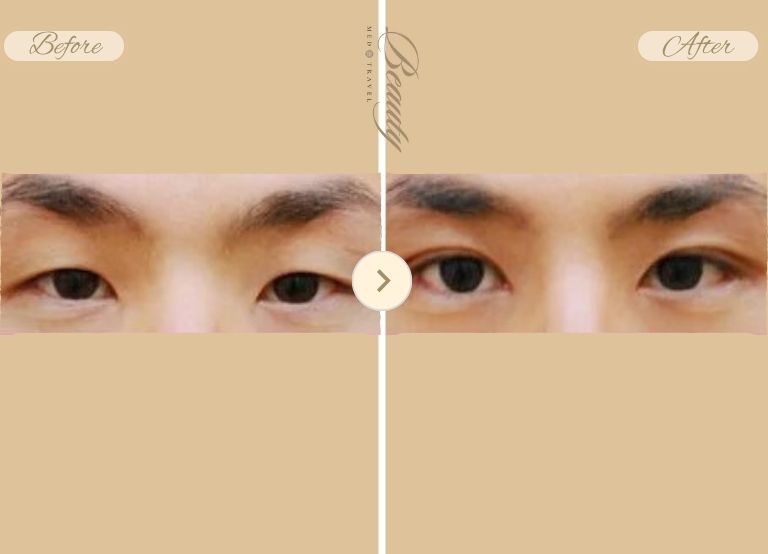
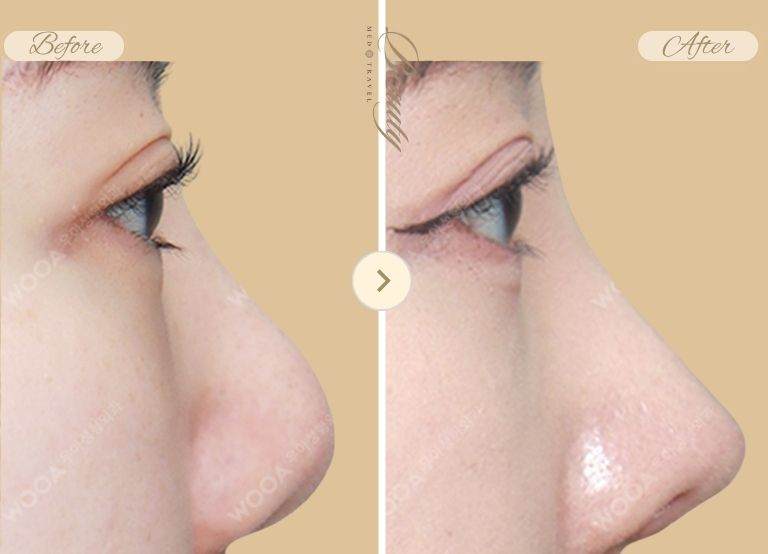
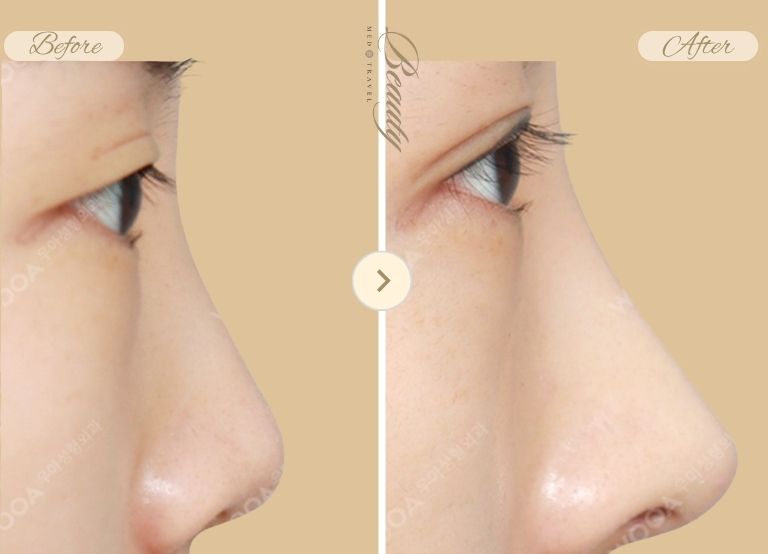
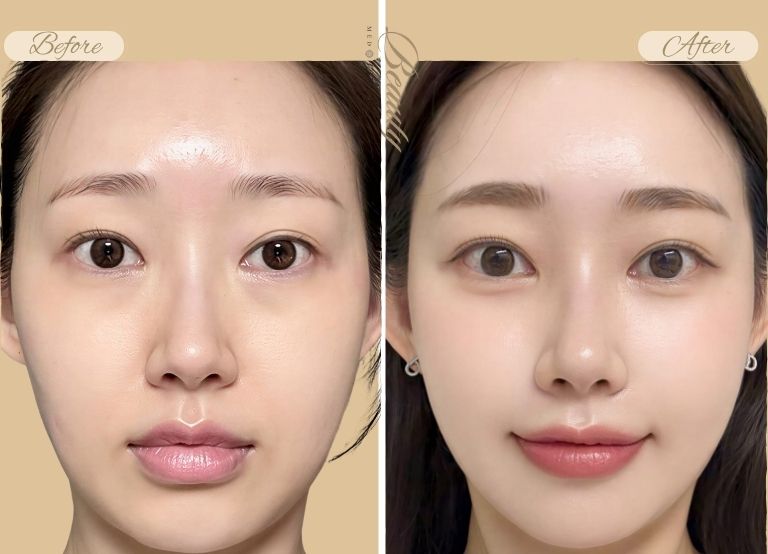
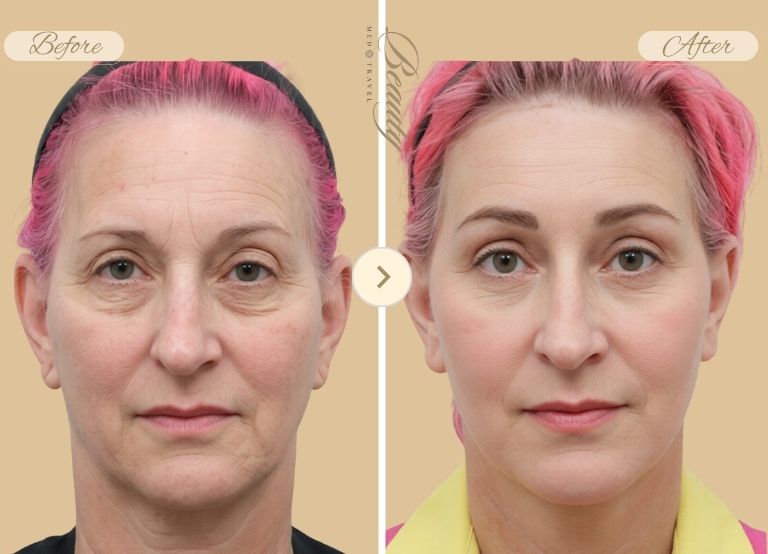
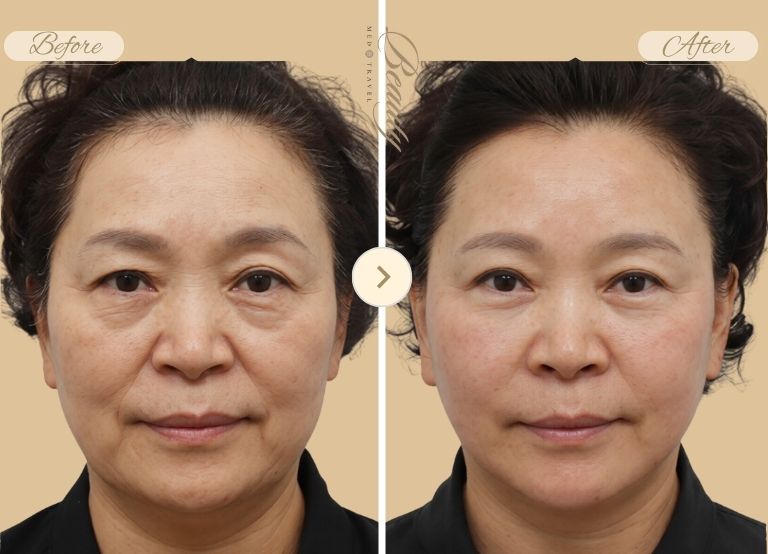
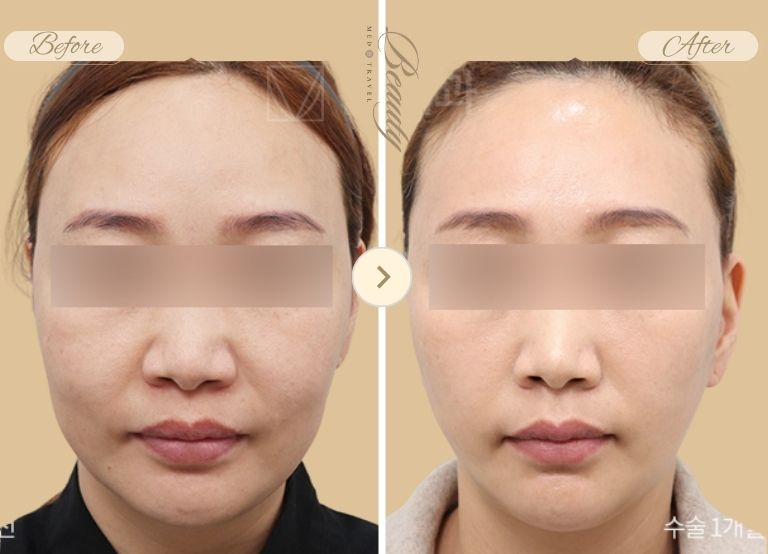
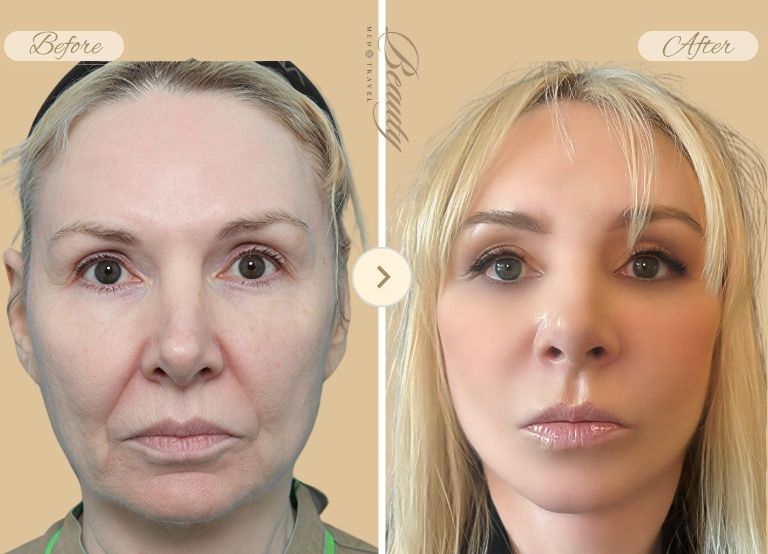
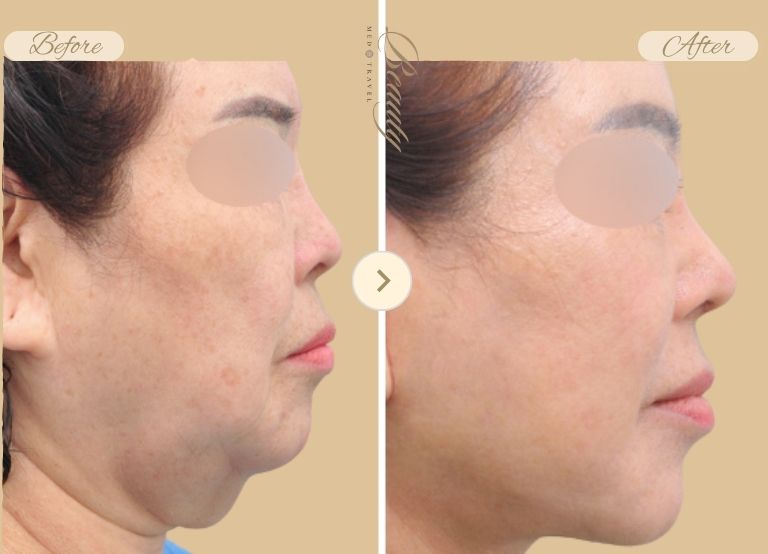
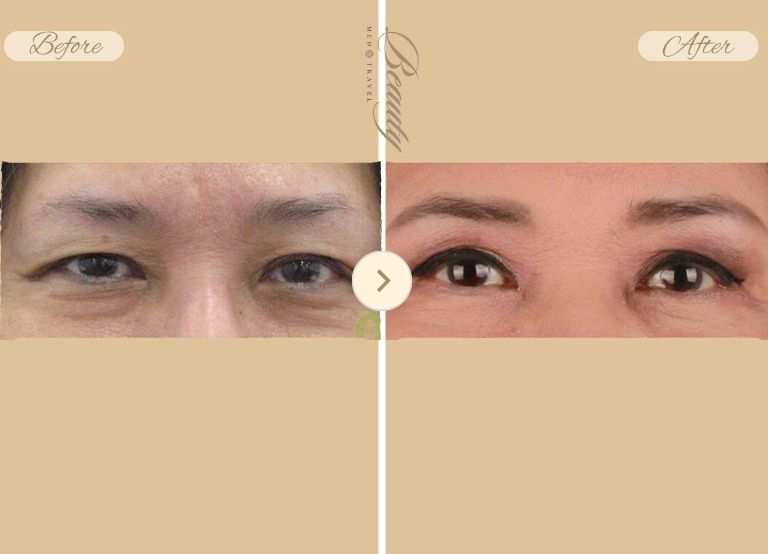
Procedures like Double eyelid surgery are often done in a way that looks natural immediately, ages well over time, and avoids an “overdone” appearance
Data-driven Planning
Many clinics use measurements, ratios, and imaging tools to guide decisions instead of relying purely on visual judgment.
Conservative Decision-making
If a change risks looking unnatural, surgeons may recommend a smaller adjustment, suggest alternatives, or advise against surgery entirely.
What Procedures South Korea Is Best Known For
Here’s a clear look at where South Korea consistently stands out:
| Procedure |
Why South Korea Leads |
| Rhinoplasty |
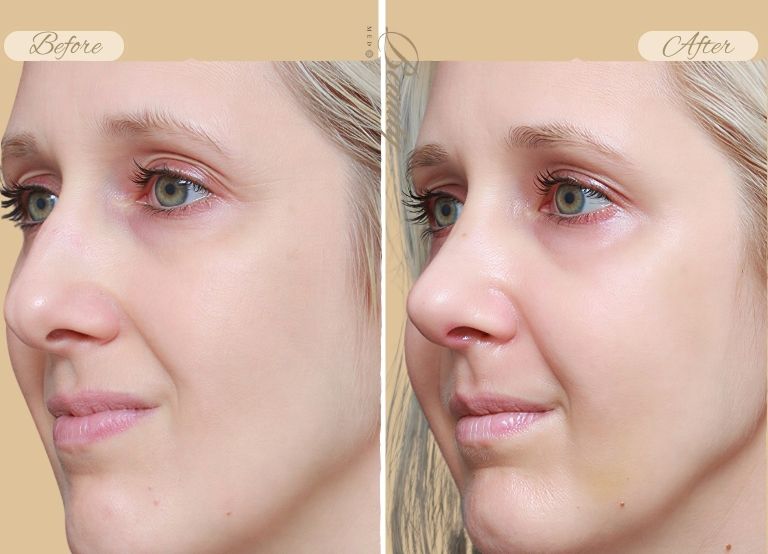
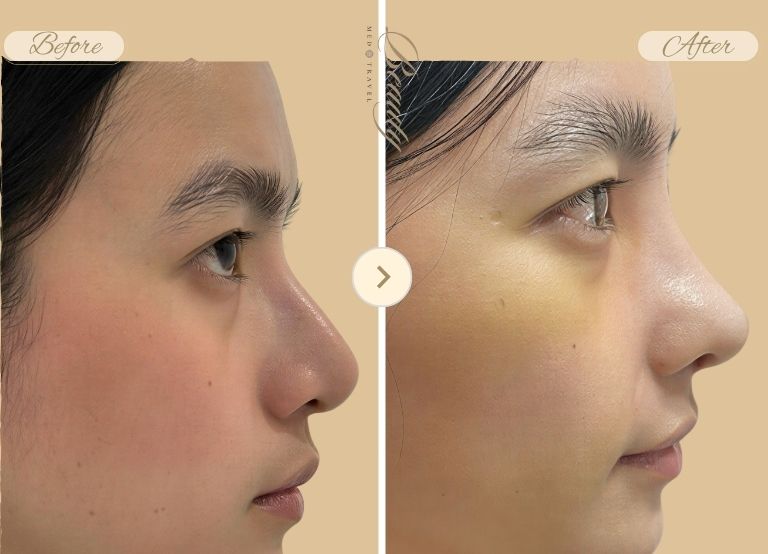
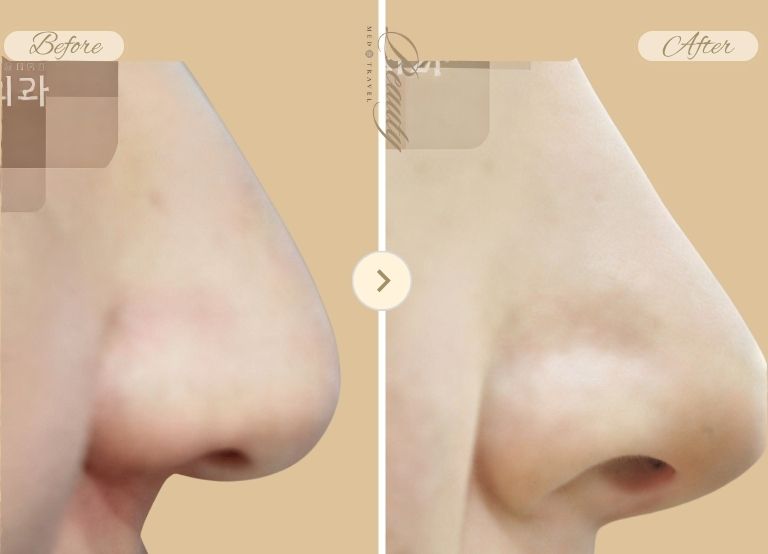
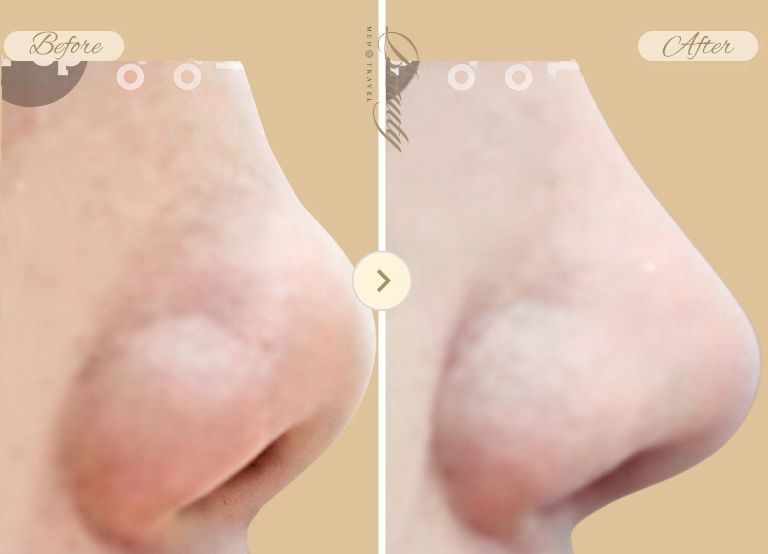
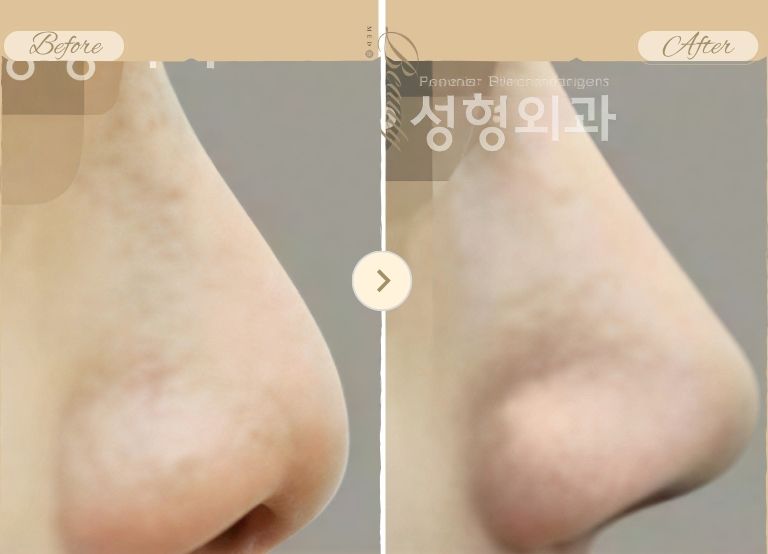
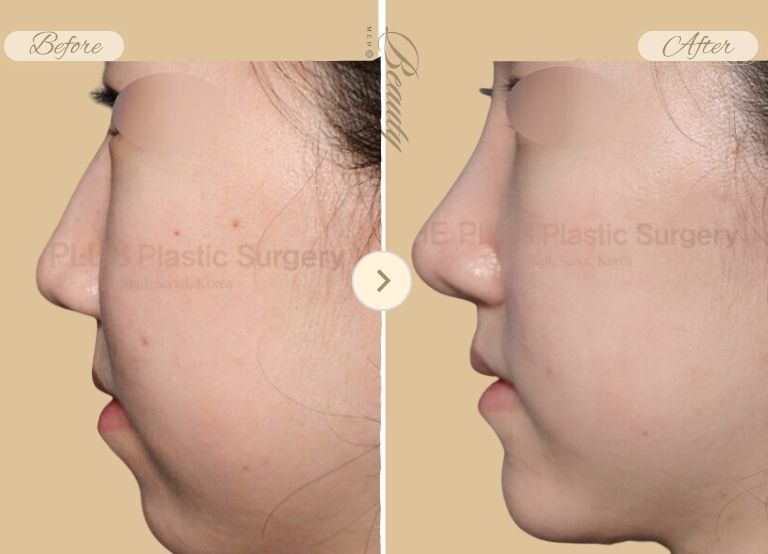
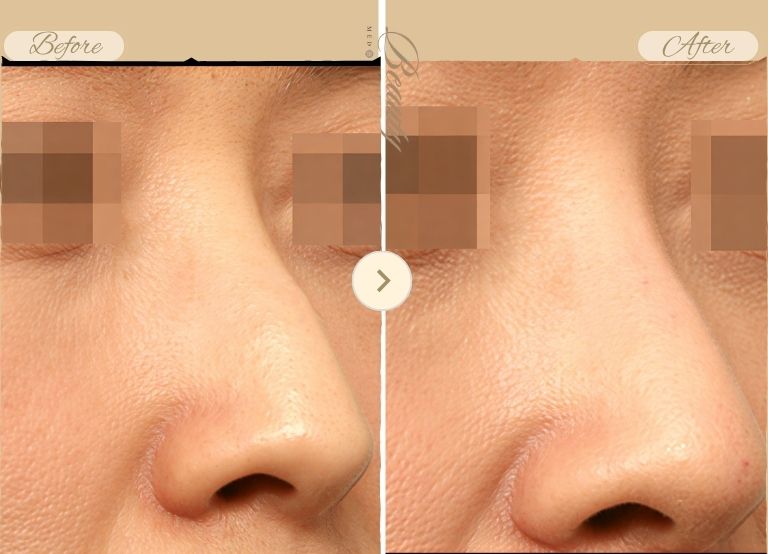
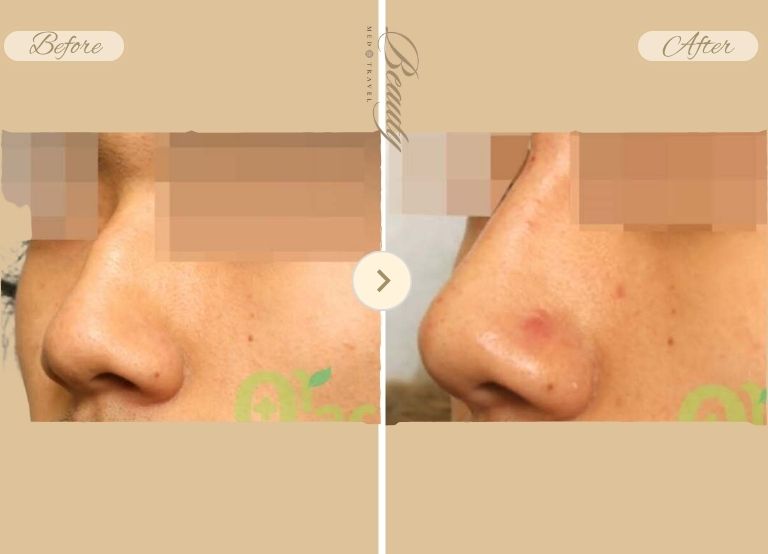
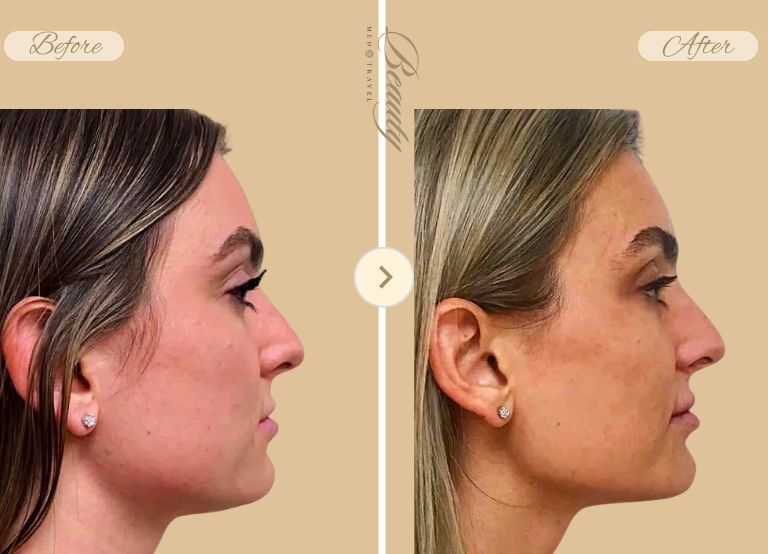
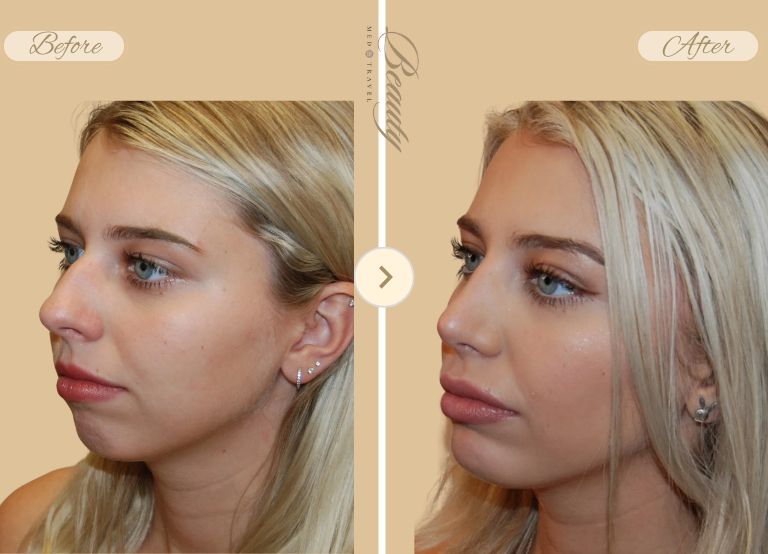
South Korea is known for advanced structural rhinoplasty using cartilage grafts, producing natural and well-balanced nasal refinement. |
| Double Eyelid Surgery |
The country performs approximately 200,000 procedures with refined techniques that consistently create natural-looking eyelid folds. |
| Jawline Contouring (V-Line) |
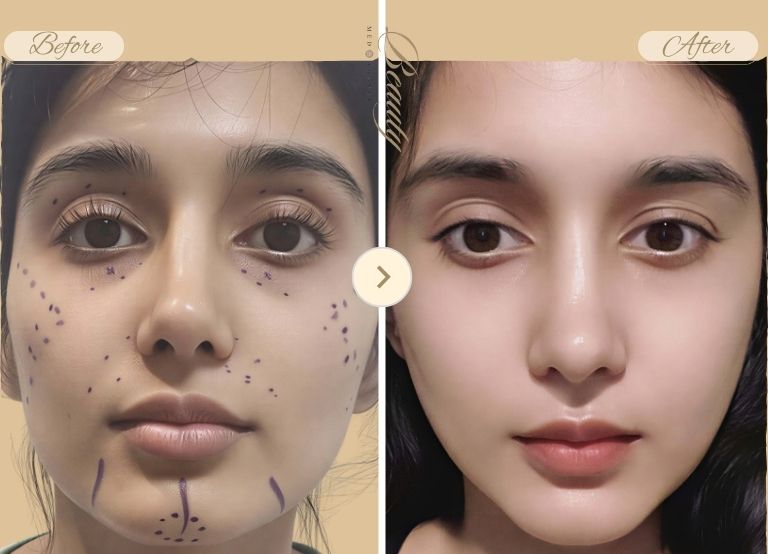
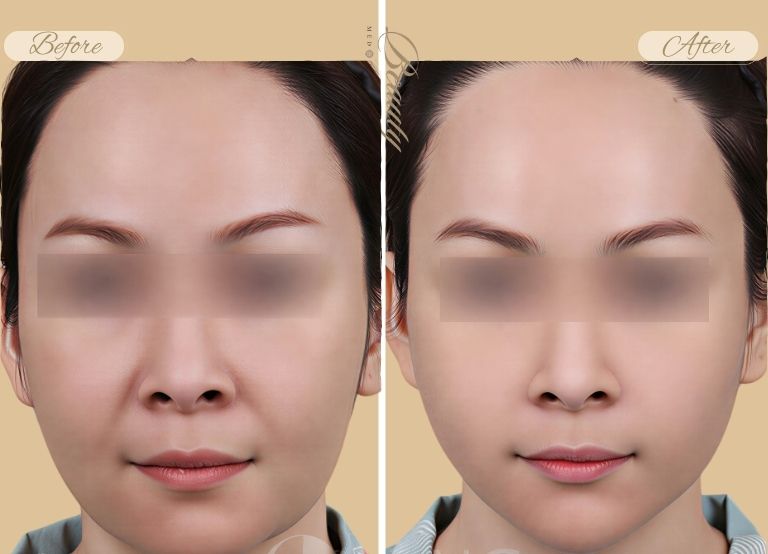
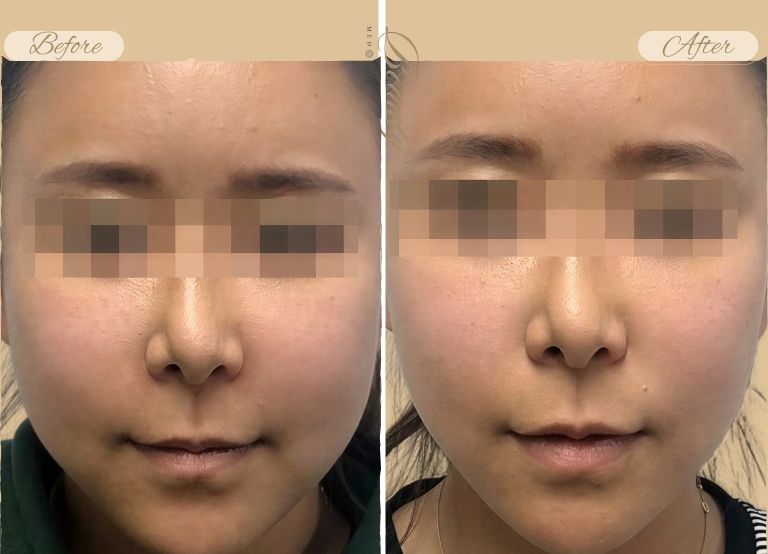
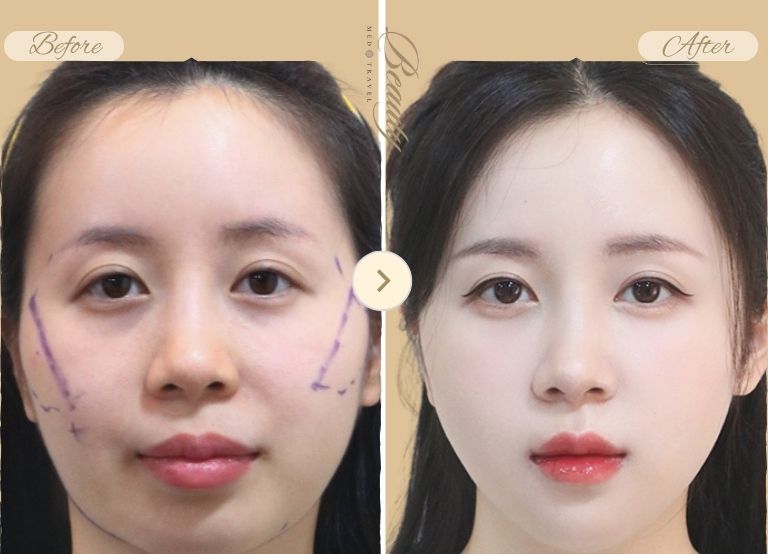
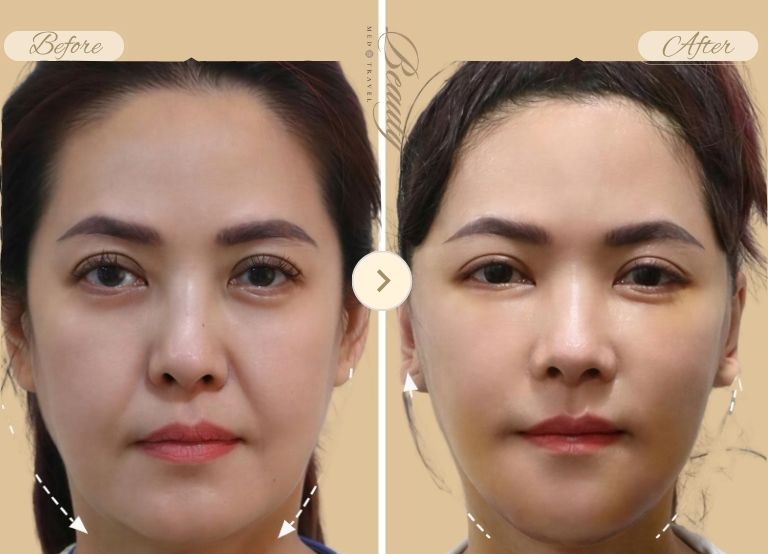
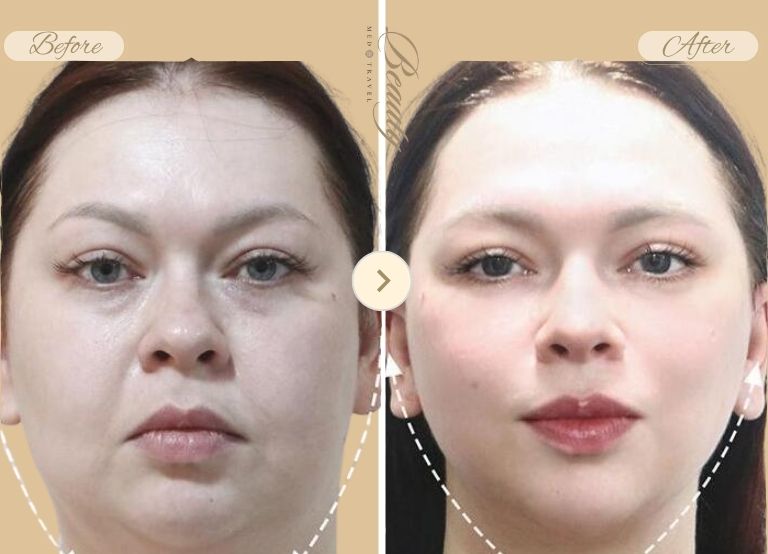
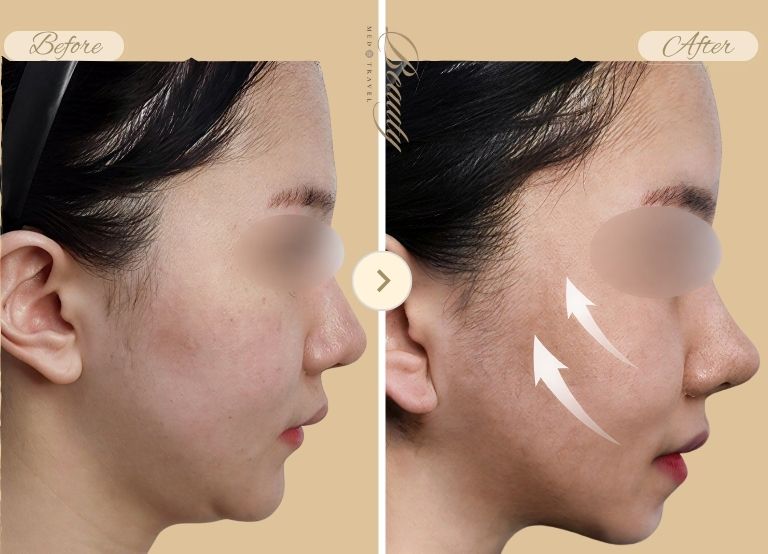
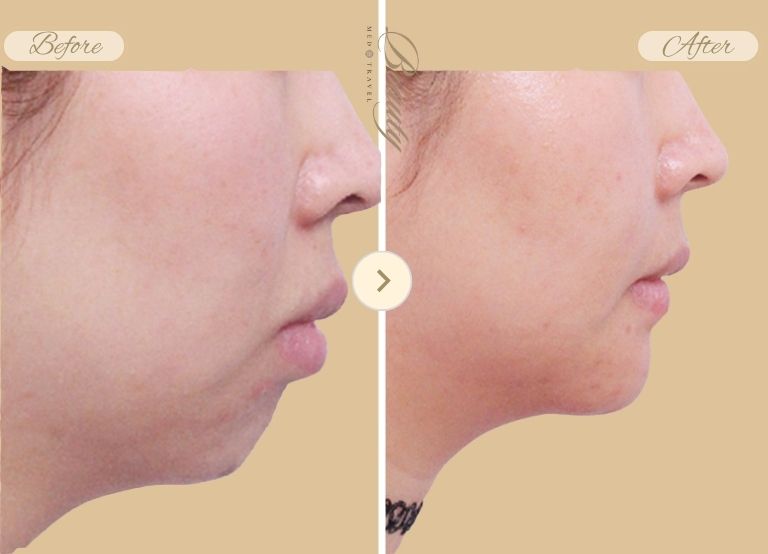
South Korea pioneered many modern bone contouring techniques used for achieving a slim, balanced facial shape. |
| Facial Fat Grafting |
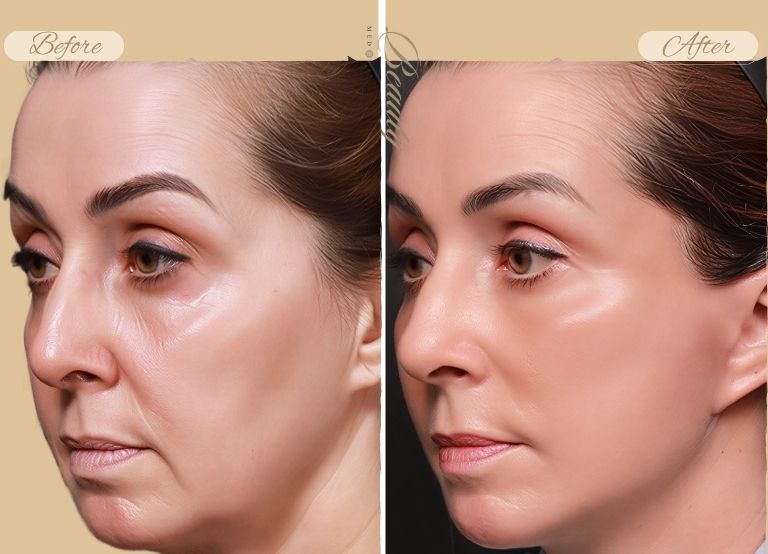
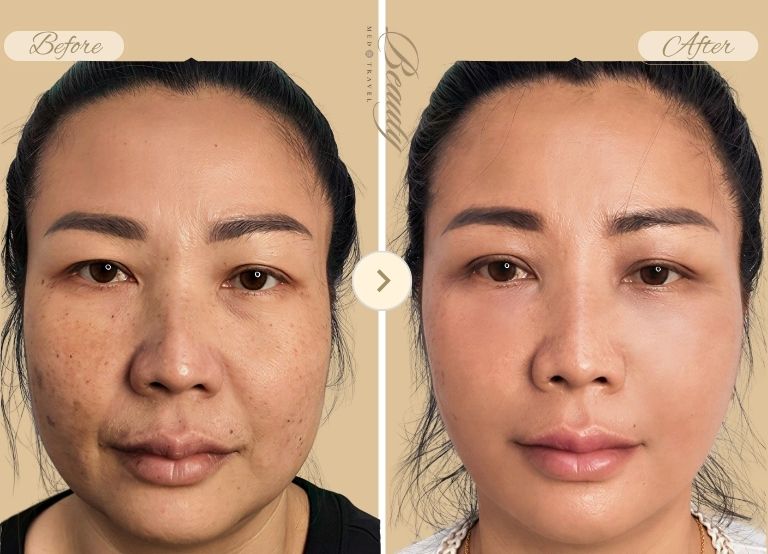
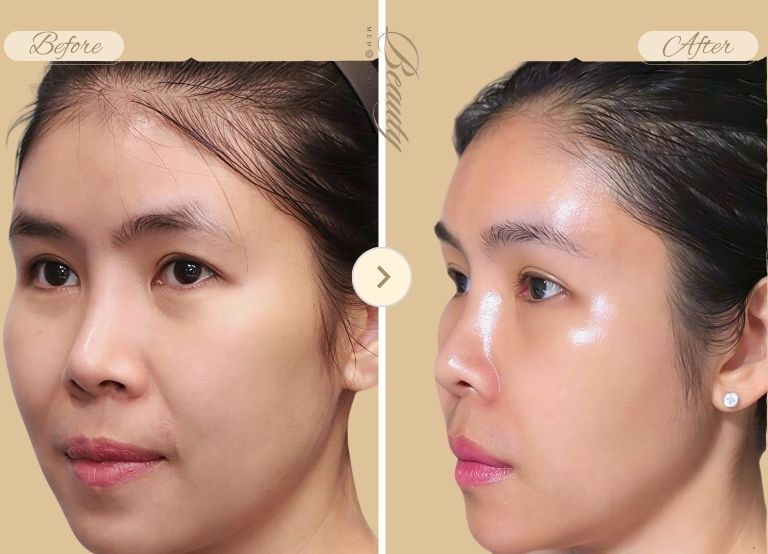
Surgeons use precise fat transfer methods to restore volume and enhance anti-aging results naturally. |
| Facelift / Anti-Aging |
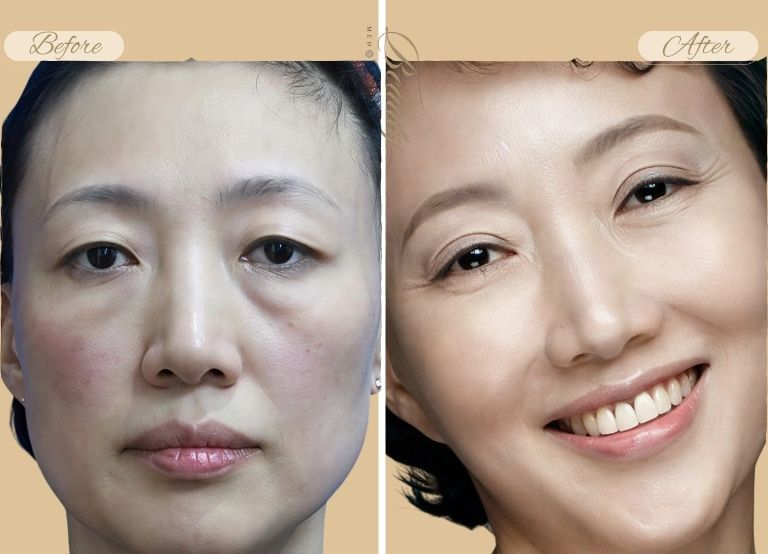
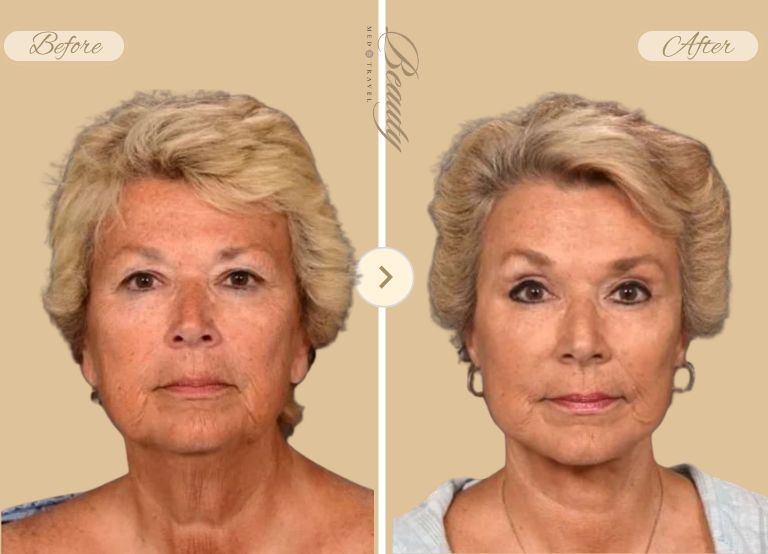
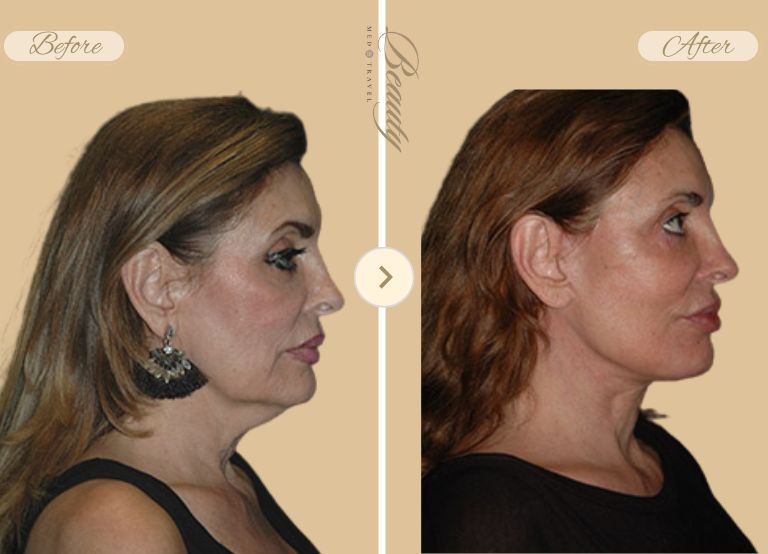
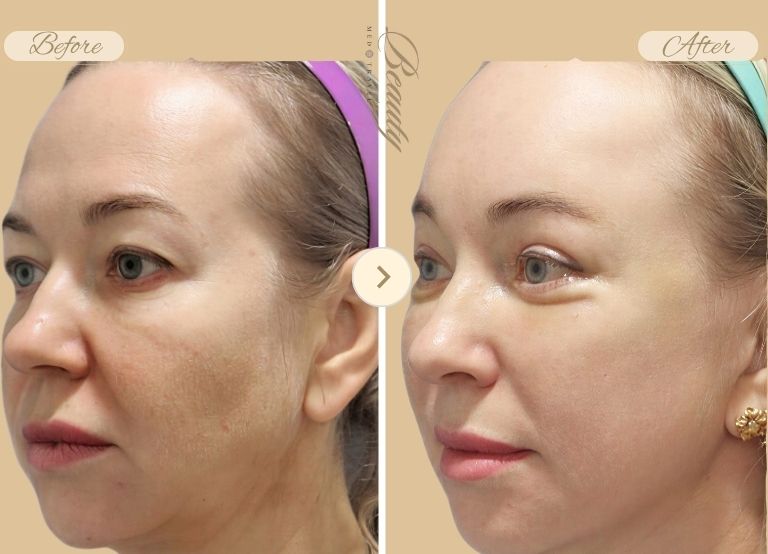
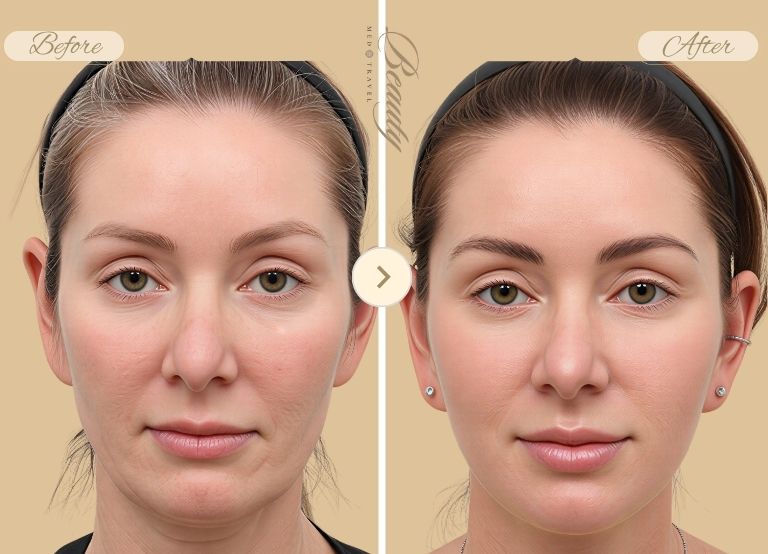
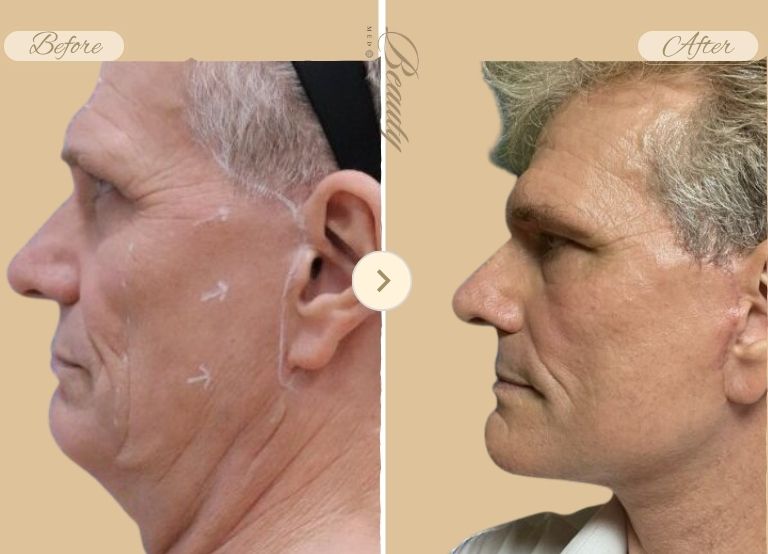
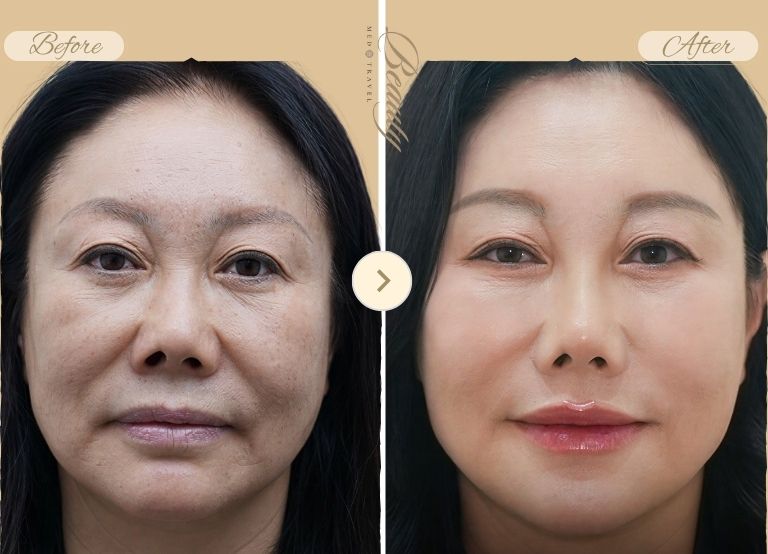
SMAS-based facelift techniques combined with fat grafting deliver long-lasting and natural rejuvenation. |
| Revision Surgery |
Many clinics specialize in correcting and improving results from previous surgeries performed elsewhere. |
Cost of Plastic Surgery in South Korea
South Korea sits in the mid-to-upper range of international plastic surgery pricing, significantly more affordable than the US or Western Europe, but higher than Turkey or Thailand for most procedures. Understanding what drives those numbers helps you evaluate whether the cost is justified or not.
Several factors influence pricing, such as:
- Surgeon’s specialization and experience
- Complexity of the procedure
- Customization level
- Clinic infrastructure and technology
Why Do Top Surgeons Charge More?
Highly sought-after surgeons typically:
- Focus on a narrow set of procedures
- Have consistent, high-quality outcomes
- Spend more time on planning
Why are Cheaper Options Risky?
Lower-cost clinics may:
- Use standardized approaches
- Have less experienced surgeons
- Prioritize volume over customization
Cost Comparison: South Korea vs Turkey vs Thailand
| Procedure |
South Korea |
Turkey |
Thailand |
| Rhinoplasty |
$4,000 – $7,000 |
$2,500 – $5,000 |
$2,100 – $5,500 |
| Double Eyelid Surgery |
$1,500 – $3,500 |
$1,000 – $2,500 |
$1,200 – $2,800 |
| Jawline / V-Line Contouring |
$6,800 – $10,700 |
$3,000 – $5,000 |
$2,500 – $4,500 |
| Facial Fat Grafting |
$2,500 – $5,000 |
$1,500 – $3,000 |
$1,500 – $3,500 |
| Facelift (SMAS) |
$7,000 – $12,000 |
$4,000 – $7,000 |
$3,500 – $7,000 |
Prices are approximate and may vary based on surgeon, clinic, and individual case complexity.
- Turkey dominates rhinoplasty volume and body contouring at a lower price point. South Korea leads in complex facial refinement, revision surgery, and double-eyelid surgery.
- If cost is the primary driver, Turkey or Thailand may serve you well. If precision in a specific facial area is the priority, South Korea's premium is generally justified.
How to Choose the Right Clinic in South Korea
This is where most people get stuck, and where the biggest mistakes happen. Everything online looks good, and every clinic claims expertise.
Here’s how you can make a decision:
- Before researching clinics, write down specifically what you want to change and what result you'd consider a success. Vague goals lead to misaligned consultations.
- Look for surgeons and clinics that focus primarily on your target procedure. Depth of specialization matters far more than overall clinic size or fame.
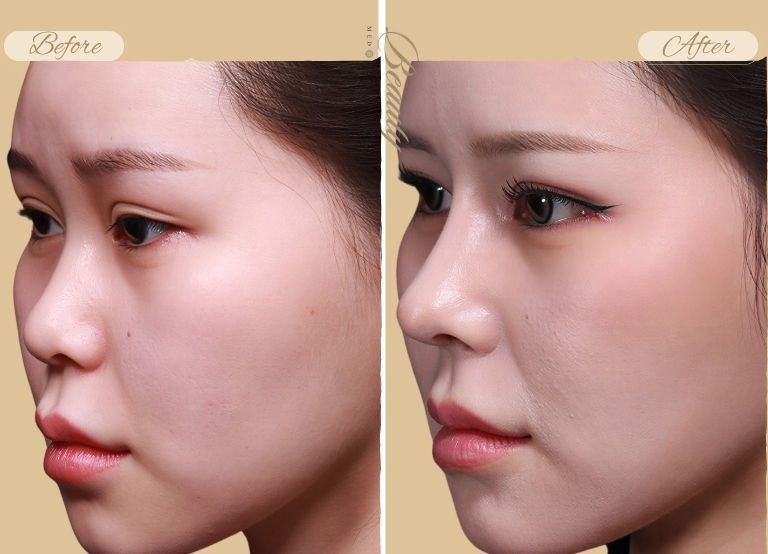
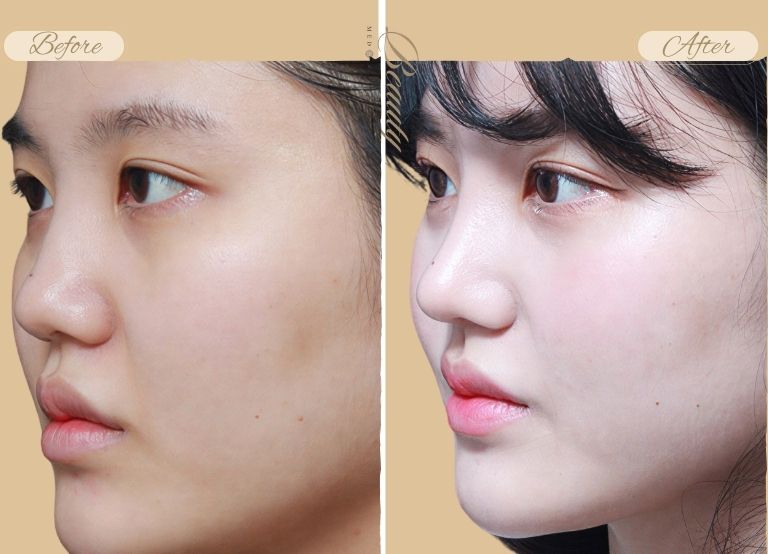
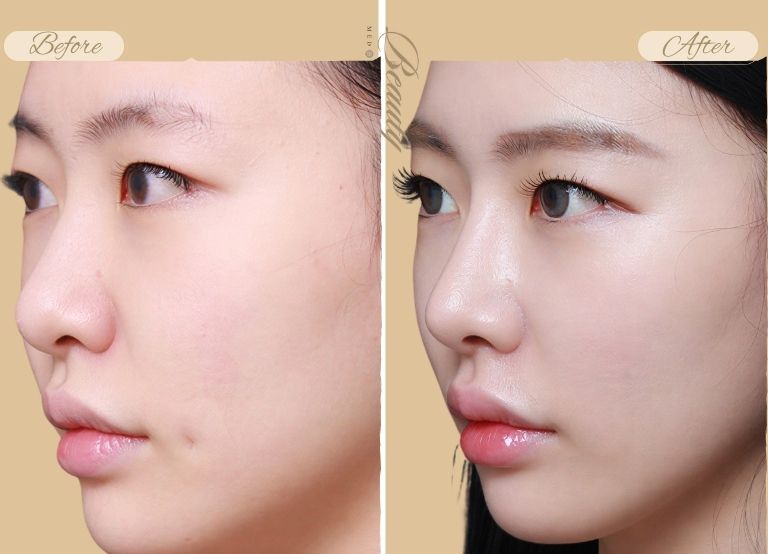
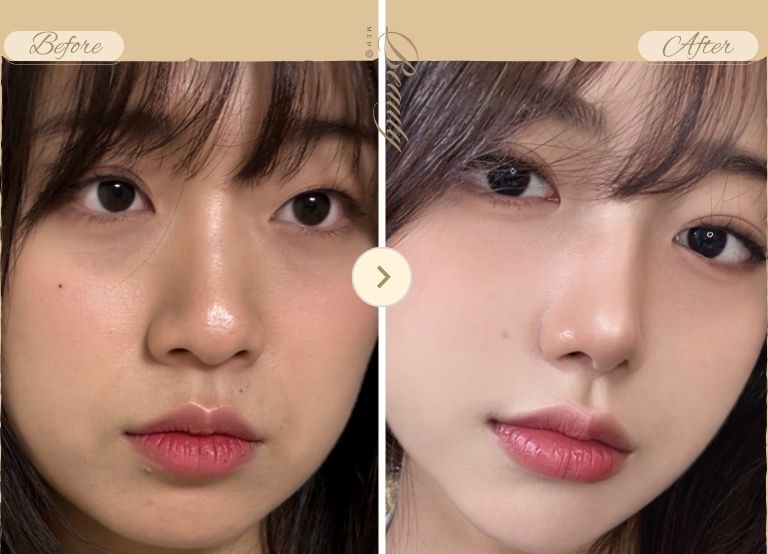
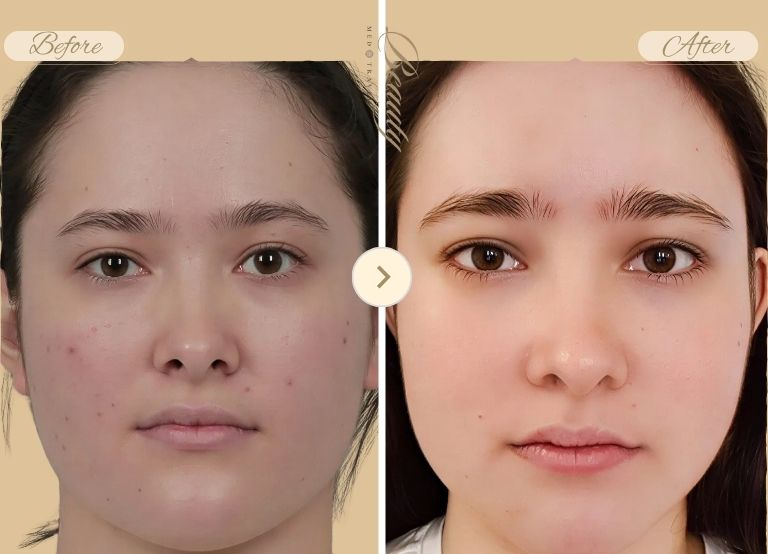
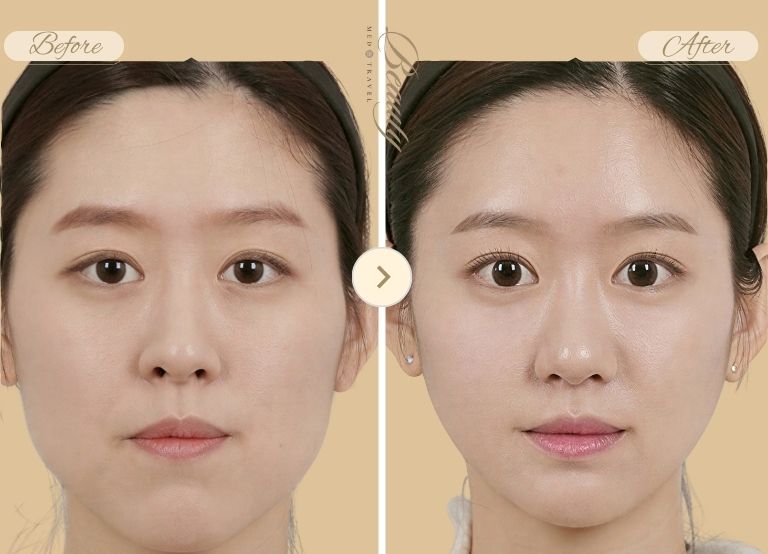
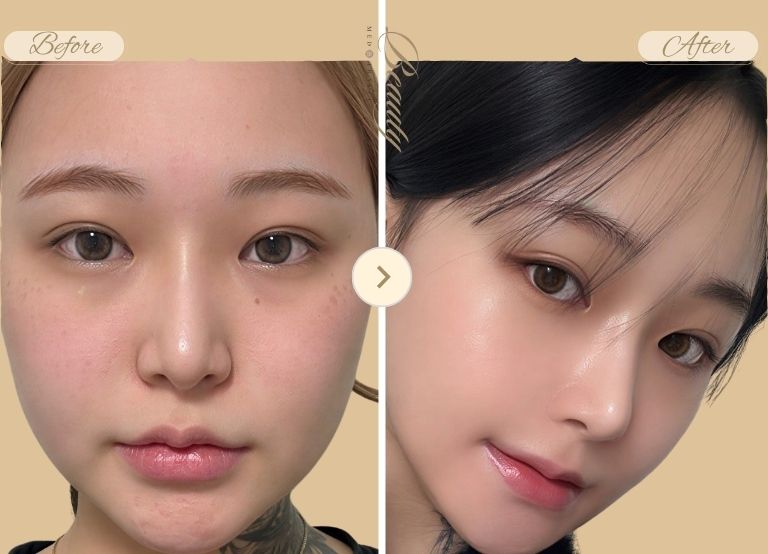
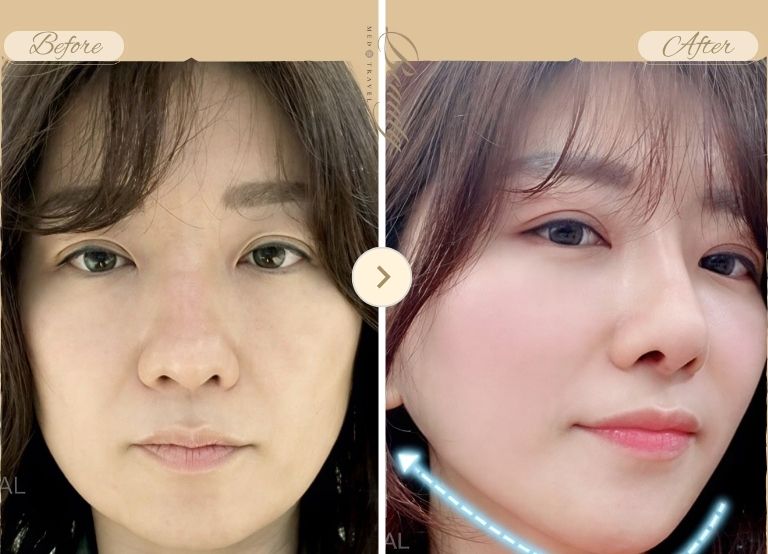
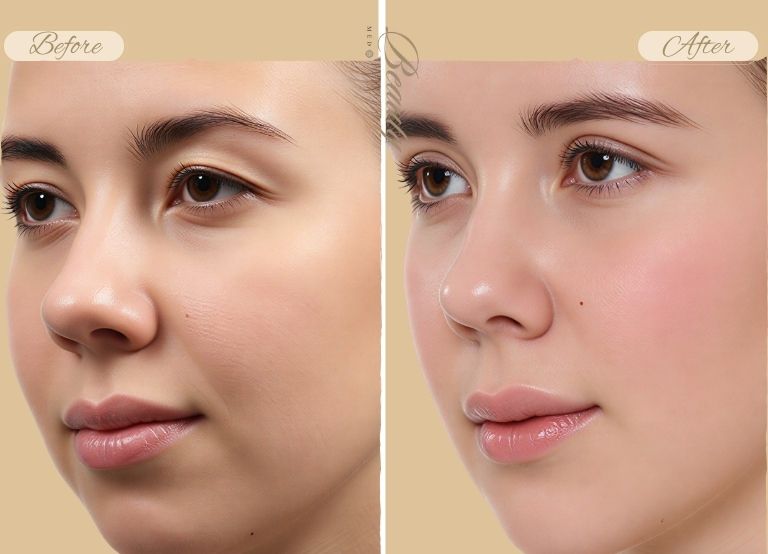
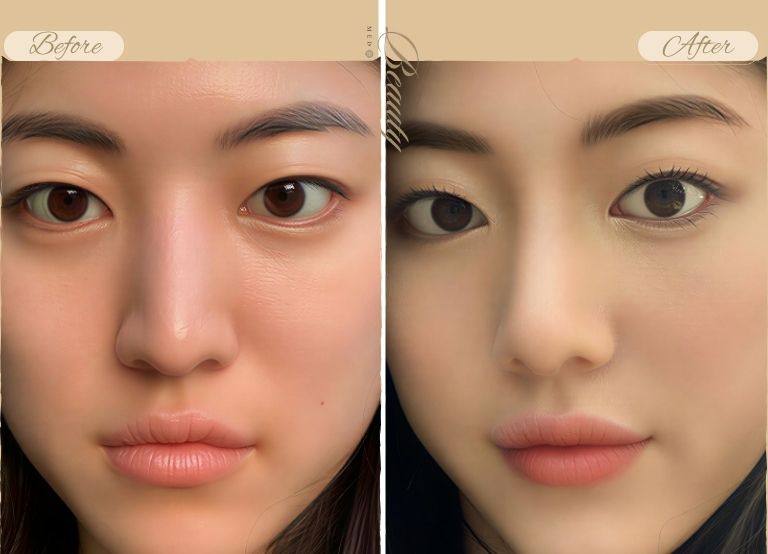
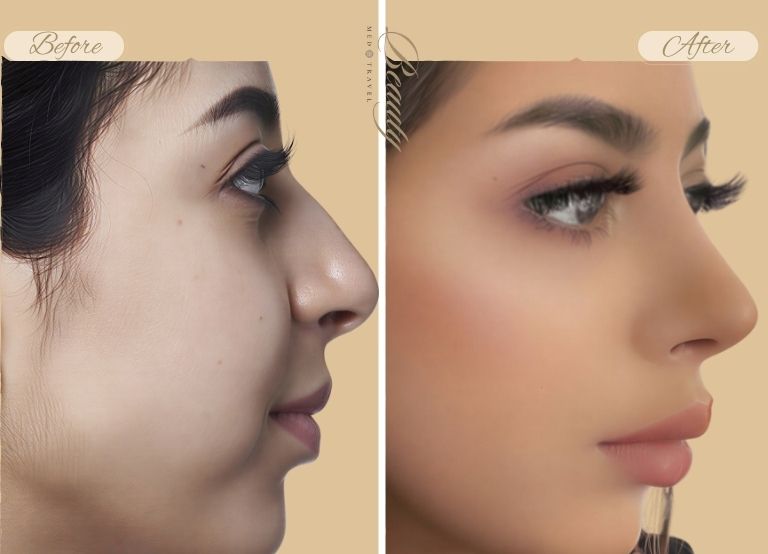
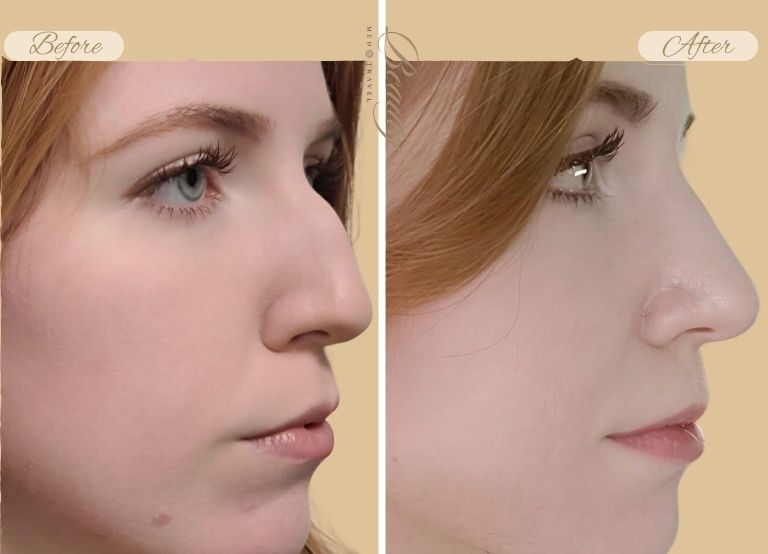
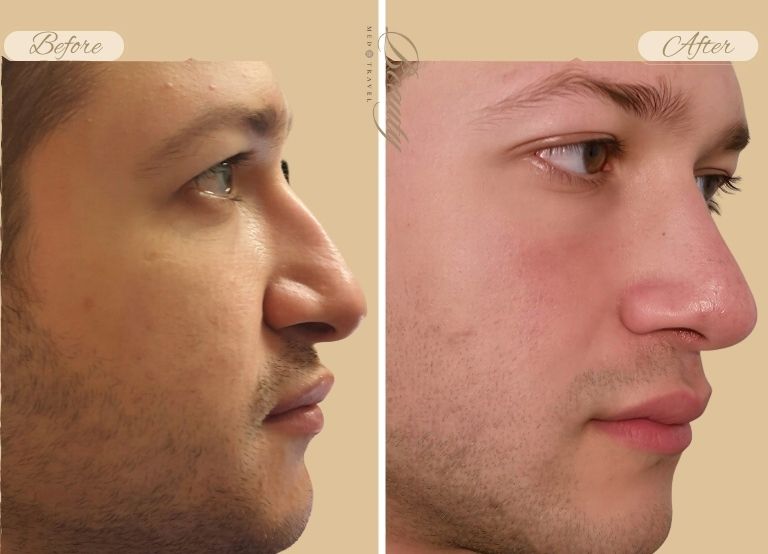
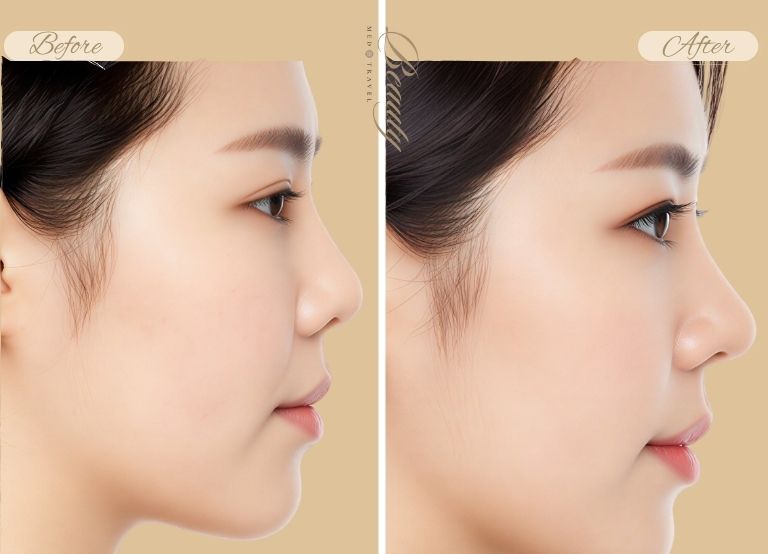
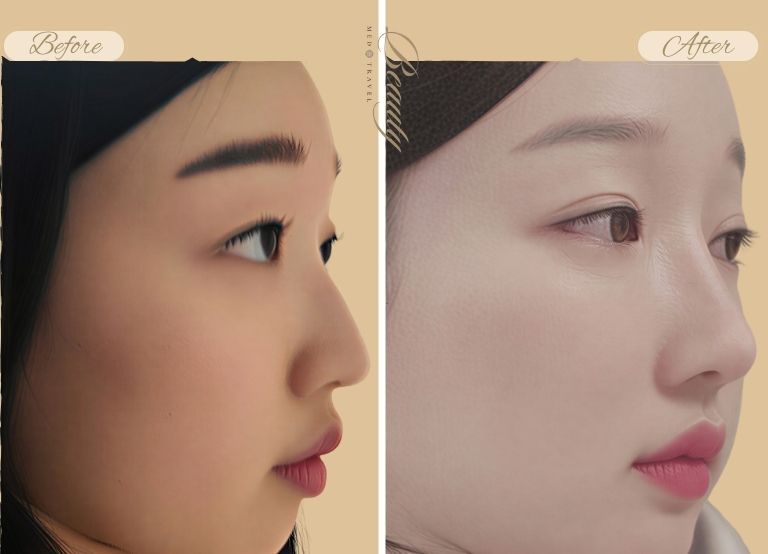
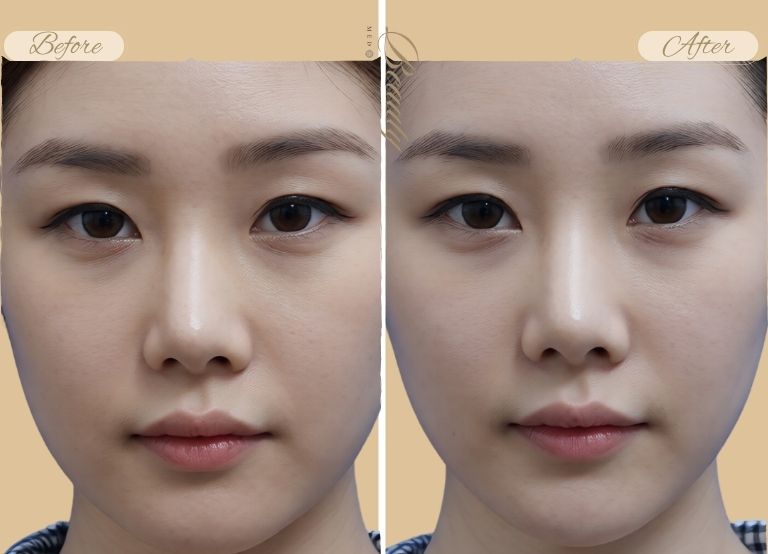
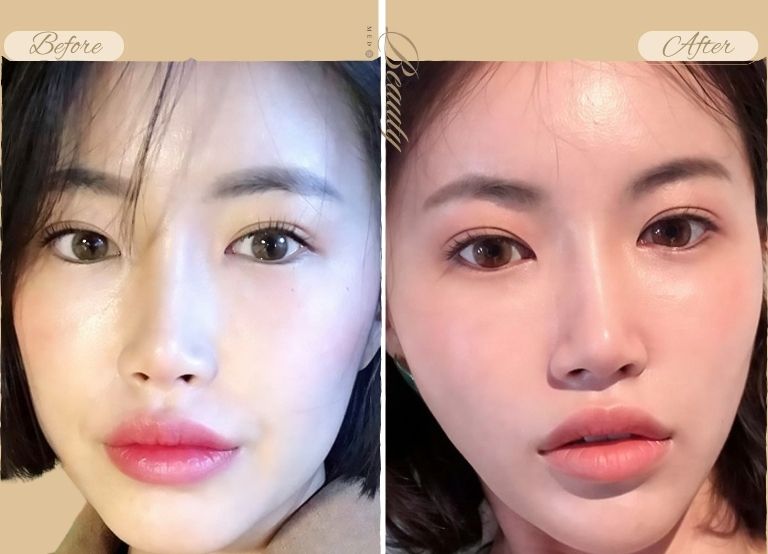
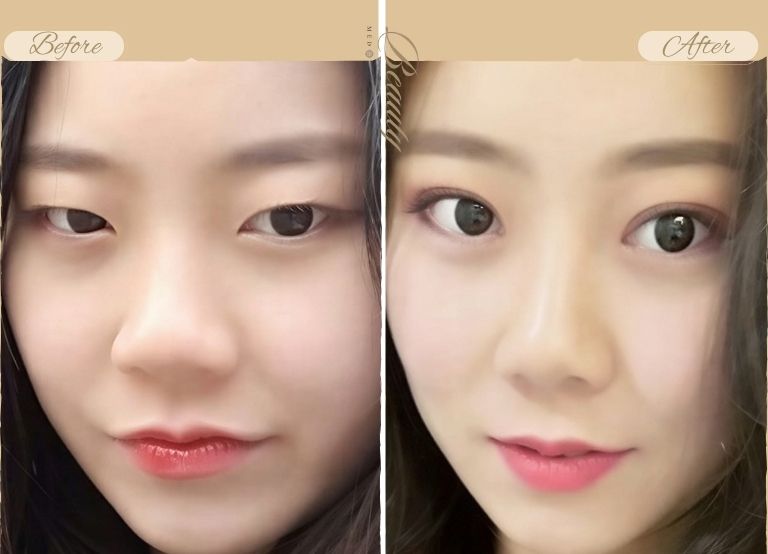
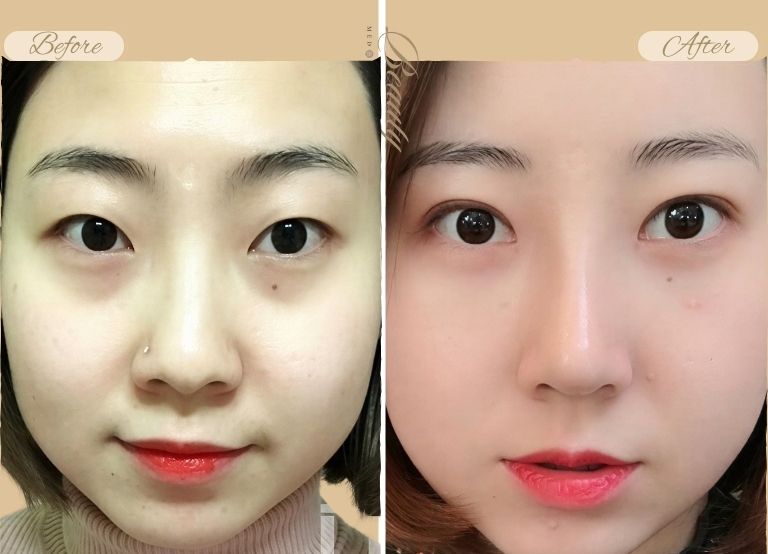
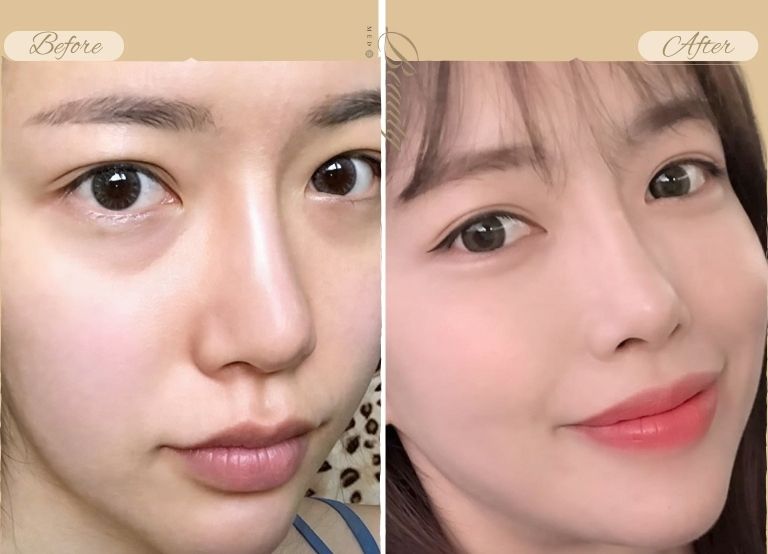
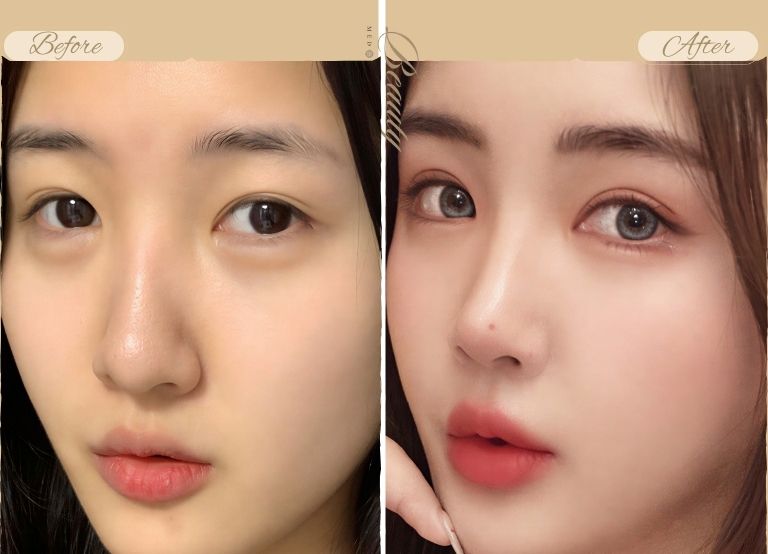
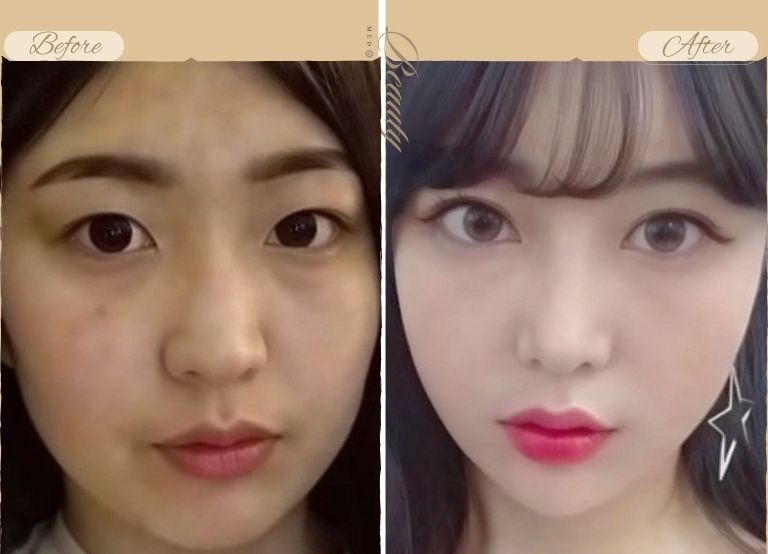
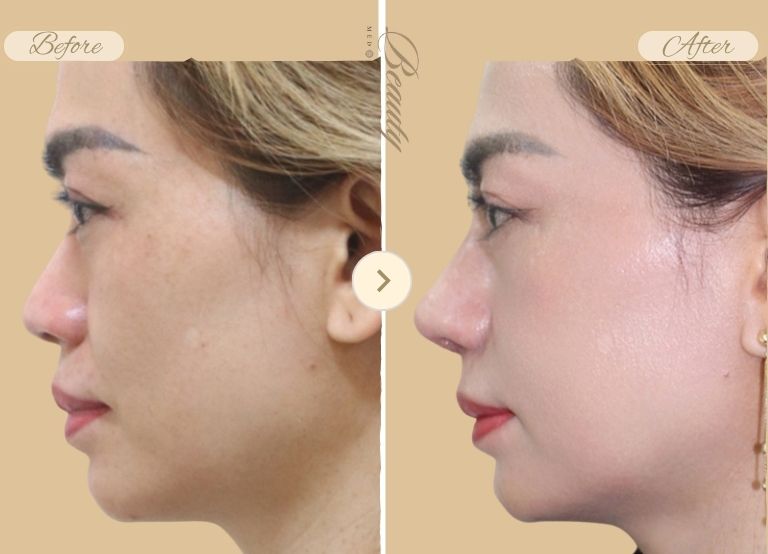
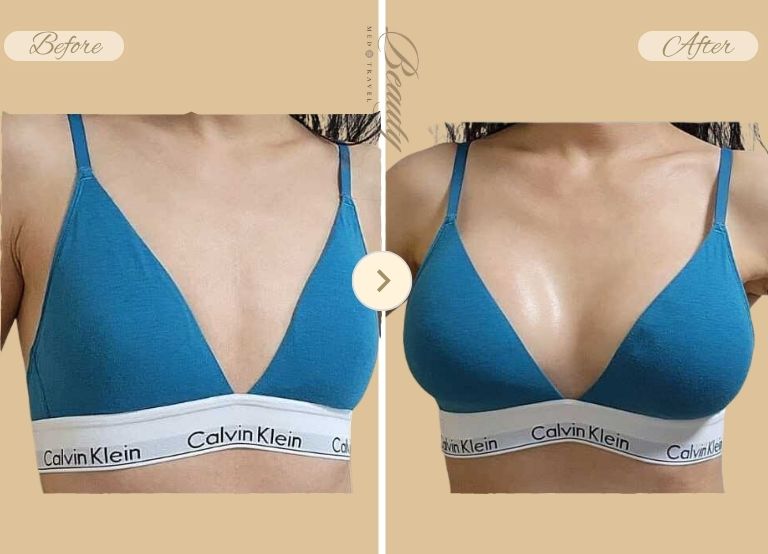
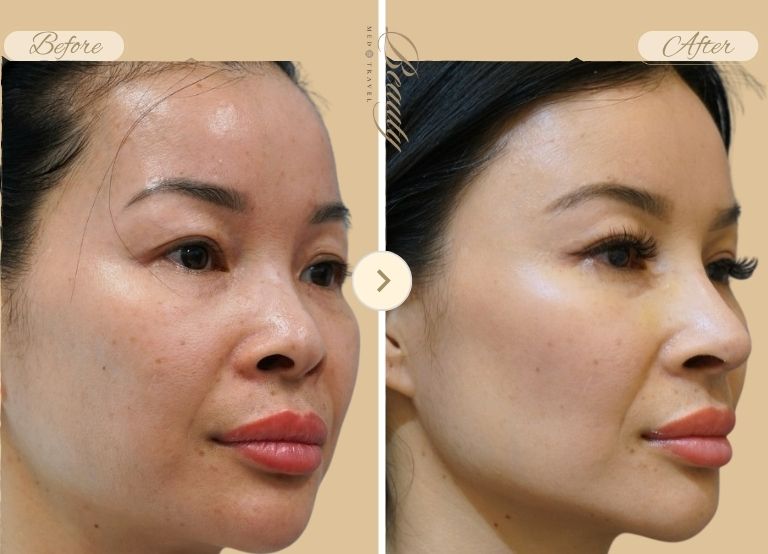
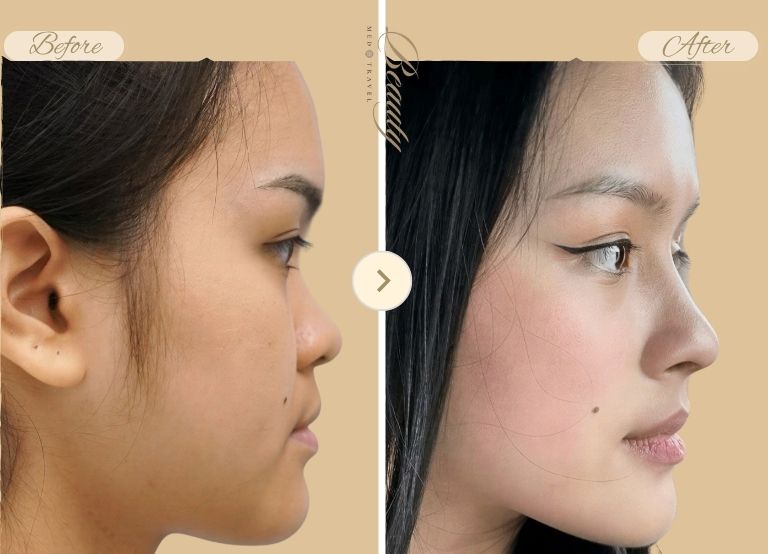
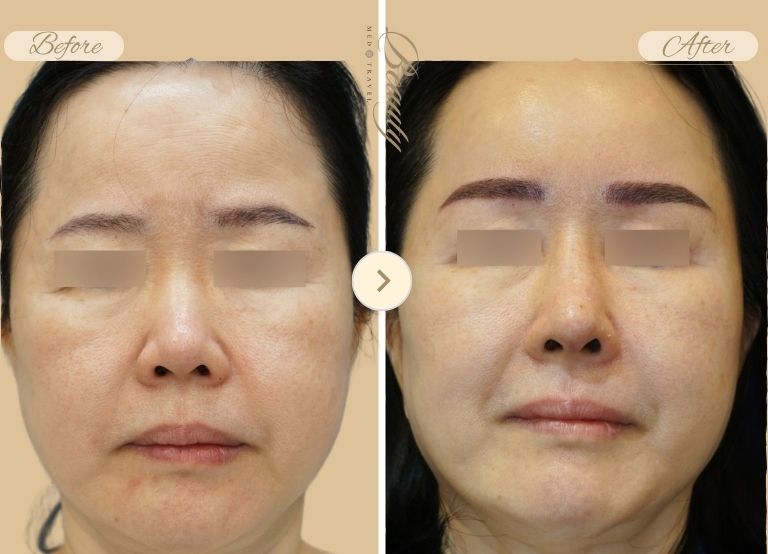
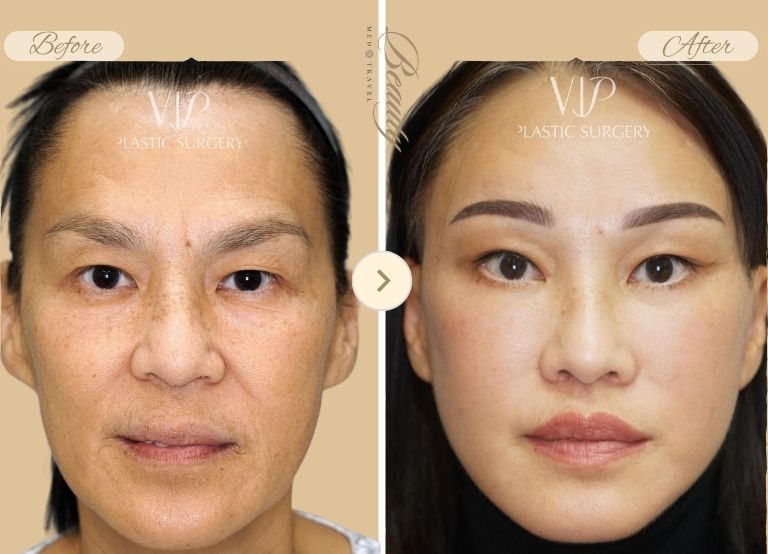
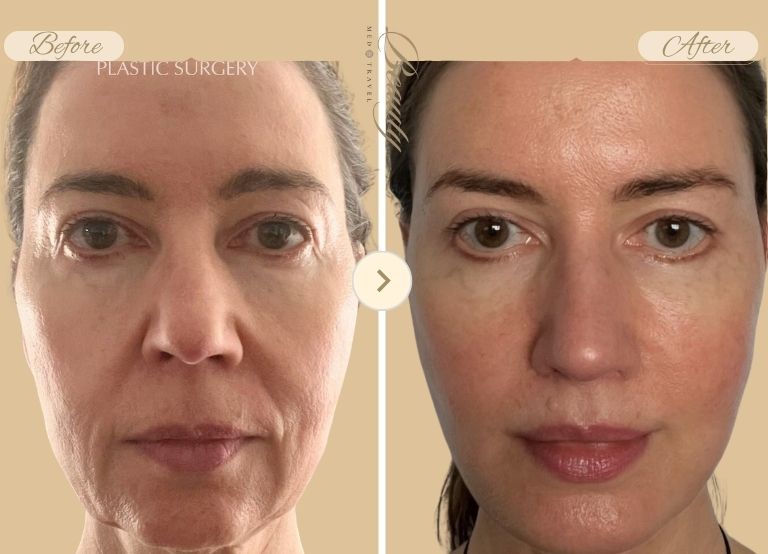
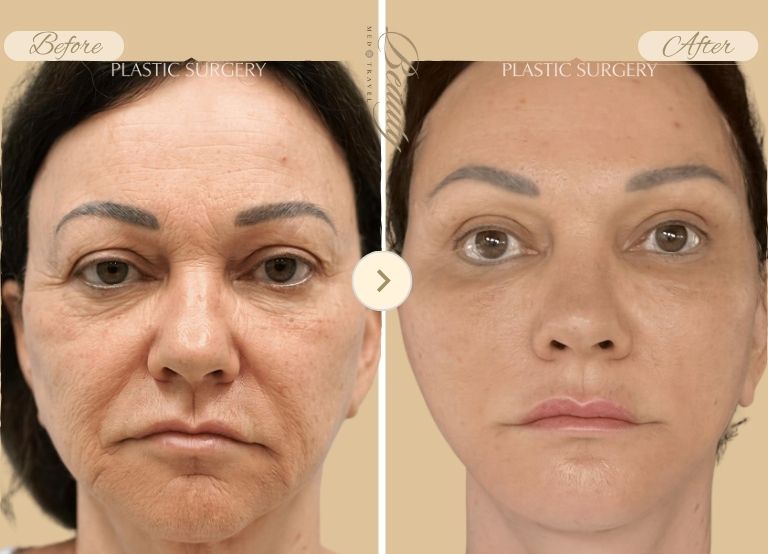
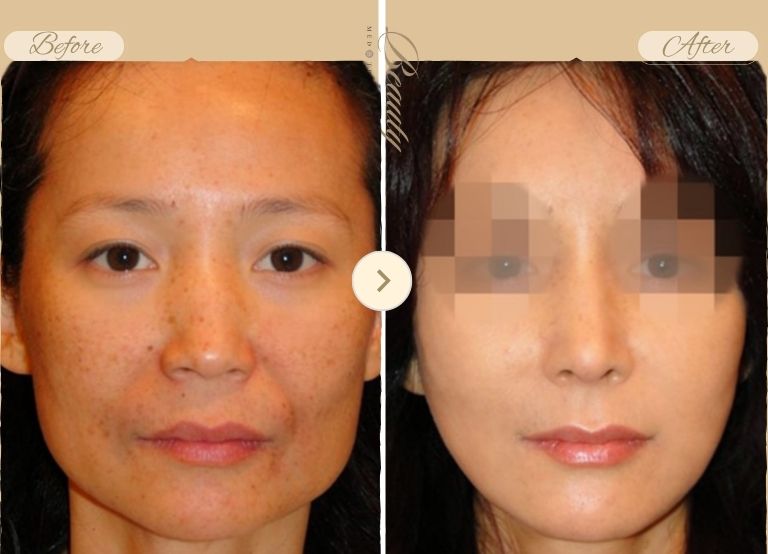
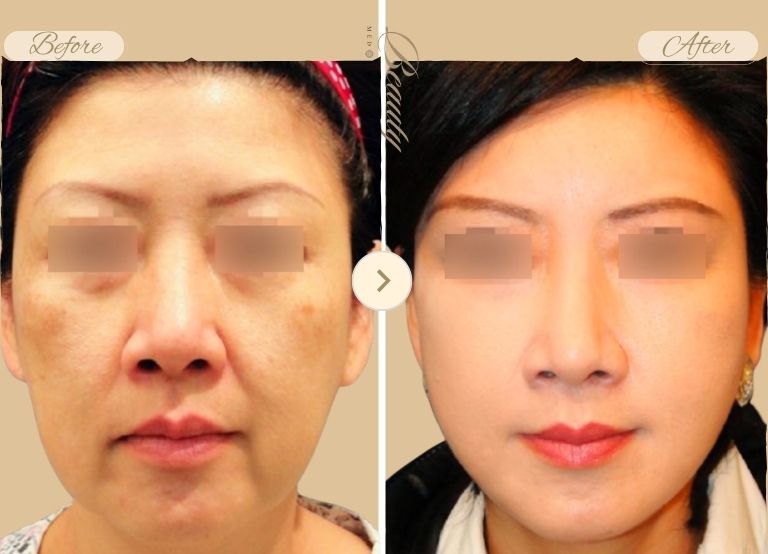
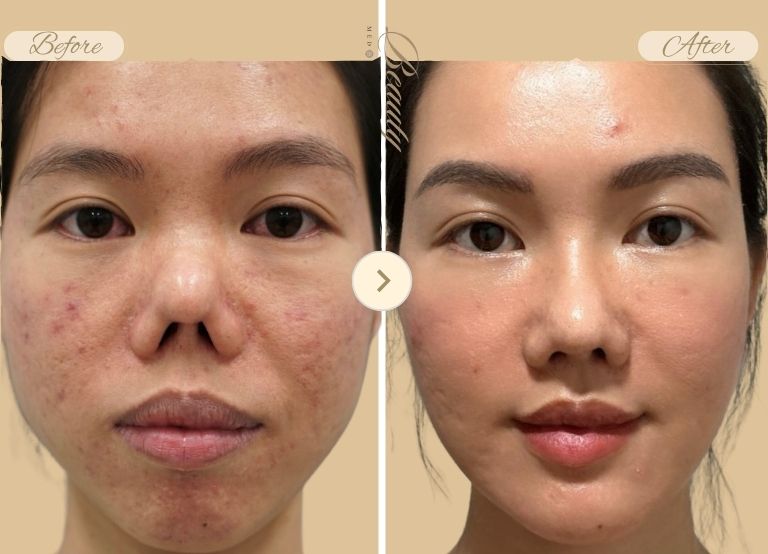
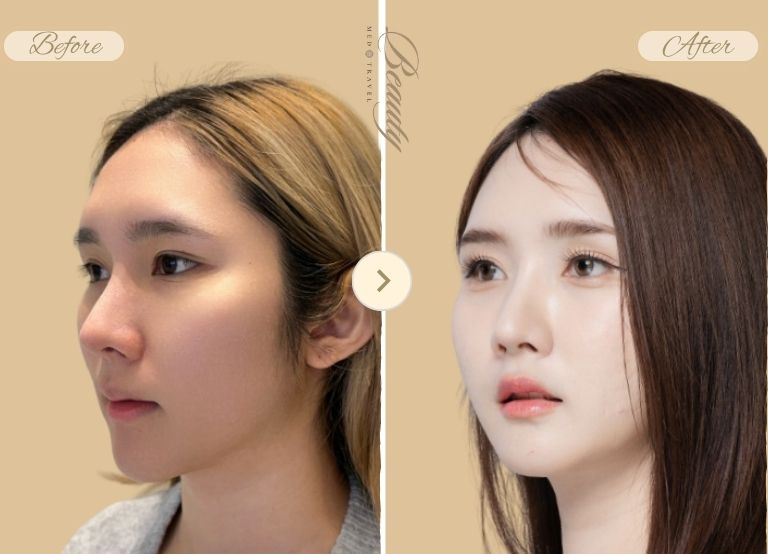
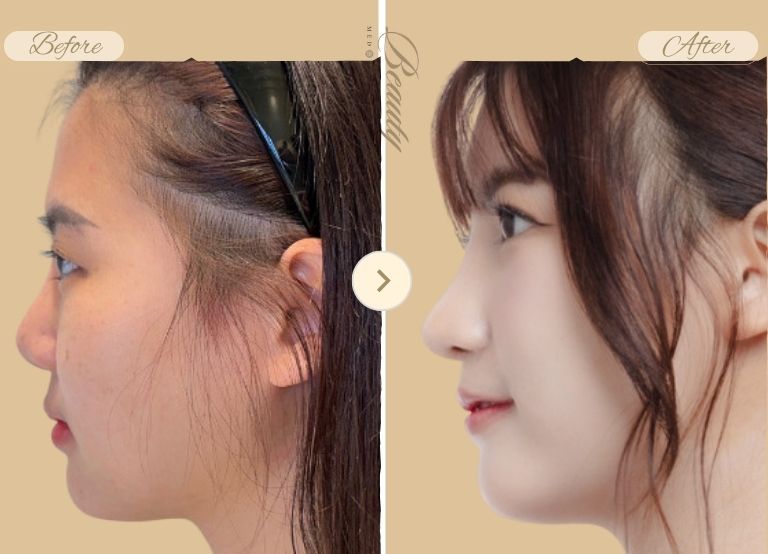
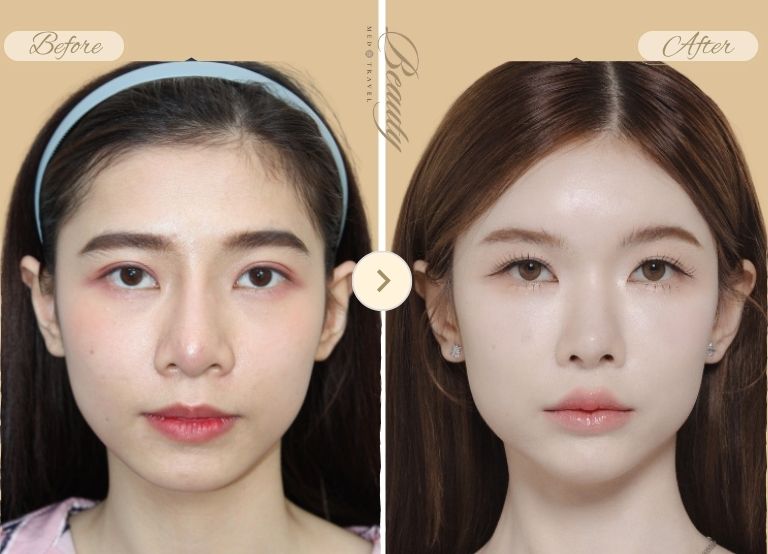
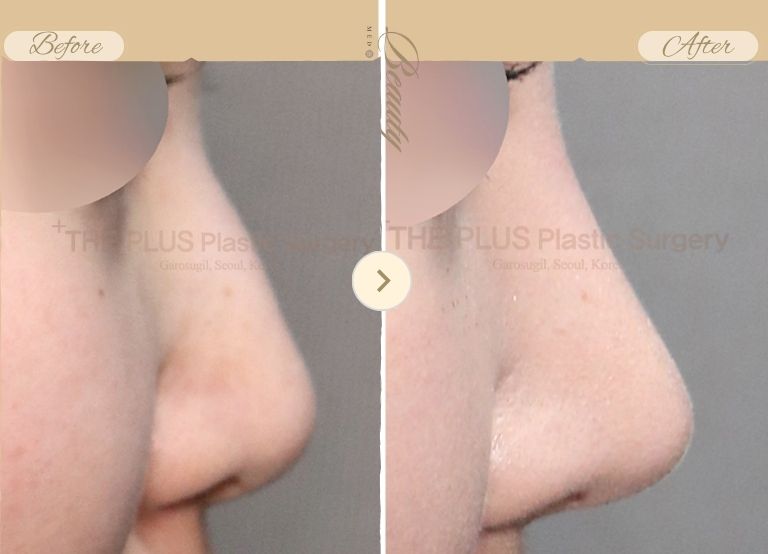
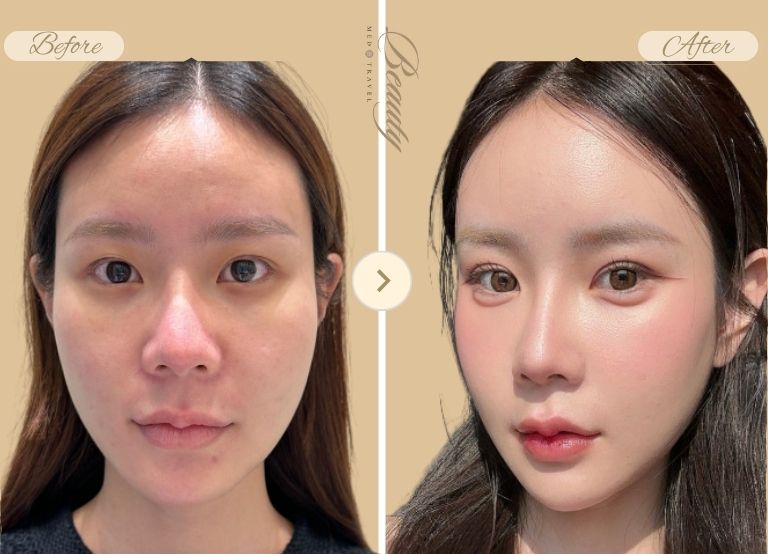
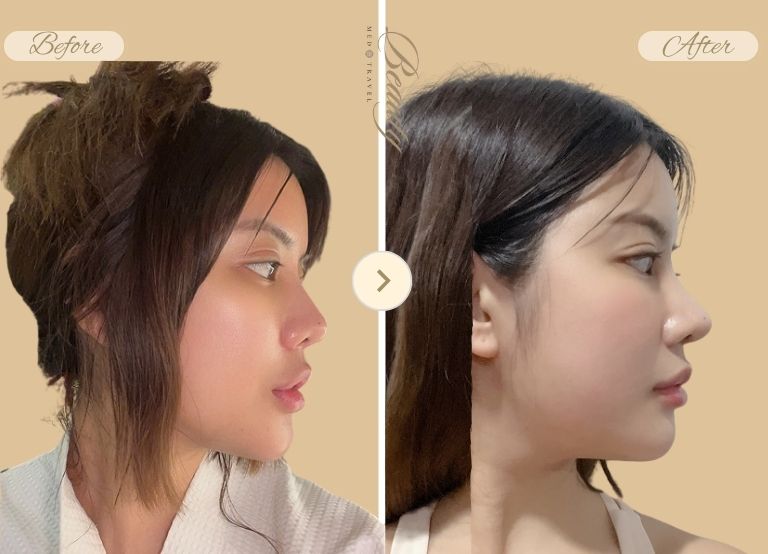
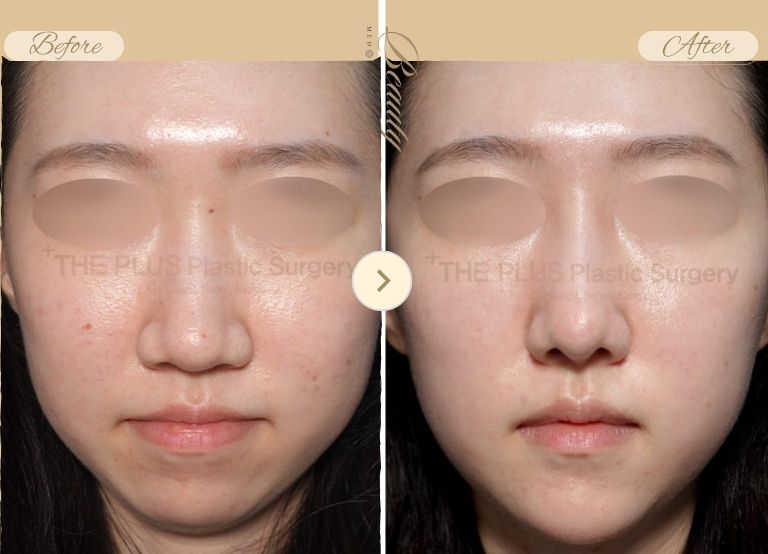
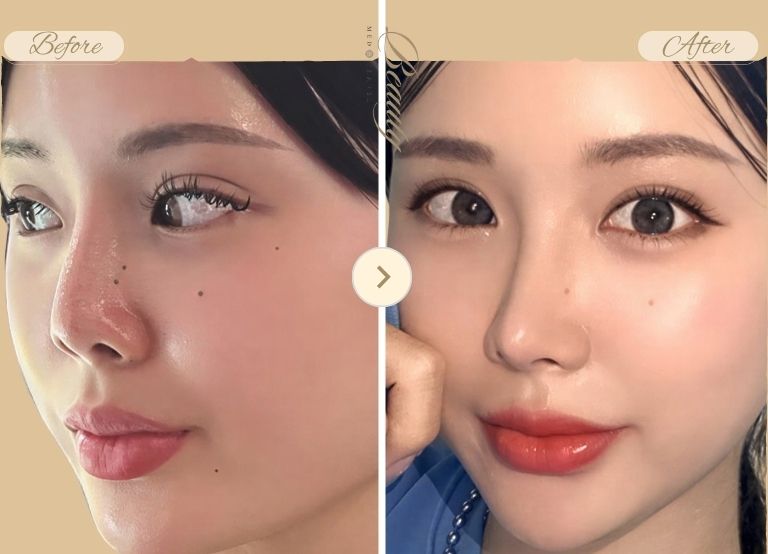
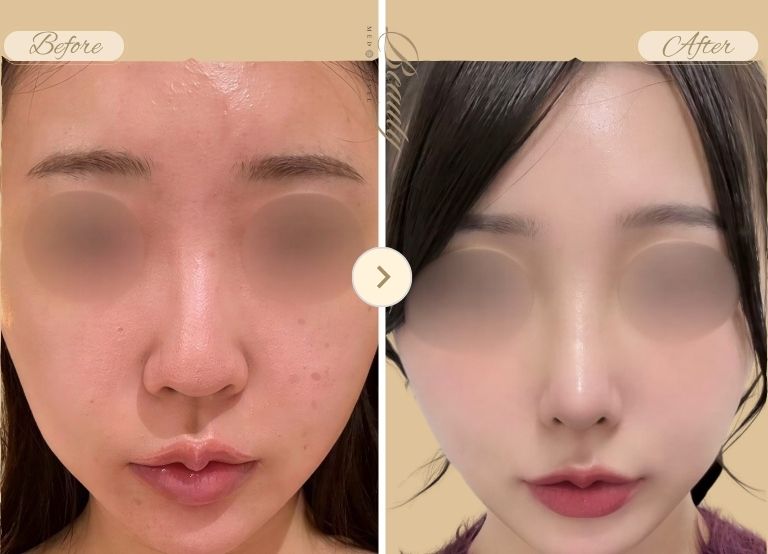
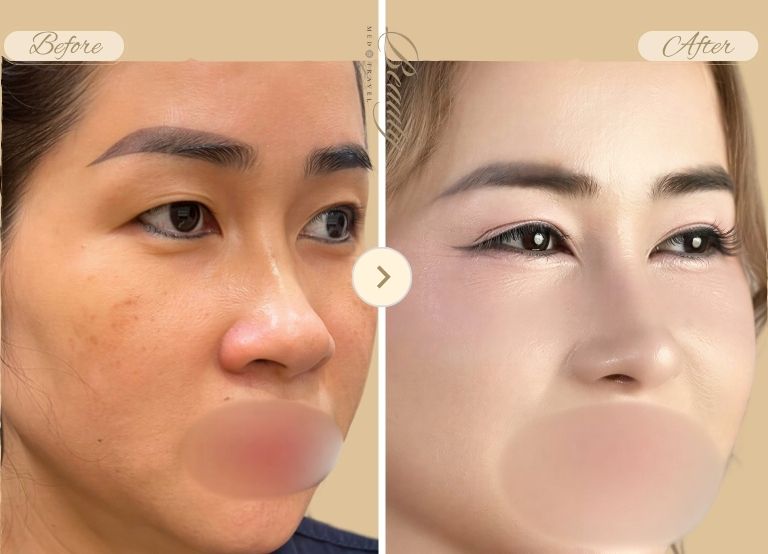
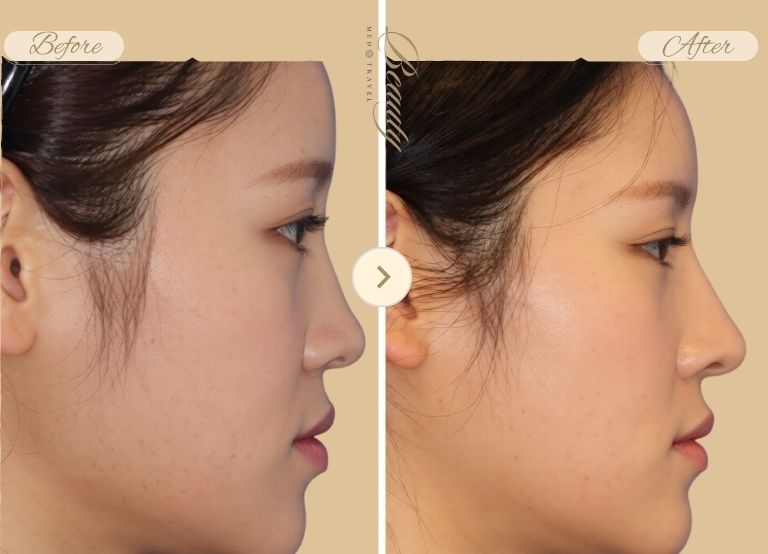
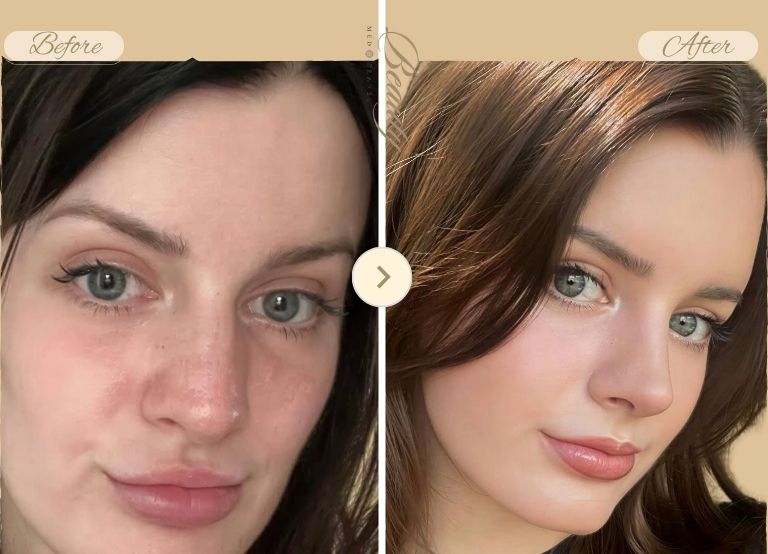
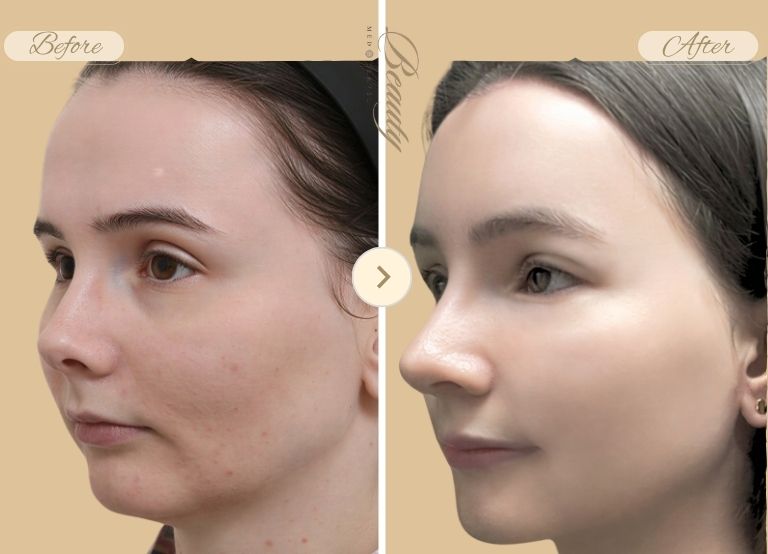
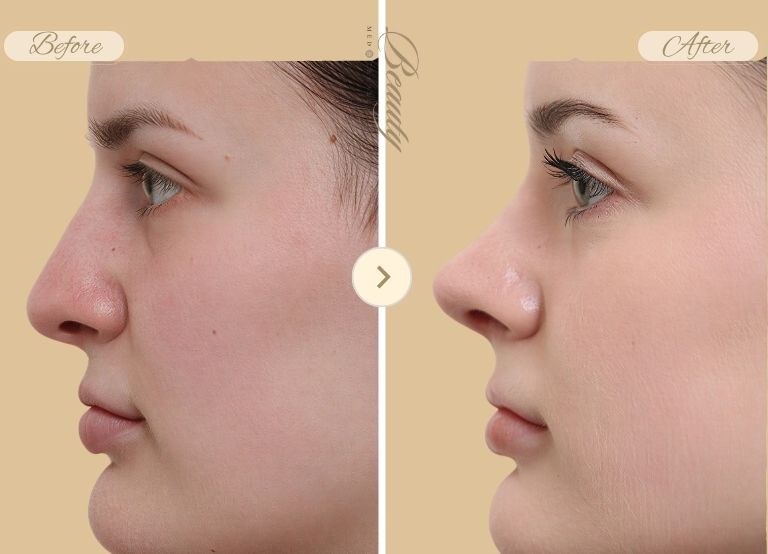
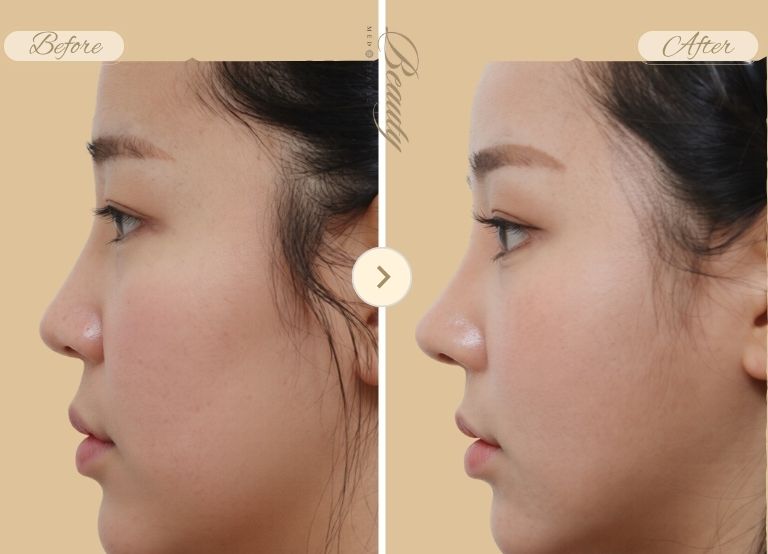
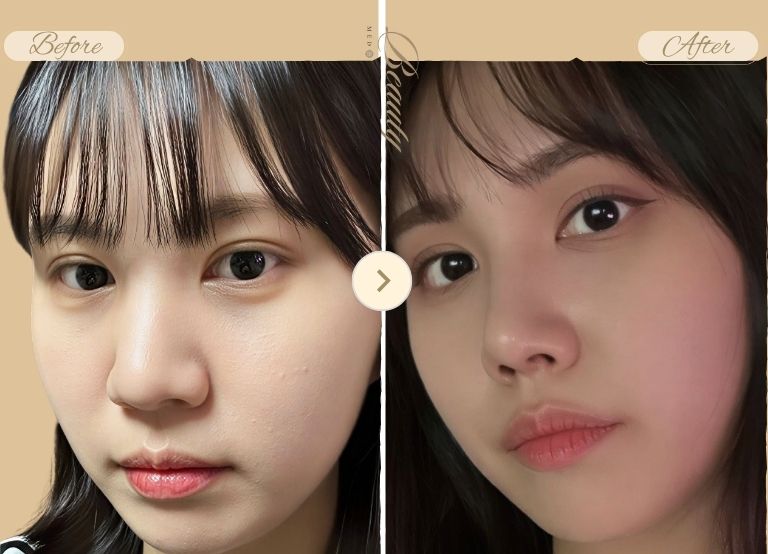
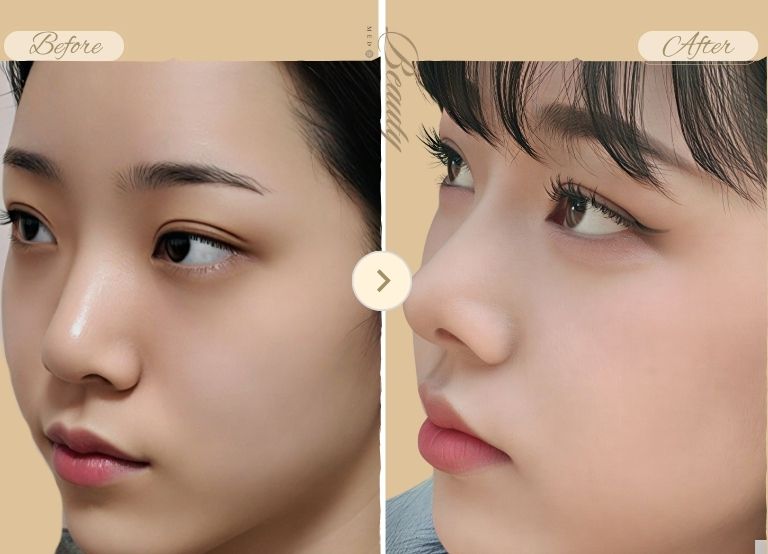
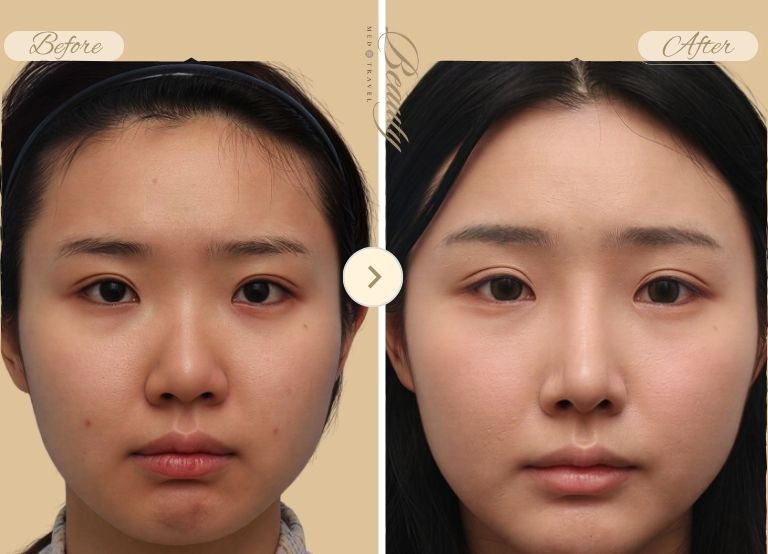
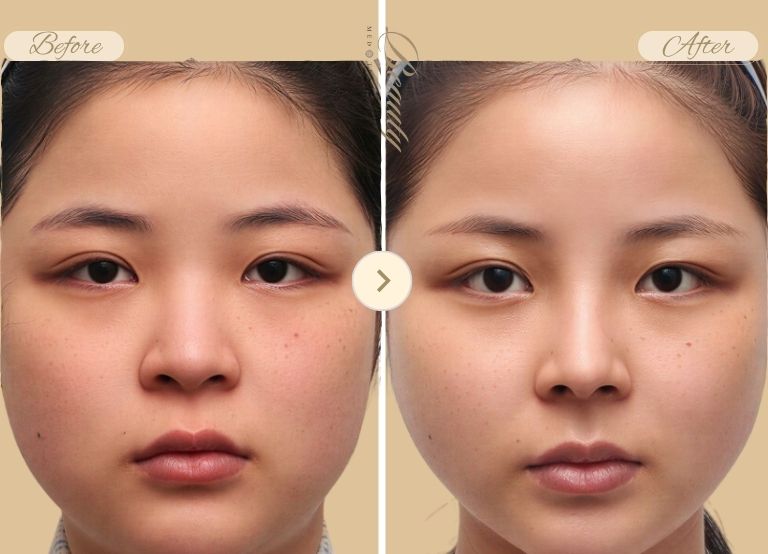
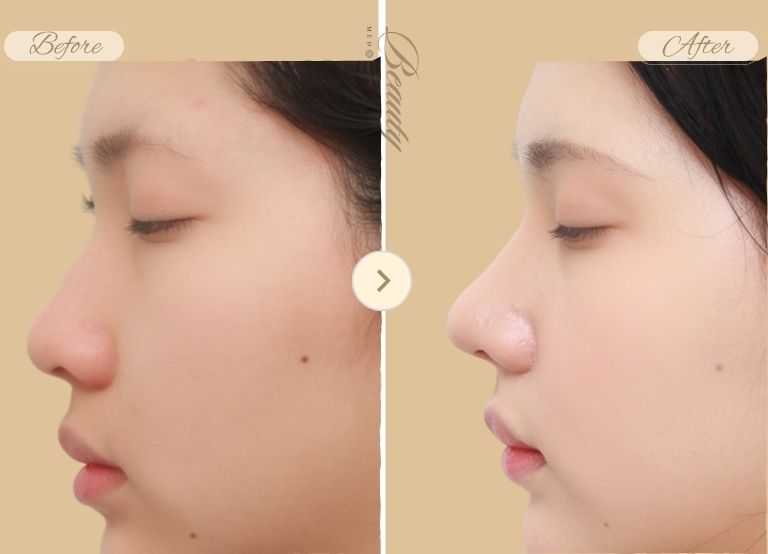
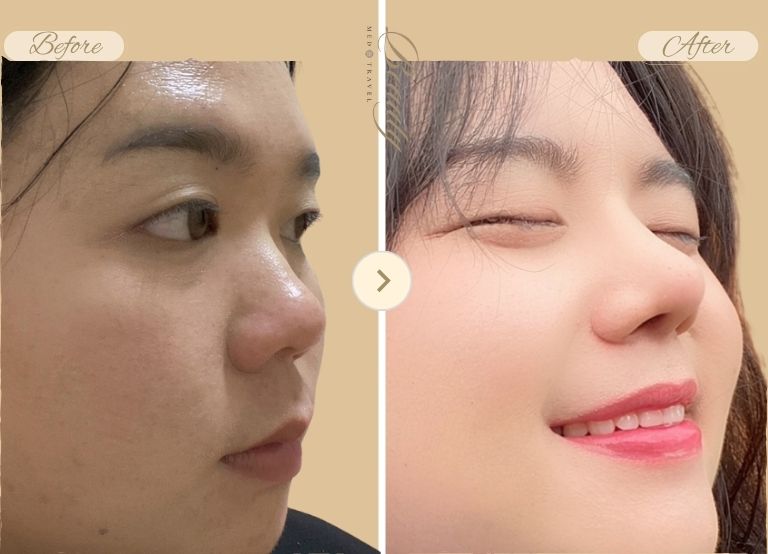
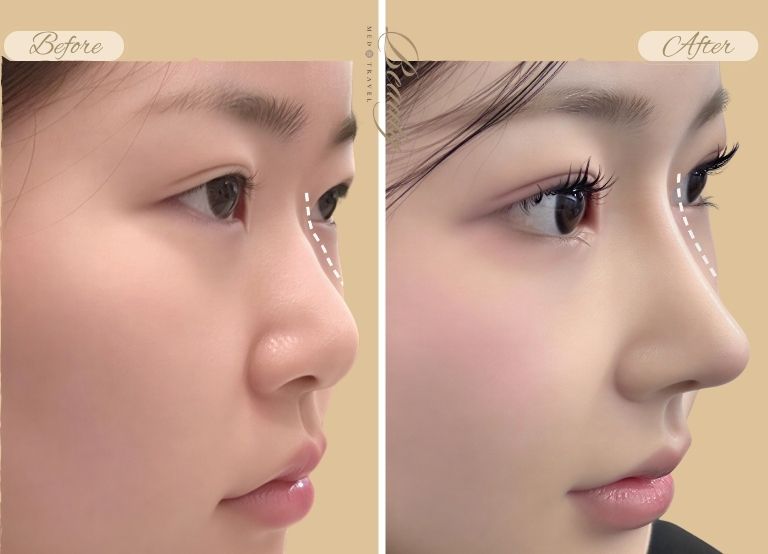
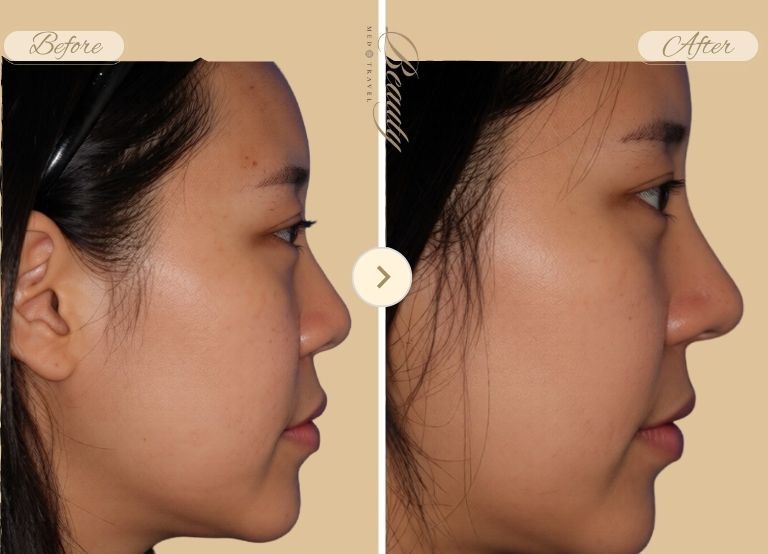
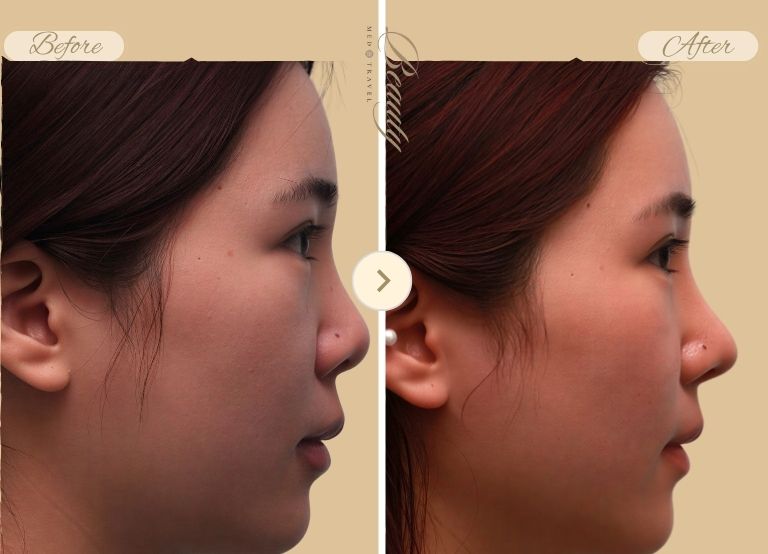
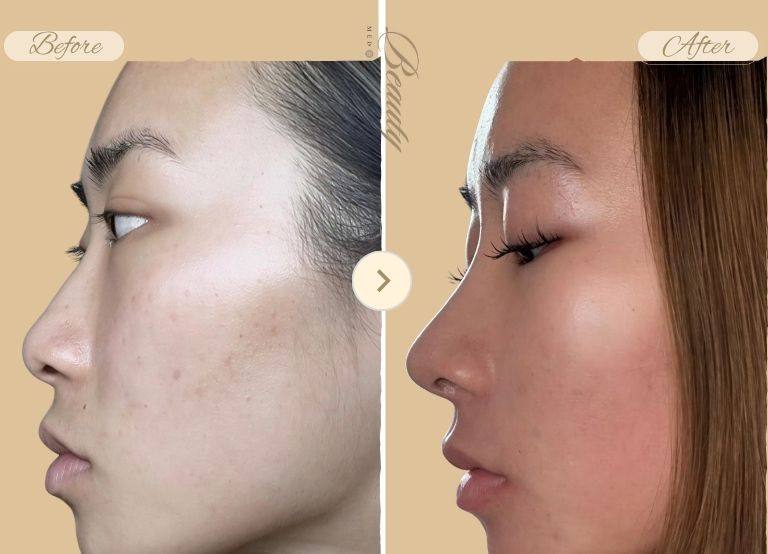
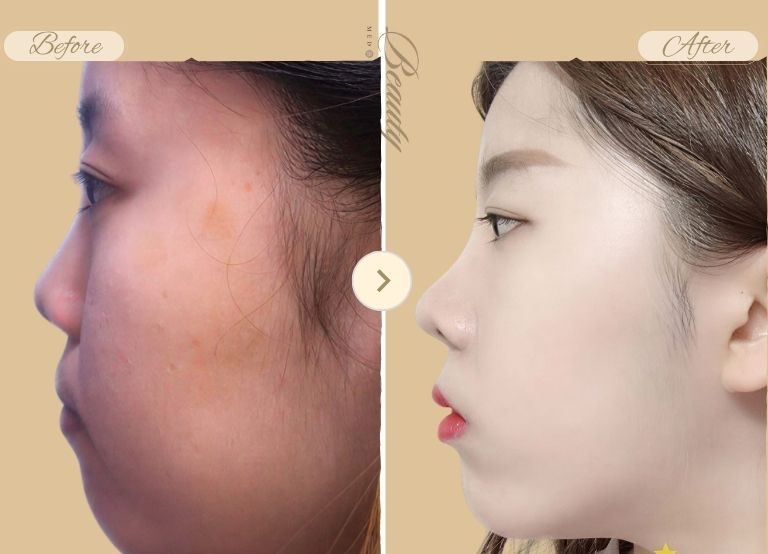
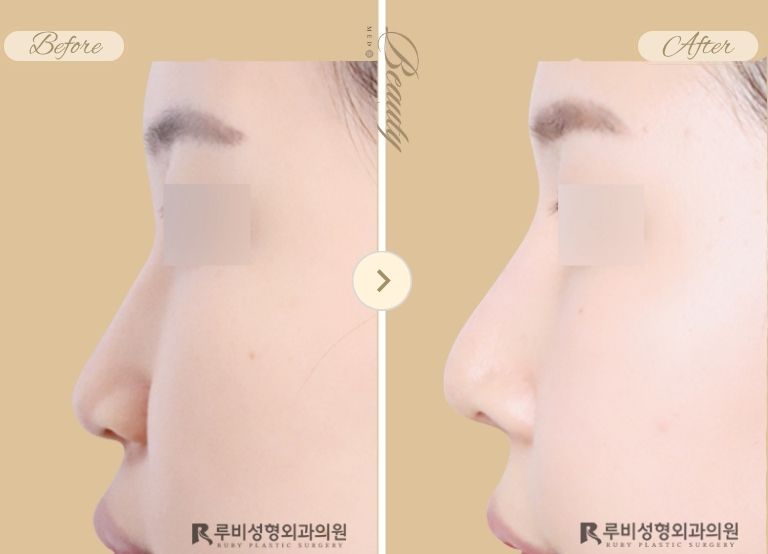
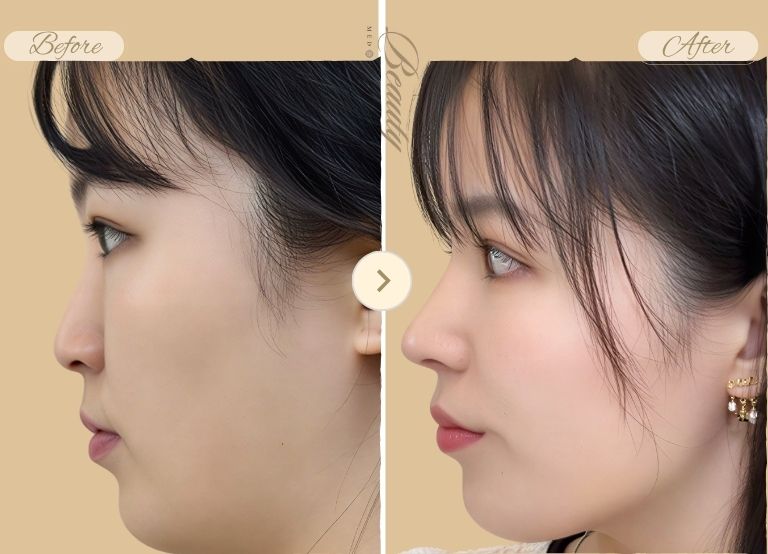
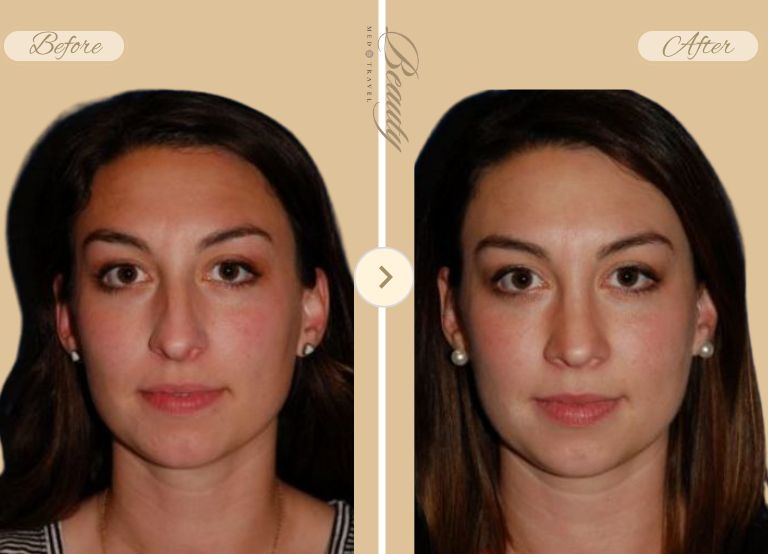
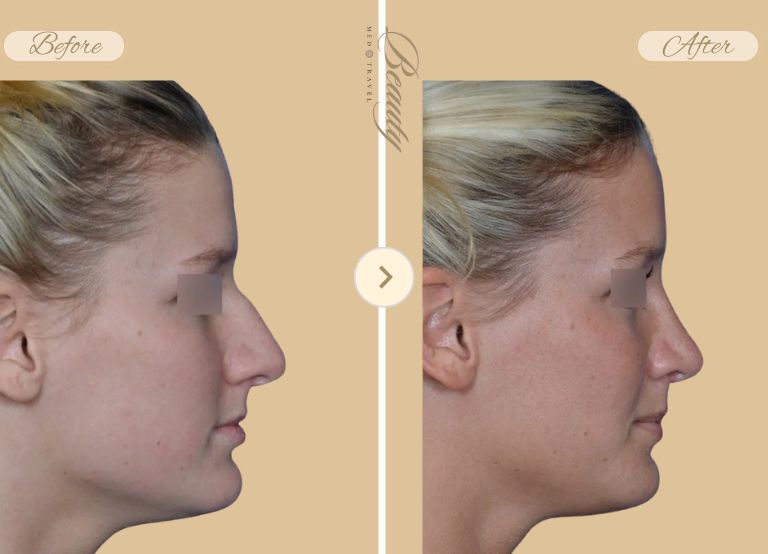
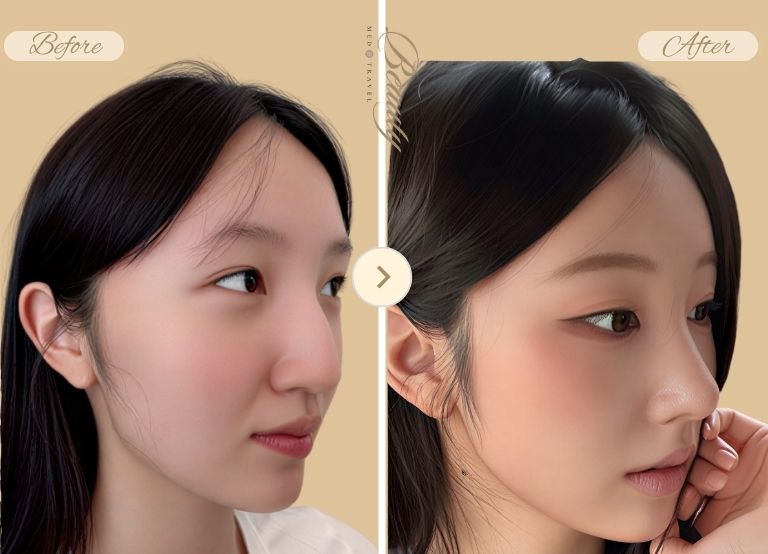
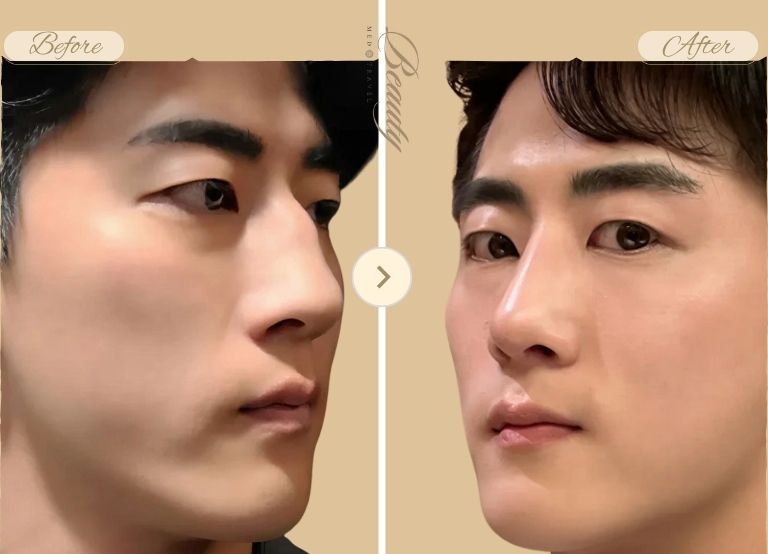
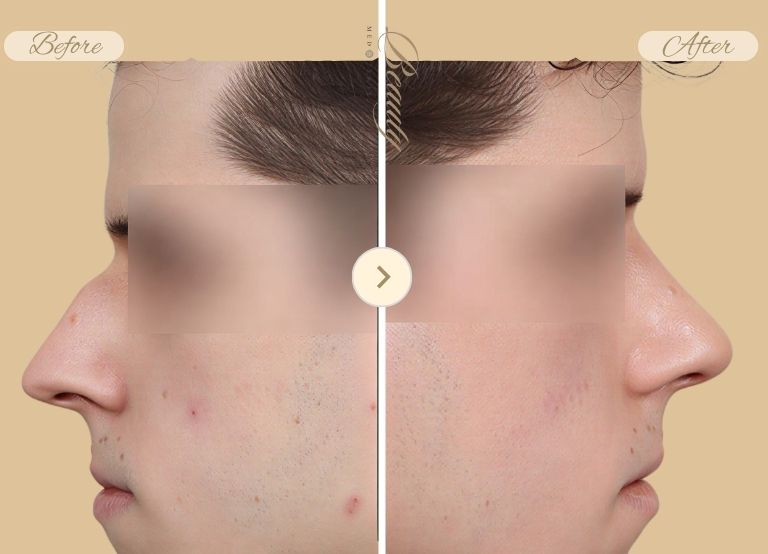
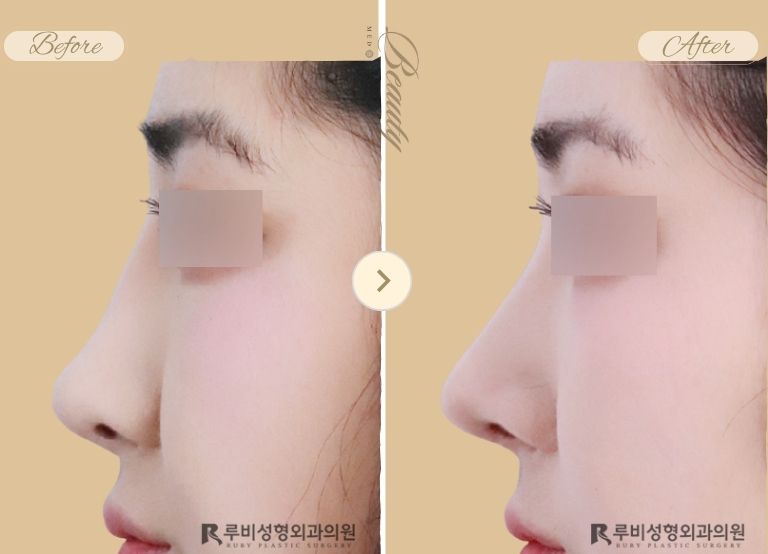
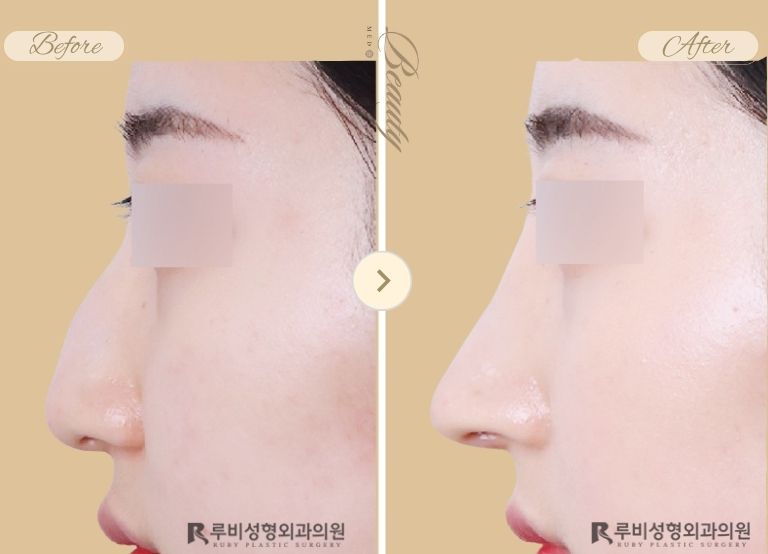
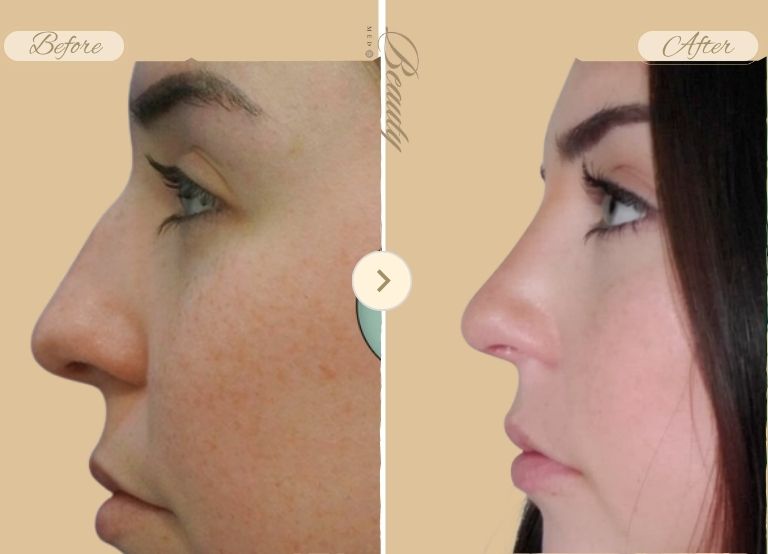
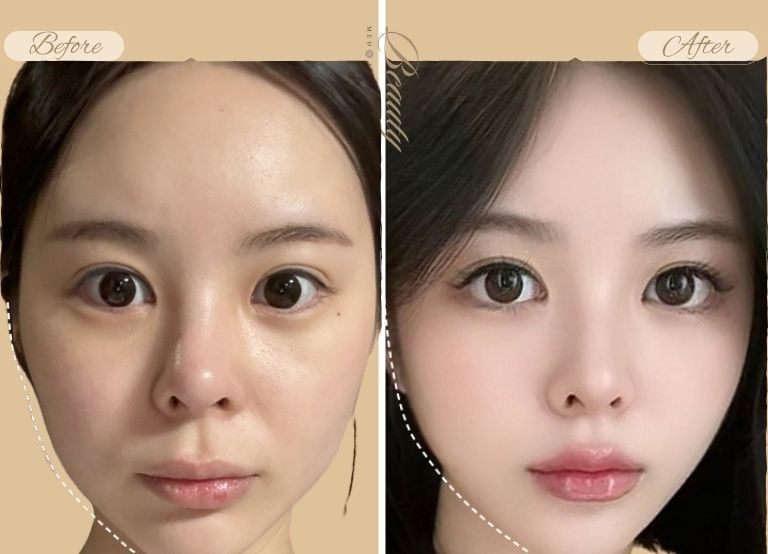
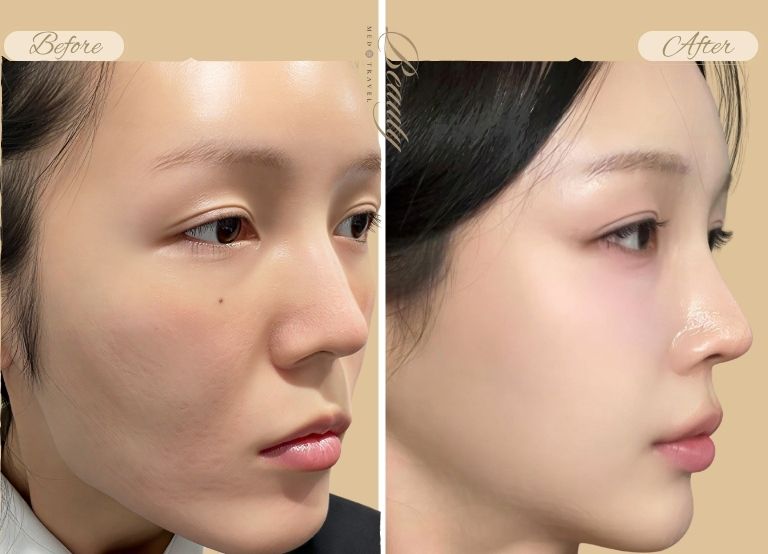
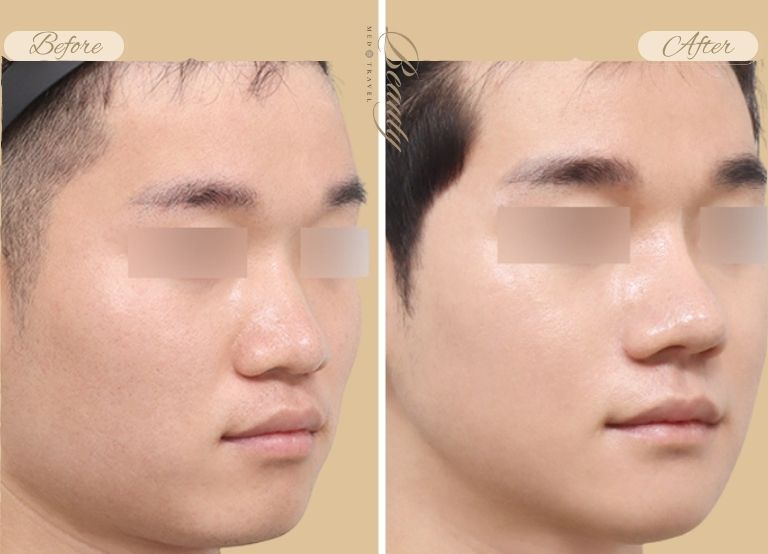
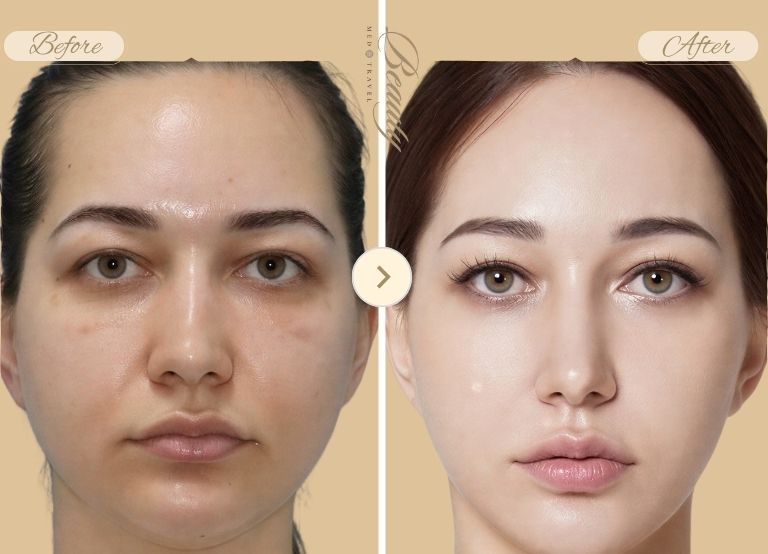
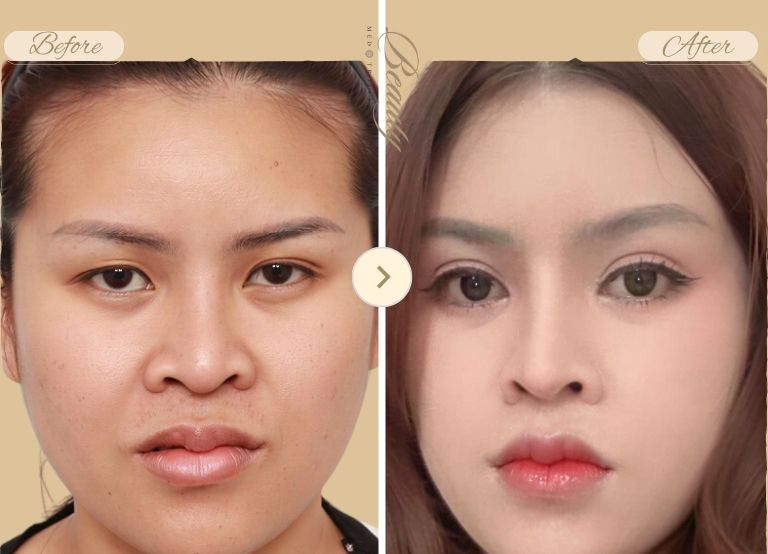
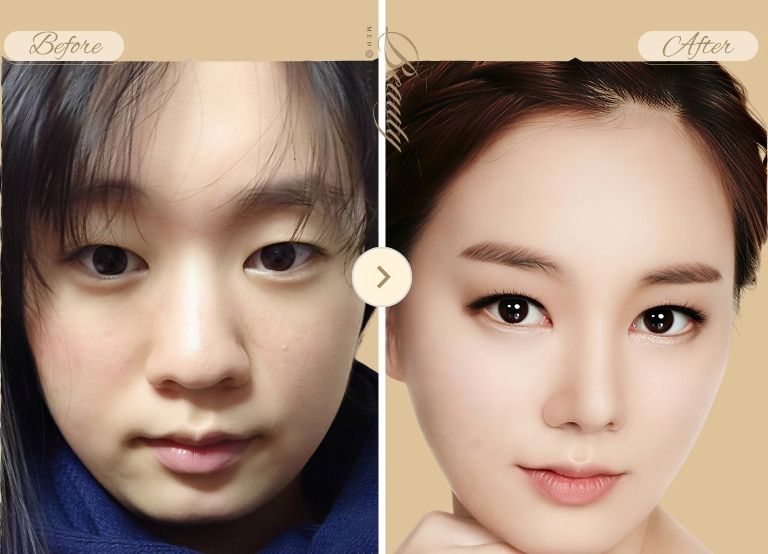
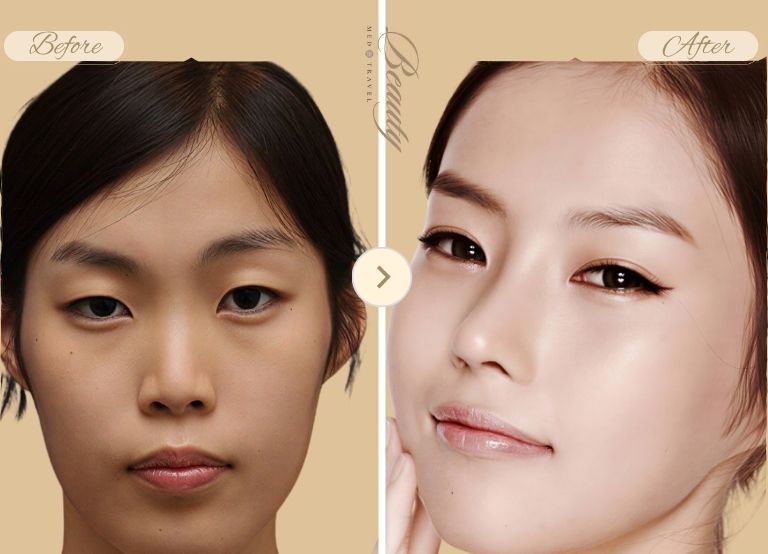
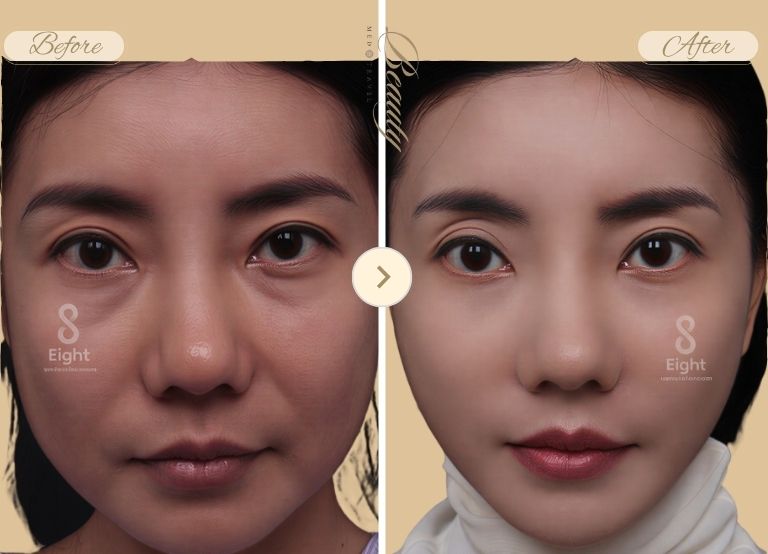
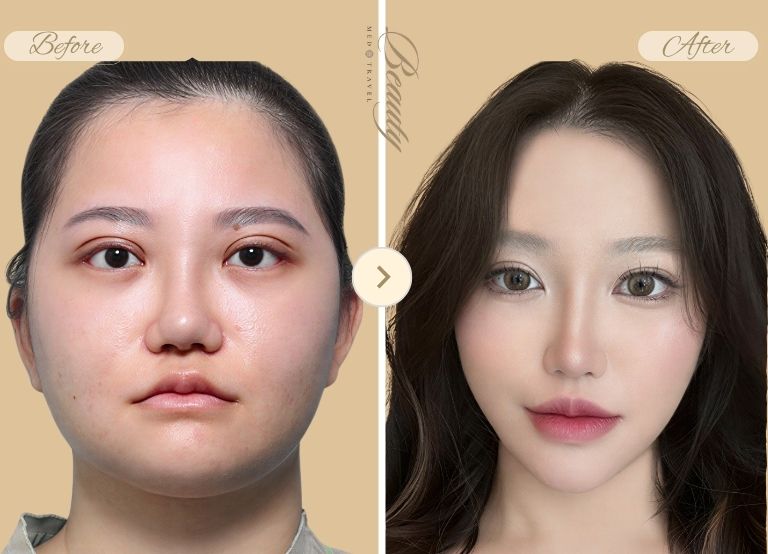
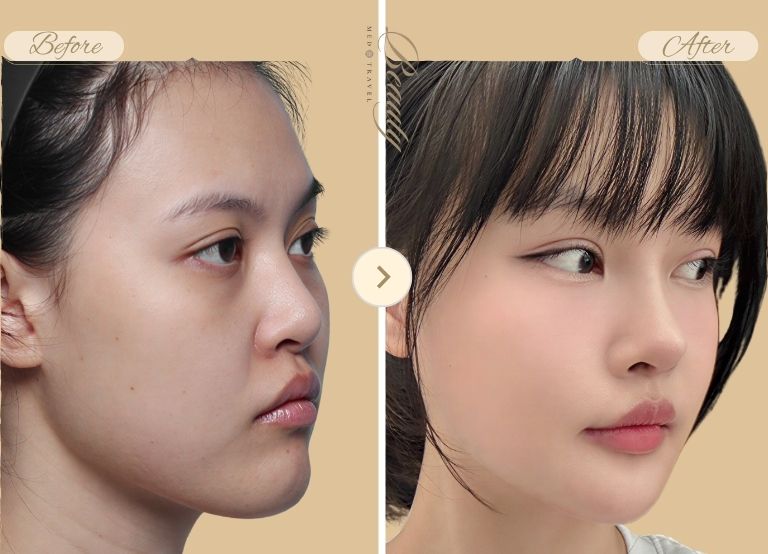
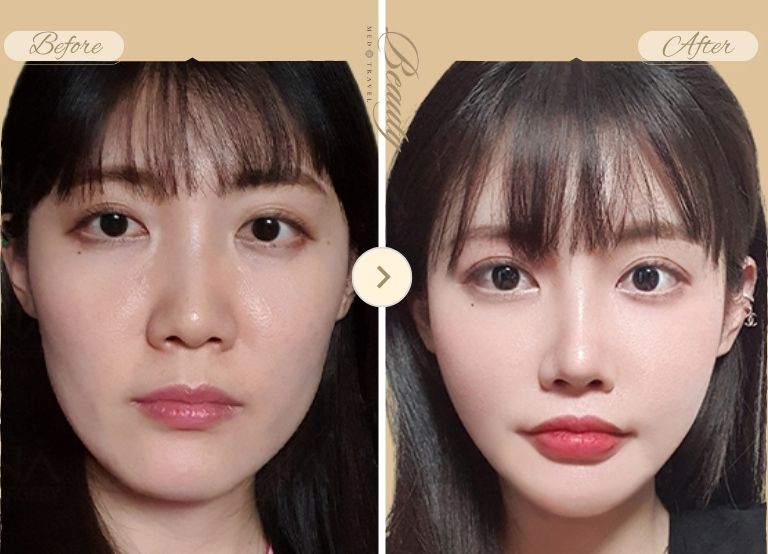
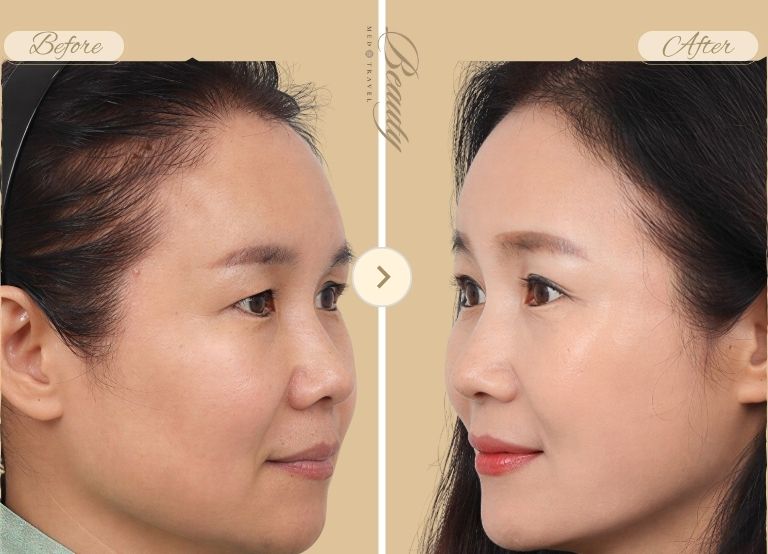
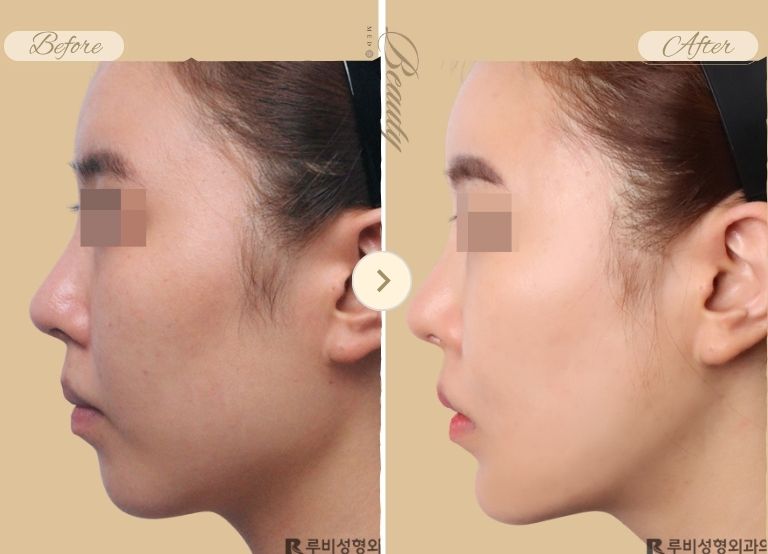
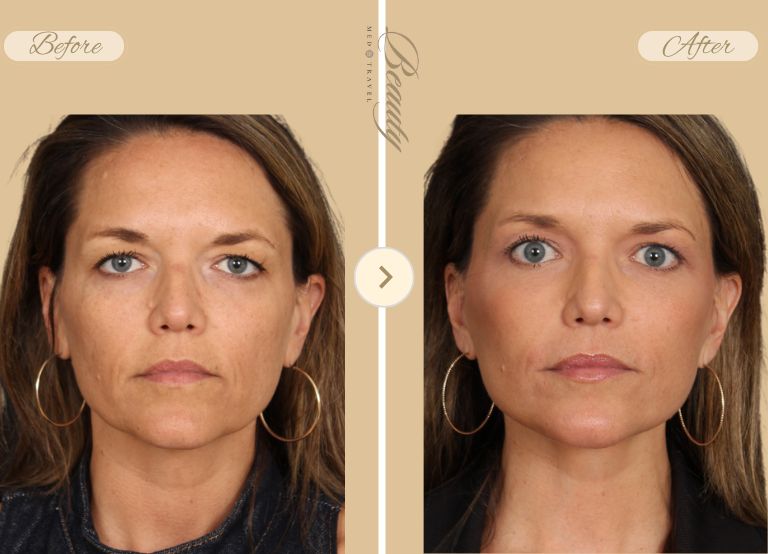
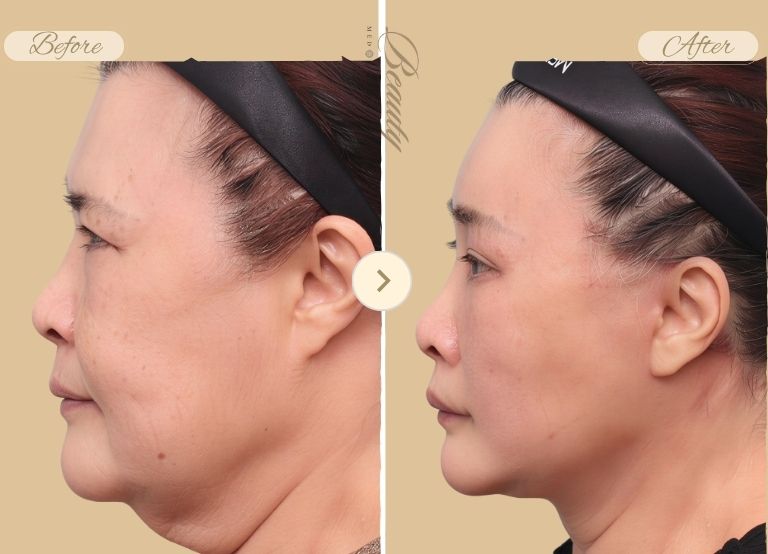
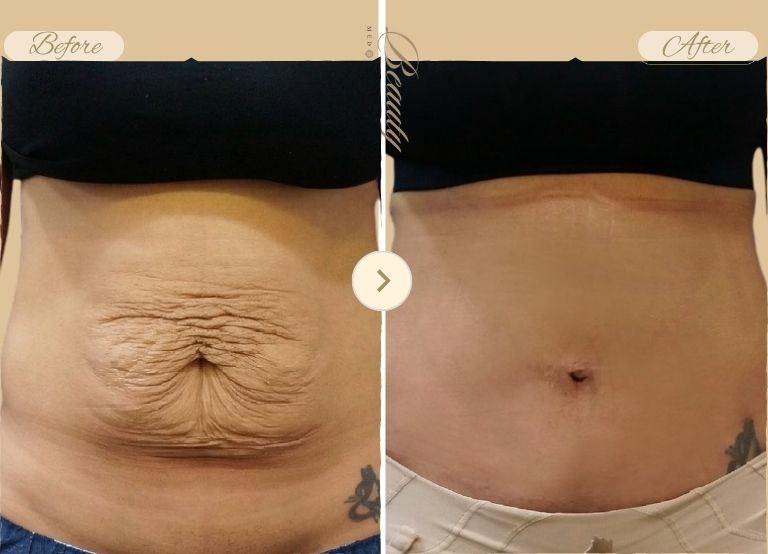
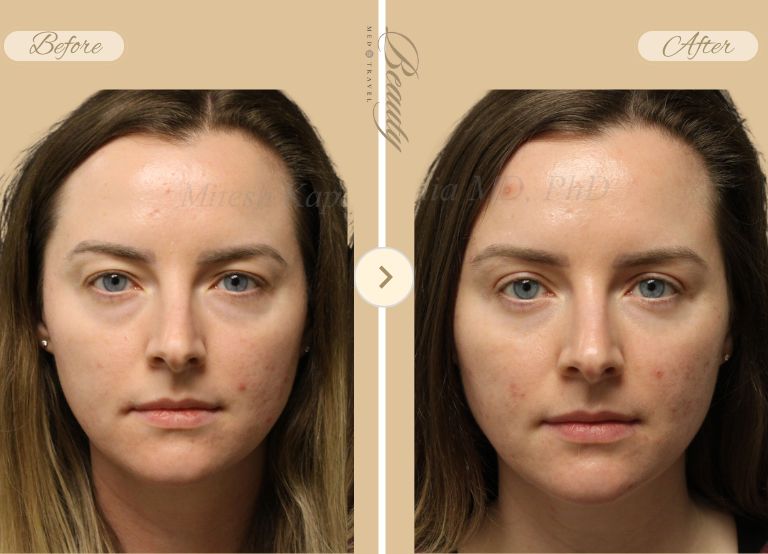
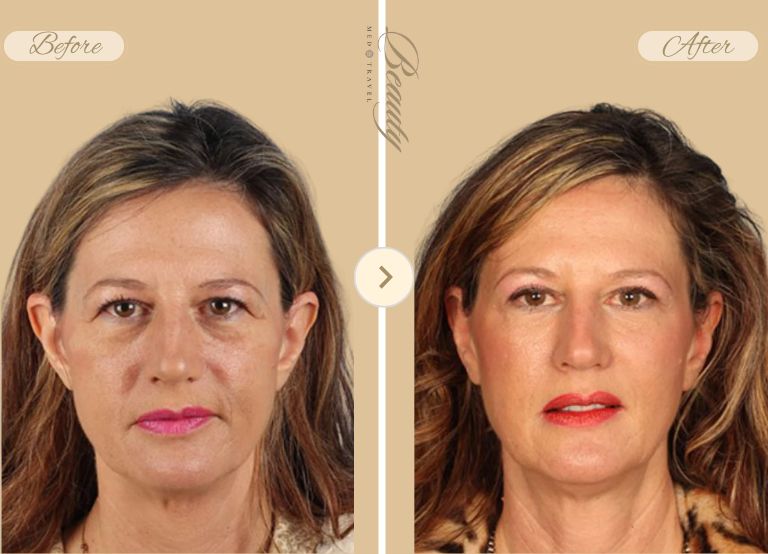
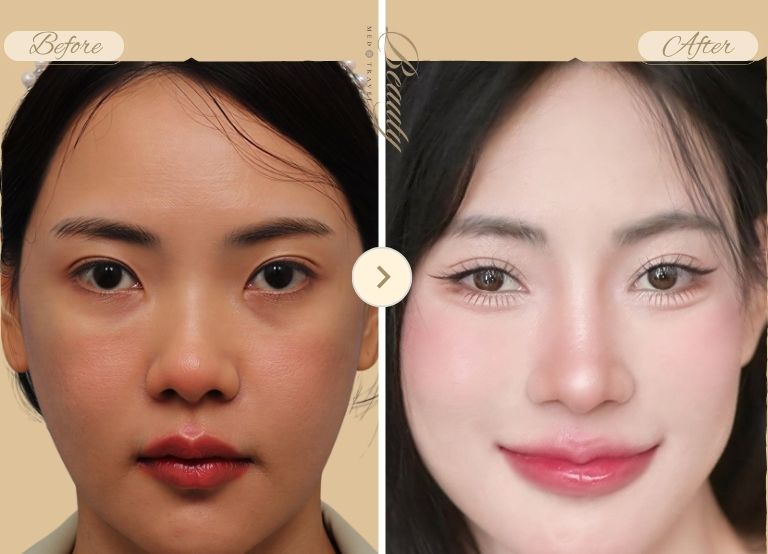
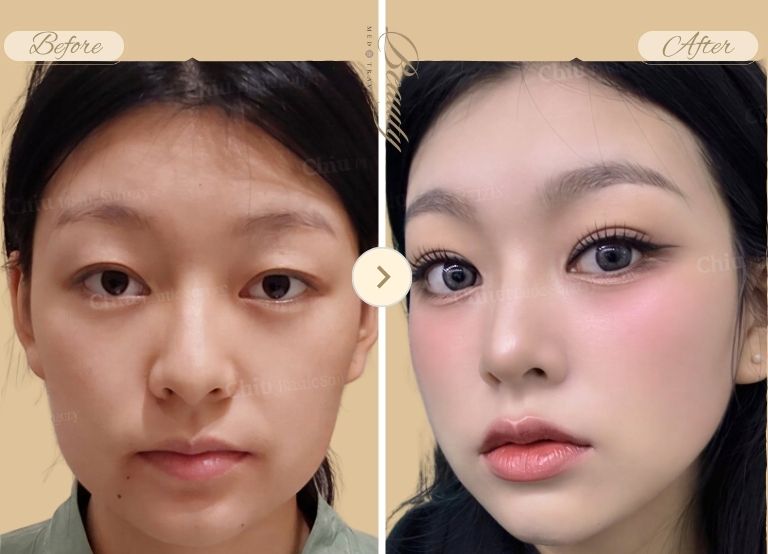
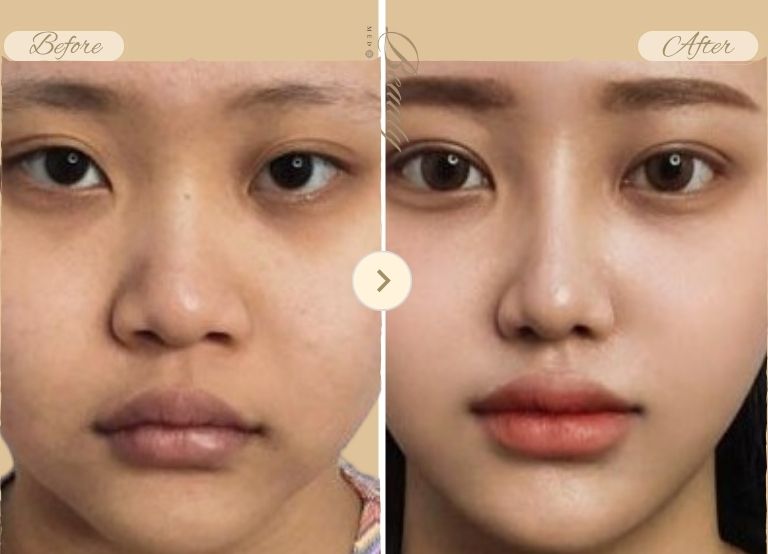
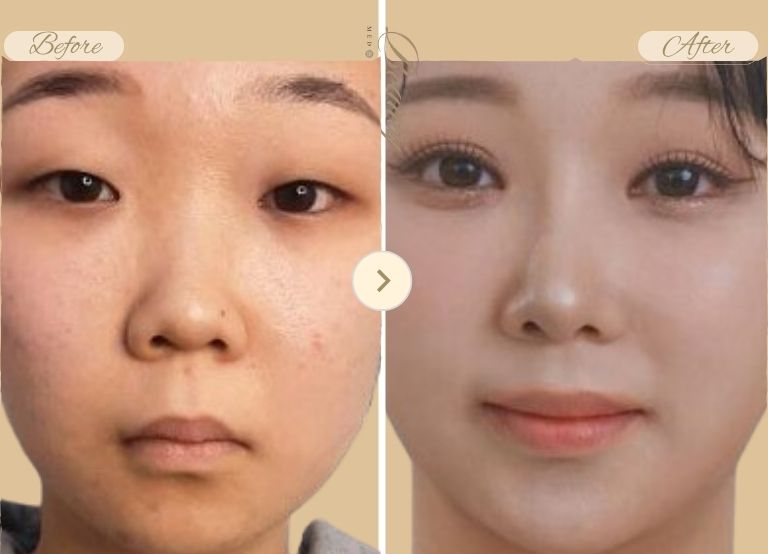
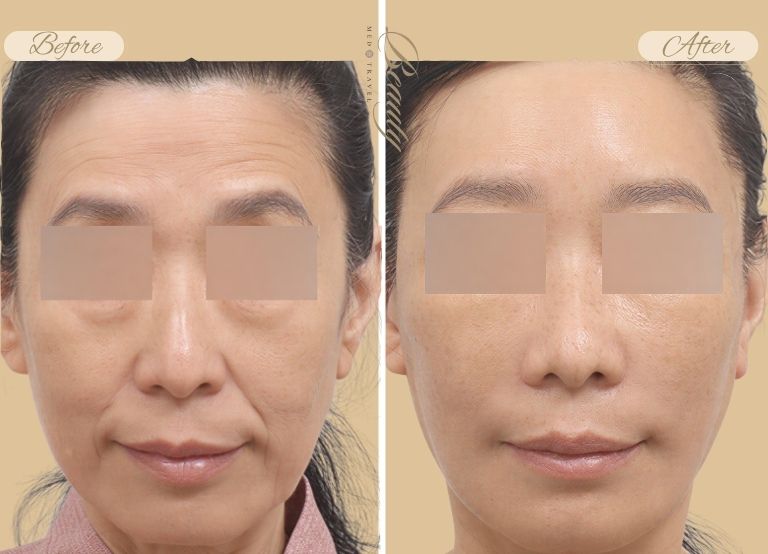
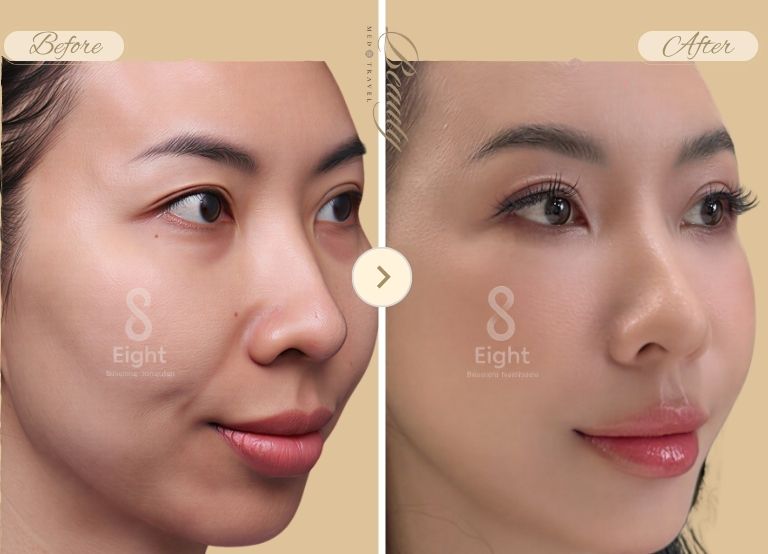
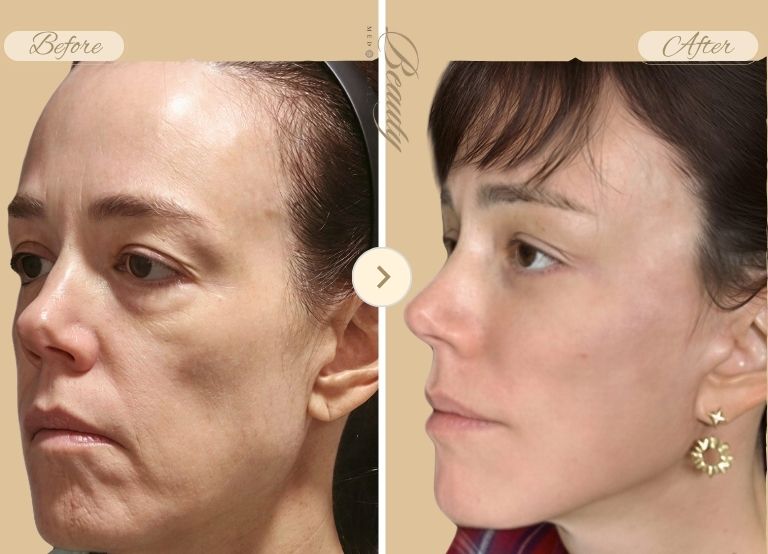
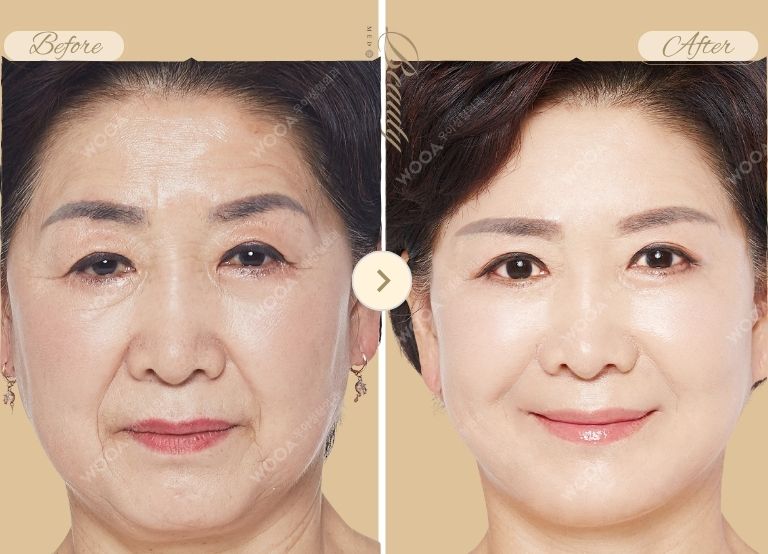
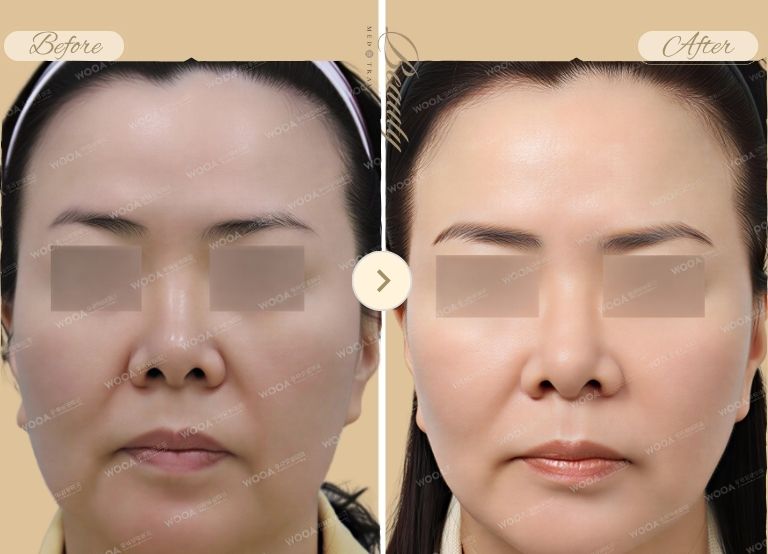
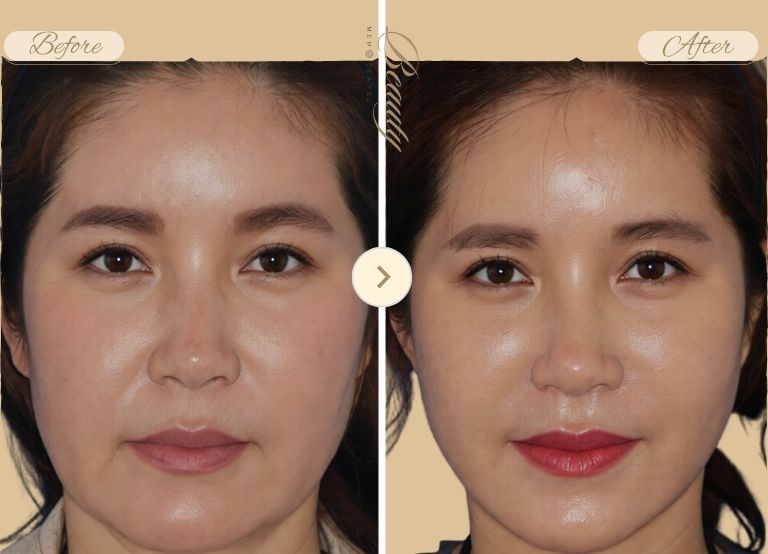
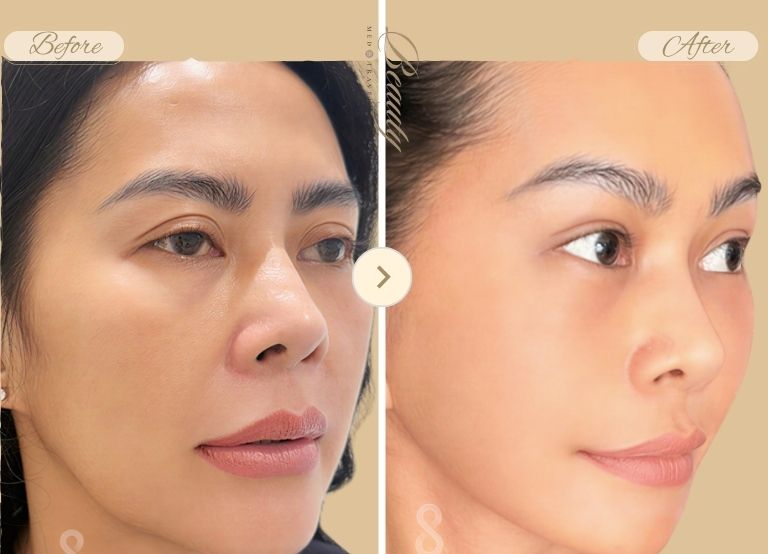
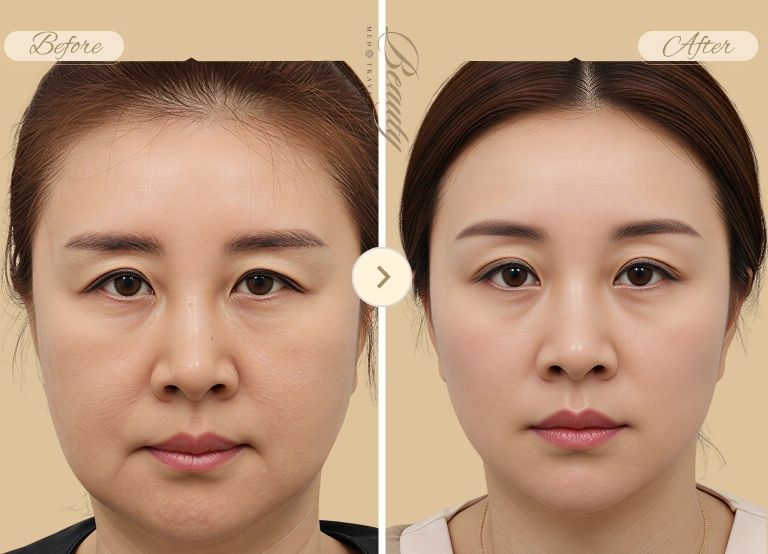
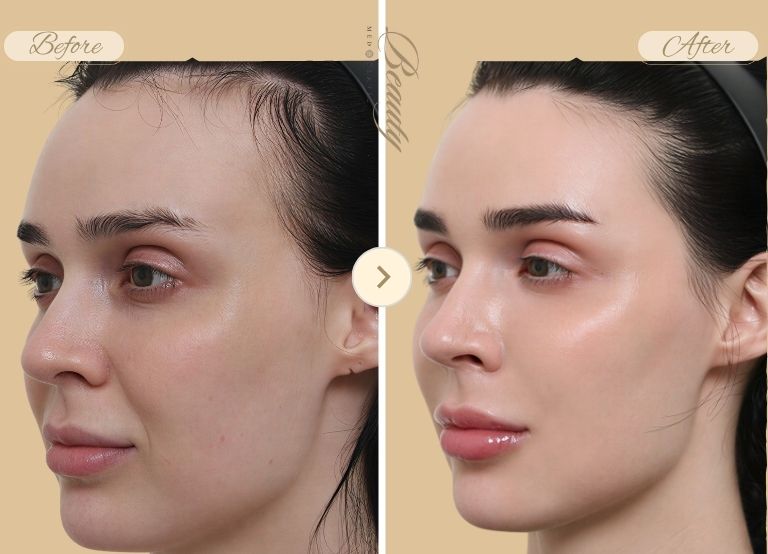
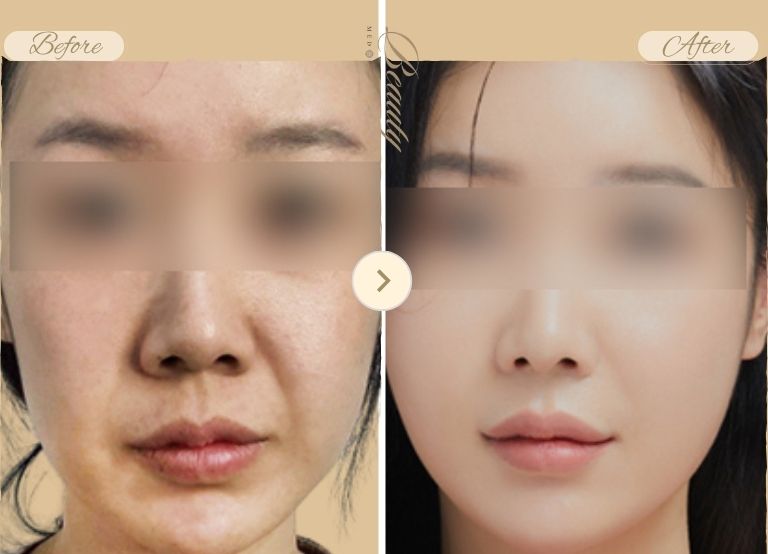
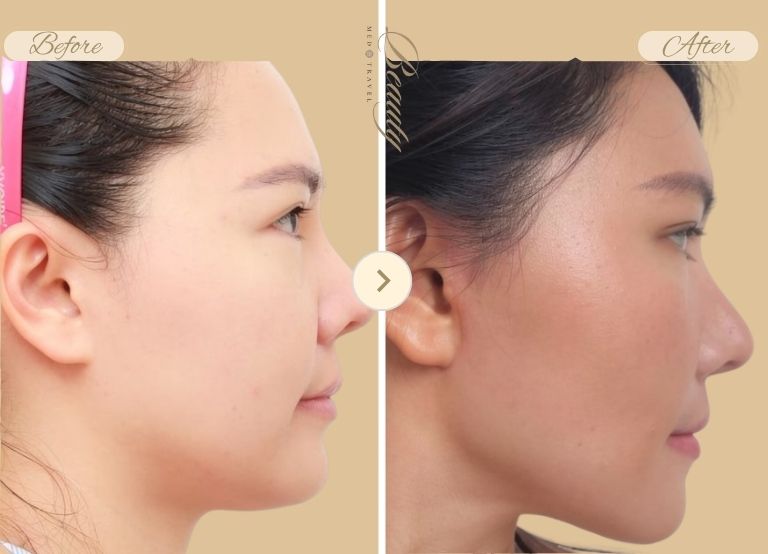
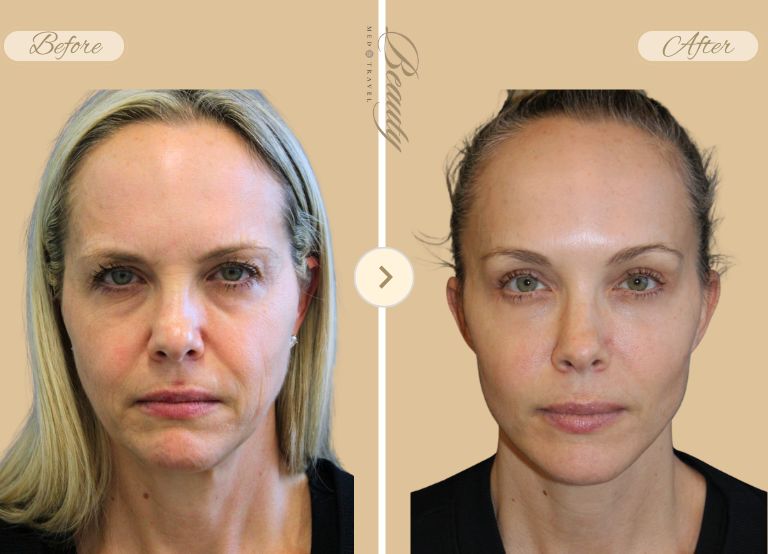
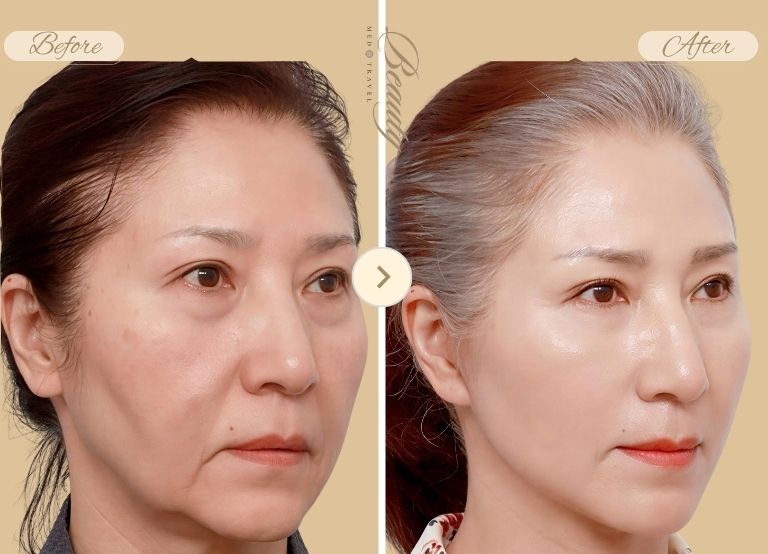
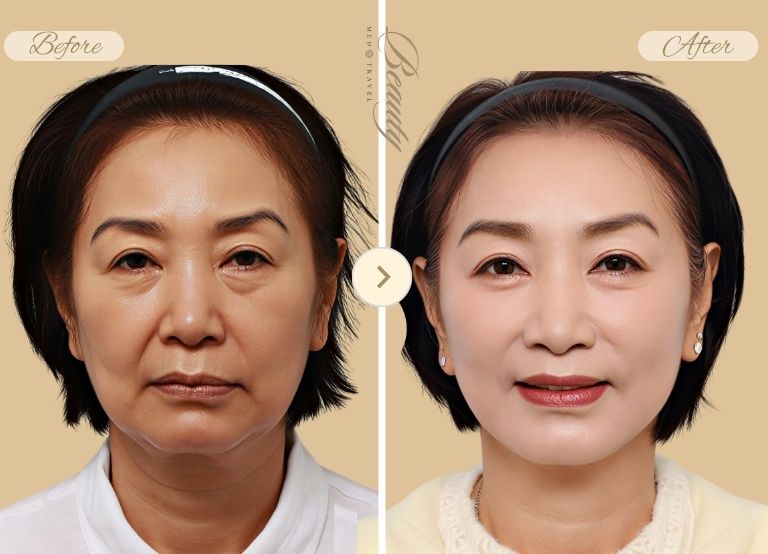
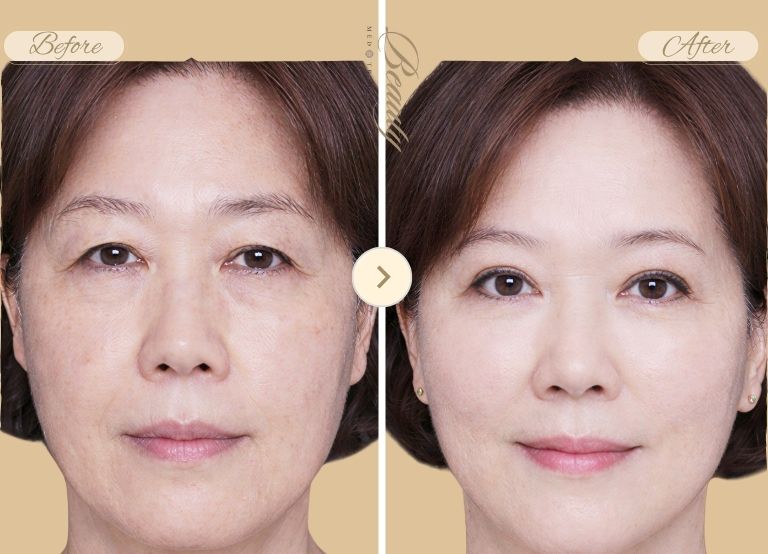
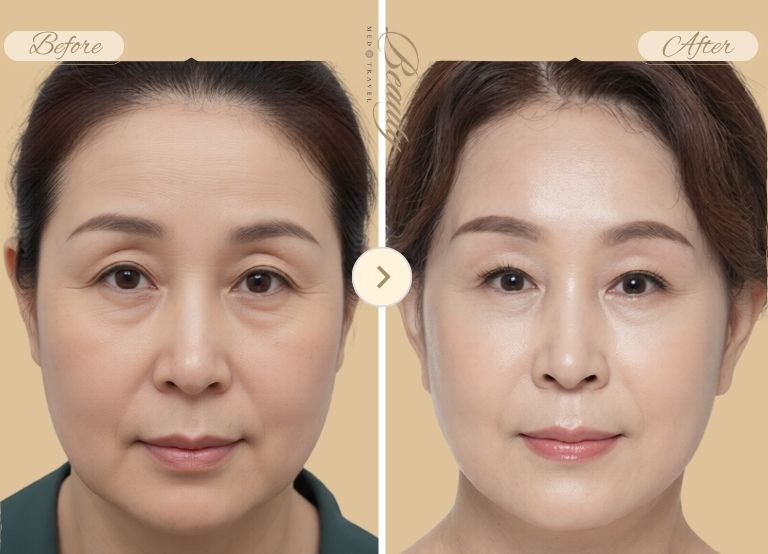
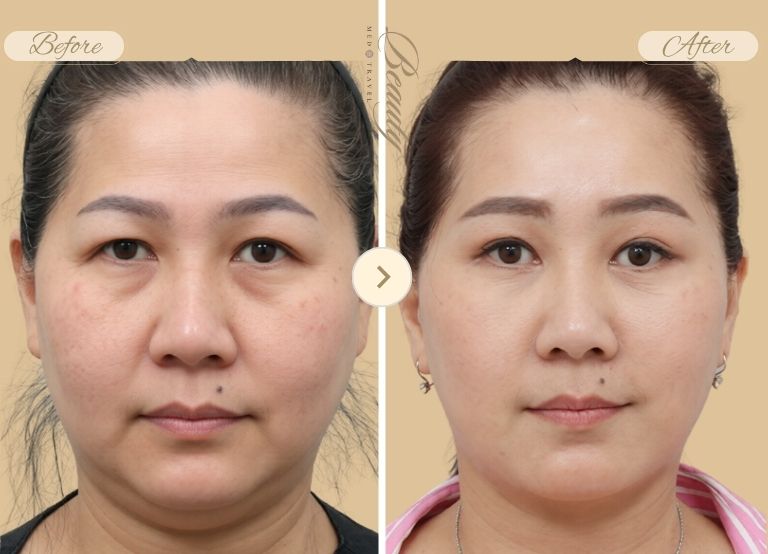
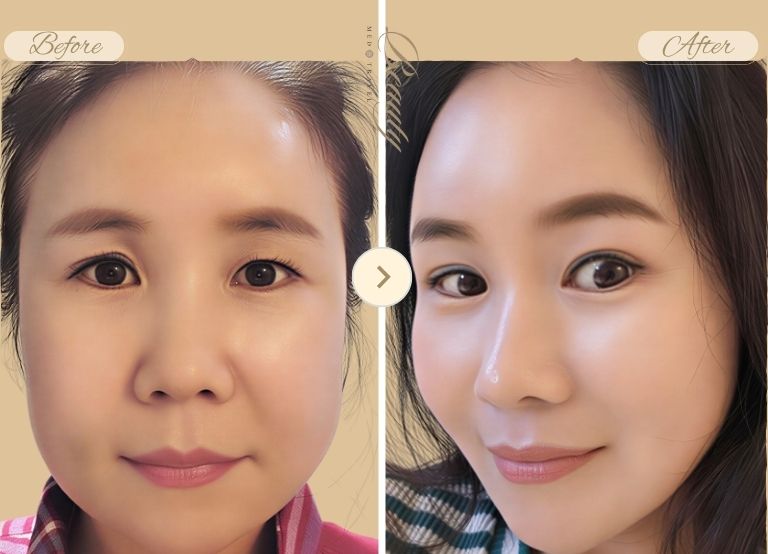
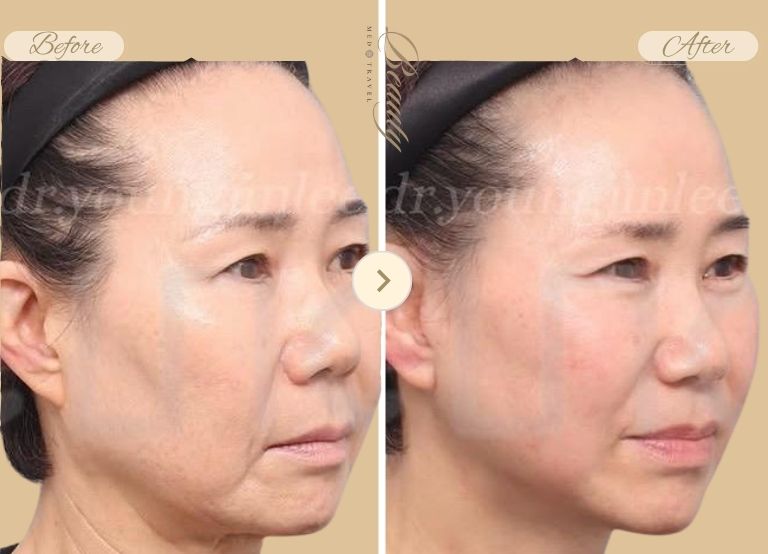
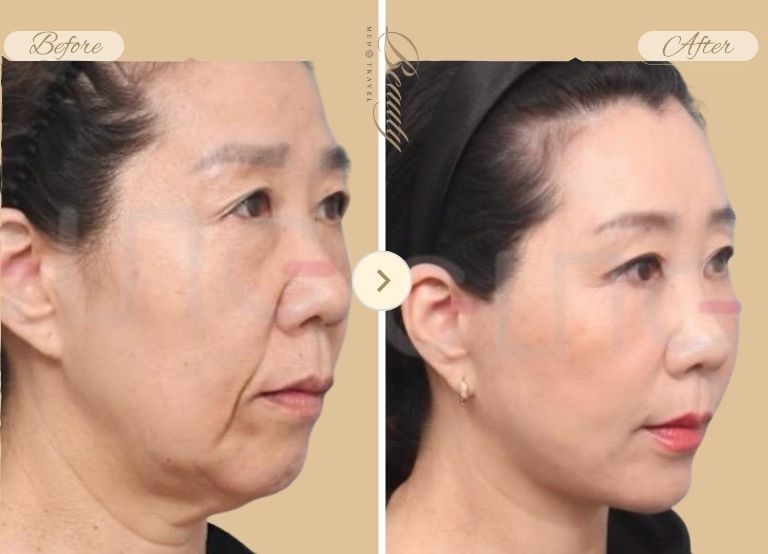
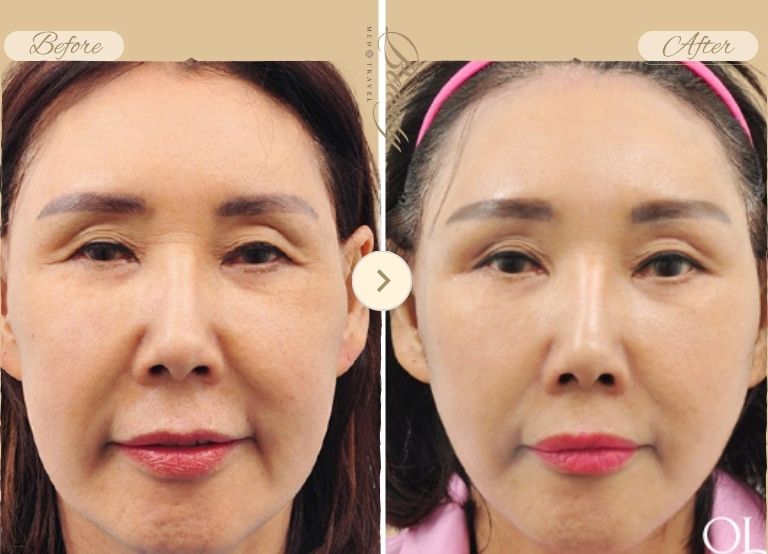
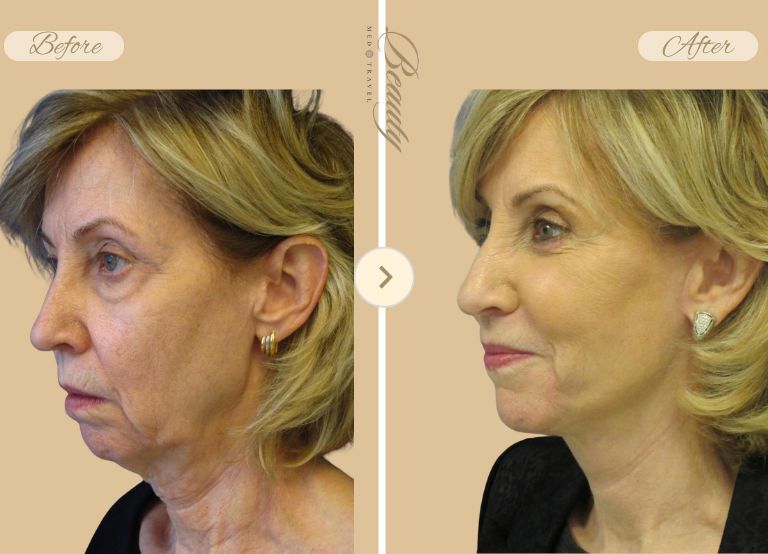
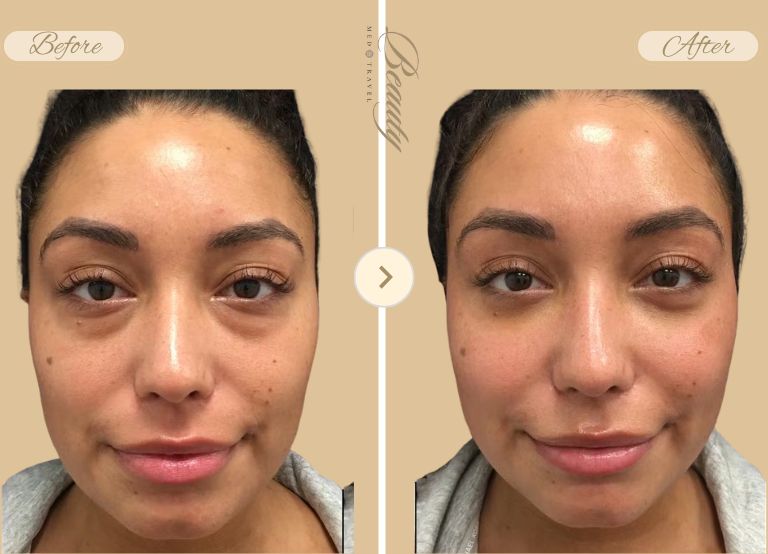
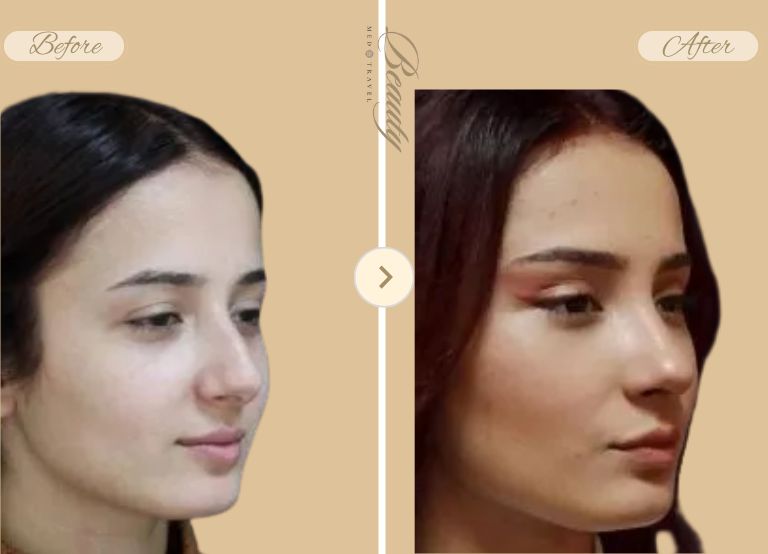
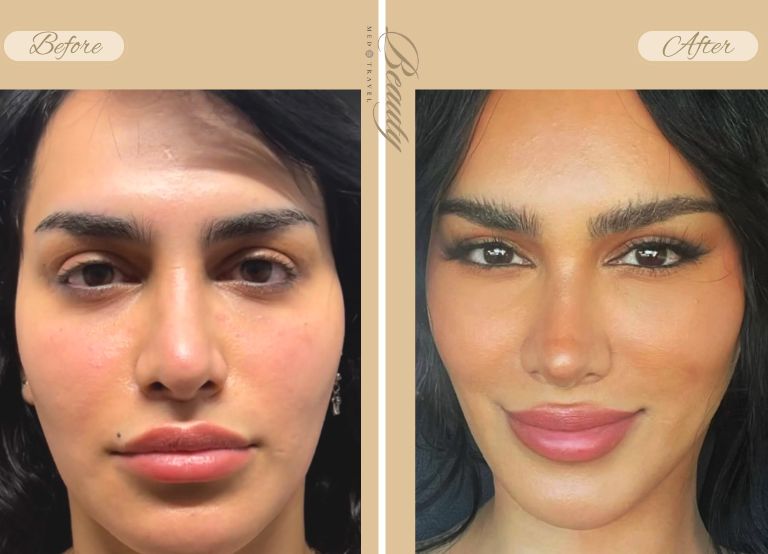
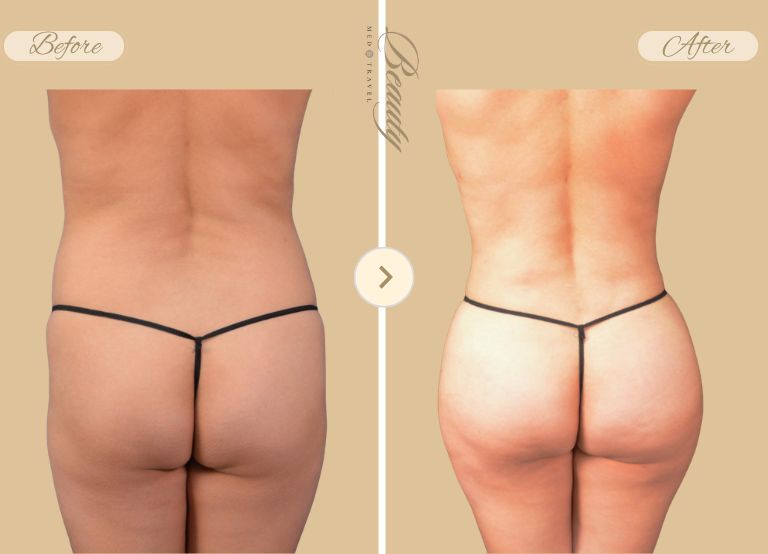
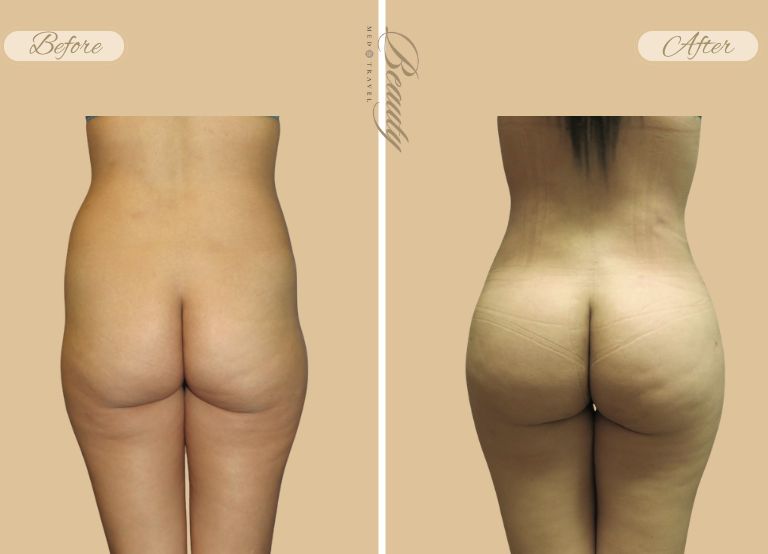
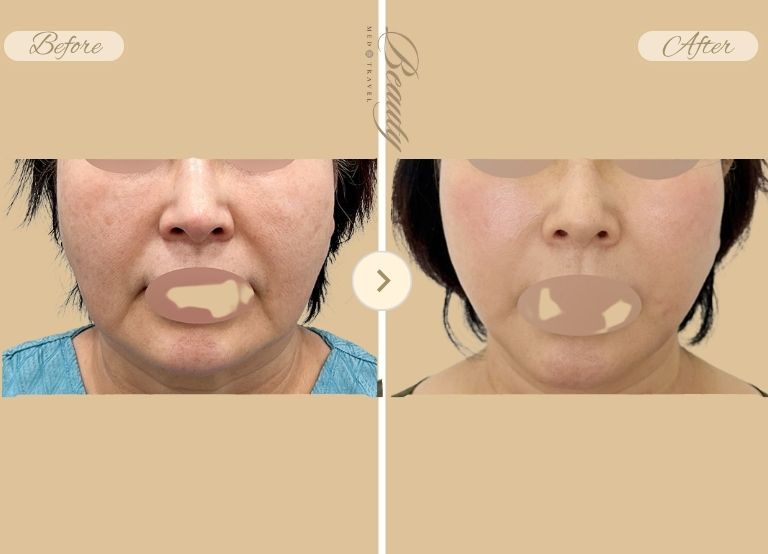
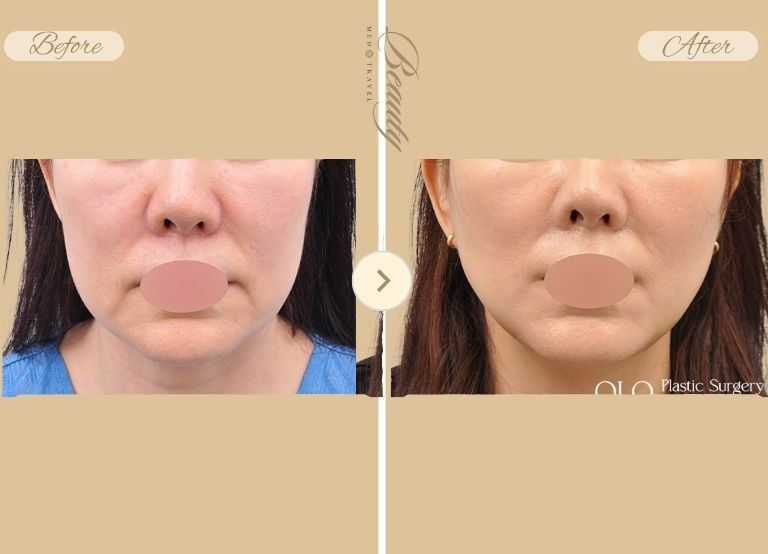
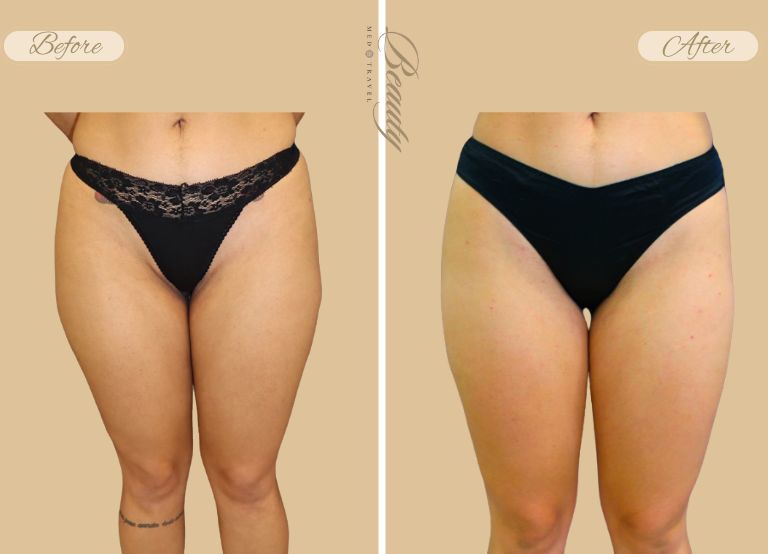
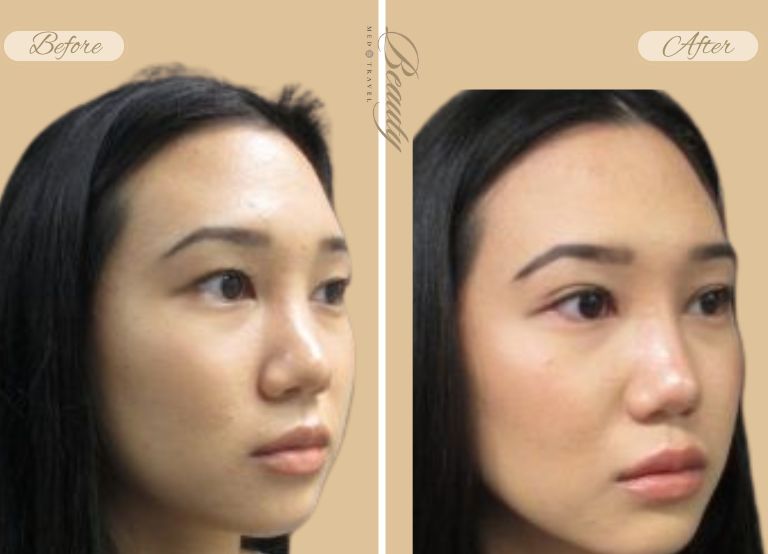
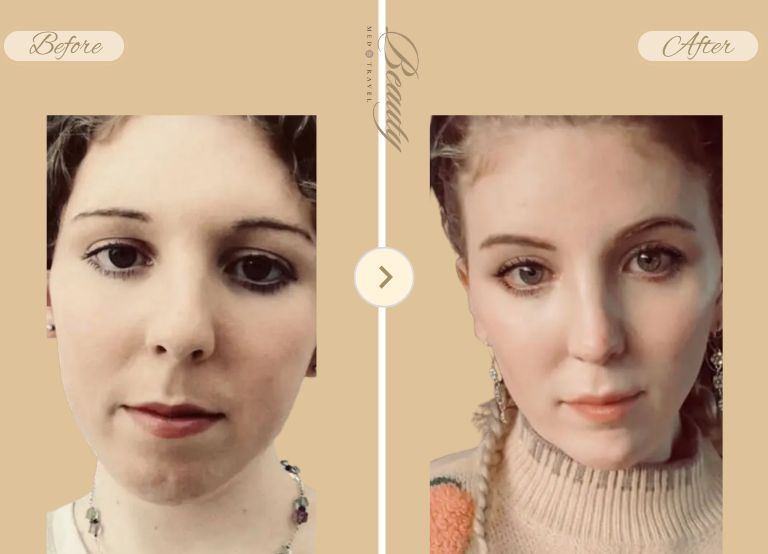
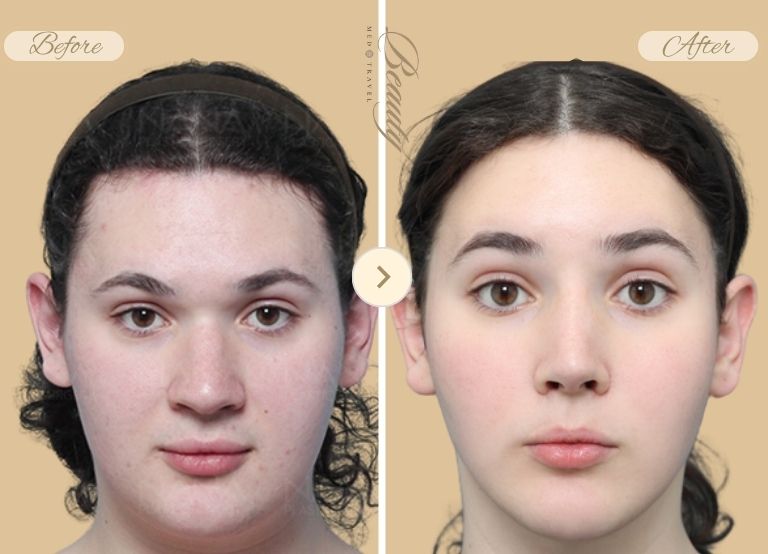
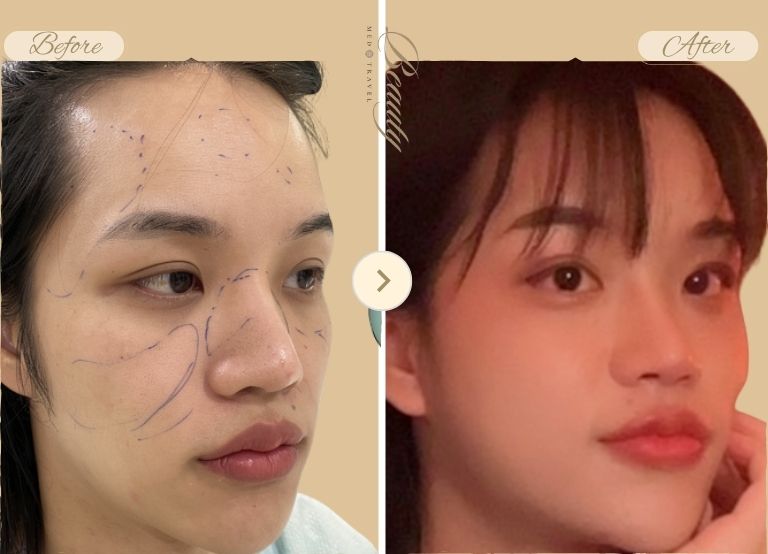
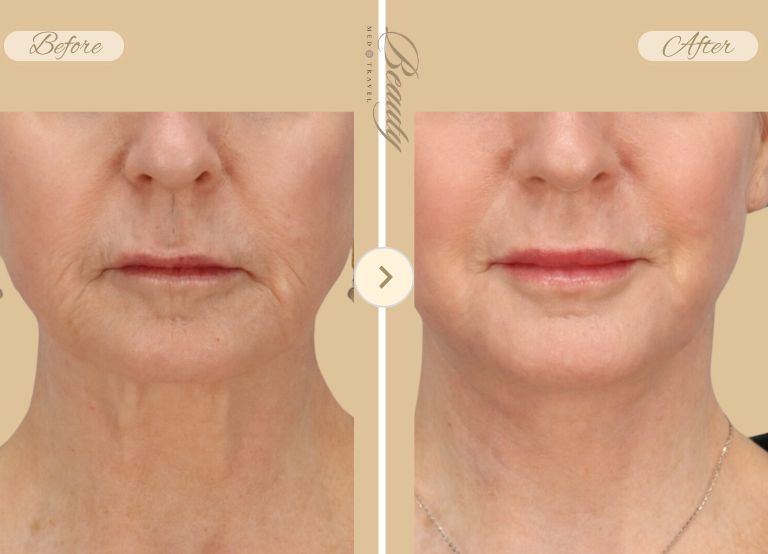
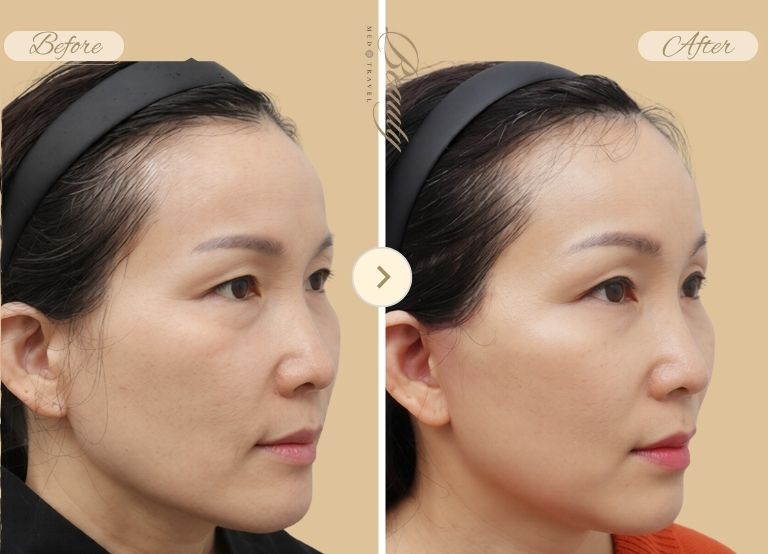
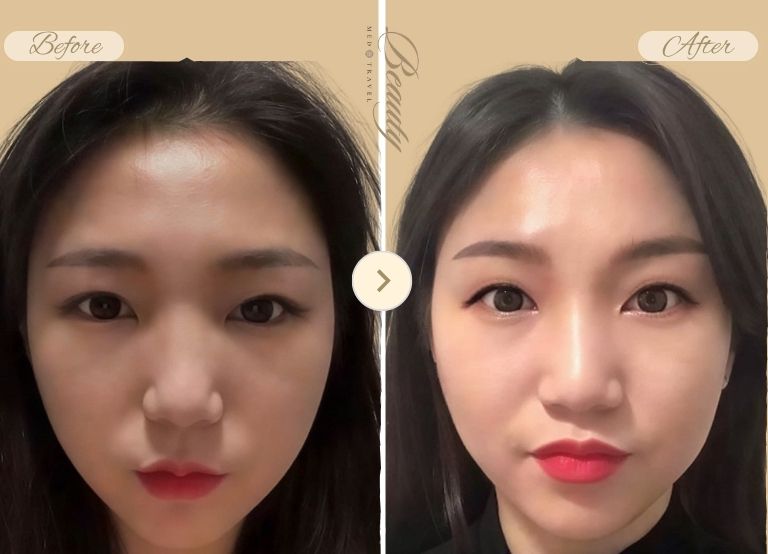
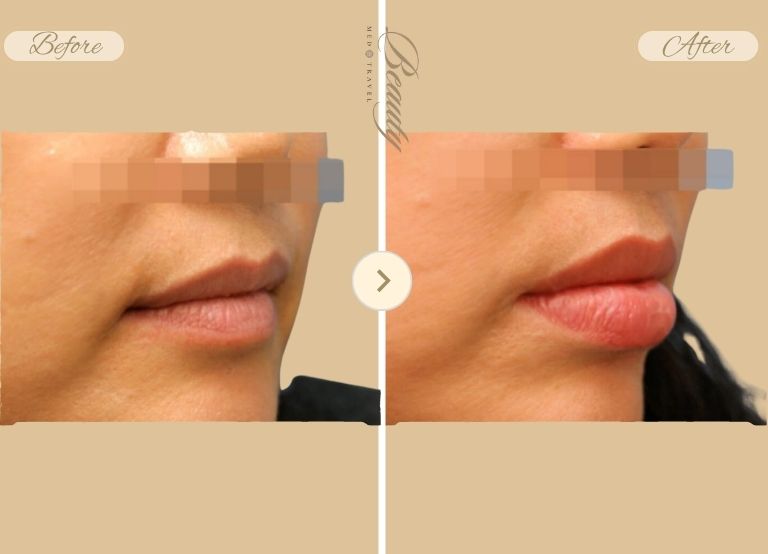
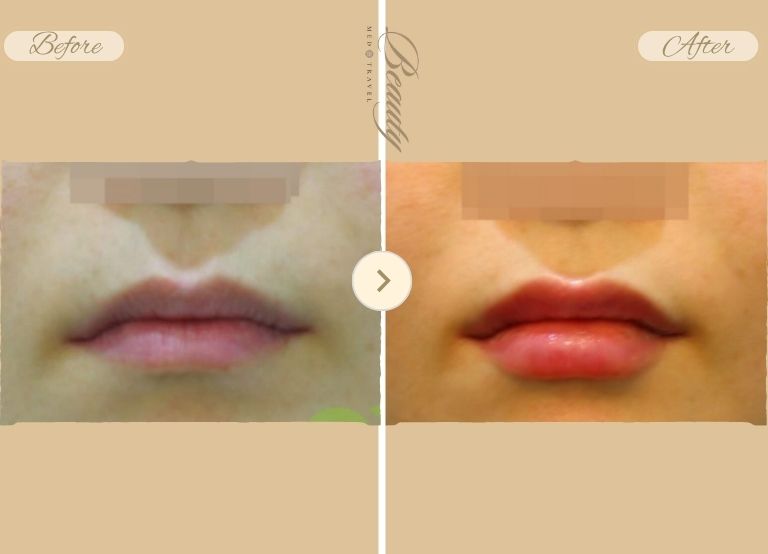
- Before-and-after photos tell you a lot if you know what to look for. Look for consistency across multiple patients with similar starting points to yours, not just the best results a clinic has ever produced.
- A good clinic will want your photos, medical history, and previous procedures before offering any recommendation. If a clinic is eager to confirm surgery before thoroughly evaluating your case, treat that as a warning sign.
- International patients need responsive coordinators who speak their language and can explain what's happening at every step. The quality of communication before surgery often reflects the quality of care during and after it.
Best Plastic Surgery Clinics In South Korea
Here is a carefully selected list of clinics, chosen according to their specializations and how well they match different patient needs.
VG Plastic Surgery (Best For Facial Contouring And Precision Aesthetic Balance)
VG Plastic Surgery specializes in facelift surgery, revision rhinoplasty, facial contouring, and anti-aging procedures. It suits patients seeking subtle, natural-looking improvements rather than dramatic change, and is popular with international patients from Asia, North America, Australia, and Russian-speaking countries.
Every procedure is planned around the patient's individual facial structure using 3D-CT scanning, with the clinic emphasizing proportion and harmony over standardized results. Dedicated teams handle consultation, surgery, and aftercare separately, ensuring continuity at each stage.
Surgeon: Dr. Yong Min Im is a board-certified plastic surgeon specializing in facelift surgery and revision rhinoplasty.
Why choose VG over others: It is ideal for patients seeking subtle, proportion-based improvements with strong emphasis on facial harmony and individualized surgical planning.
ID Hospital (Best For Complex Facial Contouring And Jaw Surgery)
ID Hospital is one of South Korea's largest plastic surgery hospitals, widely known for facial bone surgery, including jaw surgery and V-line contouring. It is equipped with hospital-level infrastructure that supports complex and multidisciplinary procedures involving plastic surgeons, orthodontists, and maxillofacial specialists.
The clinic uses advanced imaging and 3D planning systems to ensure accuracy in both functional and aesthetic outcomes. This makes it particularly suitable for patients requiring structural facial changes. The scale and specialization allow for comprehensive treatment within a single facility.
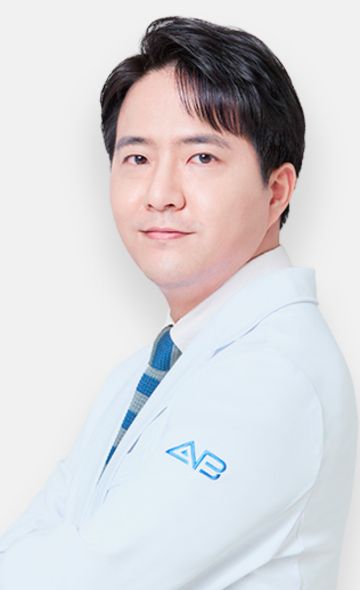
Surgeon: Dr. Park Sang Hoon is a leading expert in facial contouring and a pioneer in V-line surgery techniques.
Why choose ID over others: It is best for complex bone-related facial surgeries requiring high precision and integrated hospital support.
JK Plastic Surgery Center (Best For International Patients Seeking Comprehensive Facial Work)
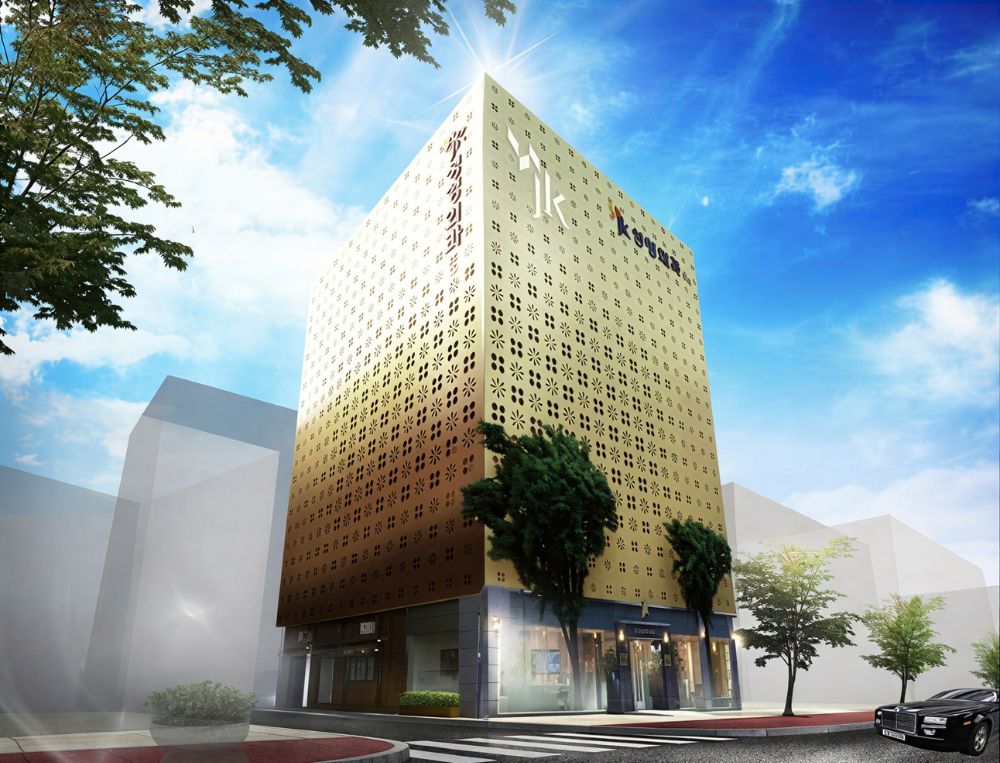
JK Plastic Surgery Center is one of the most internationally recognized clinics in Seoul, officially accredited for excellence in care for foreign patients. It has treated over 100,000 patients from more than 100 countries.
The clinic is fully equipped to serve international patients, offering multilingual coordinators, visa support, VIP recovery rooms, and advanced sterilization systems. It provides a wide range of procedures, including facial contouring, rhinoplasty, eyelid surgery, and anti-aging treatments, with dedicated specialist teams for each category.
Surgeon: Dr. Park Sang Hoon is a board-certified plastic surgeon known for facial contouring and reconstructive expertise.
Why choose JK over others: It is ideal for international patients due to its strong support system, government accreditation, and comprehensive surgical services.
Lienjang Plastic Surgery (Best For High-Volume Procedures And Cost-Efficient Options)
Lienjang Plastic Surgery is a high-volume clinic offering a wide range of cosmetic procedures at more accessible prices. It is popular among both local and international patients for treatments such as eyelid surgery, rhinoplasty, facial contouring, and non-surgical procedures.
The clinic’s large operational scale allows for efficient patient handling and competitive pricing. However, patients are advised to carefully confirm surgeon assignments and review case histories before treatment to ensure consistent quality.
Surgeon: Dr. Chang Young Woo is a leading surgeon specializing in facial and body contouring as well as reconstructive procedures.
Why choose Lienjang over others: It is suitable for patients seeking affordable cosmetic surgery within a structured and high-volume clinical environment.
Glovi Plastic Surgery (Best For Personalized Care And Natural-Looking Results)
Glovi Plastic Surgery is a boutique clinic focusing on personalized treatment and natural-looking outcomes. It uses regenerative medicine approaches, including stem cell-based research, alongside surgical procedures.
The clinic prioritizes long-term skin quality and subtle enhancement rather than dramatic changes. Due to its smaller scale, patients receive consistent surgeon involvement and more individualized attention throughout the process. It is especially popular for anti-aging, rhinoplasty, and refinement-focused procedures. The environment is calm and patient-centered, emphasizing safety and precision.
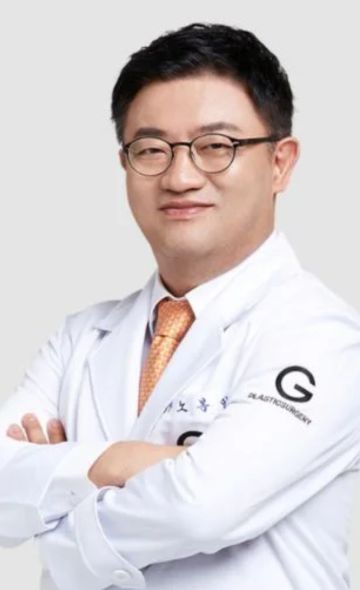
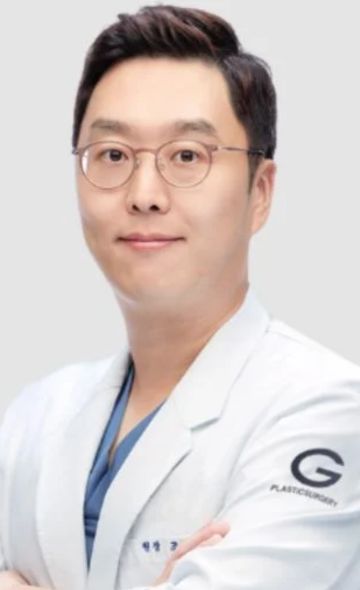
Surgeon: Dr. Nam Sangjael is a board-certified plastic surgeon specializing in rhinoplasty, breast surgery, and anti-aging procedures.
Why choose Glovi over others: It is ideal for patients seeking natural results combined with regenerative and personalized surgical care.
Safety Standards in South Korea
South Korea's best clinics operate within a regulated medical environment that provides meaningful patient protection.
Board-Certified Surgeons
Plastic surgeons in South Korea must complete extensive residency training and pass certification through either the Korean Society of Plastic and Reconstructive Surgeons (KSPRS) or the Korean Association of Plastic Surgeons (KAPS).
Both organizations maintain public registries that patients can independently verify. Only physicians who complete this full pathway can legally use the title "plastic surgery specialist."
Government Regulation And Clinic Licensing
Korea's Ministry of Health and Welfare actively regulates clinic licensing, physician qualifications, and operating room standards. Clinics must meet specific equipment and safety requirements to maintain their licenses.
This regulatory framework is more robust than many competing medical tourism destinations, though it does not eliminate all variation in quality between clinics.
Anesthesia Standards
Majority of smaller Seoul clinics do not maintain full-time on-staff anesthesiologists. Reputable clinics have dedicated anesthesia teams present throughout every procedure.
Risks and What Patients Should Be Careful About
Understanding where things can go wrong is just as important as understanding why South Korea is well-regarded.
Clinics Focused Only on Foreign Patients
Some clinics prioritize high volumes of international patients over quality. Warning signs include heavy discounts, pressure to book quickly, short consultations, and limited before-and-after proof. Clinics with a strong local Korean patient base are usually more reliable.
Misaligned Aesthetic Expectations
Unrealistic expectations often lead to dissatisfaction, even if the surgery is technically successful. Patients should not rely only on celebrity results. Clear and detailed discussions with the surgeon before surgery are essential.
Over-Reliance on Social Media
A clinic’s popularity on social media does not guarantee quality. Images and promotions may reflect marketing rather than real outcomes. Always verify results through official sources and independent patient reviews.
Underestimating Recovery Time
Procedures involving bones, such as jaw or nose surgery, require several weeks to heal. Planning to recover in a short time can lead to disappointment. Patients should allow enough time for proper healing and realistic results.
Aesthetic Expectation Differences in South Korea
This may be the most important section in this guide for international patients to read carefully.
Korean Beauty Standards vs International Expectations
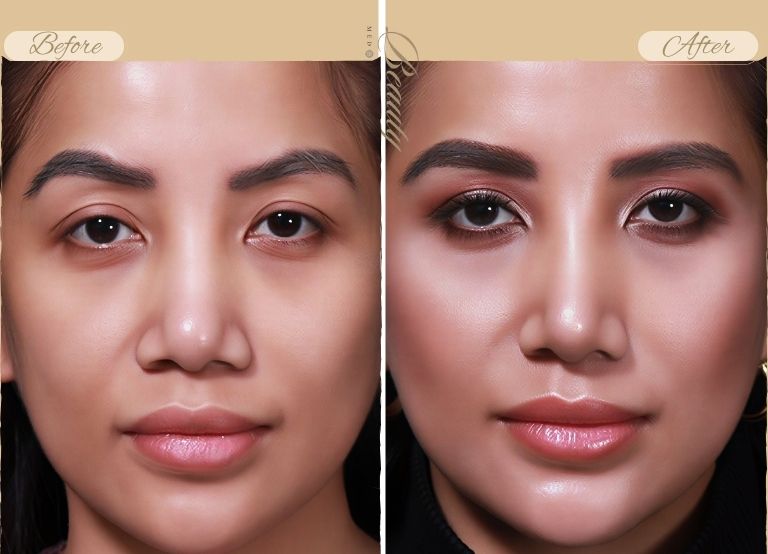
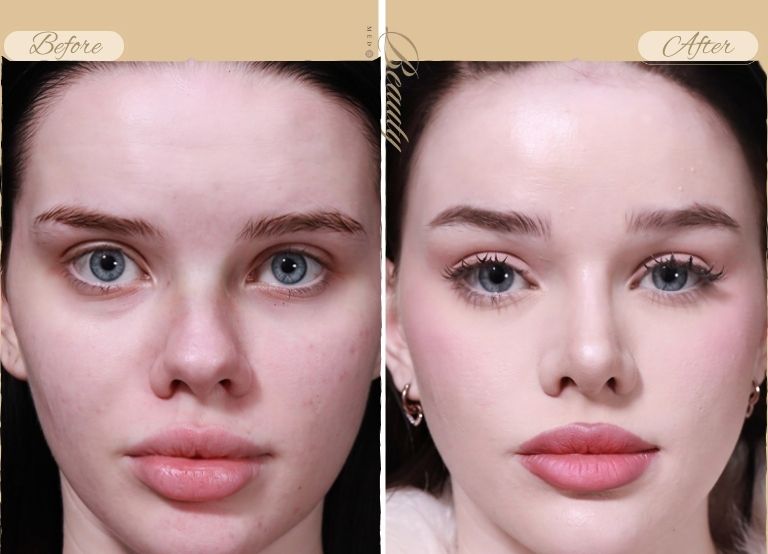
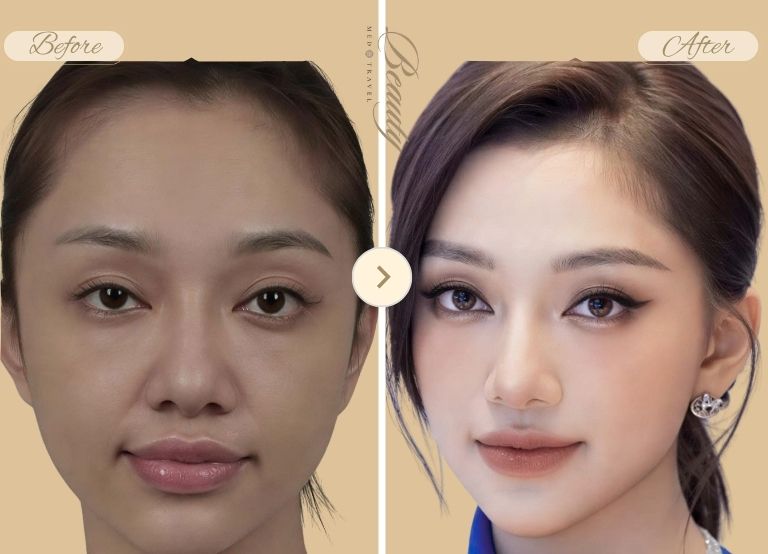
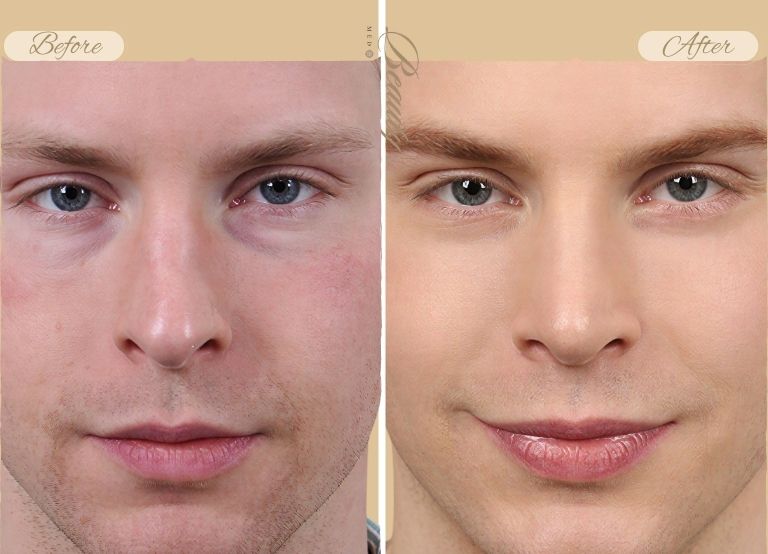
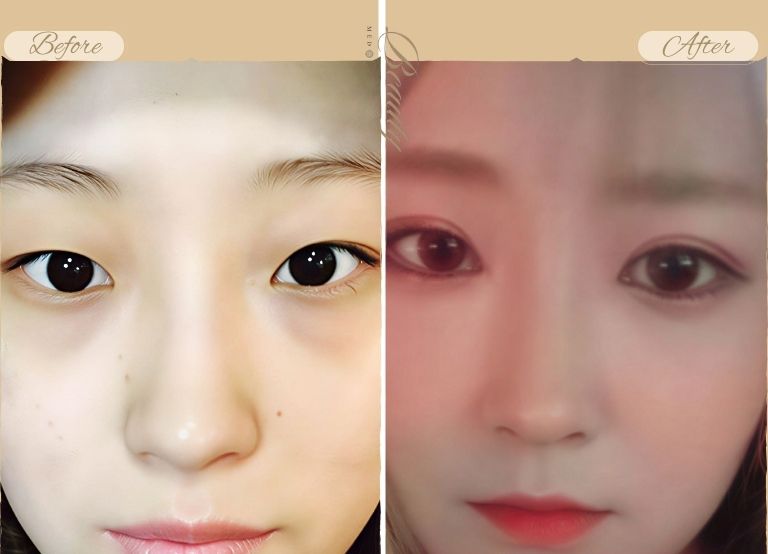
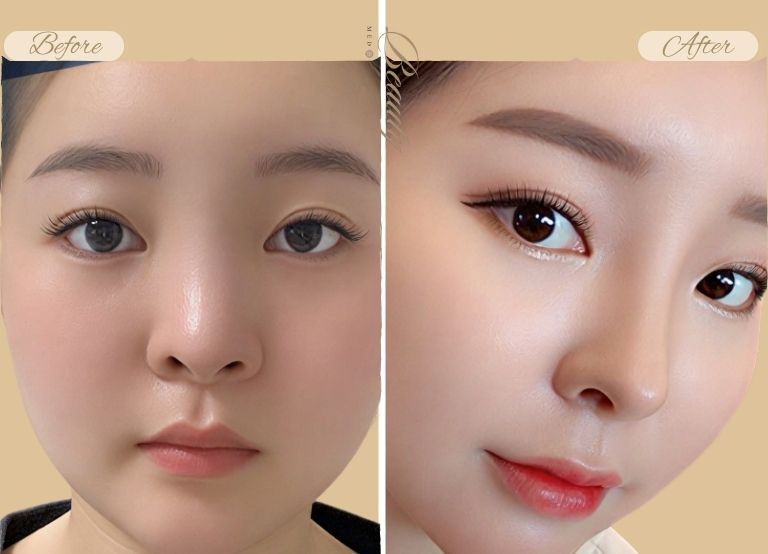
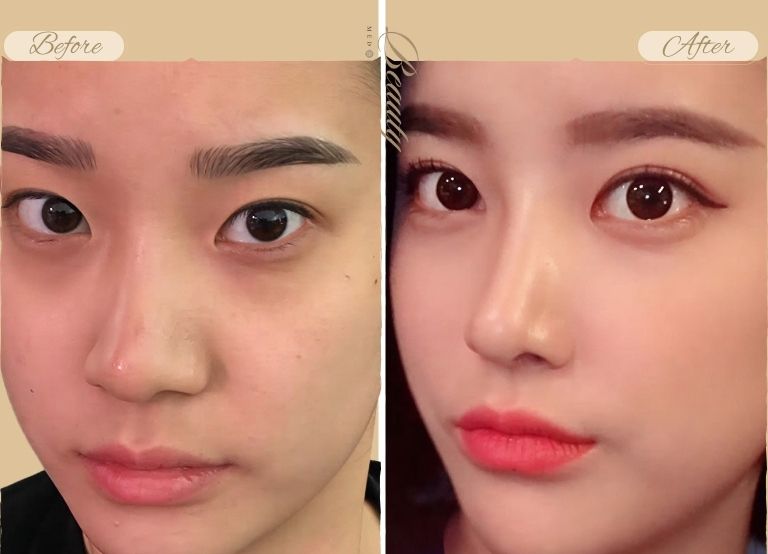
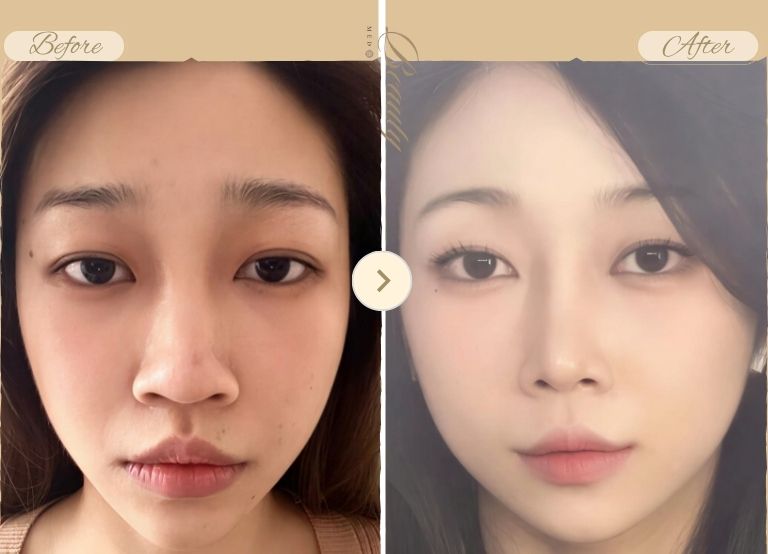
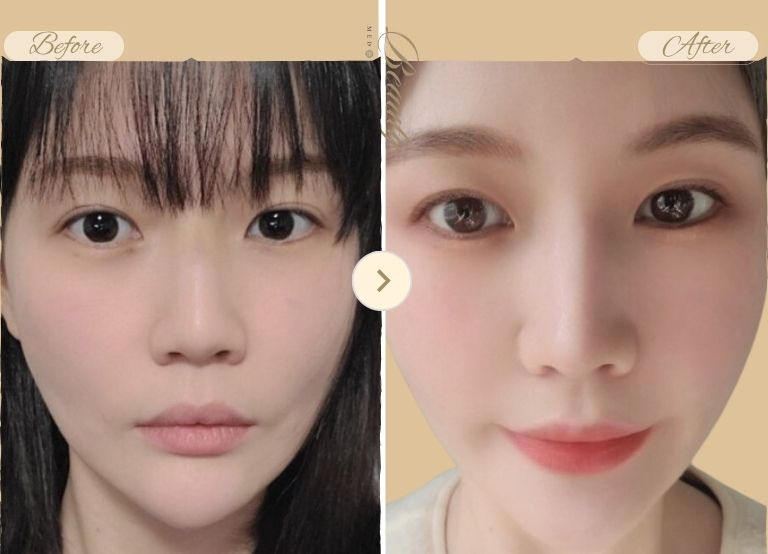
Korean beauty standards focus on harmony, proportion, and subtlety. The ideal result in Korean aesthetics is a face that looks naturally refined, not one that clearly announces surgery. Surgeons here are trained to produce results that people describe as "looking better, but can't quite say why."
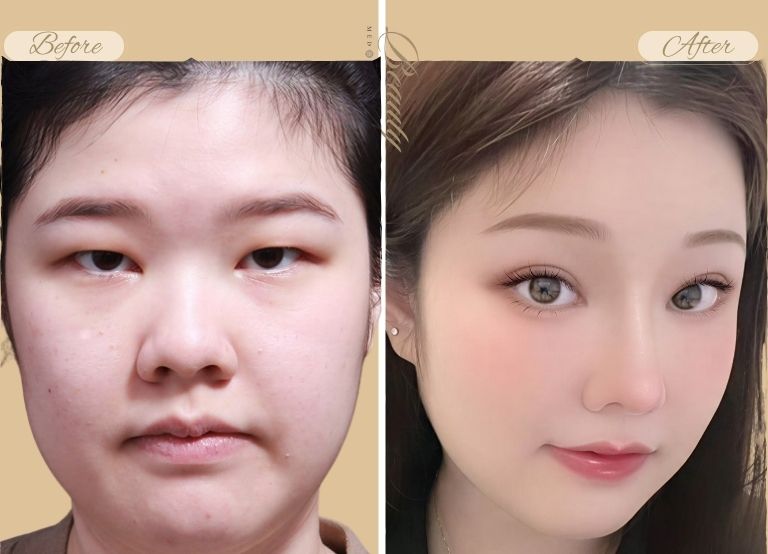
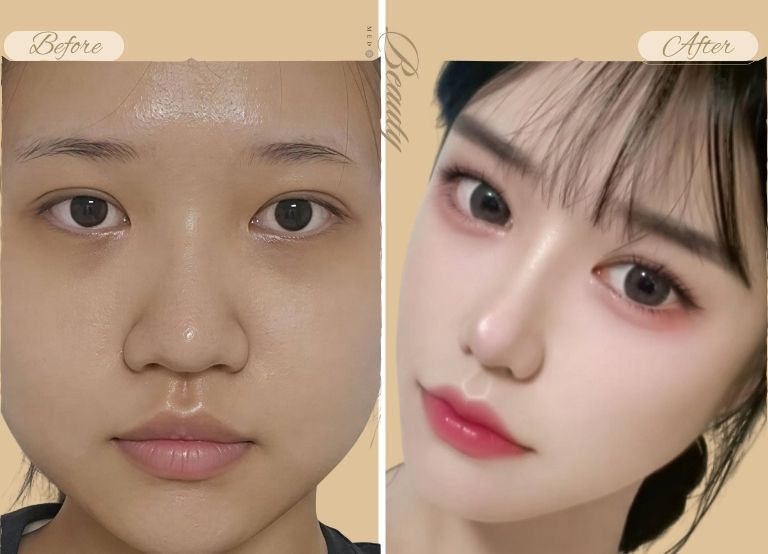
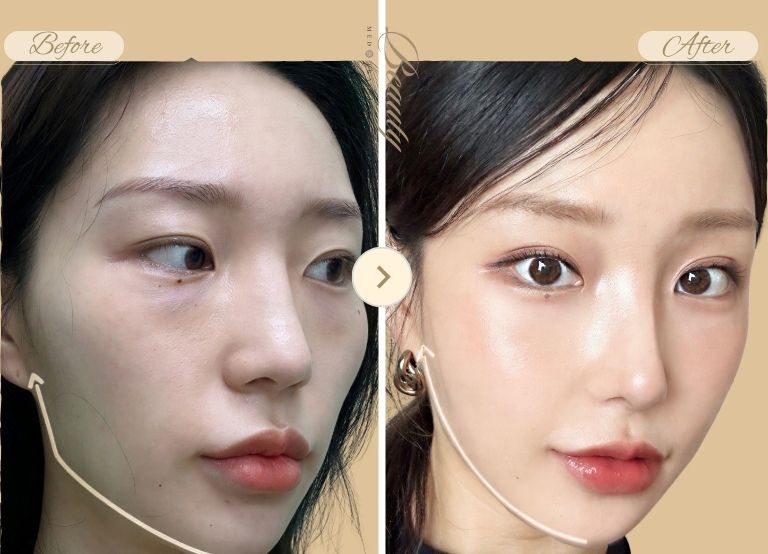
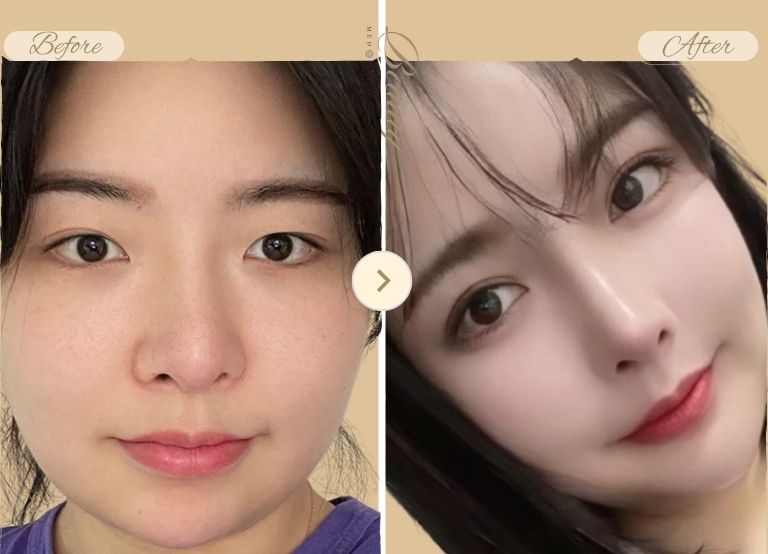
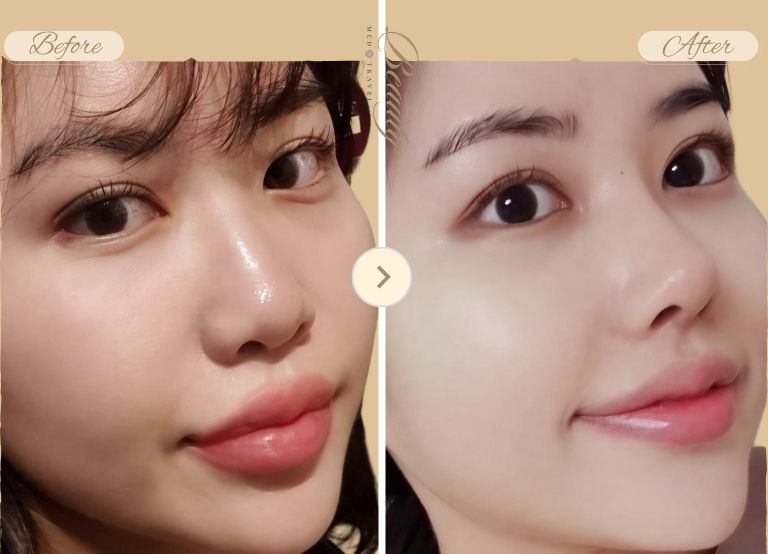
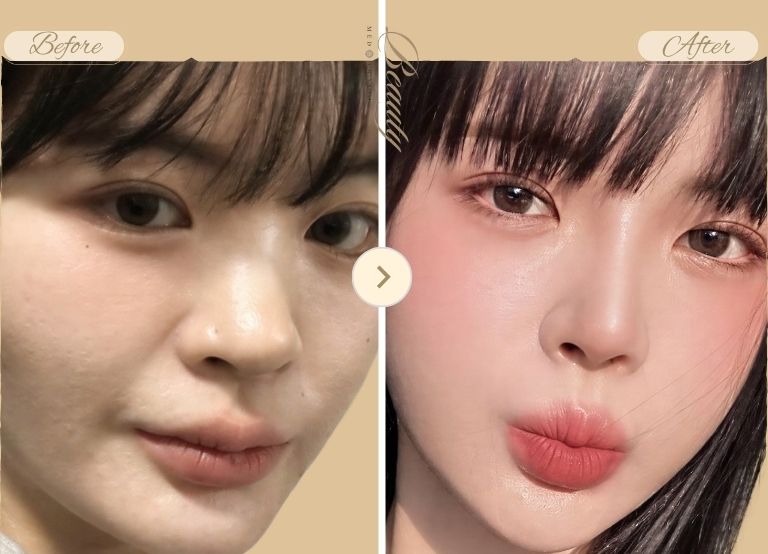
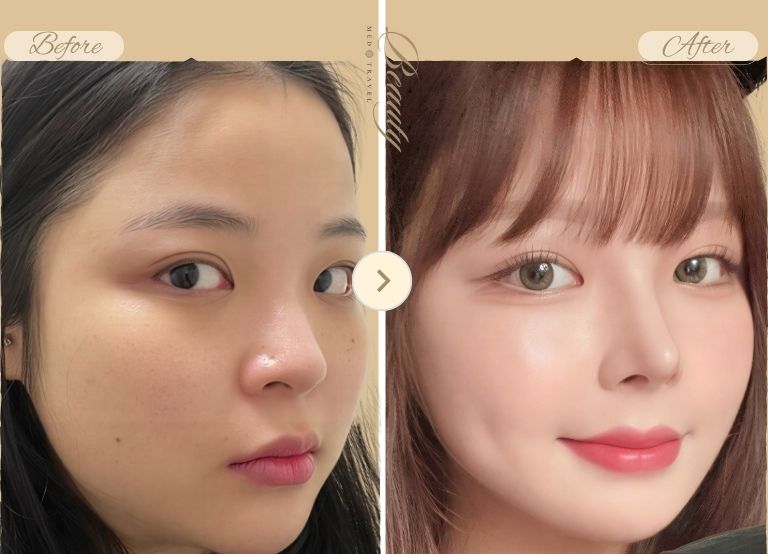
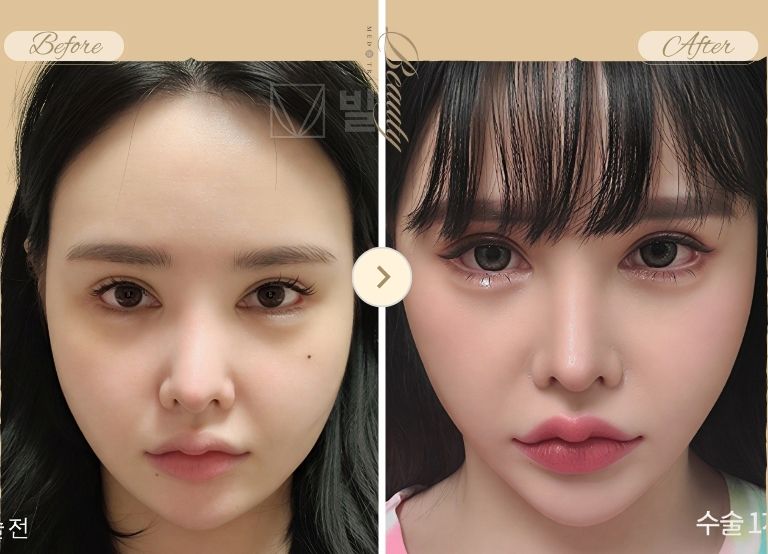
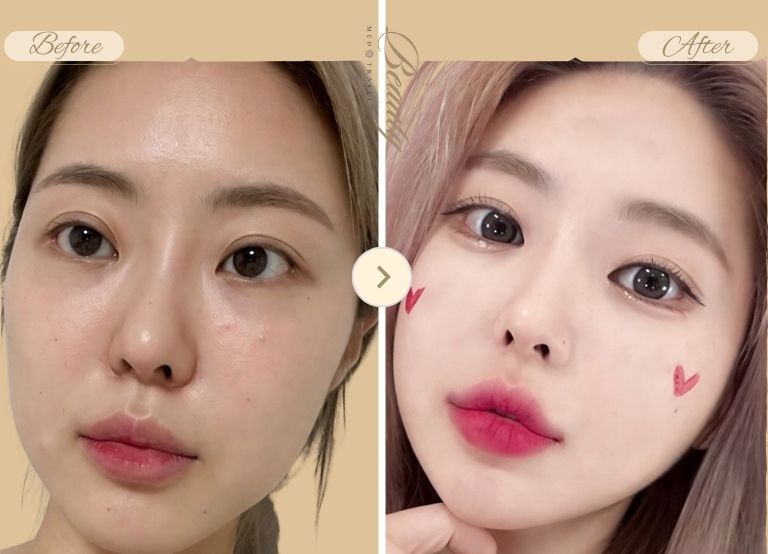
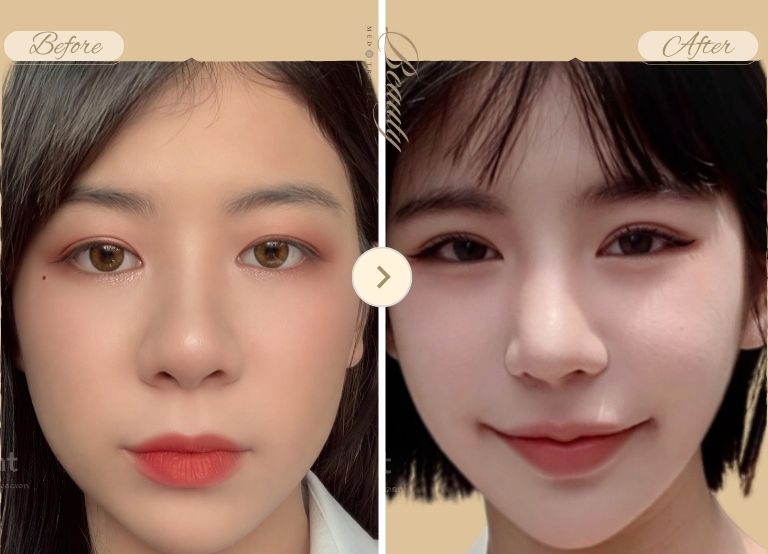
That standard is genuinely different from what many international patients arrive expecting, particularly those who have seen dramatic K-beauty transformations on social media. Many of those transformations involve makeup, lighting, and styling, not surgery alone.
Subtle Enhancement vs Dramatic Change
If you arrive expecting a surgeon who will dramatically reshape your face to match a reference image, you are likely to encounter resistance.
Korean surgeons assess what they believe will produce a harmonious result for your specific features, and when that conflicts with a request, they will say so directly.
Why Misalignment Leads To Dissatisfaction
Come with reference photos of what you like about your own face, not only photos of what you want to look like. Korean surgeons respond much better to patients who want to enhance themselves than to those who want to look like someone else.
Misalignment between what you expect and what they'll deliver is the primary source of post-surgical dissatisfaction in Korea, and it's largely preventable through honest pre-surgical communication.
International Patient Journey in South Korea
Here's what the journey usually looks like for international patients choosing South Korea.
Research
This begins months before travel. Identifying your target procedure, shortlisting surgeons, reviewing patient cases, and conducting online consultations should all happen well before you book flights.
Most reputable clinics offer video or photo-based consultations for international patients, allowing you to discuss your goals and receive a preliminary plan.
Consultation
Either virtual or in-person on arrival, the consultation establishes whether you and the surgeon are aligned on goals, approach, and expected outcomes. In Korea, this is a process, not a formality. Be prepared for the surgeon to recommend something different from what you originally requested, and to discuss why.
Clinic Matching
Selecting a clinic on your own is difficult. Government-accredited medical tourism coordinators and agencies can help you evaluate options, navigate language barriers, and avoid clinics that market heavily to foreigners without the depth to back it up.
Travel
South Korea is well-served by most major countries via Incheon International Airport. Most reputable clinics arrange airport pickup and can assist with accommodation near their facilities. Plan to arrive a day or two before your consultation to recover from travel and arrive rested.
Surgery
Surgery is performed on a scheduled date confirmed after pre-operative assessments (blood work, imaging, and an anesthesia consultation). Korea's top clinics follow strict protocols at this stage, and rushing any part of it is a warning sign, not efficiency.
Recovery
Recovery begins immediately after surgery and is carefully managed by the clinic's post-op team during your stay.
Most clinics schedule follow-up appointments within the first week, including wound checks, swelling management, and post-operative treatments. This phase is where a clinic's infrastructure either supports you or leaves you managing on your own.
Return
Most clinics require a minimum stay (2-6 weeks) before clearing you for long-haul flights. Your coordinator will advise on the earliest safe departure date based on your specific procedure. Do not book a return flight before confirming this timeline with your clinic.
Recovery Timeline
Initial swelling phase (Days 1–10): Bruising and swelling are at their peak. Staying in Seoul during this period is important for monitoring and follow-up. Most patients are not ready for public appearances during this window.
Visible recovery (Weeks 2–4): Swelling begins to resolve. For soft tissue procedures like double eyelid surgery, patients often look presentable by the end of week two. For rhinoplasty, bruising may still be visible into week three.
Longer healing for bone procedures (Months 1–6): Jawline contouring, two-jaw surgery, and full structural rhinoplasty take months to fully settle. Patients see progressive improvement, but final results may not be visible for up to a year.
Follow-up importance: In-person follow-ups during your stay (usually at Days 3, 7, and sometimes 14) allow the surgical team to monitor healing and intervene early if needed. After returning home, reputable clinics offer remote consultation support.
What International Patients Should Know Before Traveling
Plan for 7 to 14 days minimum or longer for bone procedures.
Rushing recovery to save on accommodation almost always costs more in missed follow-ups, complications, or unsatisfactory results.
Avoid long-haul flights immediately after surgery.
Flying too soon after certain procedures can increase swelling and, in rare cases, raise complication risk. Follow your clinic's guidance on departure timing precisely.
Confirm what post-op care is included.
Reputable clinics build post-operative treatments into their international patient packages. Ask specifically what is covered, IV drips, wound care, scar management, lymphatic massage, and laser therapy are common and worth confirming before you commit.
Verify language and communication support.
English support is standard at reputable Gangnam clinics serving international patients. Confirm the availability of coordinators in your language before booking.
Plan for potential complications at home.
Ask your clinic about their remote post-op consultation protocol, any partner clinics in your country, and their revision policy. Keep all surgical documentation accessible after you return.
How Beauty Med Travel Helps
We help match you with surgeons whose style and approach actually fit what you’re looking for. Instead of sending everyone to the same clinics, they focus on understanding your needs, setting realistic expectations, and guiding you from consultation to recovery.



 ×
Verified review
×
Verified review
 South Korea, Seoul